

Discover the average tree maintenance cost, key price factors, and tips to save. Get expert insights to plan your tree care budget with confidence.
Don’t let these little nuisances worm their way into your trees

Cankerworms feed on your tree foliage in spring after hatching from eggs laid on branches, causing defoliation that leads to long-term damage.
Expect to pay $200 to $2,000 for tree removal when your trees suffer complete defoliation after two to three years of cankerworm damage.
You can apply Bacillus thuringiensis insecticide when your trees begin budding to control cankerworms before they grow large enough to cause major damage.
Hiring a local lawn pest control professional provides reliable support with pesticide application timing and monitoring your trees for cankerworm outbreaks before serious damage occurs.
You probably don’t often hear about cankerworms, but it’s likely you’ve seen them more than once during your outdoor adventures. Often referred to as inchworms, cankerworms appear during the springtime and are light green to brown in color.
Cankerworms may seem harmless (if not a bit annoying), but they can damage trees and become a headache for homeowners. This comprehensive guide will provide you with everything you need to know about getting rid of cankerworms and the dangers these menaces create.
Cankerworms are referred to in a number of ways, including inchworms, loopers, and spanworms. These pests move in a distinctive looping pattern and appear in the spring and fall seasons.
During the fall season, male and female cankerworms mate. The female cankerworms lay their eggs on small tree branches. The eggs hatch the following spring and, once hatched, the cankerworms begin feeding on fresh foliage. While cankerworms in the spring are the primary menaces that cause damage to trees, you’ll want to take action in the fall.

The cankerworm’s springtime appearance usually lasts a few weeks or so, but they can often be a nuisance, as there is an abundance of them. You’re likely to find them dropping from your doors and windows and finding their way onto your beautiful lawn and patio furniture.
While annoying, cankerworms are fairly harmless except when it comes to one thing in your yard: trees. After leaves fully develop in early spring, cankerworms hatch to feed on the fresh foliage. This causes defoliation that can result in branch dieback, root decline, and borer damage, which destroys water-conducting and sap-conducting tissues that leads to structural weakness.
In most cases, one year of defoliation won’t completely damage your trees, but after two to three years, your trees can completely defoliate, and you may need to remove them.
Tree removal costs anywhere from $200 to $2,000. If you can’t bear the thought of saying goodbye to the gorgeous oak trees in your yard, you’ll want to get rid of and prevent cankerworms sooner rather than later.
Cankerworms feed on a large range of deciduous trees and small woody plants. Most commonly, cankerworms will host on the following trees:
Oak
Maple
Cherry
Ash
Apple
Birch
Tree banding is a natural approach to getting rid of cankerworms. The process involves wrapping tree trunks with sticky bands, which can be found at home improvement stores.
Why does this work? Female cankerworms are wingless, so in the fall, when they lay their eggs, they crawl up the trees. Tree banding traps the female cankerworms by preventing them from crawling further up the tree to the branches where they lay their eggs.
While this all-natural approach is ideal for many homeowners, there are some limitations and drawbacks to using this method to prevent cankerworm damage. Due to the sticky substance, leaves and debris can attach to the trunk. This creates a bridge over the sticky band that allows the cankerworms a path to lay their eggs.
Sticky bands also require maintenance. You can remove any leaves and debris that stick to the trunk of the tree to maintain its effectiveness. The bands will also need replacing due to deterioration, so check in on them periodically.
It should also be noted that tree banding is expensive, messy, and can leave a permanent mark on the trees. However, if you’re committed to practicing an all-natural approach to getting rid of cankerworms, this method is highly effective.
Insecticide treatments are the most effective way to get rid of cankerworms. The process is also much easier, especially if you’re dealing with larger trees, like maple or birch. While you could hire a local lawn pest control specialist to take care of the job, you can also resolve the infestation yourself.
Timing is everything when you’re preparing to use pesticides. You want to apply the treatments while the cankerworms are fairly small and haven’t caused too much damage yet. When your trees are just beginning to bud, that’s the best time to get started. You won’t want to wait too long because by the third or fourth week of the eggs hatching, they’re large enough in size to cause major damage to your favorite shady spots.
There are lots of pesticide options to choose from but the best option is the bacterial insecticide Bacillus thuringiensis. This particular insecticide is completely safe for the environment, so no need to worry about the safety of your family, pets, wildlife, or other plants.
While Bacillus thuringiensis is considered safe, you do want to err on the side of caution while applying. Wear gloves, long-sleeves, and pants during application and wash thoroughly upon completion.
If you have any questions or concerns about using pesticides or the health of your trees, contact a local arborist. You can even choose to hire an arborist for regular inspections to monitor and control cankerworm outbreaks.
This service was great. My air conditioner went out during the heat spell that we had. My husband has health issues and they came out that night and at 9:30pm the air conditioner was fixed and running. We are sooo very thankful, this is the company I will be using from now on and would...
 Mr. Mechanical Ohio
One of my old tall evergreen trees was suddenly leaning toward the busy street in front of my house. I submitted a request for an emergency tree inspection, and Alejandro, owner of Cajete Tree Service, contacted me immediately and arrived to look at it just 20 minutes later. We agreed the...
 Cajete Tree Service LLC
1 tree was cut down and 5 others including a large willow tree were trimmed. The Grant Tree Service men were professional and cleaned up afterwards. The cost of the 6 trees were affordable. I am very happy with the results. I would hire them again.
 Grants Tree Service
D1 Roofing delivers outstanding service from beginning to end, backed by a strong warranty and expert teams. I highly recommend them for their excellence in meeting and surpassing expectations with unmatched communication. Choosing D1 Roofing was flawless decision
 Division 1 Roofing LLC
Promptly arrived for quoting! Demonstrated superb customer service, affordable pricing, and completed service swiftly! Looking forward to the spring for our service!
 All Star Paving and Sealing
Seth was very professional, prompt in responding to queries about the work required , gave sincere advice as to what would be best for tree trimming and did the job timely.
Ace Fireplace Services' chimney sweep service is truly exceptional. They used advanced technology to ensure a thorough cleaning process, and my chimney has never looked better. I highly recommend their services.
 Ace Fireplace Services
I definitely recommend Ramonaâ s cleaning service! I have booked services with her many times and she arrives on time, ready to work and provides a great service.
 Your Cleaning Solutions LLC
Webb â s was priced well, flexible on scheduling, great with communication, and detailed in their work. Iâ ll definitely use their services again.
 Webbs Pressure and Paint LLC
Great tree company, very professional and honest. Glad we found them, they had the best pricing
From average costs to expert advice, get all the answers you need to get your job done.
Discover the average tree maintenance cost, key price factors, and tips to save. Get expert insights to plan your tree care budget with confidence.
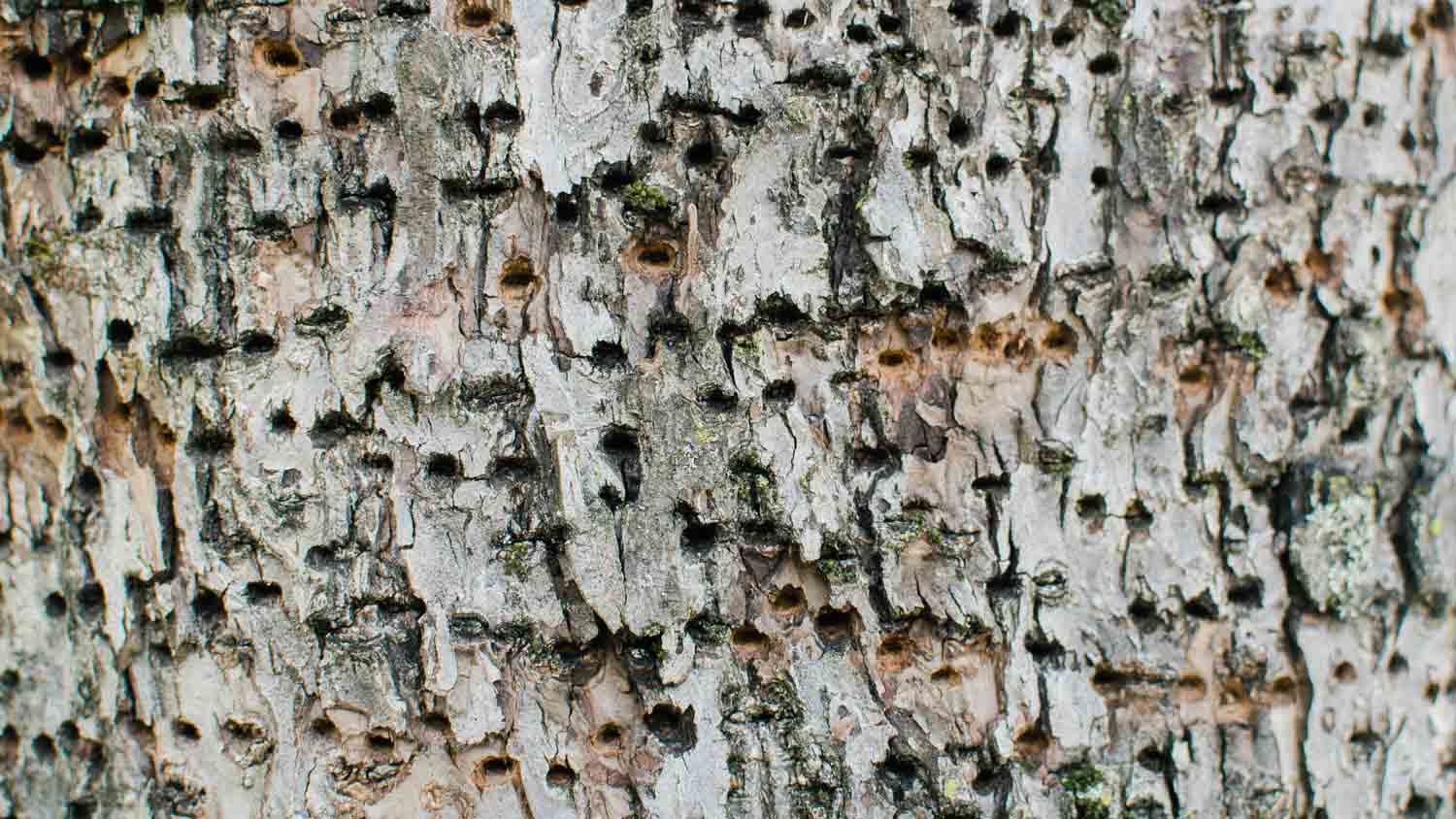
Discover the answer to what is eating my tree trunk, why it's doing it, and what you can do to eliminate and prevent the insect problem.

Japanese flowering cherry trees require some know-how to keep them thriving and disease-free. Read on to learn how to grow flowering cherry trees.
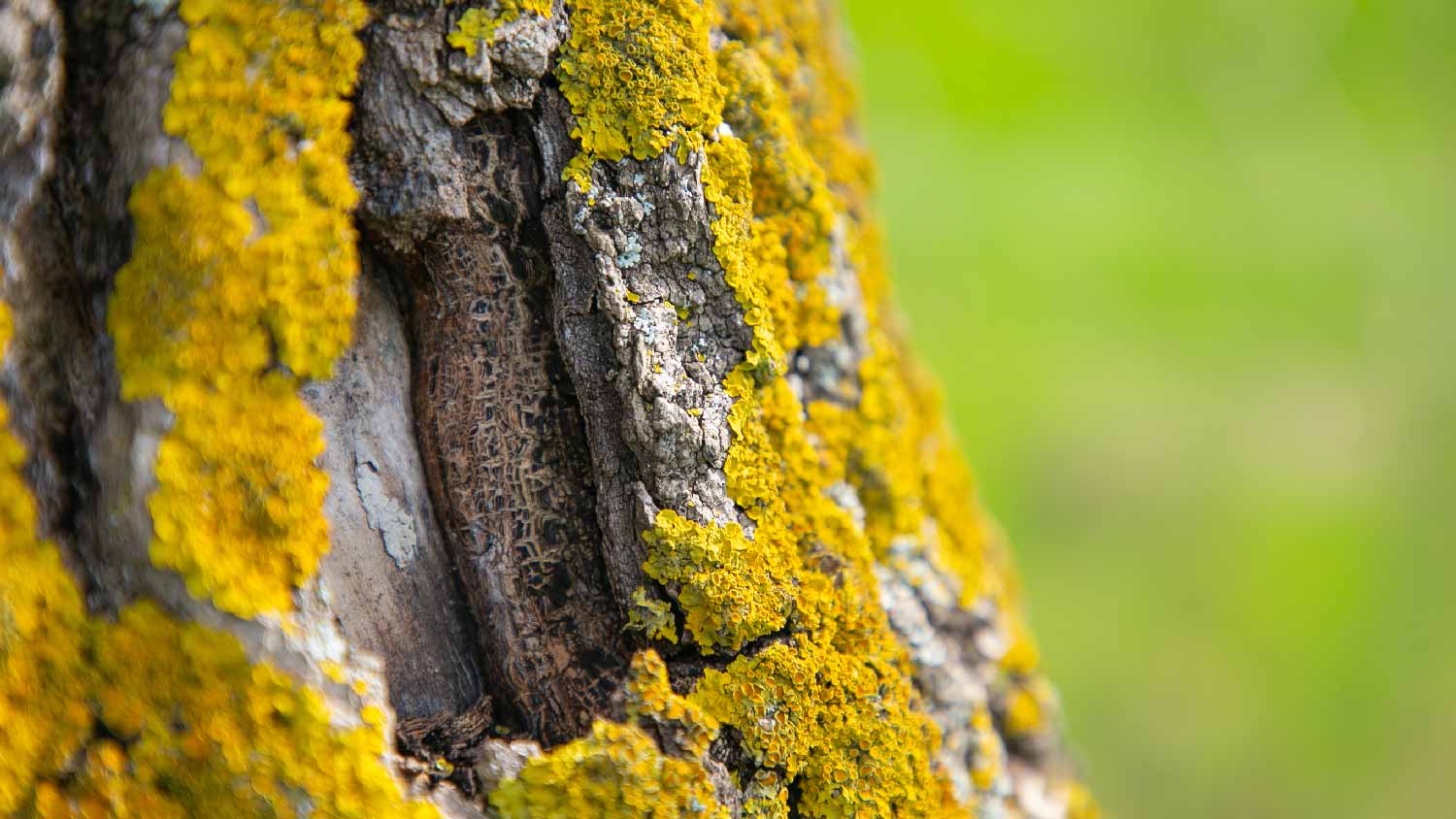
Is there something new sprouting on your favorite oak tree? Tree bark fungus identification can help you save your tree from a sneaky enemy.
Do you have a bagworm infestation? Use these tips to identify the signs and learn how to get rid of bagworms on your property.
Find out how to tell if a tree is dying and what you can do about it in this guide. The sooner you catch the problem, the higher your chance of saving your tree.