
Have yellow jackets in your yard? Learn how to safely get rid of and repel wasps, whether their nests are in the ground or on a high surface.
You won’t bee-lieve the differences between these two stinging insects

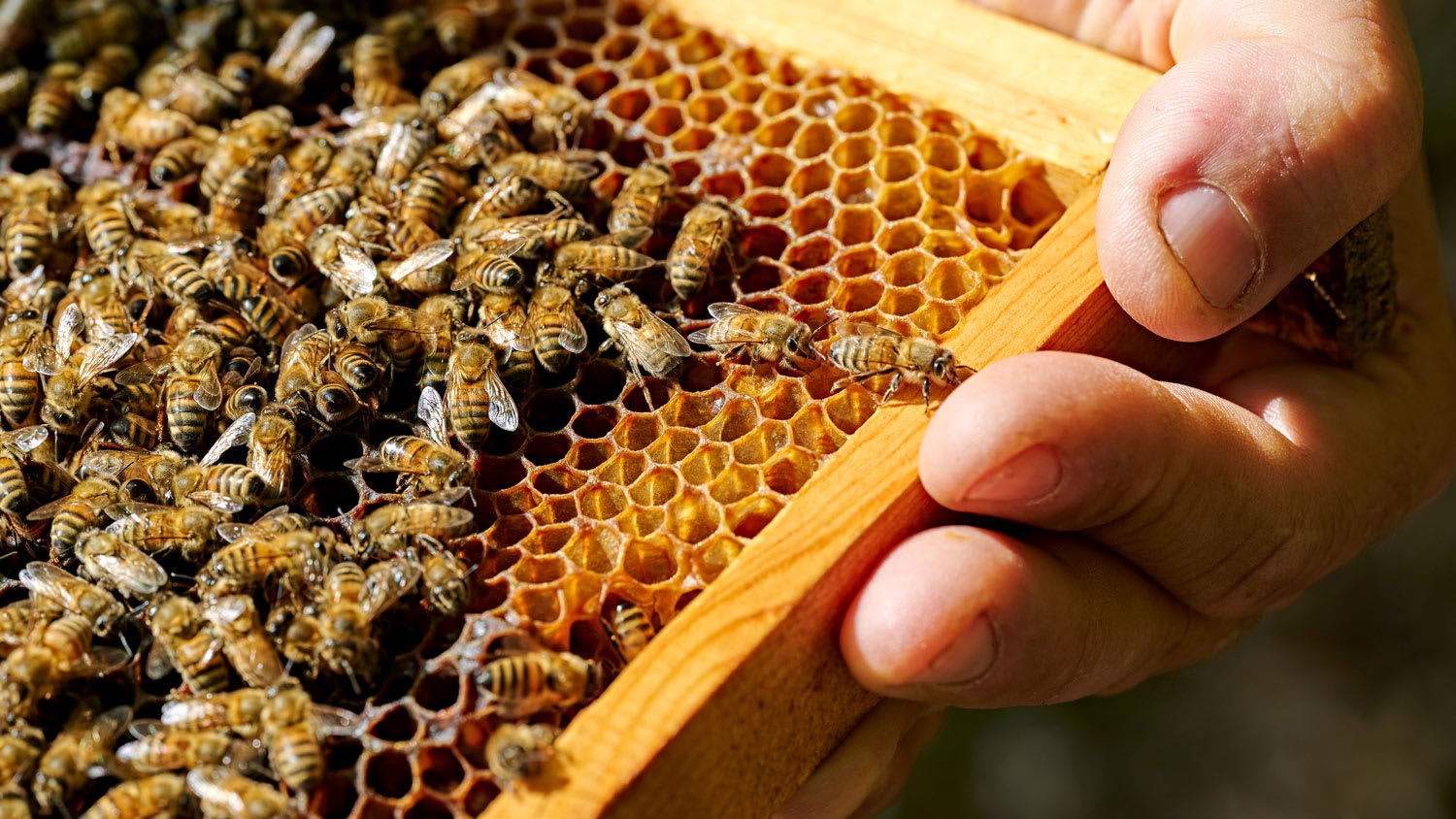
Yellow jackets vs honey bees share similar oval shapes and sizes, but honey bees have golden brown, hairy bodies while yellow jackets have smooth, bright yellow and black stripes.
Expect to pay $75 to $2,000 for bee removal and $500 to $750 for yellow jacket removal, so addressing your infestation early can help avoid higher costs.
Your choice between managing honey bees versus yellow jackets depends on aggression levels, since yellow jackets sting multiple times and are far more aggressive than honey bees.
Hiring a local wasp and bee removal professional keeps you safe from painful stings and provides reliable help with nest removal for both honey bees and yellow jackets.
Your summer BBQ is going splendidly—until a bee comes near your snack table. Or is it a wasp? While honeybees and yellow jacket wasps are similar in appearance, they are two distinct insects with many differences. When it comes to bees vs. yellow jackets, our comparative guide will turn you into a pro at spotting the difference.


While honeybees and yellow jackets are often mistaken for one another because of their similar appearance, these two insects are quite different in several ways.
| Type of Difference | Honeybees | Yellow Jackets |
|---|---|---|
| Size | 0.5–0.9 inches | 0.5–0.75 inches |
| Color | Golden, honey brown with hairy bodies | Bright yellow and black with smooth bodies |
| Shape | Oval-shaped with no waistline | Oval-shaped with a narrow waist |
| Number of legs | 6 legs | 6 legs |
| Preferred Habitat | Large, hollow spaces; easy access to pollen, nectar, and water | Secure, enclosed spaces like burrows, tree trunks, walls, and mulch piles |
| Behavior | Not typically aggressive, can only sting once | Very aggressive and can sting multiple times |
At first glance, honeybees and yellow jackets look nearly identical. Knowing how the two differ in appearance can help you identify the insect on your property.
Honeybees and yellow jackets are similar in size, which makes them easy to confuse for one another. Adult worker honeybees can be anywhere from 0.3 to 0.5 inches long. Drones are 0.5 to 0.7 inches long. Queen honeybees are the largest in size, ranging from 0.7 to 0.9 inches in length. Yellow jacket workers are 0.5 inches long, while queens are about 0.75 inches long.
When it comes to color, both honeybees and yellow jackets are stunning although slightly different in hue. Honeybees have honey brown and golden alternating bands with hairy bodies. Whereas yellow jackets have bright yellow and black alternating stripes with shiny, smooth bodies.
Both honeybees and yellow jackets are oval-shaped. However, yellow jackets have narrow waistlines in which the abdomen joins with the thorax. Honeybees do not have the appearance of a narrow waist.

Learn more about the feeding differences between honeybees and yellow jackets.
Honeybees have two main food sources: nectar and pollen. Nectar is a sweet liquid that comes from plants and gives the honeybee energy. Nectar is also a necessary ingredient for making honey, which the entire colony survives off of during the winter. A honeybee colony needs 30 to 90 pounds of honey to survive during the winter.
Pollen, on the other hand, is not only essential for plant reproduction but also provides proteins, lipids, vitamins, and other nutrients that honeybees need to grow. Honeybees diligently forage for food to nourish, grow, and sustain their colony.
This type of wasp feeds on sugary and carb-rich foods like nectar and fruit. They also eat protein sources such as fish, meats, and insects. However, yellow jackets aren’t picky and will feast on a variety of foods, including juices, candy, and desserts.
These aggressive insects will even steal honey from honeybee colonies. The goal? Adult yellow jackets consume food for it to then be consumed by their larvae; this is a process known as trophallaxis. When food becomes scarce during the late summer and fall, yellow jackets become very aggressive in their hunt for food.
Honeybees and yellow jackets both build nests to live in and reproduce. Check out the differences in habitat between the two.
Scientists have found that honeybees originated from tropical climates and forest conditions. They are flexible insects and can adapt to a variety of habitats, both natural and domesticated. However, honeybees prefer to live in areas that are plentiful in flowering plants. Honeybees naturally nest inside large, hollow spaces in trees, logs, and cliffs. It’s vital that honeybees nest in areas that are abundant in pollen, nectar, and water.
Yellow jackets nest in a variety of places, including animal burrows, rotted tree trunks, walls, ceilings, and mulch piles. They use wood fiber and saliva to brilliantly craft their honeycomb shaped nests which consist of several tiers. Yellow jacket nests are very secure, as they are completely enclosed and only have a small entry hole at the bottom. A single queen yellow jacket, known as the foundress, starts the nest which hosts thousands of workers.

When you have a bee or wasp infestation on your hands, we recommend hiring a pro to safely remove the nest from your property.
There are DIY methods to remove honeybees from your property. For example, you may have success with building a smoky fire since honeybees are particularly sensitive to the smell. You could also try making a homemade repellent or adding plants to your yard.
While honeybees aren’t as aggressive as yellowjackets, they are still likely to sting you if they feel threatened. For your safety and peace of mind, hiring a pro is often the best way to go. Bee removal costs between $75 to $2,000, depending on the size and location of the infestation.
Unless you’re a trained professional, we never recommend removing a yellowjacket nest on your own. Yellowjackets are very aggressive and pack a powerful sting, which can be very painful and even life-threatening. If you discover a nest, call a local wasp removal pro right away. Your pro has both the knowledge and protective gear needed to eliminate the infestation safely.
On average, yellowjacket removal costs range from $500 to $750, though your final price will depend on several factors such as nest size and location.
Consider how prevention differs based on which type of insect you’re dealing with.
The best way to deter honeybees from nesting on your property is to identify and remove potential nesting sites. Honeybees can nest in a wide range of environments. They look to settle down in safe, enclosed areas with sufficient space. So, you’ll want to seal up any cracks or holes that you find in your home’s walls, foundations, and roof. Even openings as small as ⅛ inch can provide enough space for honeybees to enter and nest.
Additionally, cover your chimney and use a screen on windows, doors, attic vents, and meter boxes. Make sure your shed doors are in working condition and remain fully shut. You can also try using natural repellents. Bees are sensitive to strong scents like lavender, citronella, vinegar, and other similar scents.
There are several measures you can take to keep yellow jacket activity on your property to a minimum. Since yellowjackets feed on sweet, sugary food and proteins, it’s important to keep your trash receptacles tidy and closed. If you enjoy a delicious meal outside on the deck, clean up all traces of food afterwards.
You can also limit potential nesting sites, such as tree stumps and openings in the ground and between walls. Avoid overwatering your plants, as yellowjackets are drawn to moist environments. Adorning your lawn with pungent plants, such as eucalyptus and peppermint, can also repel yellowjackets.
A reliable team for moves across state. My switch to a new place needed careful lifting through tight hallways. The movers checked the doorway first, then carried heavier pieces with slow, controlled movements. Their patience helped prevent damage, and I?d choose them again.
This company does it right. Firstly, I want to say that Landan was a joy to work with. He was so kind, transparent, and had everything under control. His entire team showed up ready to work and they were all very respectful of the fact that we were in an office space. A little backstory – we...
 Krumlauf Floors
I had FabClean 614 clean my apartment, and she did an outstanding job. She was so professional and efficient. My apartment looks absolutely spotless every surface, every corner, all cleaned to perfection. Definitely highly recommend FabClean 614 if you're looking for top-notch cleaning...
 Fab Clean 614
Raven and crew does absolutely fantastic job. They are very professional if any concerns were to occur with any of her work she always took responsibility and finished out with a great job. I have worked with her business for a year and have always been satisfied. Very trusted business and...
 Creations of Transformation LLC
I would recommend this company to anyone! He showed up on time, was friendly, completed a very difficult repair on our dryer vent cover, was responsive, and pricing was extremely fair and competitive. I would have him back to do any of our repairs or cleanings without hesitation!
 U.S.A. Dryer Vent, LLC
Best cleaning I've had at my property
Ace Fireplace Services' chimney sweep service is truly exceptional. They used advanced technology to ensure a thorough cleaning process, and my chimney has never looked better. I highly recommend their services.
 Ace Fireplace Services
This company went above and beyond with their work, chimney sweeps are usually pretty messy, but the clean up was spot on.!! Josh explained every thing that he was doing, and the things that he was checking to make sure the chimney was safe for me and my family. He was very professional,...
 Supreme brick & chimney
Good workers and they do a good job.
 Mira Construction
Mary Cleaning Service is fantastic! The entire team is professional and pay a great deal of attention to detail. They do such a thorough job of cleaning my house. I would definitely recommend!
From average costs to expert advice, get all the answers you need to get your job done.
Have yellow jackets in your yard? Learn how to safely get rid of and repel wasps, whether their nests are in the ground or on a high surface.
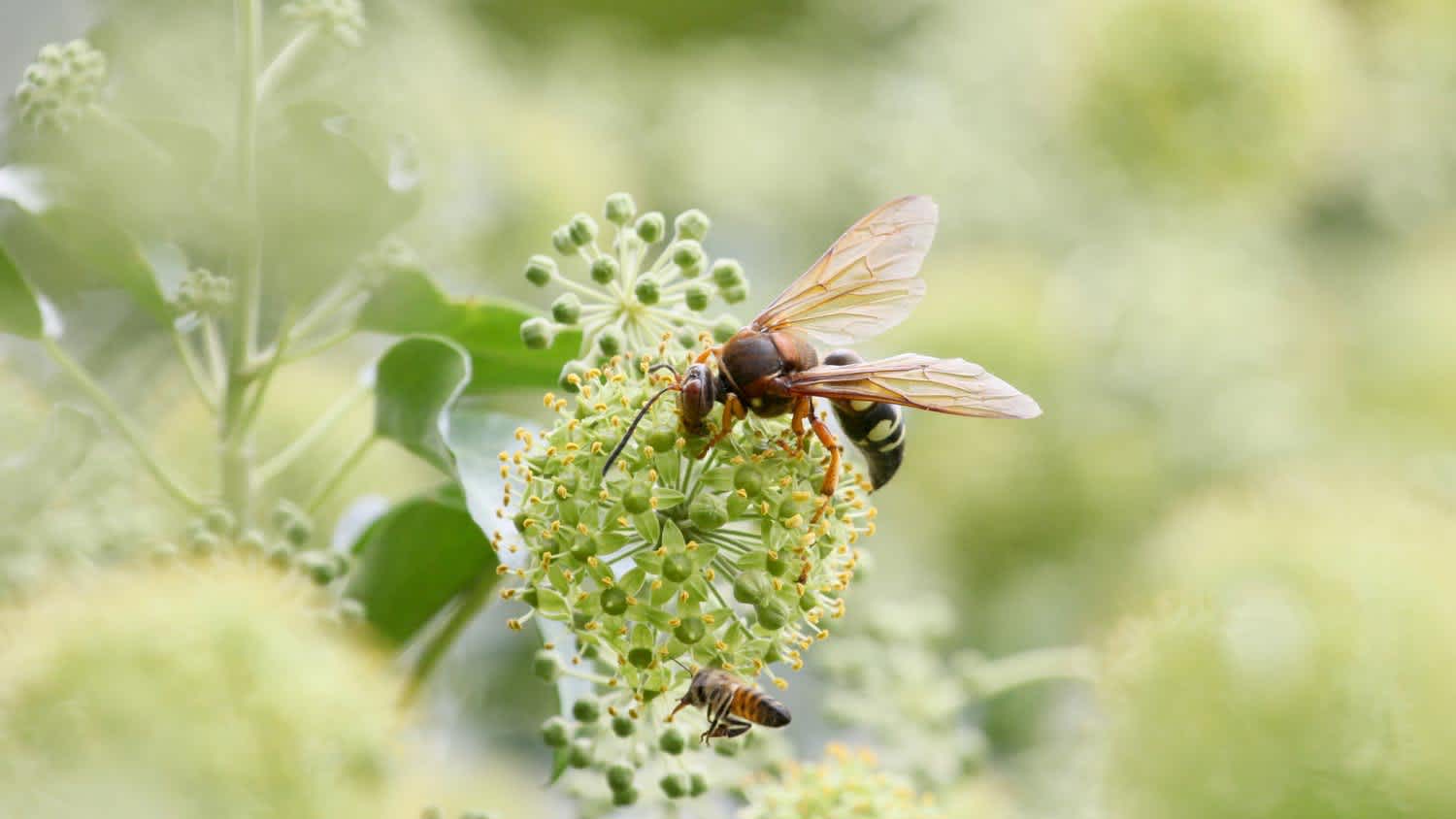
Wasps are considered scary pests. But how do you tell a dangerous wasp from a helpful one? Here’s how to identify common types of wasps.
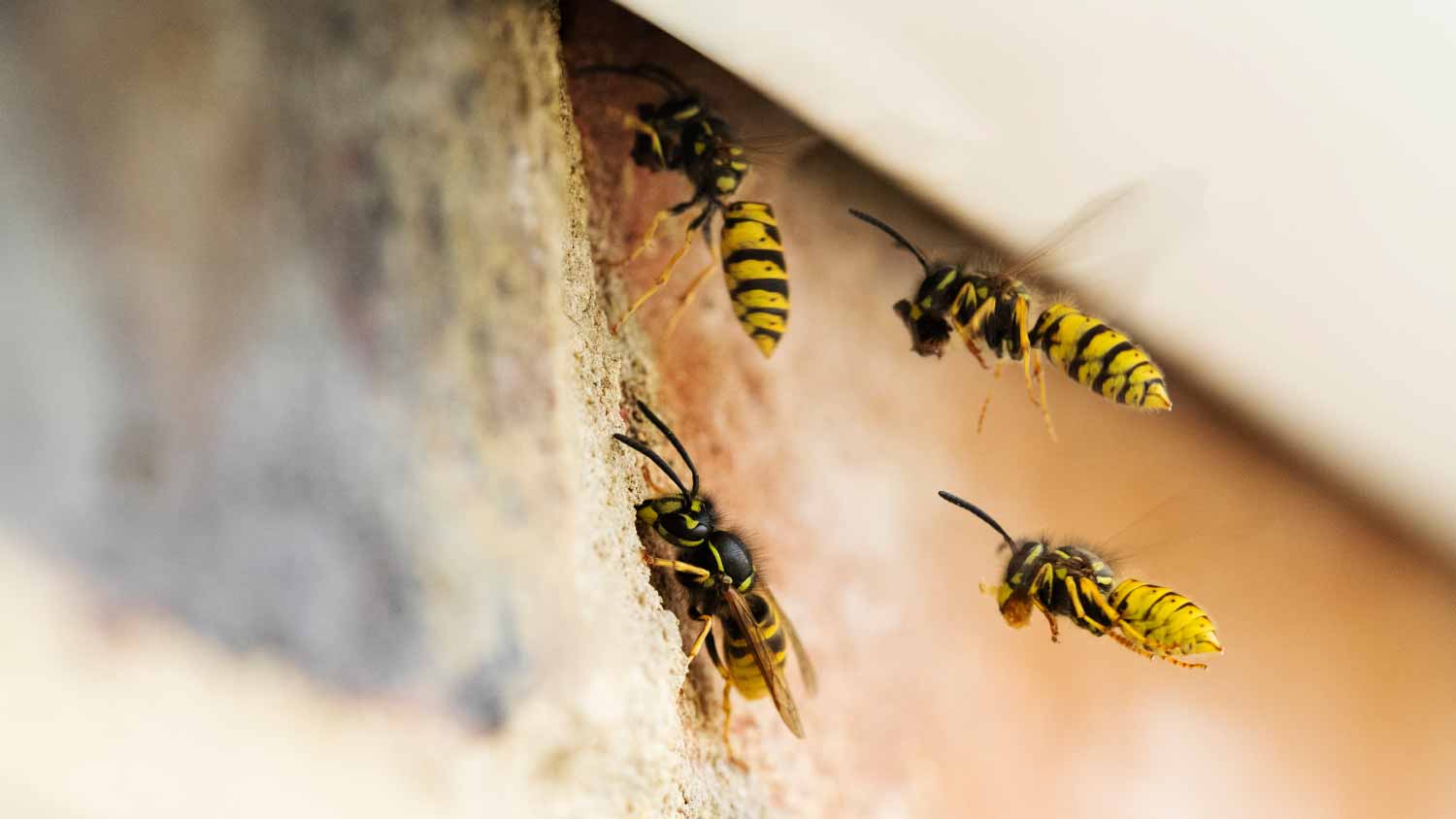
Wasps are often considered pests, but they have some benefits. So what are wasps, and how can they be beneficial? Learn all about wasps with this guide.
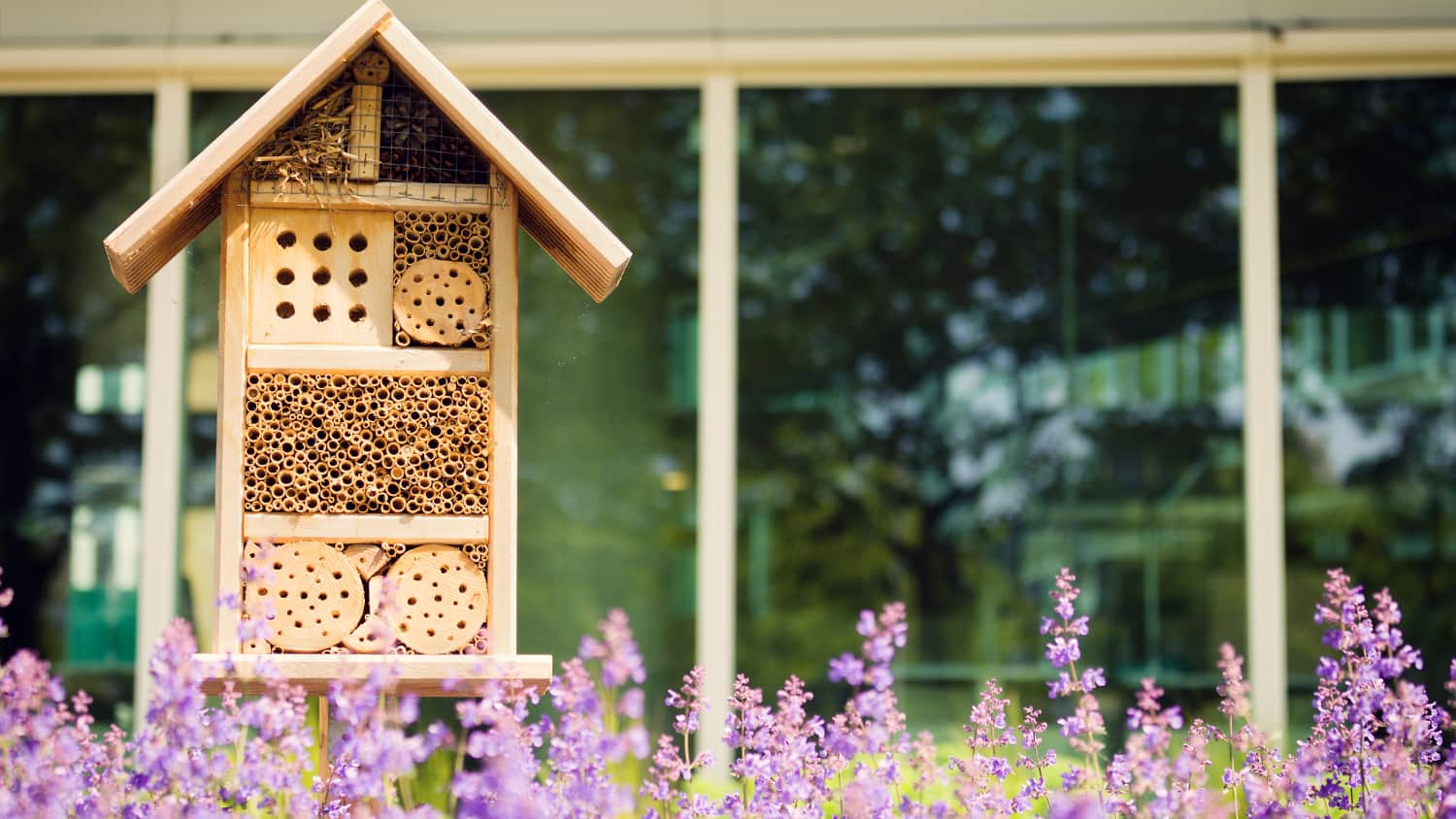
There are many species of bees, but this bee identification guide will help you spot the most common kinds of pollinators you’re likely to see in your garden.
What’s that stinging bug buzzing around your yard? Find out the many differences and several similarities between hornets vs. bees vs. wasps.
When it comes to carpenter bees versus bumblebees, only one can damage your wooden structures. Keep reading to find out the main differences.