

Discover how much you’ll pay for a glass cutting project, exploring key cost factors like the size, type of glass, and project intricacy.
Know four of the best ways to cut glass tile and the tools you’ll need

Cutting glass tile needs specialized tools like wet saws with diamond blades, manual tile cutters, or wheeled nippers to prevent your tiles from chipping or shattering.
Expect to pay $10 to $180 per square foot for professional installation and materials, with typical backsplash projects ranging from $600 to $1,300 depending on your space.
You should mark your cutting line on the tile back, use gentle pressure when feeding tiles into the saw, and wear protective gear to avoid sharp shards.
Hiring a local tile professional removes the guesswork from cutting and installation, helping you avoid costly mistakes with expensive glass tiles and ensuring clean, precise cuts.
Glass tile is unmistakably beautiful, providing an artistic quality to your home, and can make the room feel bigger and brighter with its reflective sheen. Glass tile is great for accenting a variety of places, from kitchens to bathrooms, and will work wonders for many of your shower tile ideas.
Glass comes in versatile colors, is easy to maintain and clean, can be stained, and is both water and heat-resistant, all of which give it a long life span. However, glass tile costs more than other tile materials and chips easily when cutting. Read on to learn how to cut glass tile and avoid ringing up expensive project costs.
Whether you're remodeling a part of your home or building a new house or an extension from scratch, there are many scenarios where you may need to cut tile. Perhaps you want to start a new tile installation project that requires cutting a few pieces, a tile piece could be damaged in some way, or you may just want to replace an old piece and have to cut the new one down to size.
Glass tile is one of the most difficult forms of tile to cut, because it chips easily and the edges can come out tagged. It is highly advisable that you hire a local tile contractor to cut and install glass tile.
If you do decide to install and cut it yourself, know that it will be a meticulous process. Before you start cutting, measure the area you want to install and know what your layout is going to be. Finally, be sure to be wearing gloves and goggles, as shards can fly and the edges can be sharp, especially when freshly cut.
There are four different methods you can use to cut glass tile, each varying in difficulty, precision, speed, and cost.

If you’re working with smaller tiles, one of the quickest methods is to use a pair of tile nippers. Tile nippers typically look like a pair of pliers with sharp tips at the end of the nose and are great for cutting various materials. You may want to use wheeled mosaic nippers for cutting glass tile. These glass tile nippers look like a regular pair with two cutting wheels at the end, which allow them to cut glass more effectively without chipping it.
This trickier and more imprecise method of tile cutting works best with smaller pieces of tile that won’t be seen easily. The price of tile nippers can range from $10 to $25 for a nicer pair.
For this method, along with your nippers, you’ll need:
Washable marker
Straightedge
Protective gloves and goggles
Cloth
Put on your protective gear before you start; pieces can fly, and glass is sharp, especially when freshly cut. First, mark where you want to cut with your washable marker. Use a straightedge to make a more precise line.
Align the nippers along the line that you want to cut. If you’re using wheeled nippers, have the wheels facing the opposite direction of the hand you're using. Then press down on the nipper handles to cut, and it will split in two. You can use the cloth to clean up the mark you drew.
The wet saw is one of the most widely used tools for tiling. It can cut through harder materials like glass by using water to lubricate the blade for a cleaner cut and to prevent the machine and material from overheating. It’s one of the easiest, most precise, and most versatile options. It's great for cutting most sizes of tile and works well for cutting bigger and costly floor tile.
For glass tile, be sure to use a diamond blade specifically made to cut glass. However, depending on the brand and power, it's also one of the most expensive options, ranging from $200 to $900 for the machine and additional equipment. Thus, it may be better to rent one, which costs around $50 to $100 per day.
For this method, aside from the machine itself and the blade, you’re also going to need:
Washable marker
Straightedge
Cloth
Protective gloves and goggles
Auditory protection
Apron
Water
Before you start, put on your protective equipment, especially your auditory protection as saws are very loud up close. Because a wet saw will splash water everywhere, set-up in a place where nothing you want to keep dry will get wet. You may also want to wear an apron. Follow the manufacturer’s instructions when setting-up and have the right blade ready to go. Fill up the tray with water to ensure decent water flow. Once it's all set up, let the saw run for 15 seconds to wet the blade.
Once the saw is ready, mark where you want to cut on your tile. You want to cut on the back of the tile with a wet saw to prevent chipping.
Start the saw and cut your tile along the marked line, feeding the tile into the blade along a tray. Keep the tile steady as you cut, and be as gentle as possible. Don’t try to force the tile into the blade.
After cutting, wipe the mark off the tile if the water didn’t already wash it off. Power down the wet saw when you're all done cutting.
For an exceptionally clean cut, you can change the setting of the blade so it only cuts half way deep through the tile. Then flip it over to the front and slowly cut the rest of the way through the tile. This method also eliminates chipping in the back, which can show otherwise.

Scoring is the most hands-on method of cutting glass tile and involves using a glass cutter to make a shallow cut into the tile and cleanly break it apart. This is the traditional method of tile cutting and is still widely used by some professionals today, especially for cutting smaller pieces of tile.
Glass cutters are usually pen-like knives with a cutting wheel at the end, also called a scoring wheel. The tile can break apart through various methods, including by hand, with a pair of grozing or running pliers, or even with a tile nipper. The main upside of this method is also the main downside: you are in complete control of every cut you make. This can make it incredibly difficult, but it gives you more control over how you want it cut.
The price can range from $10 to $25 for a glass cutter, but it costs about $10 to $25 more if you want a pair of pliers or nippers with it.
For this method, aside from the glass cutter, you may need:
Washable marker
Straightedge
Cloth
Protective gloves and goggles
Grozing or running pliers, or glass nippers (if you don’t want to use your hands)
Again, it’s crucial to wear your protective gear. Then mark where you want to cut before you start. Then press your glass cutter down and score along the line. Use your straightedge again for a more precise cut.
Use your tool of choice to break the tile apart. With your hands, hold each end with your thumbs on top and pull down to break it. With pliers, hold one end of the tile and pull down the other end with your pliers until it breaks. With nippers, cut along the scoring line (like in the first method). You can use the cloth to clean up the ink.
A manual tile cutter, or bar cutter, is one of the most efficient tools for tile cutting, allowing for a precise cut without needing a large, cumbersome tool. Bar cutters have a scoring wheel that moves back and forth along a set of bars to score through a tile. Some bar cutters have parts to press down to break apart the scored tile. But even if your cutter doesn’t have those parts, it is still an easier way to score it.
Manual tile cutters are one of the best tools to use as a glass tile cutter and are one of the most beginner-friendly methods. It’s best used for medium- to small-sized tiles for smaller jobs but can be difficult to use with large or really small pieces. The cost of a manual tile cutter can range from $25 to $100, depending on size.
Aside from the bar cutter itself, there are some other things you could need:
Washable marker
Straightedge
Washcloths
Protective gloves and goggles
Before you start, be sure to wear your protective gear and mark where you want to cut. Then align the scoring wheel along the line marked on the tile. Press down on the lever and gently guide along while you score through the tile.
After scoring the tile, if your cutter has the parts needed to split the tile, press down on the lever close to the center of the tile to snap it apart. If your cutter doesn’t have the parts, use your choice of tools to break the tile apart, whether that’s pliers, nippers, or your hands, as discussed previously. You can use the cloth to clean up the ink.
If your cuts aren’t as clean as you’d like them to be, there’s always the option of using a rubbing stone. A rubbing stone is a block made to sand down edges on cut materials and is often used to smooth out jagged edges on tile.
They’re relatively inexpensive, costing around $10 to $15, and can last around 10 to 20 years. Though they aren’t always necessary if your tile piece is out of sight, like behind an outlet, or if your grout hides your imperfections (especially if you keep your grout clean).
Do not remove the mesh on the back if you’re working with mosaic glass tile. With that kind of glass tile, they’re linked together into sheets so that you can install large portions of it at once. Unless you’re cutting the tile along with it, you can use a utility knife to cut through the mesh. The mesh can also signify the size of the grout gaps for the tile.
Don’t forget to keep measurements in mind. Gaps between tile pieces are usually around 1/16 to 1/8 of an inch. That may not seem like a lot, but it can drastically affect your installation by inches. Additionally, if you miscut a piece of tile, you may be able to salvage it by using it for a smaller piece in another spot in your installation. Finally, use white thin-set mortar behind your glass tiles; otherwise, the color behind the tile can show through.
Glass tiles cost around $5 to $25 per square foot. Doing it yourself may only cost you an additional $15 to $120 for the equipment and setting material. However, glass tile is also the most difficult to install, and it may cost more to repair or reinstall in the long run.
If you choose to find a local tile contractor, the cost of labor can range from around $10 to $180 per square foot for installation and materials. Most professionals will cut tile as part of the installation, though some stores may not offer it.
Roughly, the price to install a backsplash is $600 to $1,300. Installing in the shower usually costs $900 for the floor and around $2,000 for the entire shower. While it is more expensive to hire a tile pro, a contractor can get the project done faster, and you can have the peace of mind that your new tile floor or backsplash looks spectacular.
Terrible experience. Walls/trim/floors/cabinets/doors all have drip marks, overspray, etc. Tiling at the fireplace had to be redone by another vendor due to incorrect and shoddy install by Profect. Contractor had his children in our house while he was on site without prior authorization or...
 Profect painting & exteriors
It was wonderful working with Yordy and his team. They were very professional and are experts in what they do. They have completed the work on time, with better quality and with in fairly reasonable price. We just started with backsplash work , but liking his work, we went on to provide...
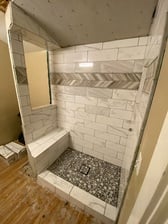 Flooring Solutions
We were having 2”x 2” tile installed . There was a small installation error and the new additional replacement tile was from a different lot and the colors didn’t match. Joe assured us that he would rectify everything , which he did without hesitation. We decided to go with the 18” x 36” tile...
 CarifaTile
For several months I was looking for somebody to tile a wall in my master bath and move lighting fixtures, and could not find anybody who was responsive. I contacted Rowe through Home Advisor and within days they came by to assess the job and provide an estimate. The cost was very...
 Rowe House Development
It went very well! The end product was amazing and we keep getting a lot of compliments from friends! M&E were very professional and they made sure we were happy with the product before leaving. They met with us in our home and at the tile shop to make sure we were okay with our tile and...
 M&E Remodeling
Involved an extensive bathroom remodel, including removing tub & installing walk in shower, new drywall, custome tile work to ceiling, plumbing, etc. Overall, job was done on time and on budget. Nick & his team were very professional and had high attention to detail. Quality was great. Highly...
 Stamos Flooring and Remodeling LLC
Very pleased with the service and level of professionalism. Courteous and very unobtrusive in performing service. Unlike several other companies, Bradford Xteriors was willing to perform work on a three story home with a clay tile roof. <br />
 Bradford Xteriors
This company did a very good job on the brick wall and it looks just amazing. The staff was always professional and was practically OCD on how the bricks were stacked and how they were laid. Although it took longer than expected, I am willing to sacrifice time over perfection anyday. The...
 My Handy Mate LLC Improvement & Remodeling
He did the tile work and he was good at it. He used other subcontractors for the rest of the work (like putting in the cabinetry) and they were okay but not great. He was a great guy! He was easy to work with and had a good eye for the detail of his work. There were a couple of things that I...
 Brian Miller Custom Remodeling
I was very impressed with Miller Cantrell! I live in an old home in which the sewage line that runs from my home to the sewage system is a line of clay tile. These eventually collapse and need to be replaced - an expensive problem and sure to happen at the worst time. I told them that my...
From average costs to expert advice, get all the answers you need to get your job done.
Discover how much you’ll pay for a glass cutting project, exploring key cost factors like the size, type of glass, and project intricacy.
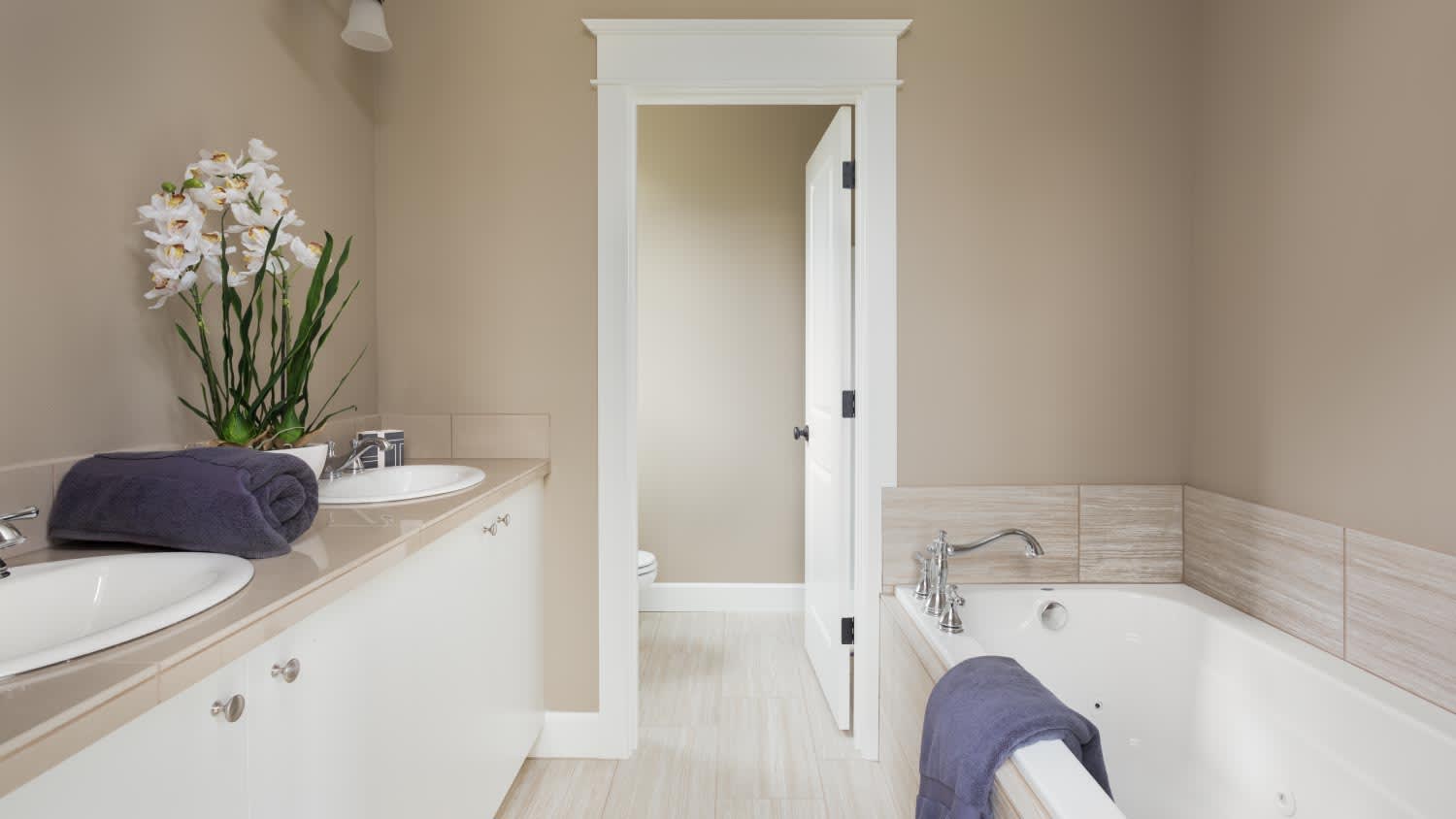
The cost to install porcelain tile depends on materials, size, and whether you DIY or hire a pro. This guide will help you choose the perfect porcelain tile for your home and budget.

Discover the average cost to reglaze tile, what impacts pricing, and how to save. Get expert tips to plan your tile reglazing project with confidence.
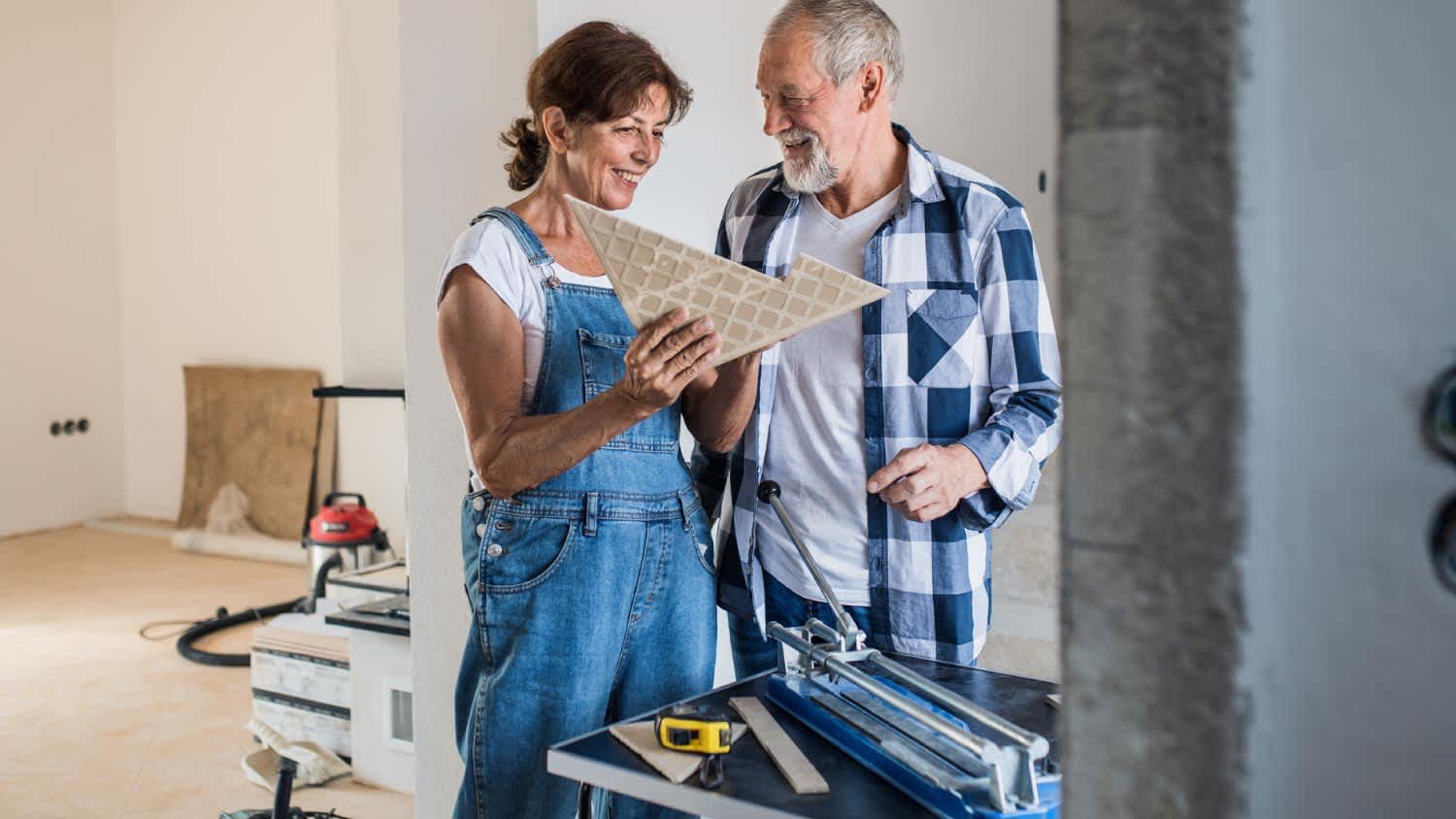
Need to install a backsplash or repair that shower surround? Use this guide on how to cut tile using affordable tools that are easy to use.
With the right tools and a few tips, cutting tile on your own is a relatively simple and cost-effective DIY home project that anyone can do.
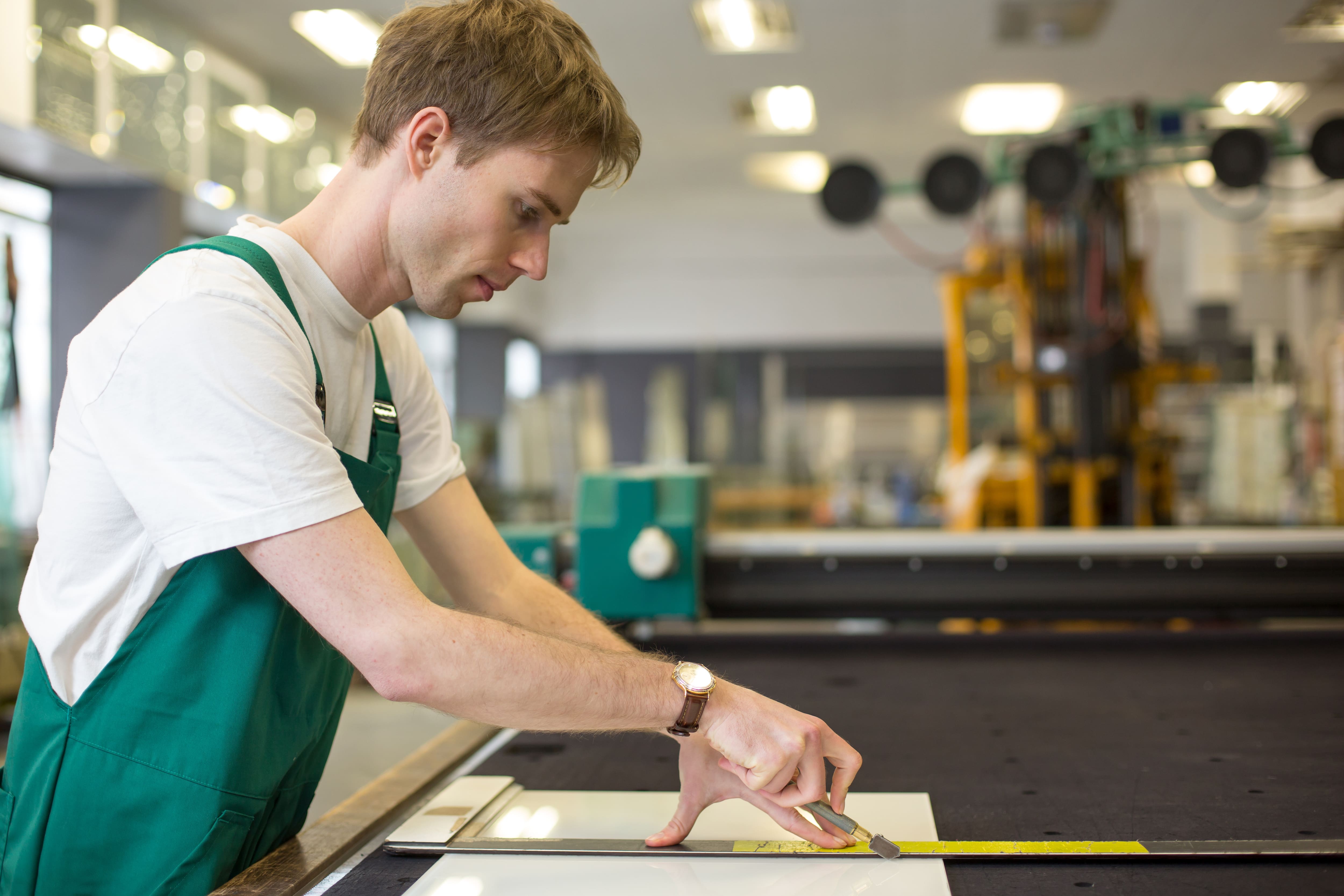
Do you want to learn how to easily and safely cut glass at home? This quick and informative tutorial will make cutting glass for all your DIY projects a snap.