
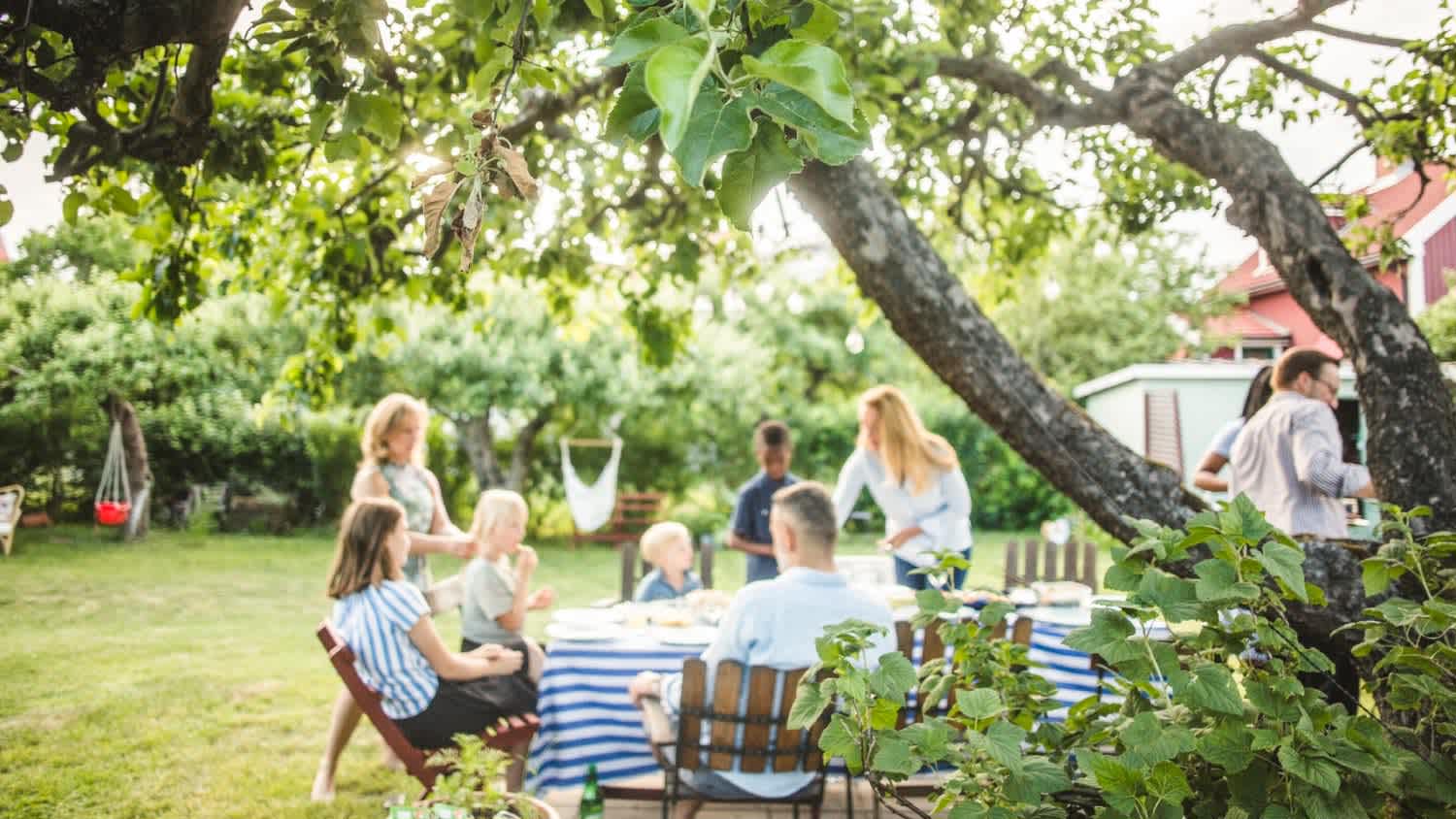
Have a shady backyard but still want lush grass? Learn how to choose the best grass seed for shady areas and care for it like a pro.
Your lawn will have it made in the shade


The best sod for shaded areas depends on your region and climate, with cool-season grasses like fescue and ryegrass thriving in northern zones.
St. Augustine grass stands out as the most shade-tolerant warm-season grass, requiring only four hours of direct sunlight daily for your southern lawn.
You should limit fertilizer in shady areas and keep your grass at least 3 inches tall after mowing to maximize sunlight absorption.
Hiring a local tree service professional provides expert tree trimming and pruning to open up your canopy, giving your shaded grass the sunlight it needs.
If you’re planning to transform your yard into a green paradise, but you have concerns about your yard’s low-light conditions, knowing the best grass that grows in shade can make all the difference. Though most grass prefers sunnier spots, several varieties can thrive in the shade—as long as they receive at least two or three hours of direct sun or four to six hours of partial or dappled sun each day.
For ideas on the best grass types for your yard, here are the top eight grass varieties that grow in shade to help you feel a little less green on which grass to choose.
Where you live impacts the best type of grass for your shady lawn. Check your plant hardiness zone to discover if you live in a cool-season or warm-season region. If you live in the northern part of the country—or in zones 1 through 8—you’ll need a grass variation that can tolerate freezing winters and warm summers.
Here are the most common cool-season grasses for northern U.S. climate zones.
Deep-rooted, fescue grass is an all-star at tolerating heat, cold, and drought. Generally, fescue can thrive with as few as four hours of dappled sun. Keep in mind, this type of grass may need frequent mowing, can go dormant in summer droughts, and isn’t the best for rescuing a thin, patchy lawn.
There are several varieties of fescue grass, including:
Tall fescue: Finer grass texture that is drought-resistant, easy to maintain, shade-loving, and fit for transitional zones
Chewings fescue: A type of fine fescue that is drought-resistant, spreads easily, and tolerates sandy and rocky soil in the northern parts of the U.S
Hard fescue: Grows in infertile soils and cold climates but has a tough texture and must be left taller to thrive
Creeping red fescue: A fine fescue that grows in the most infertile soils and helps cover unsightly, barren patches of the lawn but is best mixed with other varieties
Try to find fescue seed inoculated with the beneficial fungi endophytes, which helps grass stand up to pests and other environmental stressors.
For deeply-shaded areas that are sorely in need of a quick pick-me-up, perennial ryegrass may save the day. Ryegrass grows fast—it’s the fastest grass seed to germinate—and it tolerates heavy foot traffic, and cold, rainy climates. Just know that you’ll need to over-seed annually. Though this grass variety loves shade, you should still ensure it gets four hours of full sun daily.
A few popular ryegrass varieties include:
Perennial ryegrass: A long-term variety for northern regions that does best in cool winter climates with moderate summers
Annual ryegrass: Often mixed with other grass types to add color to lawns in cooler seasons
Hybrid ryegrass: Best of both worlds, with a high yield, better drought tolerance, and persistence
If you live in hardiness zone 2 through 7, bluegrass may be calling your name—and we don’t mean the music. Bluegrass is a cool-season grass that thrives in cold, wet, and densely shaded areas. This grass type won’t do well in dry, arid climates, so factor this in as you decide on which grass is right for you.
Bluegrasses come in two varieties that do well with shade, including:
Supina bluegrass: A shade-loving grass with a high tolerance for traffic that needs cool, moist, and shady conditions
Rough bluegrass: Best for shady lawns in wet and cool climates in southern states
Avoid using Kentucky bluegrass in shaded areas, as it requires full sun and will not thrive in shade. However, if you have a dry shaded area and still want to use bluegrass, you may be able to use a mixture of 60% fine fescue and 40% Kentucky bluegrass.
Southern climates with hot summers and mild winters usually need different grass varieties than northern climates. If you live in the South—from parts of southern California all the way to parts of South Carolina—or you experience growing season temperatures between 80 to 95 degrees Fahrenheit, pick from these varieties.
As the most shade-tolerant grass out of all warm-season grasses, St. Augustine grass is a medium-toned cultivar that’s ideal for lawns rather than high-traffic areas. This weed-resistant grass requires as few as four hours of direct sun daily. The best St. Augustine grass varieties for shaded yards include:
Bitter Blue: Shade- and cold-tolerating variety with a dark hue and fine texture
Sapphire: A variety with excellent shade and drought tolerance
Palmetto: One of the most popular varieties that thrives in shade and sunlight
Seville: Very packed, dense blades with a great texture and high shade tolerance
If you’re looking for low-maintenance grass that can tolerate some shade, Centipede grass may be the right grass type for your lawn. This coarse light-green grass mostly prefers full sunlight. But the Tennessee Hardy and Oaklawn varieties can thrive with just four to six hours of sunlight per day.
Though not as shade-tolerant as St. Augustine grass, Zoysia grass is runner-up on the list of shade-tolerant grasses. Some varieties of this dark-green grass thrive in light shade, while others can handle medium shade. Since it can absorb water readily and handle drought, heat, and partial shade, Zoysia grass is very popular.
The most shade-tolerant Zoysia grass is the Zeon Zoysia grass, which needs just four hours of sunlight daily.
One of the toughest warm-season grasses for shade is carpetgrass. This light-green grass may not be the most aesthetic, but it’s certainly a hardy grass type that grows in infertile soil and mild shade. Just make sure your area gets at least 30 inches of rainfall per year, as this grass is not drought-tolerant.
Go for the Broadleaf variety, which features wider blades and flourishes in the shade.
If you live in a drought-prone area and have light shade, Kikuyu grass could be the ideal grass species for your lawn. While this grass type resembles St. Augustine at a quick glance, don’t let its appearance fool you. Kikuyu grass features a coarse texture and high drought resistance. However, it will only thrive in lightly-shaded areas and has a poor tolerance for cold temperatures or damp areas.
Located between the cool-season and the warm-season zones lies the transition zone. States that may need a transition-zone grass variation include the middle of the U.S. going from the east coast all the way to the west coast. You may live in zones 6 or 7 if you live in a transitional zone, which includes parts of North Carolina across to California but excludes the Pacific Northwest.
If you live in this region, you’ll need certain types of cool-season or warm-season grasses to have that pristine yard. Some of the best transitional grasses for shade are the following:
Fine fescue
Tall fescue
Perennial ryegrass
Zoysiagrass
Even a shade-tolerant grass can struggle to grow in the shade, but with a few tricks up your sleeve, you can still sport a green thumb with that picturesque lawn. Here are seven tips for growing grass in the shade:
Not all types of grass will do well where you live—even if you live in the right hardiness zone for that grass variety. Factors like your soil type, rainfall, drainage, and amount of shade can affect which grass cultivar to choose.
Sometimes, simply thinning out and maintaining your trees can add just enough sunlight to your lawn to give grass a fighting chance. Tree pruning is essential to having healthy trees. Depending on your trees’ ages, you should invest in local tree trimming services every two to five years.
As you’re perusing your grass options, you’ll likely see soil requirements on the instructions or grass cultivar description. While some grass types aren’t fussy about soil, it’s a good idea to test your soil to ensure it has the right pH for that type of grass.
Generally speaking, you should limit fertilizer in shady areas because these areas don’t require as much nitrogen as full sun areas. Check your grass variety to know how often and when you should fertilize your lawn.
Aeration is especially important for a shady lawn, which doesn’t receive as much sunlight for water evaporation. You’ll want to aerate your lawn before you seed it to increase circulation and give your grass a chance to spread its roots.
When overseeding or reseeding a lawn, be sure to evenly distribute grass seeds across your yard, aiming for roughly seven to 10 seeds for every square inch of ground. Consider lightly raking compost over the seed to encourage growth.
Lightly water your lawn twice daily until your grass germinates, then reduce the watering schedule to once daily after the first one or two weeks. How often you water grass in the shade depends on the grass type, soil drainage, and yard layout.
Once your grass germinates, keep an eye on it for growth. A good rule of thumb is to mow your grass once it’s 4 inches tall. Keep grass at least 3 inches tall after mowing to allow it to absorb as much sunlight as possible in its limited environment. You can hire a local lawn care service to help you stay on a regular mowing schedule.
Dina Cheney contributed to this piece.
D1 Roofing delivers outstanding service from beginning to end, backed by a strong warranty and expert teams. I highly recommend them for their excellence in meeting and surpassing expectations with unmatched communication. Choosing D1 Roofing was flawless decision
 Division 1 Roofing LLC
We had our houses windows and back door replace this summer by Window Depot USA of Central. He gave us grate advise and saved my family lots money. The team did a fantastic job with installation. If you need help, they sure get job done right!
 Window Depot USA of Central Ohio
Wonderful. I am going to have them remove and replace my driveway in the spring.
 All Star Paving and Sealing
We were having 2”x 2” tile installed . There was a small installation error and the new additional replacement tile was from a different lot and the colors didn’t match. Joe assured us that he would rectify everything , which he did without hesitation. We decided to go with the 18” x 36” tile...
 CarifaTile
We had a 20+ year old landscape lighting system that needed replacement. Midwest Lightscapes worked with us to design a much improved lighting system, lighting the exterior of the house and the back yard. Installation of the 45 light system took one and one-half days, and went very smoothly....
 Midwest Lightscapes
Did an amazing job transforming my yard. Also installed sod in places, would recommend to everyone.
 Cardinal Landscaping & Construction LLC
They show up and they did take us on as a client which seems to be a problem with other lawn care providers. We have multiple properties and this one was located close to downtown and no one really wants to mess with it.
The worker came out when he was supposed to come. He informed me he would honor the Angie's List deal, but would not do any more work for me since my son in law owns lawn care company as well, even though they do not do the same type of work. He said he did not feel comfortable giving me...
 Bello Giardino LLC
E & L Lawn Care was super. They were very responsive before and after service. They were efficient and were able to complete the job within 1 day. I have had concern about one section of sod - the owner was pro-active and did a visit to evaluate. I have no doubt they will stand behind...
 E&L lawn care
From average costs to expert advice, get all the answers you need to get your job done.
Have a shady backyard but still want lush grass? Learn how to choose the best grass seed for shady areas and care for it like a pro.
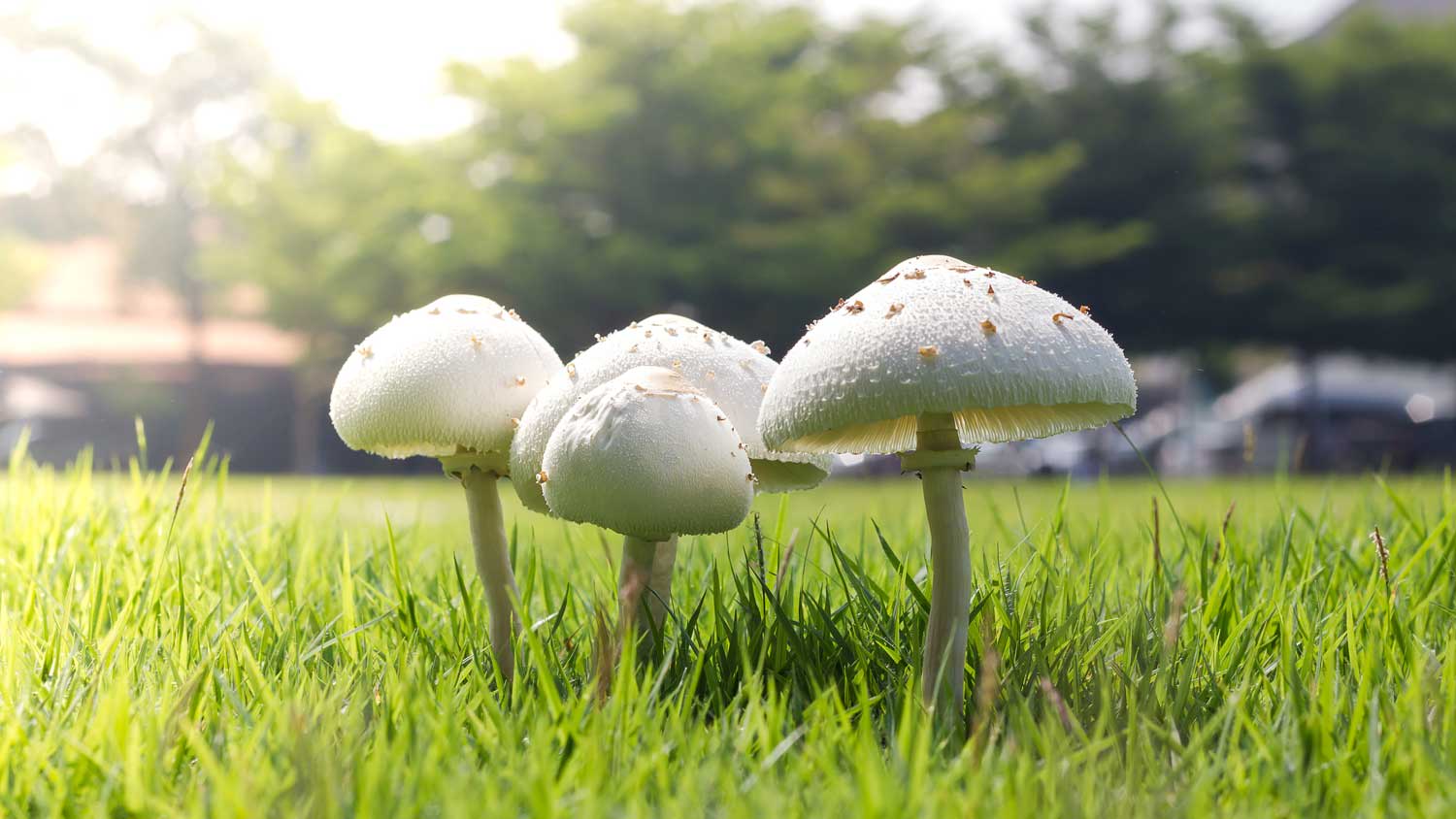
Mushrooms will grow anywhere there is enough moisture and nutrients in the soil. Here’s everything you need to know about why mushrooms grow in your grass.
Is it possible to grow grass underneath pine trees? Maybe, but you might be better off pursuing other options. Learn more in this guide.

How long grass grows depends on the type. Most turfgrass doesn’t grow shockingly tall—but it’s not a good idea to let it run wild. Here’s what you should know.
Did you know that grass has two annual dormancy periods? When does grass stop growing and how and when should you shake up your weekly mowing schedule?
Learn about and compare two excellent warm-season types of grass, Bermuda grass and St. Augustine grass, to decide which is best for your lawn.