

•
Discover average lawn aeration cost, key price factors, and tips to save. Get a clear estimate for your yard and learn how to choose between DIY and hiring a pro.
Aeration can be a much-needed breath of fresh air to a stressed-out lawn

Lawn aeration benefits your yard by loosening compacted soil, letting air, water, and nutrients reach grass roots for healthier growth and resilience.
Expect to pay $40 to $90 per day to rent an aeration machine or $30 to $80 for aerator shoes and handheld tools.
Aerate your lawn during peak growing season—early spring or fall for cool-season grass, late spring for warm-season varieties—to maximize recovery and growth.
Hiring a local lawn care professional keeps your aeration schedule on track and ensures proper technique for compacted soil and thatch buildup.
If you’re a homeowner who aspires to have the nicest lawn on the block, then you probably know that mowing and watering with the occasional seeding and fertilizer alone won’t cut it. You’ll need the additional benefits of aerating the lawn for it to reach its full potential. Read on to learn more about this essential part of your yard maintenance routine.
If you have dead patches in your yard, you may need to aerate those sections again to penetrate deeper. But never aerate your lawn more than two times.

It doesn't take much to throw off the delicate balance of your lawn. Your soil can become incredibly dense after a long season of heavy rains, periods of drought, foot traffic, and countless passes with the lawnmower.
Compacted soil discourages the proper flow of everything your grass needs to grow big and strong: water, air, and nutrients. When these elements get thrown off, you end up with common lawn issues like disease, weeds, pests, pooling water, and, in time, dead grass.
Lawn aeration is the process of piercing through the top layer of soil or removing plugs of turf to expose roots and soil to the elements. Power and push aerators either send spikes into the earth or lift grass, thatch, and soil plugs out of the ground. You can even pop on aeration shoes equipped with specialized spikes for smaller yards and stomp around to aerate it.
Do you feel better when you get fresh air after a stressful day? Your grass definitely does. When you aerate your lawn, you relieve the compacted soil beneath it. A lawn that can literally breathe better can also take in more water, nutrients, and even sunlight to its root system.
Let’s dig in more deeply to the benefits of aeration for your lawn.
Sure, digging out small pieces of your lawn may not seem like the healthiest choice, but the process can improve soil health and give your lawn a fresh start. But how exactly does aeration pull this off? Let's look at the top seven benefits of aerating your lawn.
Thatch is a naturally occurring layer of organic material that acts as a threshold between your grass and the soil. This layer includes a dense combination of dead grass, stems, sticks, and leaves. While microorganisms in your soil gobble up as much thatch as possible, too much buildup can close off the soil below to water, air, and nutrients.
If thatch grows higher than three-quarters of an inch, you may need to dethatch your lawn—a more extreme yet similar process to aeration.
Aeration can break up the early layer of thatch to ensure that it never overgrows large enough to require a major dethatching.
Compacted soil is the most common reason to aerate your lawn. Frequent lawn traffic, heavy decor or equipment, and even extreme weather like drought, rain, and snow, can lead to soil compaction.
On the most basic level, aeration allows the topsoil to mix with the nutrient-rich subsoil. An even balance of nutrients encourages roots to dig deeper and build up resilience.
In addition to the sun, air, water, and organic material, your turf gains nutrients from the layer of fertilizer you apply once or twice a year. You also likely apply weed control and pesticides to discourage invasive grasses or infestations.
None of these materials will reach the roots of your grass if the soil is too compacted to receive it. Aeration opens a channel to the grass roots for each treatment.
Proper lawn drainage is a huge piece of the puzzle to keep your yard happy. If water doesn't absorb into the ground, it can pool on the surface, encourage lawn disease, and attract pests. Surface water can even cause runoff, bringing your soil and grass with it. If you walk on your lawn after rainfall and sink into stagnant, sponge-like puddles, aeration can help break up the soil enough to receive the water deep into its roots.
It should come as no surprise that aeration welcomes in air as well—it's right in the name. Roots and the blades of grass above the soil rotate both oxygen and carbon dioxide. Without this exchange, you end up with thin, yellowing grass that eventually dies out. Aeration, in a sense, lets the grass breathe.
Greater access to the soil also encourages roots to reach deeper into the earth. The lower they go, the more they encounter nutrients and water, meaning you can water and fertilize them less frequently. And of course, less irrigation is better for both the planet and your wallet.
When the newly extended grass roots access more water and nutrients, they become naturally more resilient against drought, rain, and freezing temperatures in the dormancy period. Grass with deeper roots also stands strong against runoff, high winds, and even compaction from traffic. And as the grass thickens and grows, there is less room for weeds to take their place.
Now that you know the benefits of aerating your lawn, you’re likely wondering how to get started. After assessing your lawn and determining its soil and blade health, you can consider the best way to aerate your lawn. The ideal time of year to aerate is typically fall, but you should consult a lawn care professional to determine the best timing for your lawn.
There are several methods, including the following:
Spike aerators: You can spike holes in your lawn using a manual stamping device or push/pull-behind machine that works like a manual lawn mower.
Core aerators: A core aerator uses hollowed-out spikes to remove soil sections quickly. You can use a manual core aerator or a motorized core aerator.
Liquid aerators: This option uses liquid solutions that you spray onto your lawn to break down thatch areas. However, liquid aerating doesn’t work as deeply and effectively as other methods.
Manual aerating: If you only need to aerate a small area of your lawn, consider manual methods like pitchforks or aerator shoes. These options work quickly and prevent you from spending more on renting aerating equipment.

We don't blame you if you're now an official superfan of aeration. But like all lawn care processes, it's important to do it correctly to access these benefits.
Here are some tips to know when and how to aerate properly in order to reap the benefits:
Aerate your lawn once every two to three years, depending on the health of your turf.
Wait for the high-growth season to aerate—this means early spring or fall for cool-season grasses or late spring and early summer for warm-season grasses.
Water your lawn the day before aerating or wait for a light rain. The lawn should be moist by not soaking.
Be sure to mark your sprinkler heads before using an aeration machine or shoes.
If you choose core aeration, let the plugs decompose naturally on your lawn.
Depending on the size of your yard, aeration is either a doable DIY project or an easy job for your professional landscaper. A great landscaper should be able to analyze your lawn and determine if aeration is necessary at that time.
Professional aeration typically costs between $0.10 and $0.35 per square foot or a flat fee, depending on the size of your lawn. For example, a 10,000-square-foot patch of land will cost about $130 to aerate.
If you have a small lawn or a lawn with just a few problem areas, you can aerate it yourself by either renting an aeration machine for $40 to $90 a day—and typically a $150 deposit—or with handheld aeration tools. Shoe attachments and handheld aerators cost anywhere from $30 to $80 on average.
Above all, the benefits of aeration should be enough to get the process on your annual lawn checklist. And if you're working with a year-round local lawn care team, speak with them about how and when to incorporate this into your regimen.
Ginny Bartolone contributed to this article.
D1 Roofing delivers outstanding service from beginning to end, backed by a strong warranty and expert teams. I highly recommend them for their excellence in meeting and surpassing expectations with unmatched communication. Choosing D1 Roofing was flawless decision
 Division 1 Roofing LLC
We had our houses windows and back door replace this summer by Window Depot USA of Central. He gave us grate advise and saved my family lots money. The team did a fantastic job with installation. If you need help, they sure get job done right!
 Window Depot USA of Central Ohio
Wonderful. I am going to have them remove and replace my driveway in the spring.
 All Star Paving and Sealing
We were having 2”x 2” tile installed . There was a small installation error and the new additional replacement tile was from a different lot and the colors didn’t match. Joe assured us that he would rectify everything , which he did without hesitation. We decided to go with the 18” x 36” tile...
 CarifaTile
We had a 20+ year old landscape lighting system that needed replacement. Midwest Lightscapes worked with us to design a much improved lighting system, lighting the exterior of the house and the back yard. Installation of the 45 light system took one and one-half days, and went very smoothly....
 Midwest Lightscapes
Did an amazing job transforming my yard. Also installed sod in places, would recommend to everyone.
 Cardinal Landscaping & Construction LLC
They show up and they did take us on as a client which seems to be a problem with other lawn care providers. We have multiple properties and this one was located close to downtown and no one really wants to mess with it.
The worker came out when he was supposed to come. He informed me he would honor the Angie's List deal, but would not do any more work for me since my son in law owns lawn care company as well, even though they do not do the same type of work. He said he did not feel comfortable giving me...
 Bello Giardino LLC
E & L Lawn Care was super. They were very responsive before and after service. They were efficient and were able to complete the job within 1 day. I have had concern about one section of sod - the owner was pro-active and did a visit to evaluate. I have no doubt they will stand behind...
 E&L lawn care
From average costs to expert advice, get all the answers you need to get your job done.
Discover average lawn aeration cost, key price factors, and tips to save. Get a clear estimate for your yard and learn how to choose between DIY and hiring a pro.

You’ve heard of lawn aeration, but you’ve probably wondered, “Do I need to aerate my lawn?” Learn the benefits and best time to aerate with this guide.
Maintenance and aftercare are crucial for maximizing the benefits of lawn aeration. Find out what to do after aerating a lawn for long-lasting results.
Planning for lawn aeration this season? Learn about soil compaction, costs to expect, and how to hire the right local lawn care pro to revive your grass.
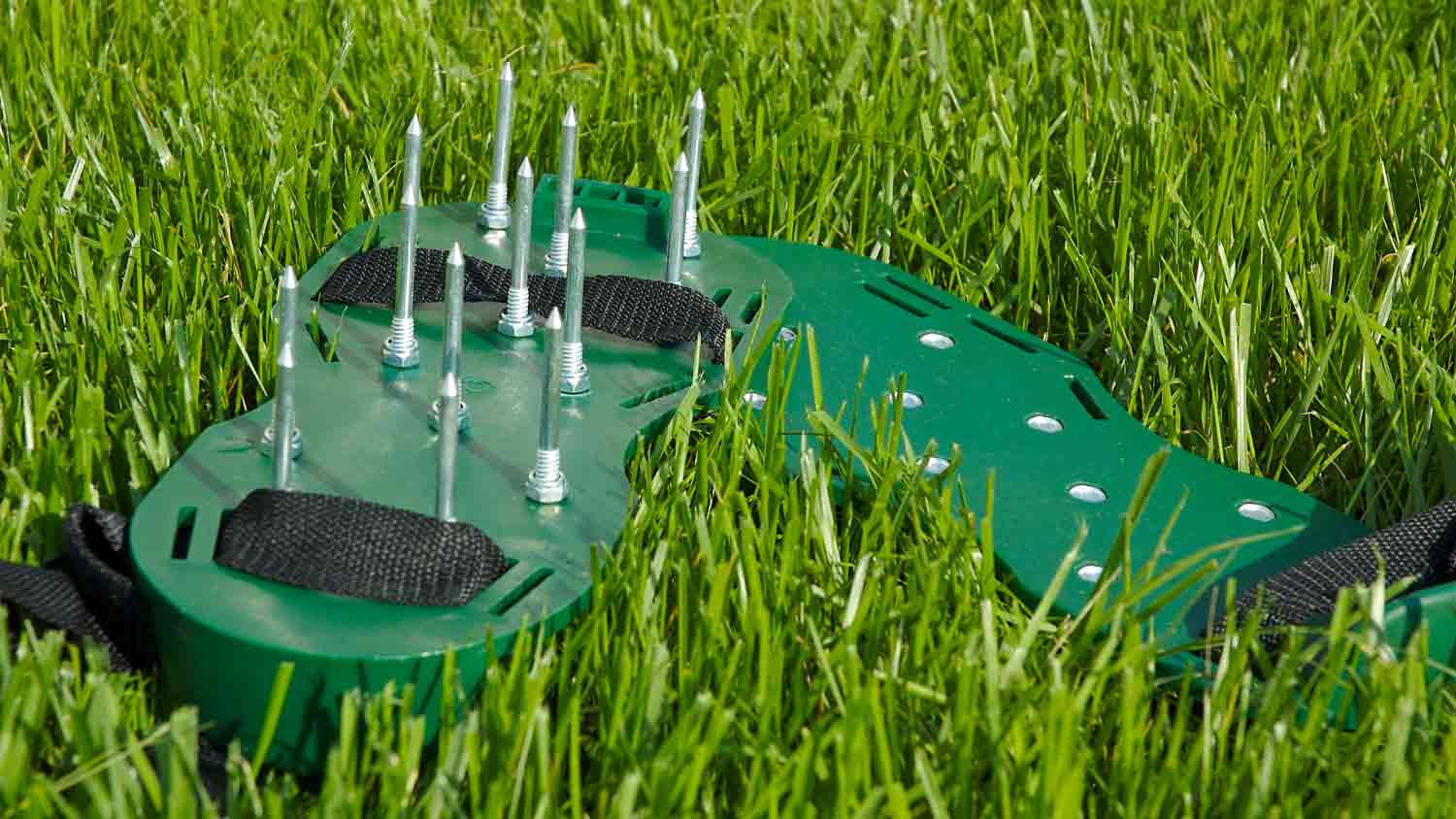
If your lawn needs aeration, you may be wondering, “Do aerator shoes work?” We discuss whether these handy lawn tools help or hurt your yard.