

The best carpet for high-traffic areas, like hallways and staircases, will be able to stand up to wear and tear and look good while doing it. Find out which carpet fibers and styles are equipped to handle such a demanding job.
Carpetgrass provides function over beauty

Carpet grass thrives in acidic, low-nutrient soils where other grasses fail, making it your go-to option for challenging lawn areas.
Expect to pay $10 per pound for bulk broadleaf carpetgrass seed or $15 to $25 per pound for smaller quantities at garden centers.
You'll need to mow your lawn every five to ten days to prevent the fast-growing seed stalks from creating a weedy appearance.
Hiring a local lawn seeding professional takes the guesswork out of establishing carpetgrass, from soil preparation to proper watering schedules for healthy growth.
Whoever said that the grass is always greener on the other side obviously did not have much experience with carpetgrass. What is carpetgrass, exactly? You may not have ever heard of it, but chances are, you’ve seen it. And if you’re looking for a hardy turf grass, especially one that helps prevent soil erosion, then carpetgrass is a great option. Keep reading to learn all about carpetgrass and whether it’s the right grass for you.
Carpetgrass is a species of warm-season grass native to the Gulf Coast of the southern U.S. It’s a hardy variety that often survives where other species fail. For that reason, you’ll often find it planted in shady or relatively infertile areas.
Because carpetgrass is a warm-season grass originating from the hot, humid climate of the Gulf, it doesn’t typically respond well to cool temperatures. That means it’s usually among the last species of grass to green up in the spring and among the first to turn brown in late summer and fall.
| Carpetgrass Facts | Description |
|---|---|
| Botanical name | Axonopus fissifolius or Axonopus compressus |
| Common names | Broadleaf or Narrowleaf Carpetgrass |
| Plant type | Warm-season perennial grass |
| Height | 8–20 inches |
| Life cycle | Grows in late spring through late summer, becomes dormant in the winter |
| Soil type | Acidic, low-nutrient, but can grow in most soil types |
| Sun exposure | Full sun to moderate shade |
| Water | 1 inch per week |
| Hardiness zones | 7 to 10 |
Great experience from start to finish. They responded to my inquiry quickly and came out to give me a quote the same day. My yard was overgrown with weeds and needed lots of trimming. The guys came out and pulled all of the weeds by hand to get them out by the roots and trimmed up nicely. They were able to come up with a treatment plan within my budget to get my lawn and yard looking great again. Very professional, efficient and knowledgeable.
Carpetgrass is a species of warm-season grass native to the Gulf Coast of the southern U.S. It’s a hardy variety that often survives where other species fail. For that reason, you’ll often find it planted in shady or relatively infertile areas.
Because carpetgrass is a warm-season grass originating from the hot, humid climate of the Gulf, it doesn’t typically respond well to cool temperatures. That means it’s usually among the last species of grass to green up in the spring and among the first to turn brown in late summer and fall.

Carpetgrass grows thicker blades with a pale or yellowish green color. It contrasts sharply with darker-green varieties like Kentucky bluegrass, but looks quite similar to turf like St. Augustine grass as long as it’s regularly cut.
When it’s not mowed regularly, carpetgrass quickly gives itself away with long, hairy seedheads that can grow up to a foot high within days. That’s why in areas where carpetgrass grows freely —southern parts of the U.S.—people often think of it as a weed or nuisance. But when maintained correctly, it can serve as a hardy turf grass.

Even though carpetgrass may not be the beauty queen of grasses, it has some important uses. For instance, if you’re looking to plant grass in an area where other grass species struggle, then carpetgrass may well be your best option. Since it’s so hardy, it will likely take root and germinate where other varieties can’t.
Carpetgrass is also superb as a tough, gripping turf grass. That means that if you need something to help prevent soil erosion in problem areas, then carpetgrass may provide the anchorage your lawn needs.
| Pros | Cons |
|---|---|
| Grows well in poor soil | Not drought or salt tolerant |
| Requires little to no fertilization | Lacks deep green color |
| Tolerates acidic soil | Susceptible to disease and pests |
Like most other types of lawn grasses, carpetgrass has excellent features that are handy for specific uses. Also, like other types, it has its downsides too. Here’s a look at the pros and cons of carpetgrass.
Controls erosion on slopes
Grows well in soils that drain poorly
Requires little to no added fertilization
Grows thick to crowd out weeds
Grows well in shady locations
Tolerates acidic soils
Not drought tolerant
Last to green up in spring and first to brown in fall
Lacks deep green color
Requires frequent mowing to avoid a weedy appearance
Not salt tolerant
Susceptible to damage from disease and pests
Carpetgrass comes in two main varieties: broadleaf and narrowleaf. Narrowleaf carpetgrass is the most prevalent species, and its seeds are readily available in most lawn and garden centers.
You may be familiar with broadleaf carpetgrass more as a weed than lawn grass. Broadleaf carpetgrass grows rapidly with a clumpy appearance and easily crowds out more desirable grasses.
Narrowleaf carpetgrass is a more attractive turf grass than broadleaf, but it lacks its deep-green color. Narrowleaf carpetgrass also grows and spreads less rapidly, and its blades are thinner than its counterpart while still maintaining a coarse appearance.
Carpetgrass often grows itself, but it needs proper maintenance if you want to use it as part of your landscape. Carpetgrass is primarily sold as seed, not sod. If your plans require sod, we suggest looking for St. Augustine grass. Let’s look at the seeding process:
Plan on seeding carpetgrass in late spring or early summer.
Scatter the seeds on prepared, fertile soil. Use about a pound of seeds per 500 square feet of ground.
Use a seed driller, or scatter and partially bury the seed with a rake.
Water the soil thoroughly. Ideally, you will be able to water it enough to last for two weeks as the seeds start to take root.
Keep the soil moist as the grass establishes itself, taking between 8 to 10 weeks.
Fertilize with nitrogen fertilizer, applying about one pound per 1,000 square feet. Fertilize every month until the grass is well-established.
Do not mow until the grass is established, but plan on mowing before it can grow enough to send out long seedheads. Keep an eye on progression until the grass is ready for its first mow.

Although carpetgrass is a hardy species, it does have some maintenance and condition requirements to experience the best results. Ensure your carpetgrass growing conditions meet the following criteria and maintenance needs.
Carpetgrass grows well in shade or partial sunlight. However, it requires a few hours of direct or filtered sunshine per day for optimal performance.
Slightly acidic soils work best for growing carpetgrass. Planting carpetgrass requires loosening dense soils. However, once it’s established, the grass grows well in poorly draining soils such as silt, clay, and compacted medium.
Carpetgrass isn’t tolerant of drought conditions, and the soil must remain damp to achieve the best results. Young carpet grass needs watering at regular intervals, beyond which, as long as the soil is moist, it will thrive. Carpetgrass growing in sandy or other rapidly-draining soils requires more frequent grass watering to maintain damp conditions.
Carpetgrass prefers a moderate to warm climate. It actively grows during warmer months and lies dormant through the cooler winter months.
Carpetgrass usually grows well in relatively infertile soil. You probably won’t need to apply much fertilizer—if any—unless you want to give your seedlings a boost.
Carpetgrass can quickly gain a weedy and clumpy appearance without mowing your lawn at regular intervals of about five days. Carpetgrass is notorious for rapidly sending up foot-high seed stalks that are challenging to control with a mower once they’re present. Mow often to avoid seed stalks.
Carpetgrass is susceptible to heavy damage from parasitic nematodes, grubs, and other harmful pest infestations. If these pests are common in your area, treat your carpetgrass regularly with the appropriate pesticides.
Carpetgrass provides its own form of weed control by growing densely and not allowing undesirable weeds to gain a foothold. However, if weeds infiltrate your lawn, they can be difficult to control, as weed killers can readily harm carpetgrass. Use weed control chemicals sparingly and try eco-friendly weed control methods if possible.
Root rot, brown patch, and leaf spot are common enemies of carpetgrass. Although all grasses can fall victim to lawn disease, Carpetgrass can be especially susceptible. Apply fungicide as necessary during summer months.
Carpetgrass thrives in moderate to warm climates but still requires regular maintenance to survive. Follow the schedule below for the best results. Remember that lawns and conditions vary, and you may have to shift the following schedule to adapt to your climate area.
Carpetgrass will begin to grow actively. Maintain a mowing height of approximately 2 inches before seed stalks emerge. Allow the grass to establish itself without adding fertilizer, weed control, or pest control. Maintain damp soil conditions.
Carpetgrass will be actively growing during the summer. Mow to a height of 2 inches every five to ten days and water regularly to maintain damp to wet soil. Fertilize early in the summer season to promote growth if necessary. Look for early signs of disease and pest damage. Apply fungicide or pesticide if necessary during this time.
Continue mowing to 2 inches and maintaining damp soil by regularly watering until growth slows and stops.
Water occasionally, if necessary, to prevent the soil from drying out completely.
Carpetgrass is a warm-season type of grass that grows well in the shade in moderate to warm climate areas and can’t survive the cold winters of northern states. Here’s how it compares to other warm-season, shade grass varieties.
It’s possible to mistake St. Augustine grass varieties for carpetgrass. St. Augustine grass grows very dense and performs well in partial or filtered sun but thrives with a few hours per day of direct sunshine. St. Augustine is excellent for use in high-traffic areas. The most notable difference from carpetgrass is St. Augustine’s bluish color tint.
Kikuyu grass varieties grow rapidly in shady conditions and have a coarse texture similar to carpetgrass. However, Kikuyu is drought resistant and requires less frequent watering.
Zoysia is another grass variety that performs excellently with just a few hours of sunlight daily. However, zoysia grass grows slower, requiring less frequent mowing. Zoysia can also handle dryer soil conditions and has a deeper green shade than carpetgrass.
Like carpetgrass, centipede grass appears coarse, is light-green in color, requires frequent mowing, doesn’t need much fertilizer, likes damp conditions, and can tolerate shady areas. However, centipede grasses can’t handle compact or poor soil conditions and perform best under at least six hours of direct sun daily.
Carpetgrass seed costs around $10 per pound if you buy it in bulk. An acre requires between 15 and 25 pounds of carpetgrass seed for new plantings. Expect to spend between $15 and $25 per pound when purchasing carpetgrass seed in smaller quantities. Two to five pounds of seed covers about 1,000 square feet.
D1 Roofing delivers outstanding service from beginning to end, backed by a strong warranty and expert teams. I highly recommend them for their excellence in meeting and surpassing expectations with unmatched communication. Choosing D1 Roofing was flawless decision
 Division 1 Roofing LLC
We had our houses windows and back door replace this summer by Window Depot USA of Central. He gave us grate advise and saved my family lots money. The team did a fantastic job with installation. If you need help, they sure get job done right!
 Window Depot USA of Central Ohio
Wonderful. I am going to have them remove and replace my driveway in the spring.
 All Star Paving and Sealing
We were having 2”x 2” tile installed . There was a small installation error and the new additional replacement tile was from a different lot and the colors didn’t match. Joe assured us that he would rectify everything , which he did without hesitation. We decided to go with the 18” x 36” tile...
 CarifaTile
We had a 20+ year old landscape lighting system that needed replacement. Midwest Lightscapes worked with us to design a much improved lighting system, lighting the exterior of the house and the back yard. Installation of the 45 light system took one and one-half days, and went very smoothly....
 Midwest Lightscapes
Did an amazing job transforming my yard. Also installed sod in places, would recommend to everyone.
 Cardinal Landscaping & Construction LLC
They show up and they did take us on as a client which seems to be a problem with other lawn care providers. We have multiple properties and this one was located close to downtown and no one really wants to mess with it.
The worker came out when he was supposed to come. He informed me he would honor the Angie's List deal, but would not do any more work for me since my son in law owns lawn care company as well, even though they do not do the same type of work. He said he did not feel comfortable giving me...
 Bello Giardino LLC
E & L Lawn Care was super. They were very responsive before and after service. They were efficient and were able to complete the job within 1 day. I have had concern about one section of sod - the owner was pro-active and did a visit to evaluate. I have no doubt they will stand behind...
 E&L lawn care
From average costs to expert advice, get all the answers you need to get your job done.
The best carpet for high-traffic areas, like hallways and staircases, will be able to stand up to wear and tear and look good while doing it. Find out which carpet fibers and styles are equipped to handle such a demanding job.

From understanding services to comparing quotes, discover how to hire a trusted carpet installer with our guide.

Artificial grass is a sustainable, low-maintenance, and creative way to create new green spaces in and around your home. Try these 10 uses for faux turf you’ll love.

When it comes to centipede grass vs St. Augustine grass, both grass types come with pros and cons. Keep reading to find out which is best for your yard.
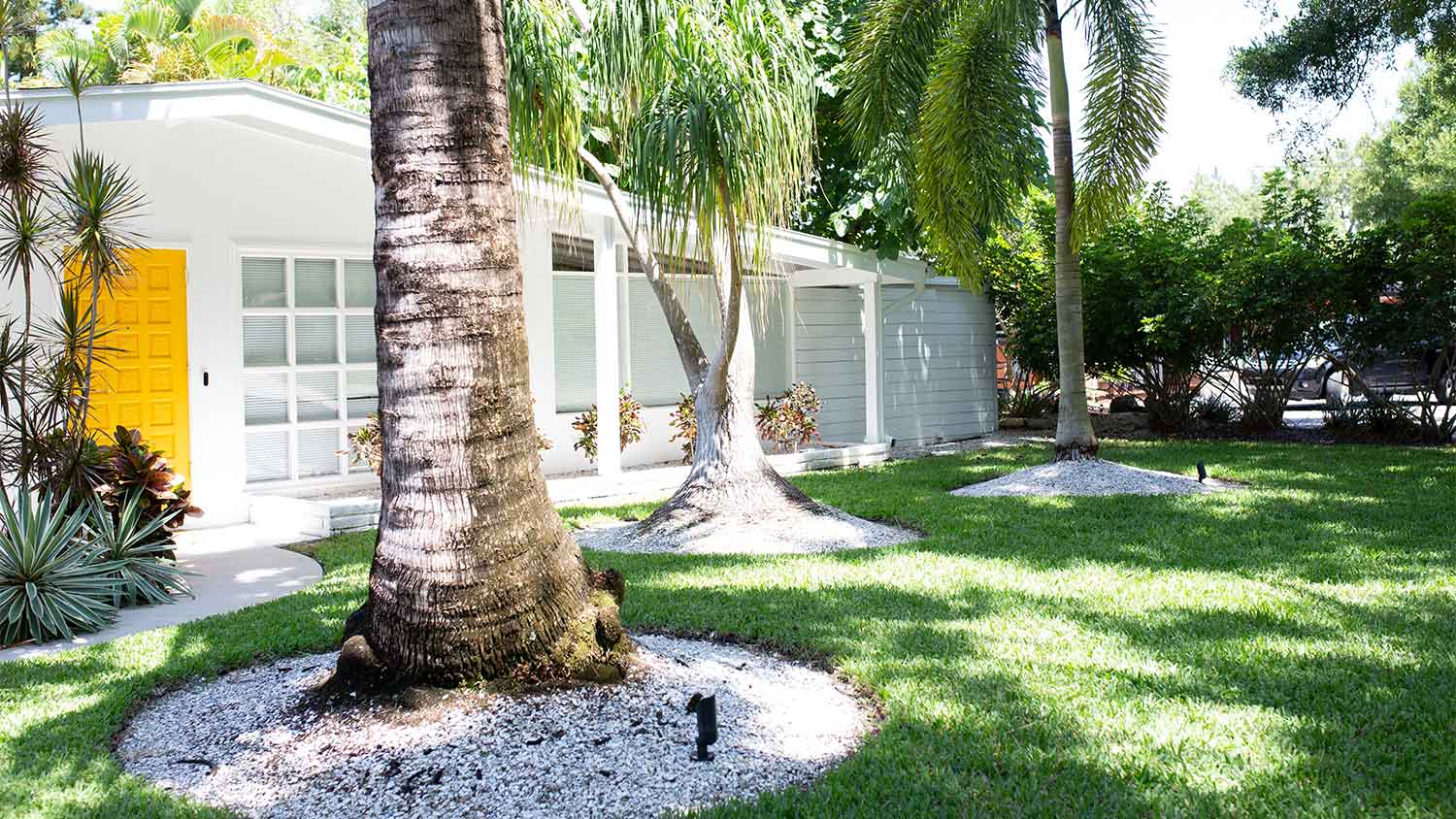
Bahia grass is a drought-resistant, warm-season grass that loves heat but isn’t as uniform as other turfgrasses. Keep reading to learn more about Bahia grass.
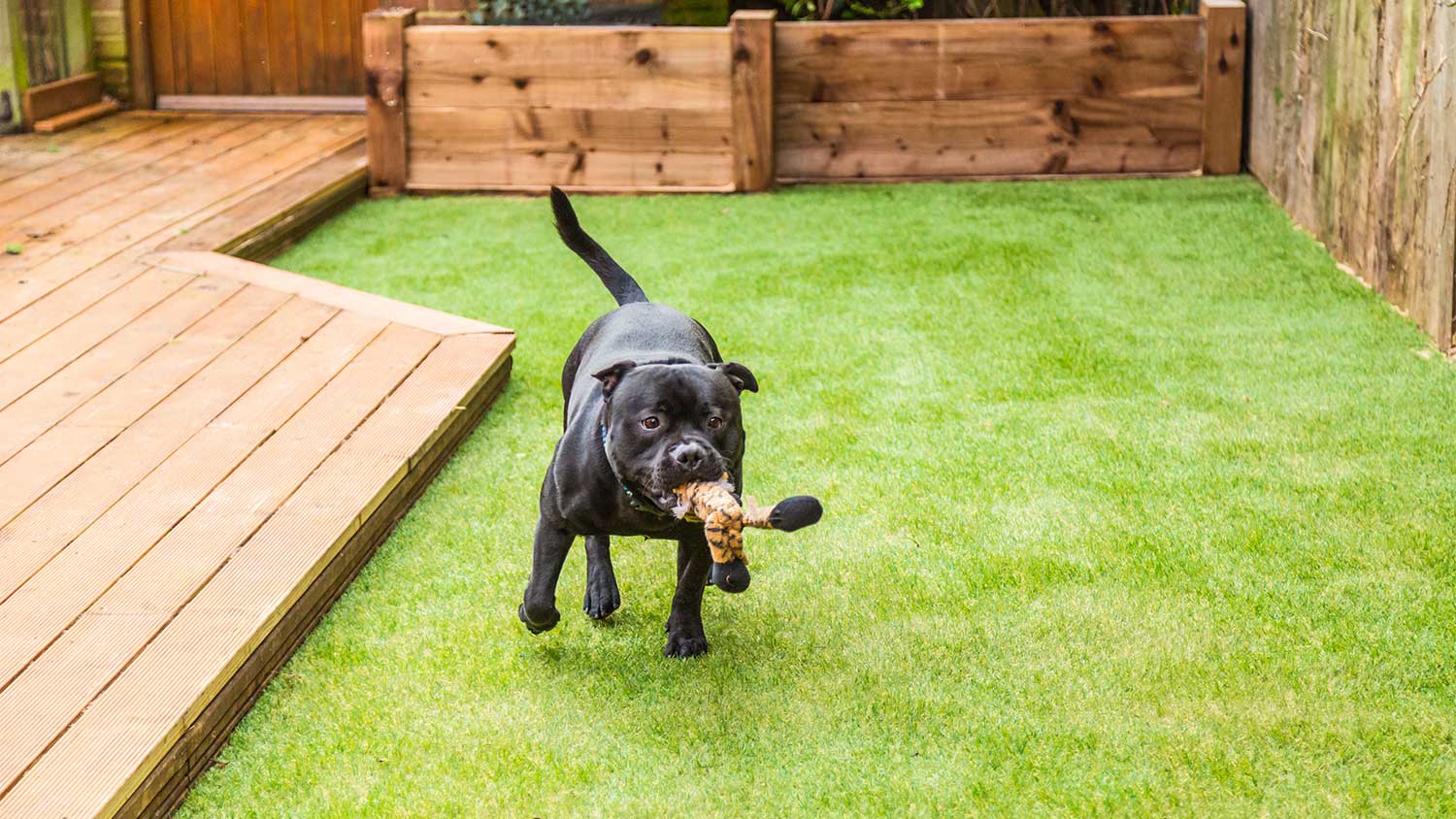
Wondering what’s the difference between artificial grass vs. turf and which one’s right for you? Get the pros and cons of each one here.