
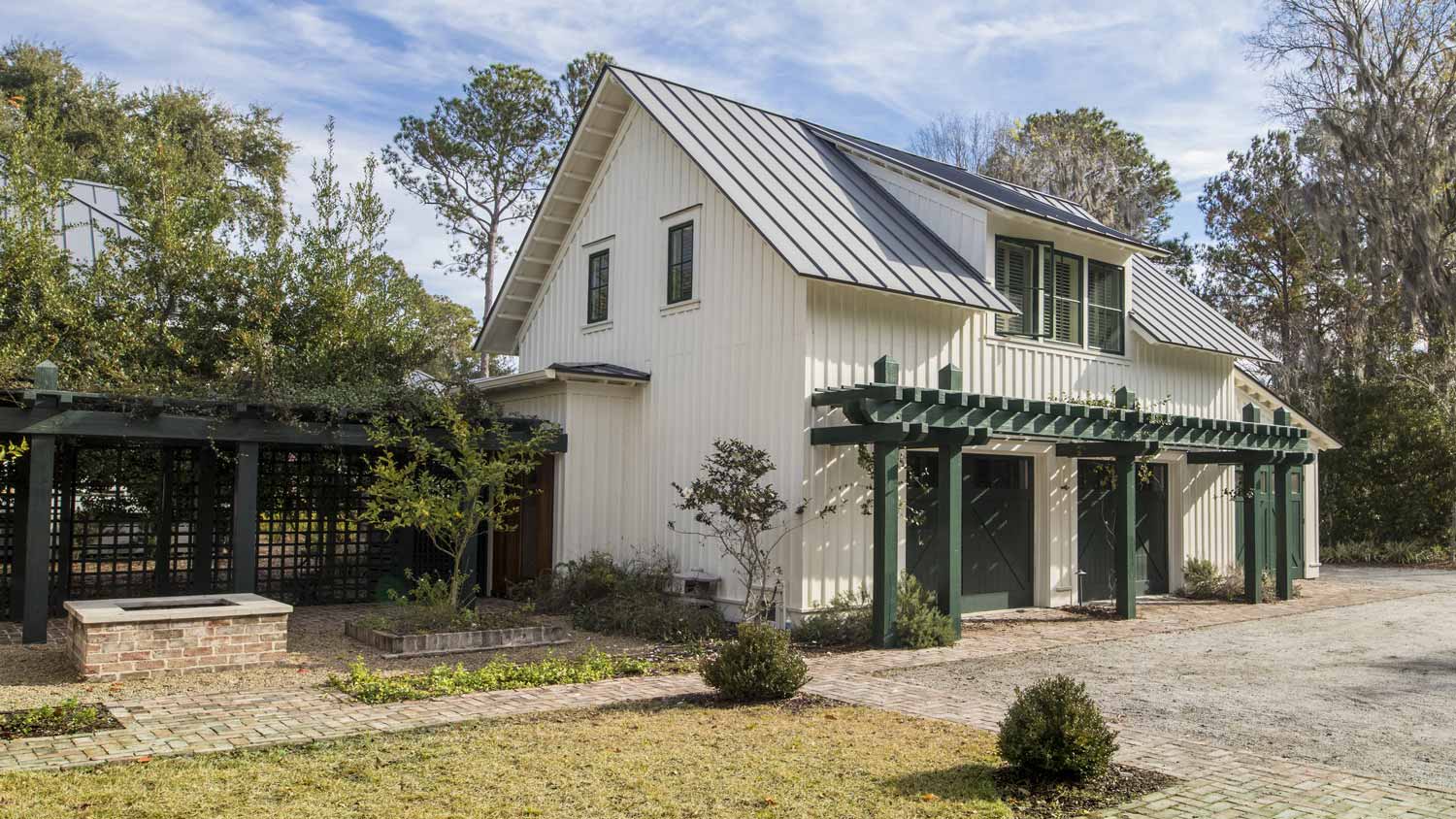
Want to add value and living space to your home? Use this guide to figure out the cost to convert your garage into living space to see if it’s worth it.
The garage doesn't have to be just a place for your car

Garage conversion ideas include home offices, entertainment rooms, guest suites, and art studios, letting you design a space that matches your family's needs.
Full garage remodels cost $1,500 to $50,000 or more, with office conversions around $5,000 and guest houses averaging $22,000 depending on size and features.
Start by confirming your home can handle electrical, plumbing, and HVAC upgrades, then check local permits and zoning laws before you begin your project.
Hiring a local garage remodeling contractor provides expert guidance on layout planning, structural modifications, and permit requirements, keeping your conversion on track and up to code.
If you’re spending more time at home these days, you might be wondering: What are the latest and most popular home upgrades and renovation projects? For those needing to expand their living space, look no further than a garage conversion.
The most difficult part of a garage remodel conversion project might be deciding how to use the space. There are countless options available to meet your family’s wants and needs, from a garden room to a home gym. Below are 42 garage conversion ideas and tips to help inspire your next home project.
The most important aspect of a garage conversion is deciding what you want to do with the space. Your garage doesn’t just have to be a storage area for your car or boxes filled with items you rarely use. Let your creativity run wild. Here are our favorite unique garage conversion ideas, along with some floor plans to help you get started.

As more people are working from home or in a hybrid format, the need for a designated home office has skyrocketed. Consider constructing a home office with a large window where the garage door used to be.
This will allow for more natural light, which can help boost your mood, increase physical activity, and benefit sleep patterns. Keeping your home office separate from the rest of the house should also help you maintain a healthy work-life balance.
Kids need space to call their own—often far from the areas where you typically entertain! You can transform your kids’ playroom into anything their imaginative minds can muster up. Since kids often play on the ground, we recommend installing carpet or vinyl flooring with rugs on top for a softer surface than your concrete garage floor would otherwise provide.
Another fun idea is to install a chalk or whiteboard wall for kids to draw on or practice their math and ABCs. You’ll also need lots of designated storage space for toys, drawings, colored pencils, and other materials—this is a great opportunity to teach your kids the importance of tidying up.
Ever consider turning your garage into a personal sunroom? Think about how much more enjoyable your mornings could be as you watch the sunrise with a cup of coffee or tea. This is also a great spot to unwind during the twilight hour with a beverage.
Replacing the garage door with a large single- or double-paned window is the first step in making your sunroom ideas come to life. It’s even easier to take advantage of this conversion if you have a carport instead of a garage.
Tired of family members and pets tracking mud and dirt into the house? A mudroom is just what you need. This is the perfect garage conversion or partial conversion for families who live in snowy areas, participate in outdoor activities, or live near the beach and often bring home lots of sand. If your washer and dryer are already in the garage, you have an ideal spot to build the rest of your mudroom around.
Keep in mind that you can combine this garage conversion idea with another on this list. Just dedicate a portion of your garage near the interior entrance to a mudroom, and use the rest as you see fit.
For the extroverts out there who love hosting, an entertainment room is an excellent option for your garage conversion. A two-car or larger garage has plenty of space to host guests. Consider adding an extra fridge, a custom bar, Bluetooth speakers, and comfortable seating areas.
For this garage conversion, consider keeping the garage door. It’ll be handy during cool evenings to let a little breeze in, and you can install garage door screens to keep the pests outside while you enjoy your company. You can also use it to keep an eye on your kids as they hang out in the driveway or front yard. You’ll be the most popular house on the block!

If you’re looking for a way to help pay off your home’s mortgage or want a side hustle to bring in some extra cash, think about converting your garage into a studio flat.
Those living in high-density areas or close to tourist destinations should be able to find tenants or weekend visitors without too much of an issue. You can rent out the converted space full-time if it’s large enough and has all the necessary amenities (kitchen, bed, bathroom, etc.).
Thoroughly do your research beforehand to confirm you’ll have a steady flow of short- or long-term tenants. Also, review your local zoning ordinances. Some towns and cities restrict the number of families or living units per property, and you may have to file for rental permits if you plan on renting out the space for profit.
According to our 2021 home feature survey, large kitchens are highly valued. If your garage is right off of your kitchen, consider extending your current kitchen area. You can also start fresh and transform the garage into an open-concept kitchen and dining area.
Converting your garage into a kitchen typically comes with a higher price tag than other garage remodels. This is because kitchens require more modifications, such as adding a ventilation system and connecting electric or gas lines to updated appliances like a stove and oven.
That being said, since many homeowners value large kitchens, this transformation will likely increase your home value more than many other conversion options.
For artists, having their own art studio a few steps away from their home is a dream come true. You can easily make this happen by converting your garage into a personal art studio.
Still-life artists might want to install large window panes. You’ll want lots of natural light so you can work with shadows. Also, if you use paint or materials that give off odors or gases, make sure the converted space is well-ventilated—it might be worth looking into a roof ventilation system.

Whether you’re working in an office or from home, it’s almost too easy to skip the gym and go straight to watching TV or cooking dinner.
A fitness studio or home gym in your garage can make it simple to fit in a workout, even if you’re busy. Plus, it’s nice not to have to commute to the gym or deal with unsanitary locker rooms and gym equipment. We recommend designing your converted gym or fitness studio around the fitness activities you enjoy doing most—be it weight lifting, biking, or yoga.
You can go the extra mile and put in a separate shower and laundry area to prevent bringing sweaty clothes and odors into your living area.
Do you regularly host extended family and friends? If so, consider converting your garage into an extra guest bedroom. Your family couch will no longer serve as the place guests sleep. Plus, your guests will have more privacy—a win–win!
When calculating costs, remember that the extra living quarters will require an expanded HVAC system, along with additional plumbing and insulation. You will also need to check zoning laws in your area as well and get proper permits for the conversion since you’re altering utilities.
Hello, movie lovers! Although traditional movie theaters are still relevant, nothing beats throwing on a movie in the privacy of your own home. Instead of traveling to a movie theater and paying for overpriced drinks and snacks, just walk into your newly converted home cinema.
Since you’ll want a dark space, we recommend not spending money on installing windows. Instead, use that cash to install surround sound speakers and dimming lights. Your family and friends will be begging to come over and watch movies at your place. This converted cinema can also serve as a space to watch major sporting events.

It’s no secret that teenagers need their space. Turning your garage into a teenage hangout spot allows you to give them some privacy while still being able to keep an eye on them. Your teenagers will love having a detached room they can call their own.
To help your teenager develop a sense of ownership of the space, have them give layout and design input. Your teen should think of the garage space as a blank-slate college dorm room they can design to fit their current and future needs.
A personal game room is another option for those who have a large family or enjoy entertaining others. You can have pool or ping-pong competitions, or throw it back and purchase a retro pinball machine. Regardless of what games you choose, you’ll enjoy the additional space for hosting.
Similar to the entertainment layout, we recommend keeping the garage door to allow people to migrate easily between the front yard and the game room for parties that take place indoors and outdoors. Garage screens are a must-have if you’re going this route.
A two-story guest loft is similar to a studio flat; however, this conversion is better for homes with an unused area or attic space above the garage—sometimes appropriately called a bonus room. By using the second story, you can create a lofted area that separates the bedroom from the living space.
Your guests will appreciate the separation. Like the studio flat, you can also rent out a two-story guest space for a profit, provided local laws allow it.
Make it easy to practice your daily yoga with a personal yoga studio in your garage. The wide-open area without columns should serve you well. You can also have your friends over to practice breathing and meditating together. When planning your yoga studio, choose calming paint colors that blend into the background.
It’s okay to spoil your pets! If your dog is your best friend, pamper your pooch by building a dog lounge. They’ll be ultra-comfortable laying around while you’re at work, and it will give them a calm area to retreat to if guests become too overbearing. Make sure to add a dog door so they can easily access the backyard to sunbathe or go to the bathroom.
We don’t discriminate. Cats should also be spoiled—even if they ignore us sometimes. Convert your garage into a fun playscape for your feline friends. Plus, setting aside some lounge areas in your garage means their litter won’t stink up the rest of your house. We do recommend lots of wall-mounted shelves for your cats to play or lounge on. You can really step it up by installing walkways along the ceilings to let cats enjoy being up high and exploring.

A study room is perfect for those who want a little peace and quiet for maximizing focus. It can be your go-to spot for reading, writing, or hanging out alone. If you want to block out all noise, contact a local soundproofing contractor. You can also consider installing DIY bookshelves and a comfortable lounge area for kicking back with your favorite book.
Can’t decide which garage conversion idea to choose? A multipurpose room can cater to a few different personal and family needs. It can serve as both a study area and a TV lounge or a craft room. Just make sure that all family members agree on who gets to use the space when.
Perhaps your family is growing, or your home feels crowded. Add an extra living room where the kids can hang out while you entertain adults in peace. Or vice versa: a place for adults that offers some solace from the kids and their games.
When designing your extra living space, make sure it’s consistent with the rest of your home e.g., a bohemian living room wouldn’t pair well if the rest of the house is mid-century modern.
Converting your garage into a greenhouse works best for detached garages. Your plants will be happy and thankful as they soak up plenty of sunlight! Talk with a local window replacement company first to see what’s feasible and to find out the estimated cost for new windows.
Go ahead and knock down one of those garage walls during the remodel to create an outdoor terrace you can enjoy on a cool fall or spring day. An outdoor terrace will likely require you to at least knock down one wall to install a large window space. We recommend speaking with an architect or building engineer first to ensure you’re not taking out a load-bearing wall or otherwise compromising your structure.

Those with a green thumb will benefit greatly from a garden room. A garden room is similar to a greenhouse. A greenhouse’s main purpose is to chamber plants, and while a garden room also contains lots of greenery, it primarily serves as a comfy sunroom to lounge in. A garden room is typically connected to a house and offers a perfect blend of indoors and out.
A personal music studio is any musician's dream—amateur or professional. For acoustic or wood instruments, look into adding wood paneling for a heightened sound. Musicians who play electric or brass instruments will likely require soundproofing. Consider building in a sound-treated vocal booth, a dedicated drum area with additional soundproofing, and a producer’s desk to complete your vision.

Very few people would complain about having an extra bathroom in their home, especially if the bathroom has a full-size soaking tub. It’s not difficult to imagine yourself relaxing in your private oasis each night. You’ll likely need to contact both a general contractor in your area and a local plumber to get a cost estimate and help complete the job, but it can be worth it both for the utility and the added home value.
A quiet home workspace is ideal for anyone who has clients over to their residence, such as school tutors, acupuncturists, or at-home massage therapists. We suggest having a door that leads directly outside so that clients don’t have to come through your home to get to your workspace. Think about the specific needs you might have for your office, and incorporate those into your layout and plans.
Those who love doing DIY projects or are part-time crafters would treasure their own workshop. Depending on the projects, this conversion will likely cost less than others because neither insulation nor an upgraded electrical system is usually required.
However, some workshops might need an updated HVAC or ventilation system if you’re using toxic materials, plan on using paint sprayers, or will produce a lot of sawdust. Another workaround would be to keep the garage door to allow fresh air in when needed, in which case garage door screens will come in handy.
These design and structural tips will make your converted space even more special. Introducing even just one of these elements can help elevate different garage conversion ideas.
Since you’re already doing a garage remodel, go ahead and add a fun wall mural. There are lots of fun and creative wall mural ideas to fit different interior spaces and personalities. You can let your creative side shine and paint it yourself or find a professional artist to elevate your space.
Love to snuggle and stay warm? Add an electric fireplace—it’s way less work to install than a wood-burning fireplace and easier to clean. Plus, since your garage very likely includes an exterior wall, venting the fireplace shouldn’t take much time or effort.
If you love your classic or sleek sports car, keep it in the garage and build around it. Add a workstation or shelves for toy car replicas and all of your equipment, or keep the car and just dedicate a corner of the garage for some other purpose, like a reading nook or mudroom.
Soundproofing the room can help keep both noise in and noise out. A converted yoga studio, home theater, or music room will benefit most from soundproofing.

Keeping the garage door isn’t a bad thing. You can update the door with clear or frosted panels, both of which allow for more natural light. If you plan on using the space often, frosted panels might be better for the privacy they provide.
Cover any large windows with blackout curtains to make the space more private. Another option is to remove all windows, but doing so will limit how you can use the room in the future.
Don’t be afraid to soak up the rays by adding a skylight. A skylight is perfect for kitchen or dining areas. It will brighten up the space, which will help with lighting when cooking.
For those who do a lot of outdoor activities year-round, a gear room serves as an entire place to keep all of your seasonal gear. Think of it as a miniature outdoor supply store attached to your home. This idea can also free up space in your shed or basement if you currently store your equipment there.
Hanging cool memorabilia from previous generations is a great conversation starter. Decorate your converted space and walls with fun nostalgic items like ticket stubs, old concert posters, or restored pieces of Americana memorabilia.

Replace the garage door with french doors that open up outside. They’re not only stylish but allow for a nice breeze to come through when the weather’s just right.
Another door option is to include sliding doors. Try sliding barn doors for a more rustic vibe. This is a great idea for an additional living or dining area that you want to section off.
You can also use large sliding doors as a garage door alternative to free up ceiling space and keep parts of your garage door from interfering with your interior area. Some garage door alternatives can help prevent problems with garage door openers lifting heavy doors, like loose garage door chains, misalignment, and more.
If you’ve decided on creating an entertainment area for guests but are short on space, install a wall-mounted table and stools so people can sit and chat. You can even design one that folds up and down to save or repurpose space when you don’t have guests over.

Use any remaining available wall space for built-in storage. You can install bench seating with storage underneath and install decorative cushions for the ultimate multipurpose piece. DIY garage shelves are also an excellent option for garage organization for storing items you use infrequently, like seasonal outdoor equipment and holiday decorations. They can also add tons of utility to small garage spaces.
Your converted garage is an ideal place to install smart home technology. Remote-controlled dimming lights and a Bluetooth-connected HVAC system make it effortless to get comfortable.
Studio lofts or guest houses can feel more private when a doorbell announces visitors. Installing a smart doorbell with a camera is also a nice additional security feature.
According to data from Angi, 78% of homeowners doing garage projects want to completely remodel their garages. 11% want to organize their garages, and only 4% want to build a new garage. If you’re not sure the right move for your garage, consult a garage remodeling pro.
Before you begin purchasing paint or researching how to remove a garage door, take some time to think about if your house can handle a garage conversion and if it makes sense from a cost-value standpoint.
The questions and suggestions below will help you determine if a garage conversion is best for your home and finances. If so, it’ll help define which conversion ideas to lean towards.
Before beginning a garage conversion, consider if your house can handle this improvement project from an electrical, plumbing, and HVAC standpoint.
A garage remodeling contractor near you should be able to explain the possibilities of the project and will give you a cost estimate. Use this estimate to help calculate your return on investment (ROI) for when you sell your home, rent out the converted living space, or eventually do both.
Most homeowners want renovations to increase their home’s market value. However, not every garage conversion will do this. In some cases, a garage conversion can even lower the house’s price tag, as is sometimes the case with a specialty garage conversion, like a music studio.
Areas that receive lots of annual snowfall, rain, or severe weather, such as tornadoes and hurricanes, will likely need garages to protect vehicles from damage. A good rule of thumb to follow is that if the vast majority of houses in the neighborhood have a garage for vehicle storage only, then you’ll likely want to keep yours as-is.
However, if you live in a high-density neighborhood and living space is extremely valued, then consider converting your garage into extra living space. Your home will likely receive a nice market value bump.
Finally, think about whether or not your garage conversion idea needs permits. If you have illegal modifications done to your home, you may want to avoid bringing an inspector in to sign off on a permit for the garage conversion. In either case, speak with your local building department to see if permits are necessary and figure out how they will play into your garage conversion cost and timeline.
Depending on the size of the garage and the amount of remodeling necessary, a full garage remodel can cost anywhere from $1,500 to $50,000 or more.
Here is what you can expect to pay for garage conversion costs:
Office: A new at-home office will run you about $5,000. Normally, this project doesn’t require additional plumbing or drywall. You’re mostly paying for extra insulation and electrical work.
Entertainment room: For a family entertainment area, you’re looking at spending around $7,500. This doesn’t include any fun features you purchase, such as a billiard or ping-pong table.
Guest house: A full guest house will cost an average of $22,000, but it could go significantly higher depending on size and finish options. This high price tag is because you’ll likely need to have a bathroom, kitchen, and bedroom for someone to live comfortably.
When planning your garage conversion, think about the amount of storage space you have in the rest of your home.
Ask yourself these questions:
Can you store the items in your garage in your basement, attic, or backyard shed?
Will it be too much of a hassle to retrieve these items from their new storage areas?
If there currently isn’t enough storage space in your house, do you have the budget and enough outdoor space for a new shed in addition to your garage conversion?
If there isn’t enough space and you need to clean out or declutter your garage of unnecessary items, then look into having a garage sale. You can also sell items online, donate them to charity, or get rid of them.
Before you begin your garage conversion, research your local laws and regulations. Depending on where you live, you might need a building permit for any alterations you make to your garage.
A building permit can cost anywhere from $150 to $2,000. In addition to the main building permit, you’re also paying permit fees for things like electrical wiring, HVAC installation, and plumbing.
Another regulation to review is if your area allows accessory dwelling units (ADUs)—secondary housing units on a single-family residential lot. Some states, like California, are jumping on board the ADU train, while other states and cities have stricter regulations.
Lastly, consider parking areas. If there isn’t enough residential street parking in your neighborhood, or you live in a neighborhood that experiences car theft, then you might want to reconsider if giving up your garage is worth it.
There are endless garage conversion ideas to create the perfect living space for yourself, your family, and your friends. Again, consider the costs, ROI, and feasibility of the project. Most importantly, think about the type of space that will bring the most joy to you and your family and the most value to your home in the long run. If you need help remodeling, contact a local garage remodeler.
Company came to look at my garage door that was off track. They also said I needed a brace on the other garage door. They put the door back on track, and I paid to install the brace. The technician told me I needed a new garage door opener, and it would cost $1000. Red flags went off in...
 Precision Overhead Garage Door Service
I highly recommend KTM construction! I will look no where else for anything that needs to be done, in or out side of our property. The level of craftsmanship is 5 star service across the board! The level of detail, knowledge and professionalism is 5 star service across the board! Ken is a...
 KTM Construction, LLC
Replace garage doors: Fast response, competitive estimate, timely work done well.
 Village Garage Door
Called Mark on a Thursday morning. Not really knowing if he could help me or not. I was having driveway, flooding issues due to a clogged channel drain and I was trying to figure out what direction to take. Heavy rains had come on Monday and again on Thursday leading to flooding in my garage...
 Mark Rodgers Construction
Not well. I originally emailed Garage Gurus on 8/6, again on 8/9, and again on 8/11. In the meantime I left two voice messages with their answering service; both times I was told that an estimator would "get right back" to me. Not even the courtesy of a reply of any kind. Extremely...
This company is amazing! My garage door broke this afternoon and was stuck in the open position. I couldn't leave with the door open so I called Sanford and Sons because the company was recommended by the manufacture of my garage door motor. Nancy answered the company phone and problem...
The workers parked large trucks and trailers in the street that, on many occasions, over several months time precluded me from being able to get my car out of my garage. Additionally, it made for difficult movement of traffic on the street. Frequent request to the workers and to the property...
We had two outdoor fixtures swapped for motion sensing fixtures and a GFCI outlet added to the outside of the garage for the bird bath heater. <br /> He arrived at the agreed upon time and I was surprised and impressed at how quickly everything was completed. <br /> I would definitely...
 Powers Electric LLC
I received a glowing recommendation of RoofWise from my accountant & contacted them regarding a stubborn leak I've battled where the family room addition meets the original house. I also asked for a recommendation regarding ongoing garage leaks. Following a detailed inspection Roofwise...
 RoofWise Roofing Inc
Met with and received a detailed estimate from the owner who also answered all the questions I had about the work. Work was delayed by unusually rainy weather, but I did receive periodic scheduling updates by email. When the weather broke, the painting was completed in an extremely...
 Fresh Touch Custom Painting Inc.
From average costs to expert advice, get all the answers you need to get your job done.
Want to add value and living space to your home? Use this guide to figure out the cost to convert your garage into living space to see if it’s worth it.
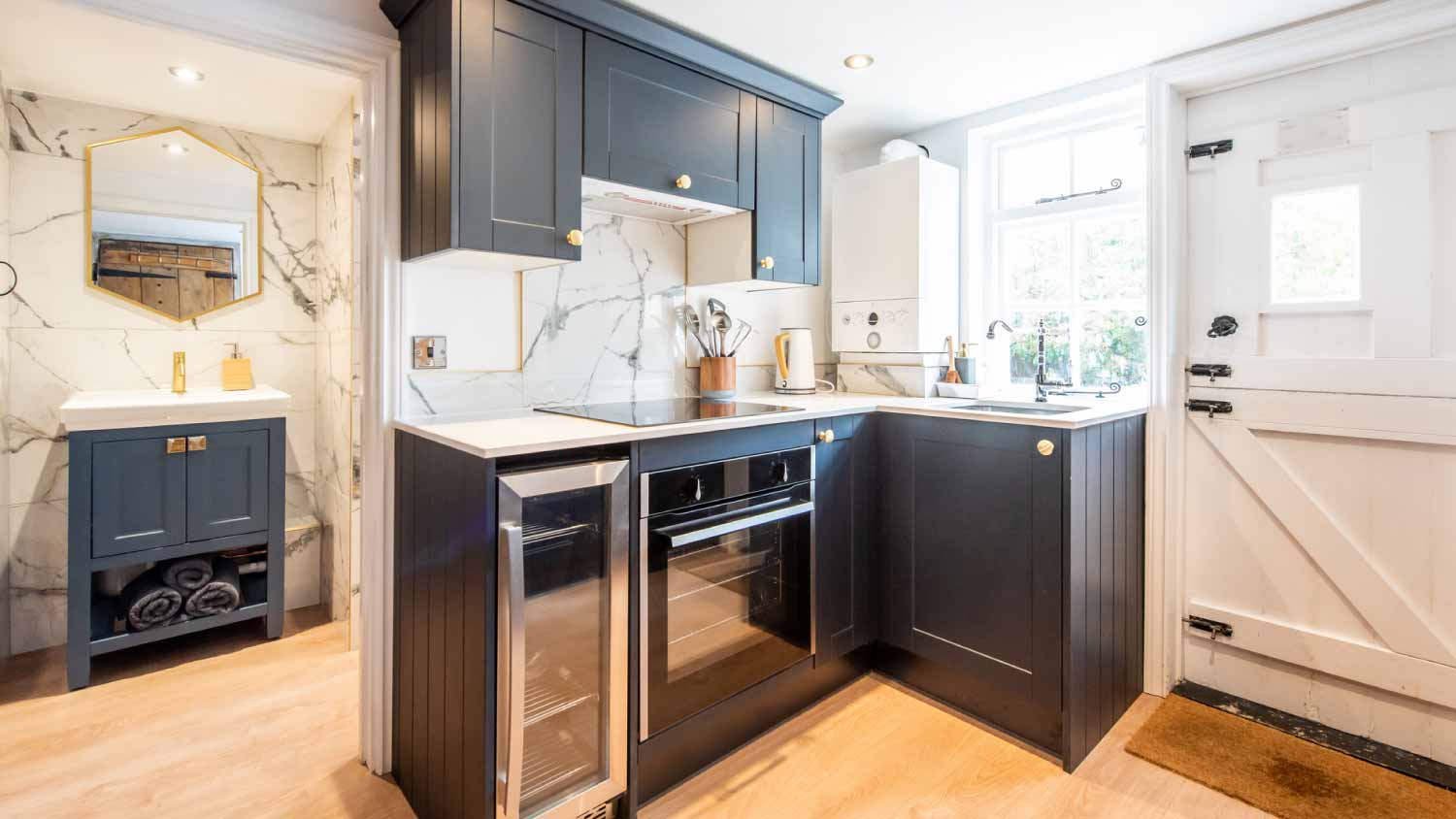
The cost to convert a garage to an ADU varies widely depending on many factors, from its size to the features you want to include.
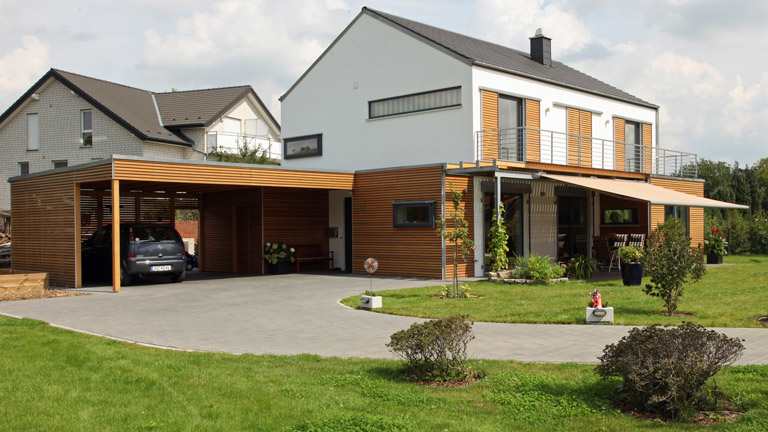
Considering enclosing your carport to turn it into a more protective garage? Find out about the cost to convert a carport into a garage in this handy guide.
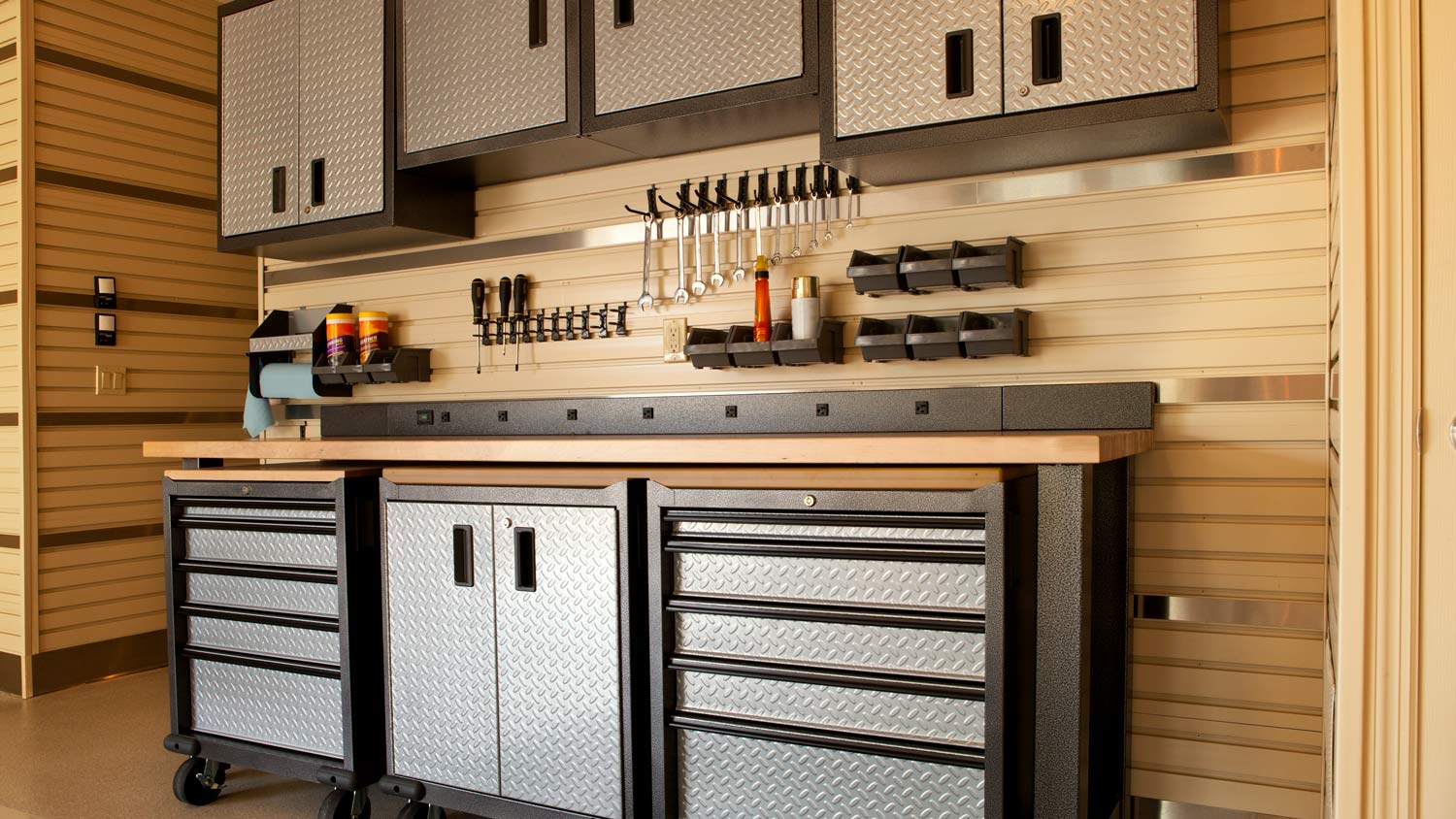
Looking for a place to start with your garage remodel? Look no further, because with this guide, you’ll learn six great budget-friendly garage remodel ideas that will turn your garage into one of your favorite spots in the home.
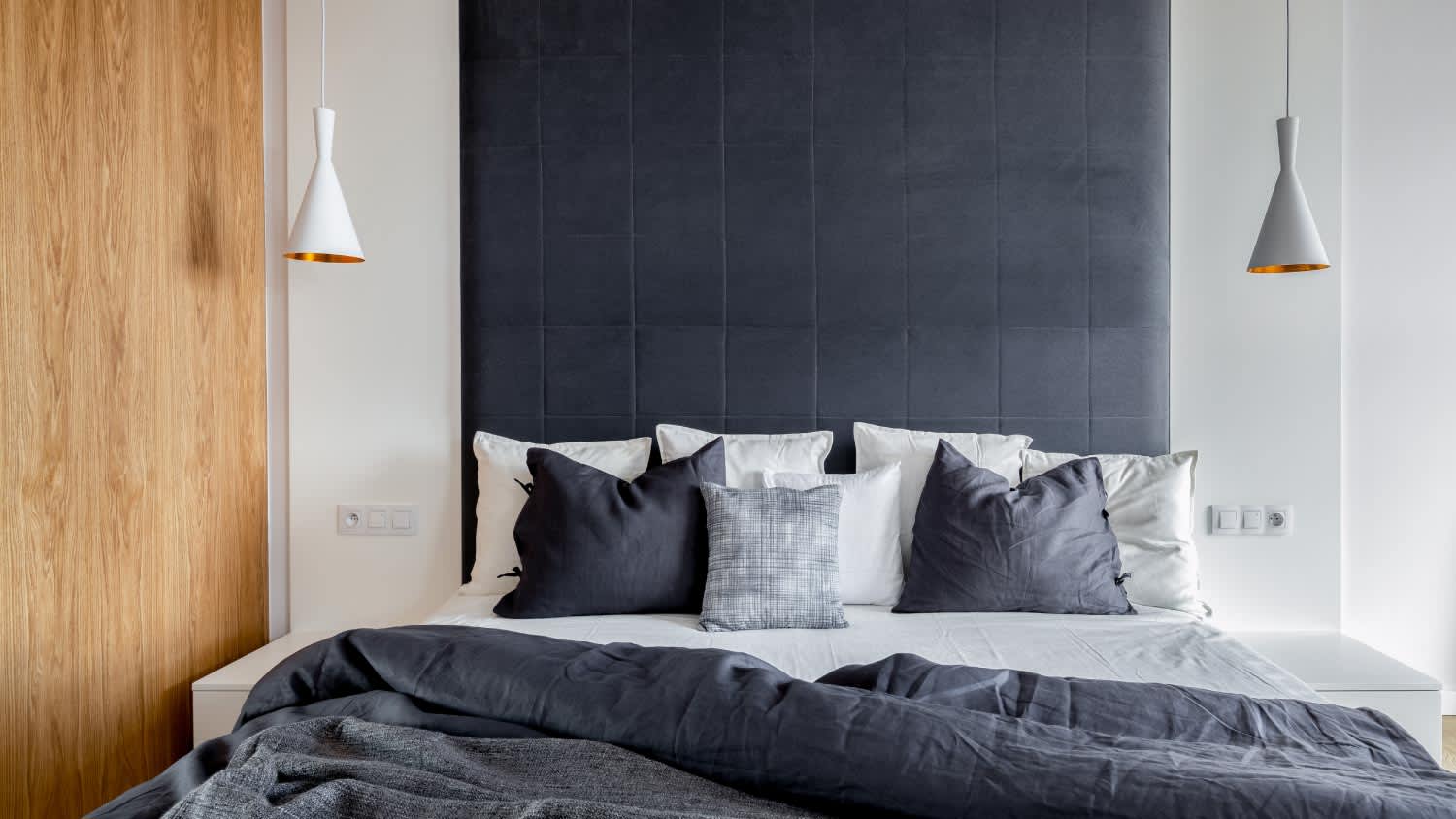
If you need more living space but aren’t interested in buying a bigger house, a garage to master suite conversion could be the ideal solution for you.

No gym membership? No problem! Create the ultimate home gym with these amazing garage home gym ideas.