
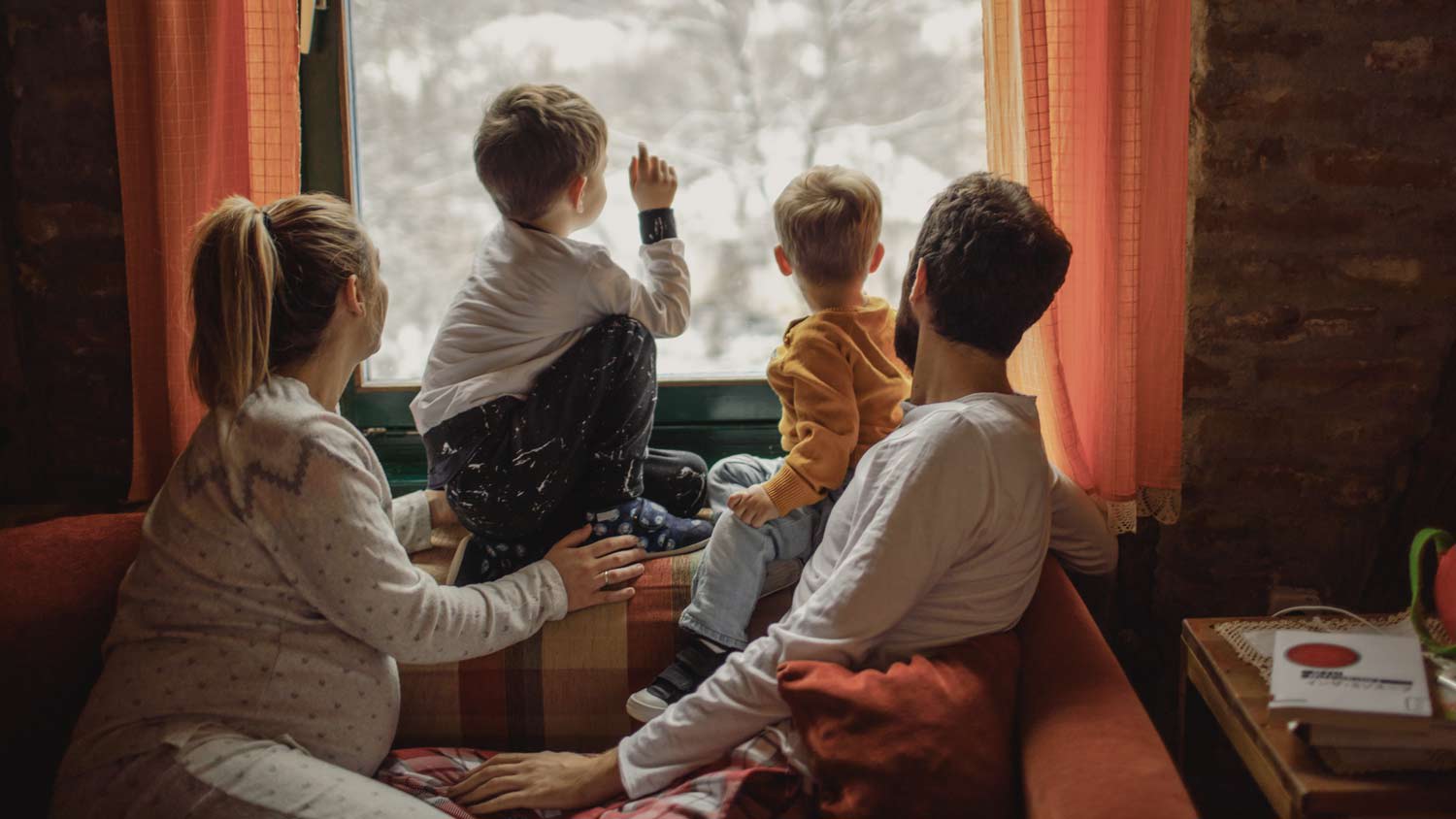
Winterizing a house depends on its type, size, location, and more. Our guide breaks down how much it costs to winterize a home.
Protect your home from frigid weather and costly damage

Whether you are a snowbird flying south for the winter or need to seal up a second house, you need to prepare it for the frigid temperatures ahead. Learning how to winterize a vacant house can prevent costly property damage, such as water damage from frozen pipes that can burst and other issues that can stem from leaving your home unattended. Learn how to winterize a vacant house and which tasks are better left to the professionals.
As far as what you will need to winterize your house depends on which tasks you take on yourself. For example, if you are a handy DIYer, doing things like cleaning the gutters or sealing up drafts may require supplies such as a ladder, gloves, and items like weather stripping if it needs replacing. Extensive tasks such as winterizing your pipes and HVAC system may be best left for the pros to take on.
Try to determine beforehand what you are going to do yourself and what you are going to hire a pro for so you know what supplies you need.
There is quite a bit you need to do to prepare your home, and some tasks may be dangerous to do yourself. Make sure to call in the right pro to handle hazardous jobs to prevent injuries and ensure they are done correctly. That said, here’s how to winterize a vacant house to prepare it for the harsh winter conditions.
An important thing you need to do to winterize a vacant house is seal up any drafts that you can. One simple way to inspect for air leaks is to check the weatherstripping around doors and windows. If you notice any gaps, tears, or rips then you should replace it before the cool weather sets in.
Another area that needs to be sealed up is your foundation vents. In cold-weather regions, foundations often have vents that allow hot air and moisture to escape from crawl spaces during warmer months. But in winter, you want to keep warm air inside and make it harder for pests to get inside.
Foam foundation blocks or similar covers can seal your foundation vents. When cold weather begins, brush out your vents and insert covers to protect them and keep your house warm.
If you have attic vents, you should leave as many open as possible to prevent moisture build-up in the attic, but closing a few may help warm up the house.
Since the house is going to be vacant, you need to winterize your plumbing for freezing temperatures to prevent them from bursting. This task consists of shutting off the main water valve, draining the pipes, and pouring non-toxic RV antifreeze into the toilets and drains to prevent residual water from freezing and damaging the pipes.
Some piping may require installing wraparound insulation for further protection. This is quite a time- and labor-intensive task, so it’s best to hire a professional plumber near you to ensure everything is done properly.
Any appliance that contains water needs to be properly drained and prepared for winter, including the water heater. You can do this task yourself, but you need to practice safety precautions because it can be dangerous if done incorrectly.
You need to ensure you turn off the electricity and water supply, and then allow it to cool before draining it. If you don’t feel comfortable doing it, you can ask the plumber to add this to their to-do list when you winterize your pipes.
When water sits in outdoor pipes during the winter, it can freeze and damage PVC valves or connectors, and sprinkler heads. If you have an underground irrigation system, you’ll have to remove water before freezing weather arrives.
Most home irrigation systems with sprinklers require a blowout, which uses an air compressor to pump air through the system and force water out of the sprinkler heads. This is a job for local landscape companies, so it’s important to schedule the service early on in the fall. For regions that get a deep freeze every winter, we highly recommend a blowout for home irrigation systems to winterize your sprinkler system.
This lawn service usually costs around $60 to $130, depending on yard size. If you don’t have a built-in irrigation system but regularly use a hose or sprinkler to water your lawn and garden, drain your hose and store it indoors. For frequent freezing temps, cover your external faucets to help prevent damage.
You may be tempted to cut electric bill costs and simply turn off the heat for the winter, but that’s a big no-no and can cause pipes inside your home to freeze. To prevent your home from getting too cold and keep pipes warm enough, you should set the thermostat to around 55 degrees Fahrenheit. It’s more energy-efficient to bring up the heat from a 55-degree baseline than to let it drop too far before turning the heating on.
Rain and snow can flood gutters with debris, backing them up and causing problems that range from overflowing water near your foundation to algae and moss growth. In freezing temperatures, backed-up gutters contribute to ice dams.
Protect your home by cleaning out the gutters before the winter weather arrives. If you have nearby trees, consider installing gutter covers or guards for long-term protection. You should also inspect the roof to ensure there are no issues, such as damaged shingles. If there are any visible problems, you and a roofing professional should address them before the first snow storm hits to prevent damage to your home.
According to the National Fire Protection Association, you should have a professional chimney sweep clean and inspect your chimney every year. These pros will inspect, clean, and make any necessary repairs to prevent the risk of a fire. Once everything is ready, the chimney flue and hearths should be closed to prevent drafts and animals from entering through them.
We highly recommend arranging for furnace or HVAC system maintenance and inspection ahead of winter storms. You should hire a local HVAC professional to check your system and perform any necessary maintenance to ensure it will continue to work effectively while the house is vacant. The technician will check and replace air filters, clean the system, and calibrate it for winter settings.
It’s vital that you don’t skip this step because the HVAC system needs to be operating properly to maintain the right temperature in the house to prevent pipes from freezing.
Turning off and unplugging appliances is an essential part of winterizing a vacant house. Unplugging devices and major appliances not only reduces electrical use, which can save you money, but it can also help prevent electrical fires.
When appliances are left plugged in, they are susceptible to power surges, malfunctions, and overheating. So, make sure to walk through and unplug any type of device and major appliances before you leave.
Pests can move in faster than you think, but you can do a couple of things to prevent them from overtaking your home while you’re gone. First, remove any potential food source they can feast on from the fridge and cabinets.
Other preventable measures include moving wood piles away from your home, cleaning up lawn debris, and trimming bushes. You can also schedule a pest control visit to spray before you leave to help reduce the risk of infestations.
Mowers, leaf blowers, chainsaws, and other gasoline equipment need winter care, too. If you won’t use the equipment for several months, clean it out and change the oil. For small equipment, you can drain out excess fuel and wait until next year to refill.
Larger equipment like lawn mowers and tractors benefit from adding fuel stabilizers. If you use a gas fuel stabilizer, remember to run the engine for a couple of minutes so the stabilizer spreads properly. Make sure to store equipment in a dry, covered spot.
If you have equipment that uses a propane tank (like a grill), don’t store the propane tank indoors. They’re designed to be durable and should be placed in a safe, ventilated spot outdoors. If you use battery-powered equipment, detach the battery and store it in a temperature-controlled spot. Extreme cold swings can damage batteries and shorten its lifespan.
If you have a hot tub, you can often leave it on and maintain it for a wintertime soak. Otherwise, you need to winterize your water features for freezing weather. You can winterize your hot tub by draining the tub, using an air blower to blow out the remaining water, and draining other components like the pump and heater too. Always put safety first and turn off the power before you start.
Don’t forget to clean the shell and thermal cover thoroughly. When finished, latch down your hard cover to protect the tub from storms. For most home swimming pools, you’ll also need to hire a pool closing professional to take care of closing the pool and other winterizing tasks.
If you have a water feature that uses a pump, you’ll need to take similar steps. Drain the pump and, if it’s portable, remove and store it for next season. Move fountains and bird bath bowls to a shed or garage, or cover them with a tarp.
Wind, snow, and rain can damage and reduce the lifespan of your patio furniture. You can prolong its life by cleaning it and storing it indoors for the winter. If you lack the space to store it, you can remove the cushions and cover the rest for protection. You should also put away any items in your yard that you don’t want to expose to the winter elements while you are gone.
Leaving a house vacant can make it vulnerable for criminal activity. One of the best ways to prevent this is to install security cameras. In fact, your home is 300% safer from being broken into if you have a camera set up, according to ADT Security. Even a simple security system can help deter criminals.
You can install Wi-Fi security systems to monitor your place while you’re away. However, you will need to implement some safety features to ensure they are secure.
Adjusting the thermostat, cleaning gutters, attending to vents, and similar tasks are common home chores that most homeowners can manage. On the other hand, tasks like blowing out your irrigation system require professional equipment and assistance. Blowing out a sprinkler system costs between $60 and $130.
If you have a large pool or similar water feature, you will need a pool closing professional to handle winterization steps. These can involve significant labor and some specialized tools for blowing out pumps. Expect to spend between $175 to $300 to winterize a pool, although costs may rise higher for larger pools.
However, the average cost to winterize a vacant house can be as low as $65 and more than $1,000, depending on the type of tasks and labor costs.
Exquisite workmanship from Custom Paint Jobs LLC. My home has never looked better.
 Custom Paint Jobs, LLC
Visited my home for estimate same day that I called. Painted on Saturday. Great job. Good price!
Window Depot did an amazing job on my deck. I wasnt sure what I wanted to do, but their composite decking was affordable and will last a long time. I am excited to have family over, and I am no longer embarrassed by my backyard. Jeff and the ground crew were polite, respectful, and caring for...
 Window Depot USA of Central Ohio
The guys did an outstanding job and we had a great experience with CarifaTile. I appreciated that Joe reviewed the quotes with me and set expectations prior to the install. The crews showed up as scheduled and always left the areas clean upon leaving the house. We will definitely use...
 CarifaTile
Beginning with the estimate, Larry and Peyton were super helpful in getting my new condo's interior re-painted. Not only was the job well done, but also done in a super timely manner as promised.
 Five Star Painting of Plain City and Powell
BJ Trim Carpentry rescued me in the middle of a do-it-yourself project. I found I needed more expertise than I had...and more TOOLS! BJ Trim Carpentry responded quickly and completed what I needed expertly, politely and with a little humor!
This brownstone is historical and the carpentry work is very detailed. I was very happy to secure a company in NY and living in OH to complete the request. Wood work on this brownstone has been existing since approximately 1888 and West side did a GREAT JOB. I will not be able to...
 Westside Home Improvement
We had a great experience with Mark Rodgers Construction. We were in the process of seeking out estimates for possible foundation work for our front porch. Mark came out himself to provide the estimate. Turned out that the company deals mainly with concrete, so we wouldn't be getting an...
 Mark Rodgers Construction
Overall this experience was incredible! I looked on Angies List for a cleaning service because I was planning a holiday party and wanted to make sure we found a reliable, thorough and efficient cleaning service to make sure everything was perfect for the party since we had co-workers and...
From beginning to end our experience with Joe was very good. He was professional and prompt in his estimate for the job and worked hard to meet our schedule so that he could remove our old backsplash the day before our new countertops were removed and return shortly after they were removed to...
From average costs to expert advice, get all the answers you need to get your job done.
Winterizing a house depends on its type, size, location, and more. Our guide breaks down how much it costs to winterize a home.
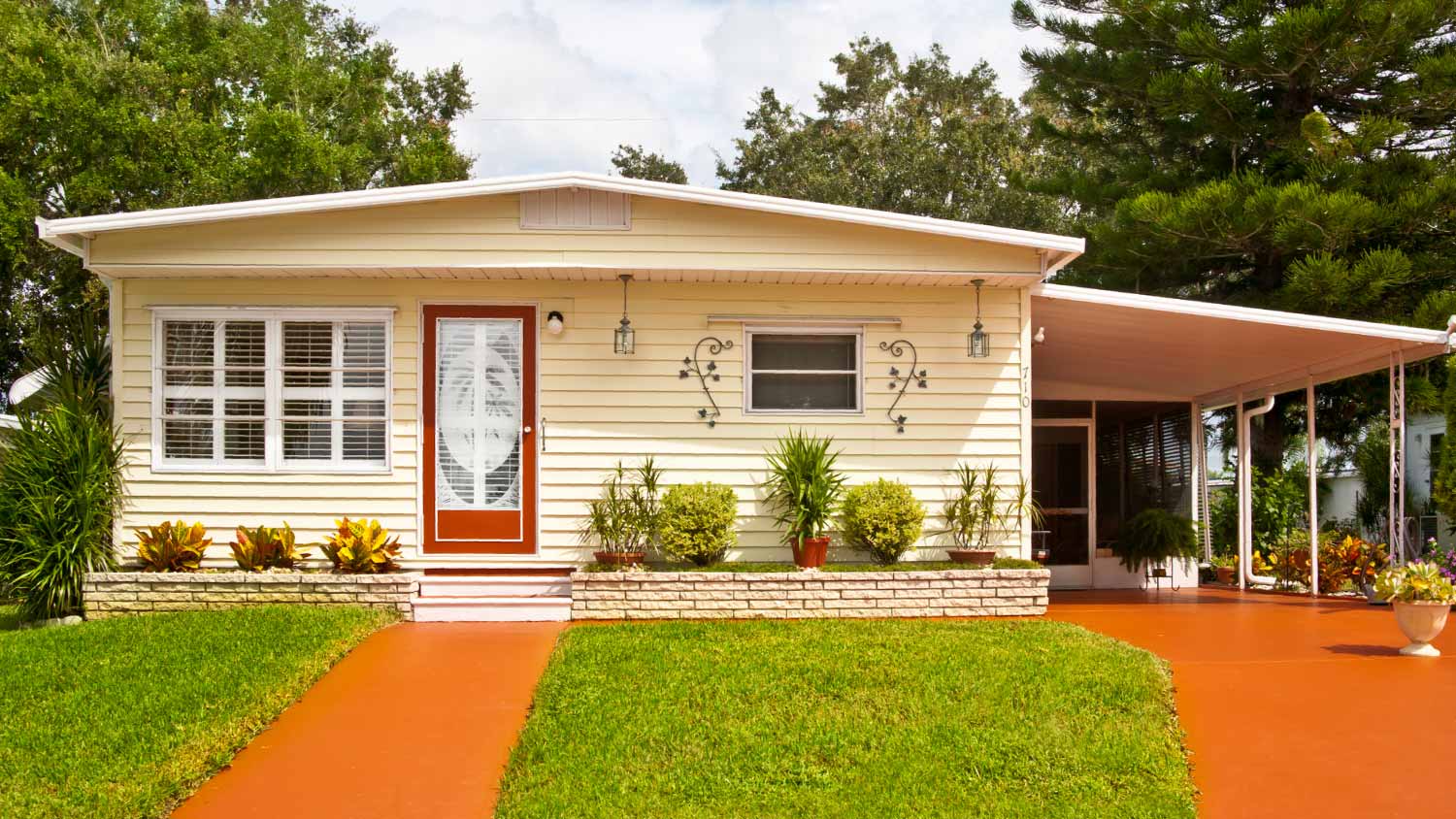
The cost to winterize a mobile home depends on several factors, including type and location. Our guide will show you how much it costs to winterize a mobile home.
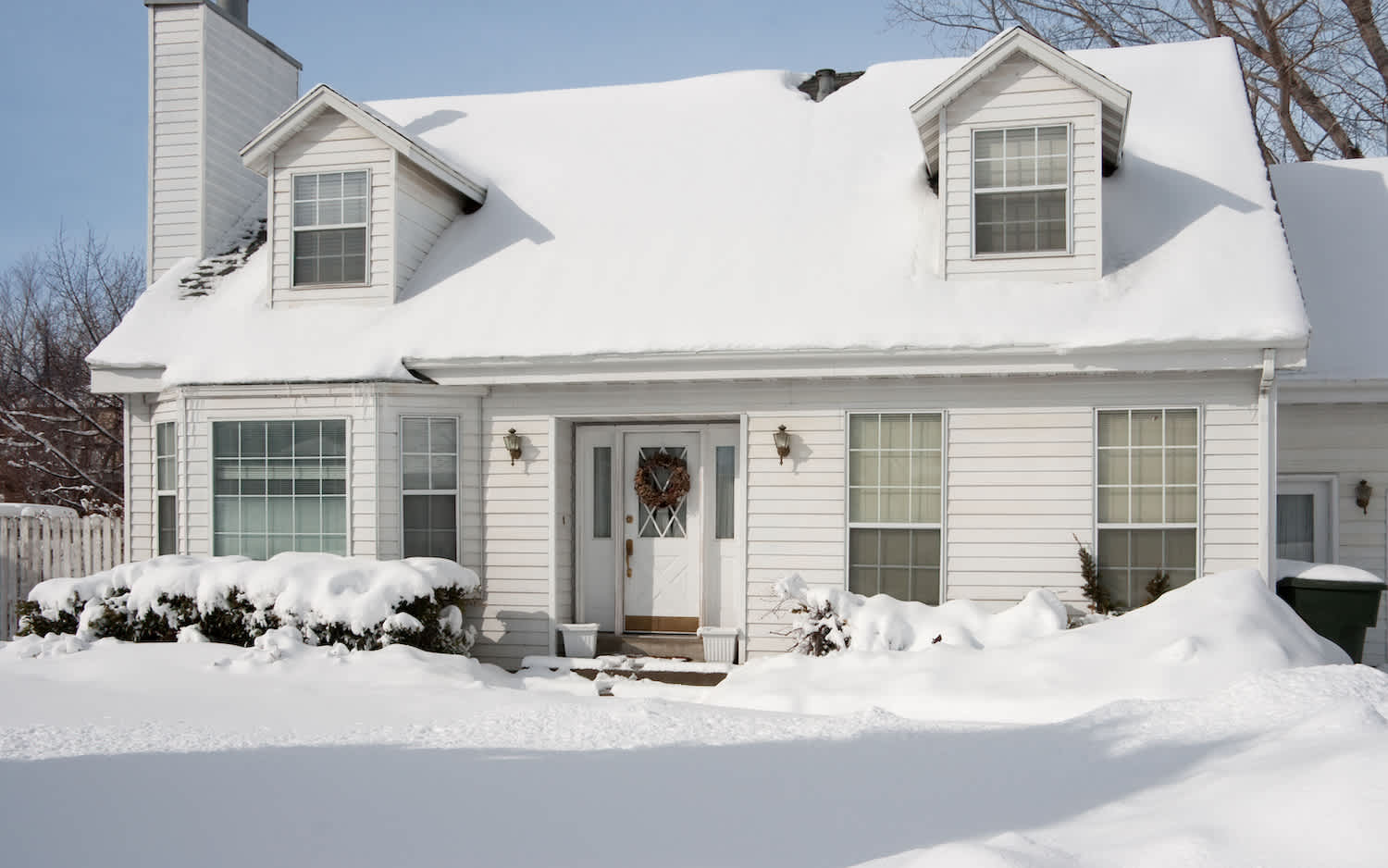
Discover the best ways to protect your home from damage and keep your heating bill down this coming winter with these helpful winterization tips from Angi.

This article presents home improvement projects perfect to complete in the wintertime, including ways to insulate your home. Read on to learn about cold-weather projects you can easily do.
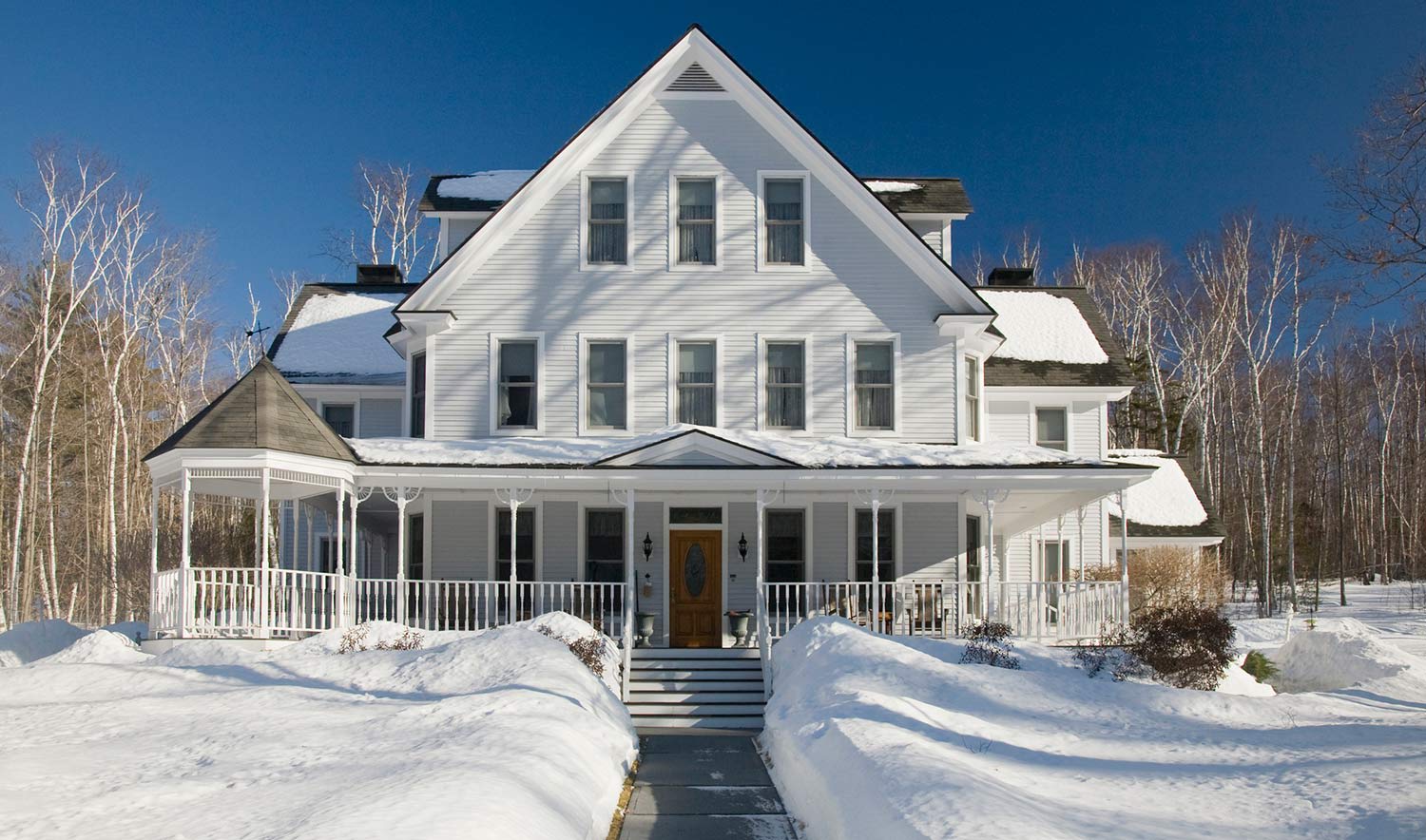
Selling your home during the winter can be more challenging than in warmer seasons, but follow these 10 key tips for listing, marketing, and staging your home during the winter months, and it might be off the market by spring.
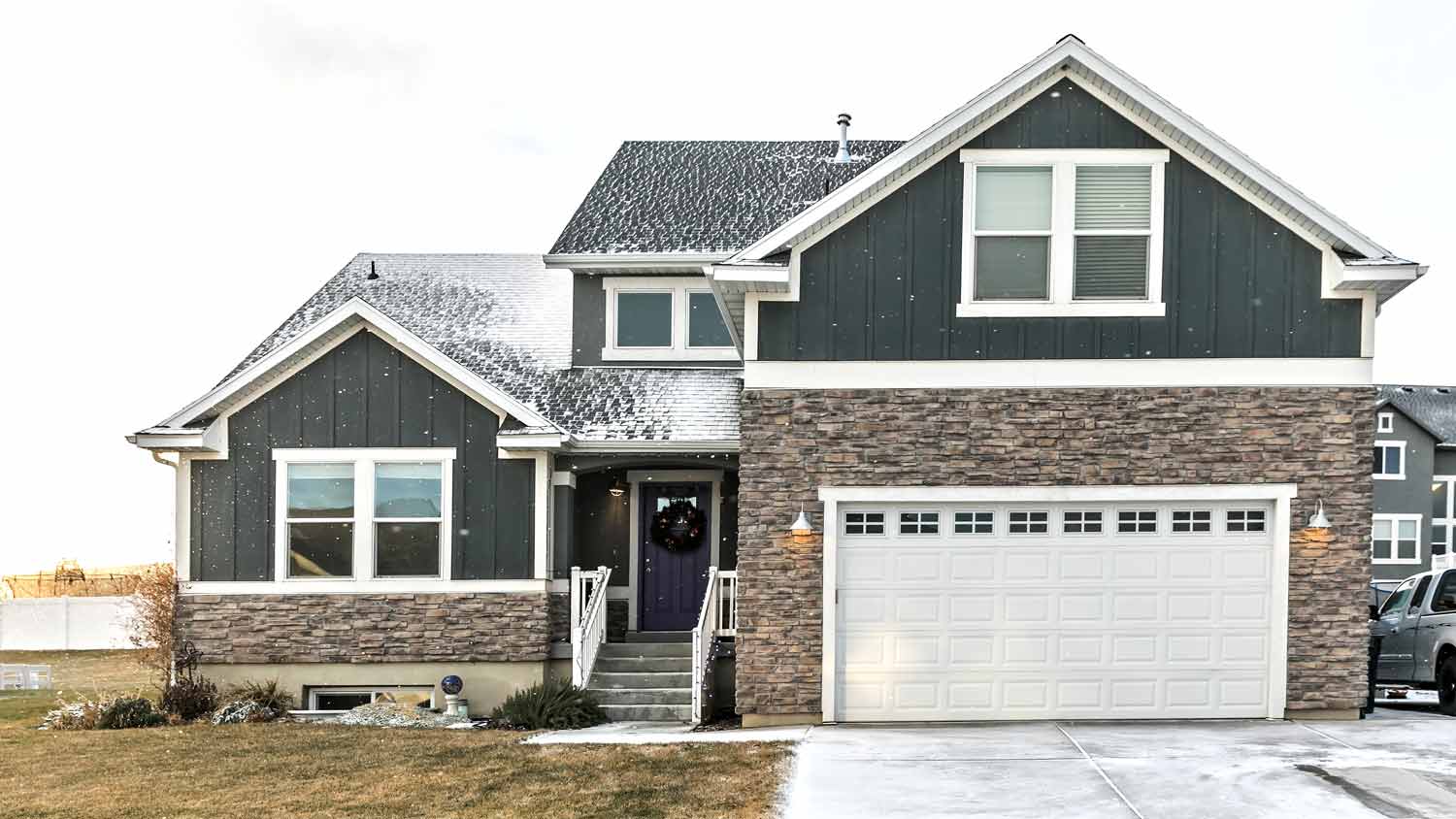
Not sure how to winterize a house for the fast-approaching winter? Learn what necessary tasks to complete with this comprehensive checklist.