
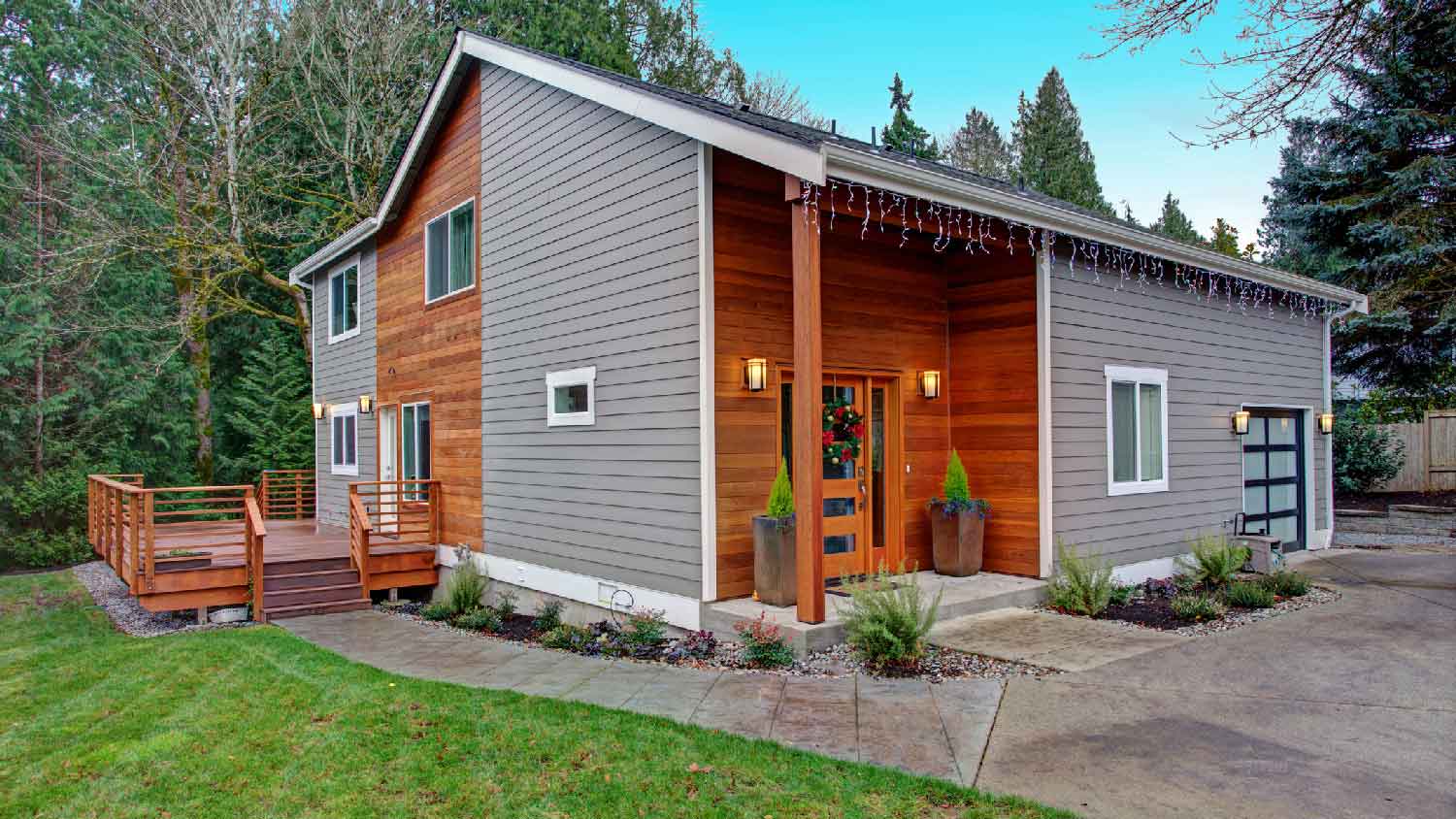
Your dry rot repair cost will depend on factors such as the extent and size of the damage and its location within your home. Here's what you need to know.
There’s no room at the inn for Serpula lacrymans

Dry rot in timber starts when wood stays damp in temperatures between 71 and 79 degrees Fahrenheit, allowing fungi to attack and weaken your home's structure.
Expect to pay $400 to $1,000 for dry rot repairs when caught early, with rotted support beam replacement costing around $3,250 when damage spreads.
Your home shows dry rot through brittle wood, musty smells, white cobweb-like growth, or water droplets on timber surfaces that need immediate attention.
Hiring a local water damage restoration professional provides reliable help identifying hidden moisture sources and completing structural repairs before dry rot spreads through your home.
What is dry rot, exactly? Your wood home is probably one of your greatest investments, so you want to keep it safe. That’s why it’s so important to spot problems, especially ones unique to your home’s structure before they turn into costly damage. Dry rot affects wood and can rot floor and ceiling beams, leading to structural problems, including deteriorated support posts and beams.
Find out if dry rot has affected your home, how to prevent it, and what to do if you discover it.
Dry rot (aka brown rot) is wood decay caused by microscopic fungi that feed on wood and consume the cell walls, which give timber its strength. Dry rot leaves dry and brittle wood in its wake and can ruin any wooden structures inside or outside your home.
Unfortunately, most people cannot identify the signs of dry rot infestation themselves. But if you don’t identify and treat dry rot immediately, it may be necessary to replace all affected timber.
Though the terms are used interchangeably, wood rot and dry rot have different meanings. Wood rot is a broad term that describes various types of fungal decay in wood, while dry rot is a specific type of wood rot caused by the fungus Serpula lacrymans. Dry rot can thrive at a low moisture level and spread rapidly across plaster and even masonry to infect new areas of wood.

Despite the name, dry rot needs moisture to start. However, it can spread without any source of moisture because it can generate moisture through the digestion of timber.
Dry rot can happen because the wood wasn’t properly dried before being used or when the wood sits in excess humidity and warm temperatures between 71 to 77 degrees Fahrenheit.
This organism targets cellulose in the wood’s structure and destroys it. The wood later shrinks and turns deep brown. Once rot starts growing, it spreads rapidly.
Dry rot can travel through various materials, including masonry, and spread throughout a property. If not stopped, dry rot will weaken the whole building to the point of decay.

Look at the areas of your home where there are humidity or water sources.
Around gutters or downspouts
Where water runs off the roof along the wall
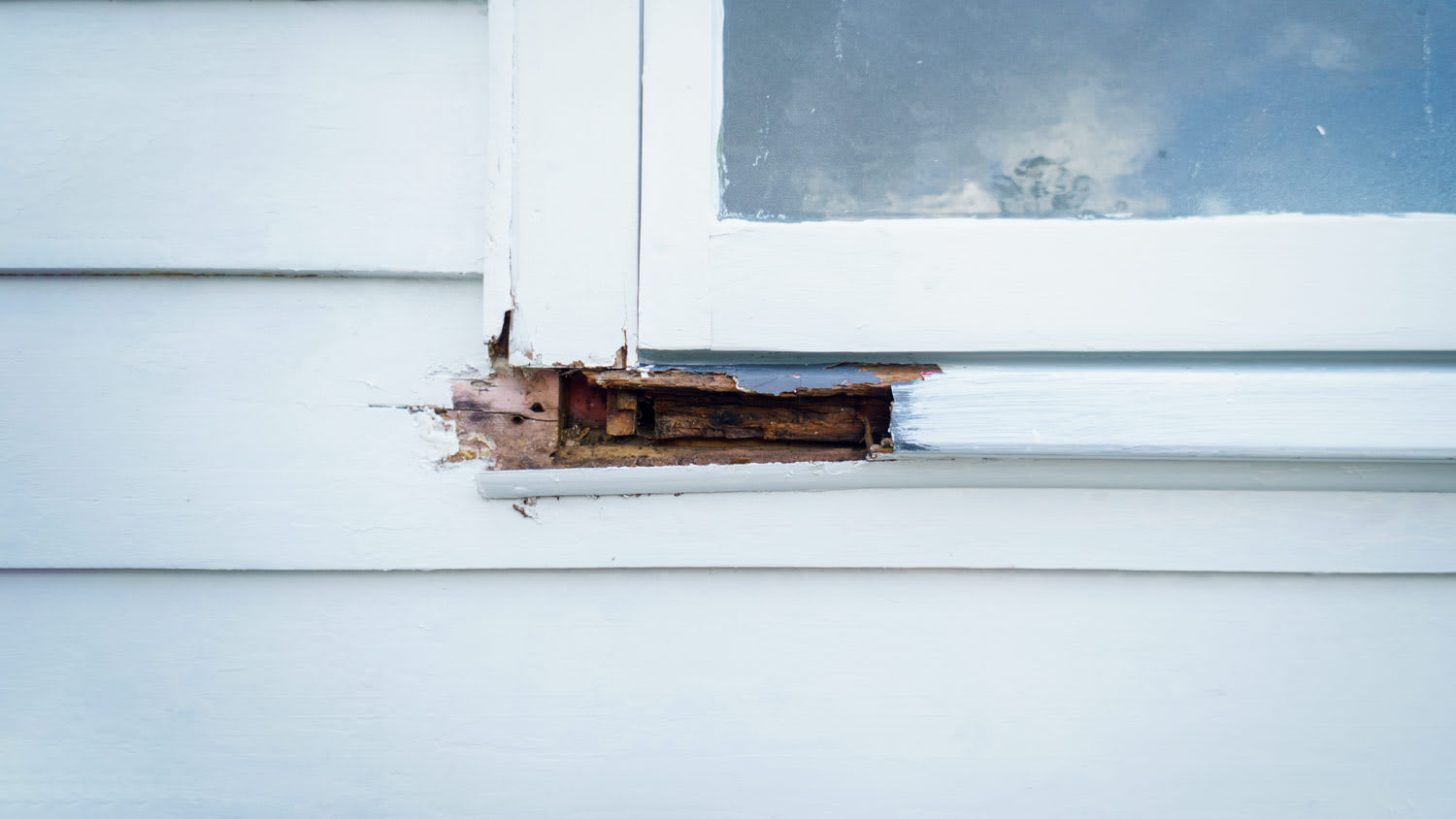
On wooden door frames and windowsills
Near any connections between vertical and horizontal surfaces (i.e., corners)
On areas with water leaks, such as the roof
On structural points where wood meets the ground
By leaky pipes, unventilated attic space, and damp basements or crawl spaces
Several signs indicate the presence of wood rot. If you see any of these signs, you probably have dry rot.
Visible fungal growth that looks like a fluffy white cobweb
Strained drywall
Water droplets on the surface of the wood
Brown dark timber
Brittle or weak wood
A musty or damp smell
Patches of light purple, orange, or brown that peels easily
Grayish strands on the wood or timber
Fruiting mushroom bodies among the spores
Test the area by poking it with a screwdriver. If it penetrates the wood or makes the wood flake easily, there is likely rot. Contact a local home inspector so they can look into this further and check your home for signs of wood rot.
While dry rot spores are not harmful themselves, a house with dry rot isn't a pleasant place to live in, especially with the smell of damp soil filling the air. The damp conditions pose a health hazard for infants, older people, and those with respiratory diseases.
Beyond this, dry rot is very dangerous to your home itself, as it can quickly cause extensive structural damage.
Dry rot, driven by the fungus Serpula lacrymans, has the power to wreak havoc on your home. Left untreated, it can cause damage to your entire property, as it spreads quickly to any moist wood and even porous masonry. Once present on the wood, it will deteriorate it, impacting the structural integrity of your house.
In addition, the moisture in your home that allows the dry rot to thrive can cause respiratory problems (especially for those with asthma). A small number of people may find themselves allergic to the fungus that causes dry rot.
The deterioration, and subsequent damage, is progressive and can snowball quickly, so the longer you wait to treat dry rot, the further it will spread and the worse the situation will be. When you have a toothache, it’s best to go to the dentist sooner rather than later to prevent a small problem from becoming a large one. The same rule applies to dry rot.
Once you identify that dry rot has started, you’ll need to stop it immediately. First, find the source of the problem and eliminate it. A fungicide with borate is one of the most effective ways to kill fungus and prevent dry rot. However, this solution will only work if the dry rot is at the first stages. For more advanced cases, you will need to replace the affected wood with treated timber.
Because dry rot can move so quickly and cause such damage, you’ll want to get a water damage restoration pro or a local carpenter to evaluate how to treat the dry rot properly. You can also call a local handyperson if they have experience with dry rot.
When it comes to dry rot, prevention is the key. It’s easier and more cost-effective to prevent decay rather than fix it. The key is to limit wood exposure to moisture in your home with these tips:
Seal all cracks with caulk. Be sure to scrape away old hardened caulk and replace it with fresh caulk.
Clean gutters regularly—at least twice a year—to prevent blockages that can lead to water running over the side of your home.
Make sure to prime any outdoor wood on all sides before painting.
Check for plumbing leaks and repair any problems ASAP.
Add a canopy over the entryway to keep the rain away from the doors.
Use a good dehumidifier in the basement or any house room subject to high humidity.
Make sure to ventilate bathrooms, attics, crawl spaces, and kitchens properly.
Repaint exterior windows and siding if the paint is cracked or peeled.
Sweep standing water from outdoor decking as soon as the rain stops.
Check all flashing to ensure water can’t get inside your home.
Have your house inspected annually to identify any cracks or potential damage.
Always use decay-resistant or pressure-treated wood for exterior projects.
Be proactive and on top of any small issues on the roof and repair them ASAP.

Exquisite workmanship from Custom Paint Jobs LLC. My home has never looked better.
 Custom Paint Jobs, LLC
Visited my home for estimate same day that I called. Painted on Saturday. Great job. Good price!
Window Depot did an amazing job on my deck. I wasnt sure what I wanted to do, but their composite decking was affordable and will last a long time. I am excited to have family over, and I am no longer embarrassed by my backyard. Jeff and the ground crew were polite, respectful, and caring for...
 Window Depot USA of Central Ohio
The guys did an outstanding job and we had a great experience with CarifaTile. I appreciated that Joe reviewed the quotes with me and set expectations prior to the install. The crews showed up as scheduled and always left the areas clean upon leaving the house. We will definitely use...
 CarifaTile
Beginning with the estimate, Larry and Peyton were super helpful in getting my new condo's interior re-painted. Not only was the job well done, but also done in a super timely manner as promised.
 Five Star Painting of Plain City and Powell
BJ Trim Carpentry rescued me in the middle of a do-it-yourself project. I found I needed more expertise than I had...and more TOOLS! BJ Trim Carpentry responded quickly and completed what I needed expertly, politely and with a little humor!
This brownstone is historical and the carpentry work is very detailed. I was very happy to secure a company in NY and living in OH to complete the request. Wood work on this brownstone has been existing since approximately 1888 and West side did a GREAT JOB. I will not be able to...
 Westside Home Improvement
We had a great experience with Mark Rodgers Construction. We were in the process of seeking out estimates for possible foundation work for our front porch. Mark came out himself to provide the estimate. Turned out that the company deals mainly with concrete, so we wouldn't be getting an...
 Mark Rodgers Construction
Overall this experience was incredible! I looked on Angies List for a cleaning service because I was planning a holiday party and wanted to make sure we found a reliable, thorough and efficient cleaning service to make sure everything was perfect for the party since we had co-workers and...
From beginning to end our experience with Joe was very good. He was professional and prompt in his estimate for the job and worked hard to meet our schedule so that he could remove our old backsplash the day before our new countertops were removed and return shortly after they were removed to...
From average costs to expert advice, get all the answers you need to get your job done.
Your dry rot repair cost will depend on factors such as the extent and size of the damage and its location within your home. Here's what you need to know.
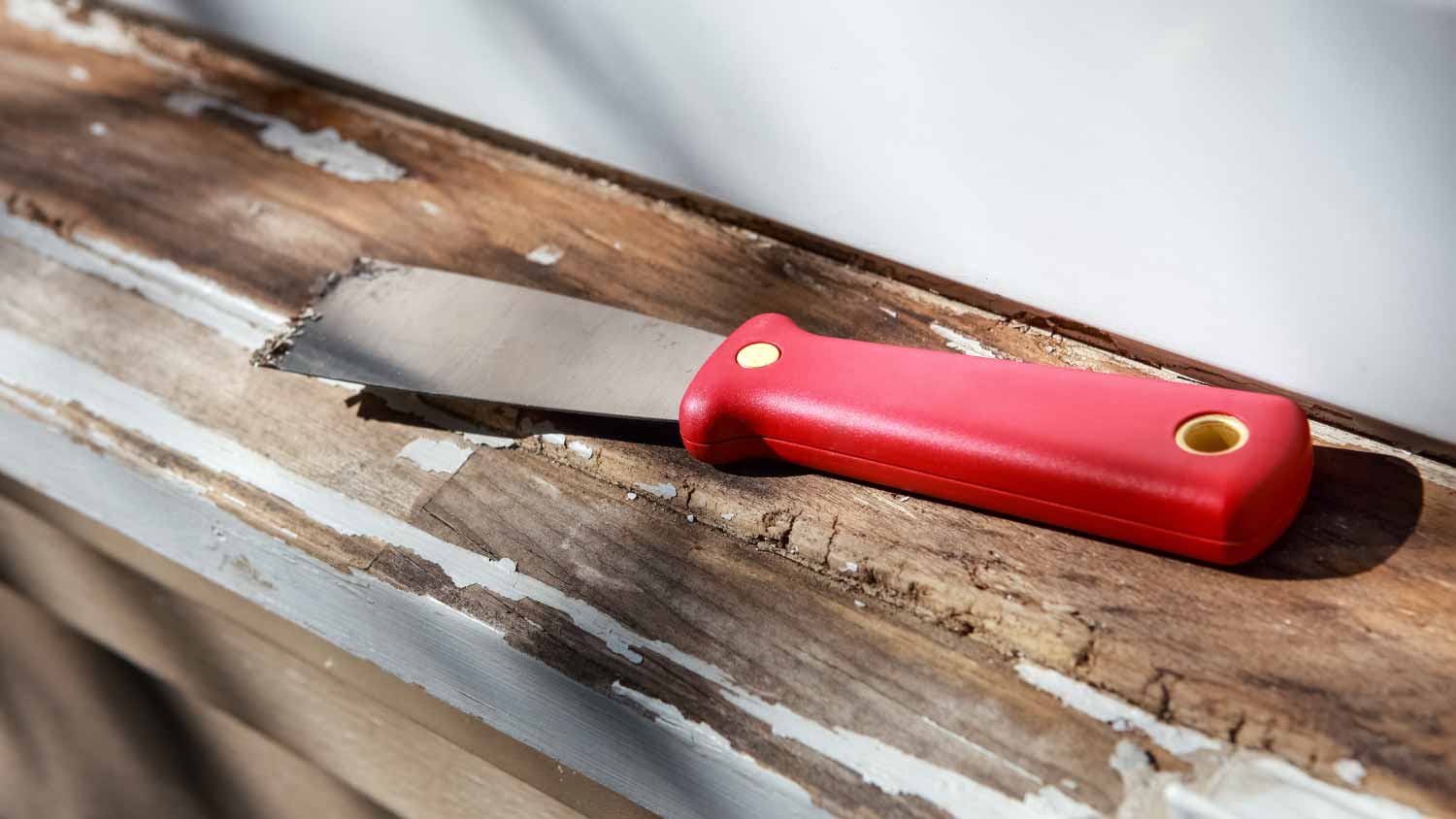
Learn how to hire a qualified dry rot repair pro. Find the right contractor, ask the right questions, and protect your home's structural integrity.
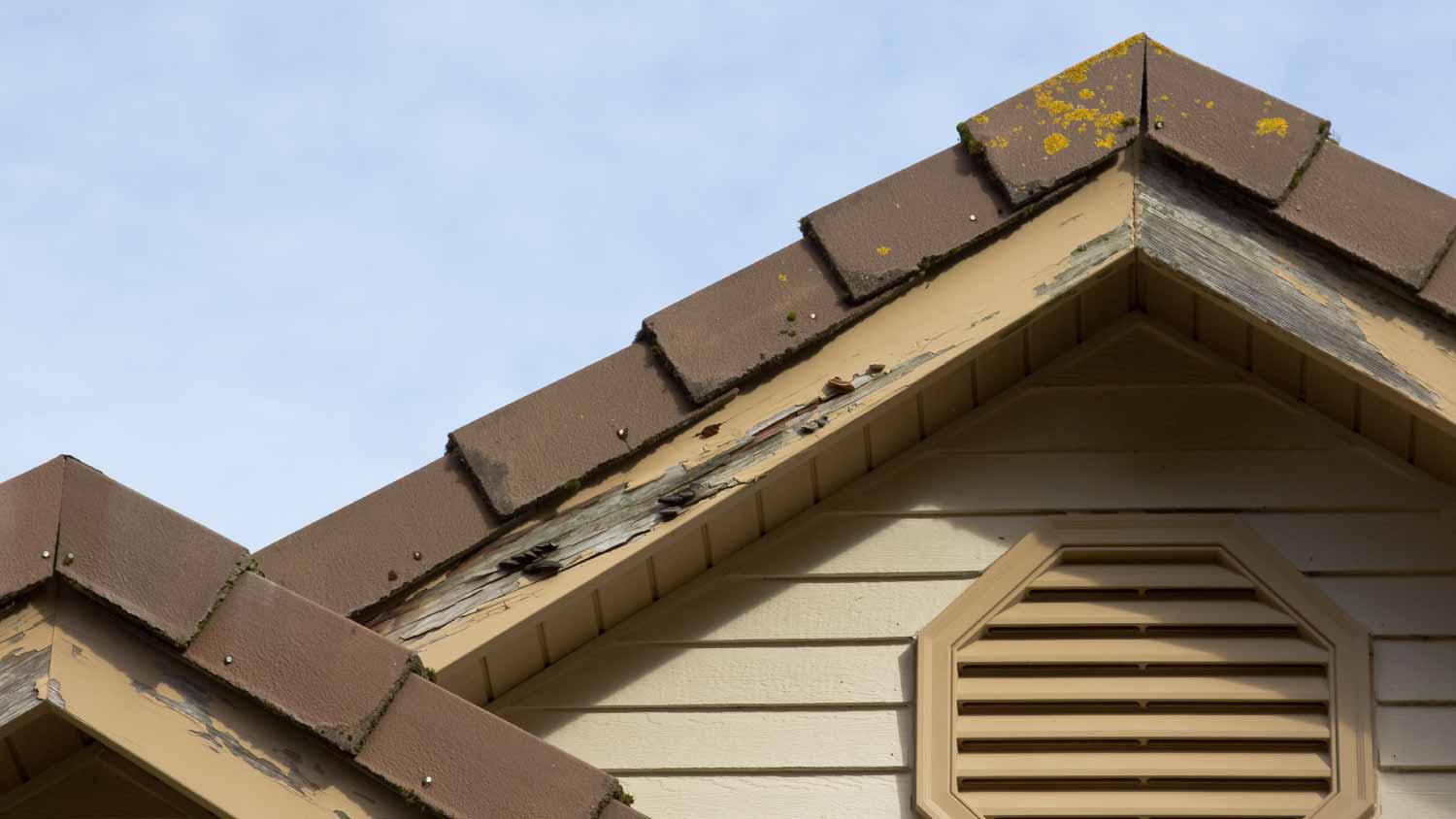
If you see mushroom-like structures on wood at your home, you likely have wood rot. Learn more about the two primary types of wood rot—dry rot versus wood rot.
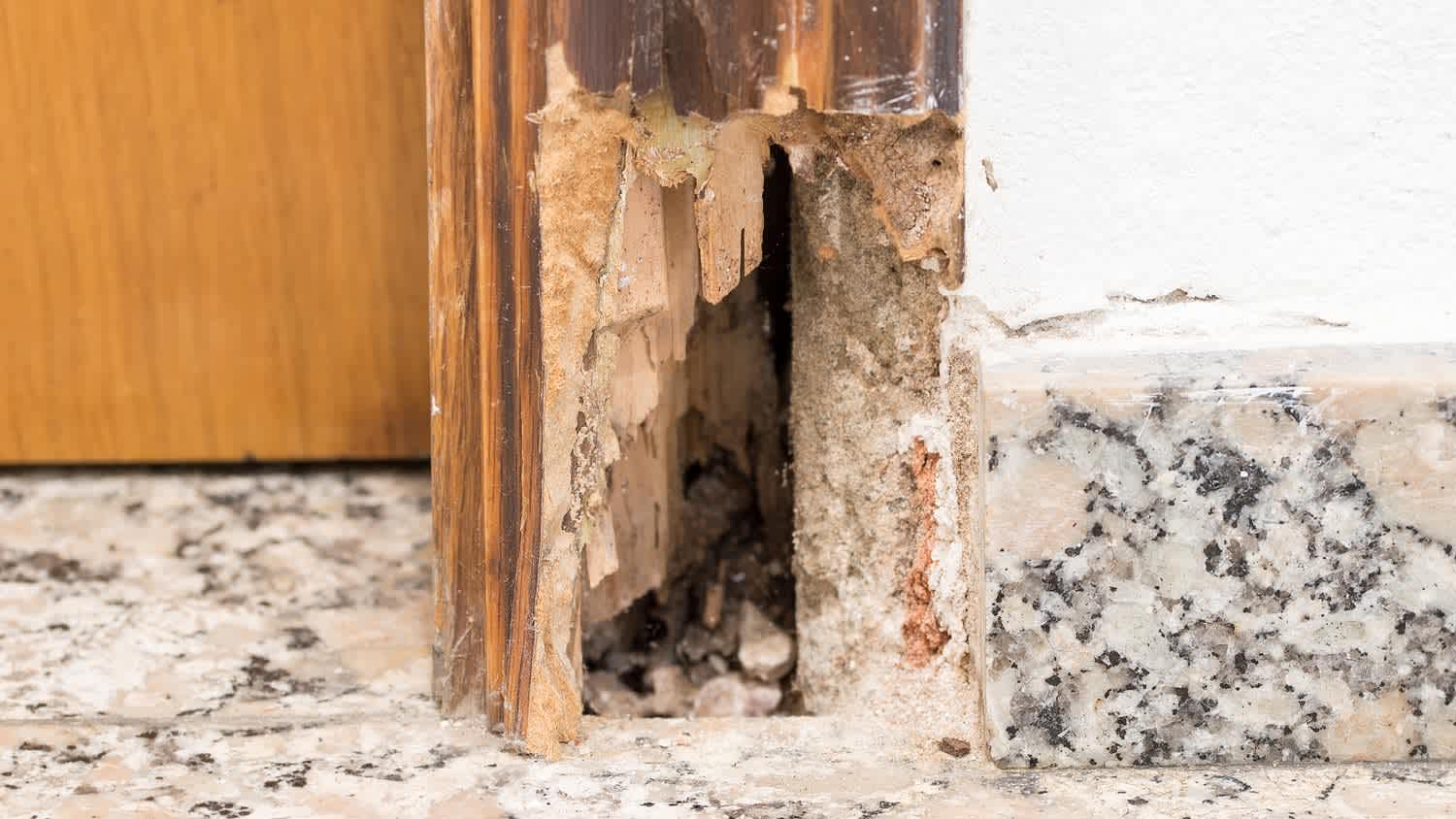
What does dry rot look like? Knowing what signs to watch for will help you identify and treat infections before they’re too big to fix.
The five primary types of wood rot are dry rot, wet rot, brown rot, white rot, and soft rot. Learn what causes them and how to identify them in your home.
Left alone, dry rot is bad news for your home and can lead to major structural damage. Save your home by learning how to repair dry rot before it spreads.