
Nearly every electrical wire in your home has a different purpose. This article will cover the types of electrical wires, what they’re for, and how you can tell them apart.
Spark up a good conversation

Your electrical wiring questions for a remodel or addition should cover fixtures, outlets, lighting needs, and any special features like dimmers or ceiling fans.
Expect to pay $150 to $600 for minor electrical work and $2,000 to $10,000 for complex jobs, so planning your budget early helps.
Your remodeling timeline affects when electricians run wiring after framing and return to install fixtures and outlet covers once drywall is complete.
Hiring a local electrical professional provides reliable guidance on your home's electrical load capacity and helps you plan upgrades like additional panels or circuit breakers.
Whether you’re renovating your kitchen or adding a bedroom, electrical work plays a big role in how you function in and enjoy your space. Before you get started, think about your vision for fixtures and outlets, and consider how the electrical components factor into the rest of the project. Here are seven electrical wiring questions you can expect to discuss with a licensed electrician or general contractor.
The design phase of a new space is the perfect opportunity to decide what you want from an electrical standpoint. Consider all the fixtures and functions that need electricity, including types of lighting, home theater setups, and outlets. Think about potential decorative elements, such as plugging in Christmas lights above a mantle or adding wall sconces on either side of your TV. Decide if you want dimmers, ceiling fans, or outlets in specific locations, like next to your bed for charging your phone. With a clear picture of your electrical needs, your contractor can better plan your project and provide accurate quotes.
If you’re unsure about specific design elements, ask your licensed electrician for their recommendations. A professional can guide you on best practices and locations for everything electrical.
Your contractor will want to know how easy it is to access the space for electrical work and what equipment and materials they’ll need. Will the contractor need to open up an entire wall to run wires, or can they reach the room from an unused basement or attic space? If dampness or water could reach the electrical components, such as in a basement reno or bathroom remodel, the pro will need to install GFCI outlets.
In a typical remodel project, the electrician runs wiring after the framing but before the drywall. After the drywall is in, the electrician returns to complete the finer portions, such as installing light fixtures and outlet covers. Be ready to share your renovation timeline with your electrician so they know when to schedule your project.
Your contractor will assess your home’s current electrical load to determine if it can support the remodel or addition. Your electrical panel might be adequate to handle the extra power demand, or you may need to add a secondary panel, increase your service, or add more circuit breakers. Now’s a good time to discuss any other electrical needs you want to add to your home, such as power for a hot tub or an electric vehicle charger.
While a licensed electrician is on-site for your renovation project, it’s smart to capitalize on the opportunity to save on cost and time. Consider other electrical upgrades you want around your home, such as better lighting in your living room, an outdoor outlet, or USB charging ports for your existing outlets.
In many cases, an electrician can work their magic without turning off the power to your house. However, the power may need to be out for a few hours to a whole day for electrical service upgrades. Think about the best times for an outage for you and your family.
The average cost of an electrician for a minor job is $150 to $600, while more complex jobs range from $2,000 to $10,000. The price depends significantly on the type and amount of work. Consider how much you want to spend, but get at least three quotes from local electricians to ensure you get a fair price for the job.
I recently had Mosby Electric perform an electrical installation on 8-14-2026, and I couldn’t be more satisfied with the service. From the moment I called, their team demonstrated fast arrival and professionalism. The electricians were highly knowledgeable, completing the installation...
 Mosby Electric
Great company! Price was competitive, technician showed up on time and completed the job (exterior electric Radon fan replacement) quickly. Would hire them again.
 MaGen Property Inspections and Radon Mitigation
I conferred with 2 other contractors before Armstrong Electric. Nick and his crew showed me that the project was not as convoluted as the other contractors made it appear to be. They completed the entire project on time. They were professional, friendly and cleaned up after at completion. I...
 ARMSTRONG ELECTRIC, LLC
The techs on my project, Shawn and Cliff, were great. They were prompt, courteous, and efficient. I am very happy with the results and would definitely contact Mr. Electric for any future electrical projects.
 Mr. Electric of Columbus
Victor was wonderful. He was on time, professional, and explained everything he was doing. He was thorough and figured out that the problem was electrical instead of with my HVAC system. Very knowledgeable. I will be using this company in the future for any HVAC needs. Thanks!
 Hubbs Heating & Air LLC
They were excellent. They did a great job. I was totally satisfied. They put tremendous effort in making sure the work was completed. They were great. They provided immediate response to any inquires I made. I would hire them again. I would recommend them to anyone who needs electrical work....
 JCB & Associates, LLC DBA Property-Tech Industries
Initially, the repairman could not find the problem. Apparently, there was some electrical shortage, but he could not find the definite problem. He left, but called back later to say he had a new idea. He returned and replaced the light switches on the doors. The refrigerator seemed to return...
 Appliance Pro LLC
The initial quoted price from a walk-through seemed high, but we discussed that the quote represented worst case scenario (re-wiring to two floors) and we were excited about the opportunity to have the work done in a timely manner with closing for fire safety reasons, etc. When the job was...
I have to tell you I am all about customer service - I will go out of my way and even pay more for it if you give me great customer service. <br> <br>In a world where this is hard to find, these guys were awesome! I can not sing their praises enough. They were prompt, personable, funny, got...
 Waibel Electric
When I challenged the markup on the generator, Bruder Electric withdrew its bid. They only want naïve customers.
From average costs to expert advice, get all the answers you need to get your job done.
Nearly every electrical wire in your home has a different purpose. This article will cover the types of electrical wires, what they’re for, and how you can tell them apart.
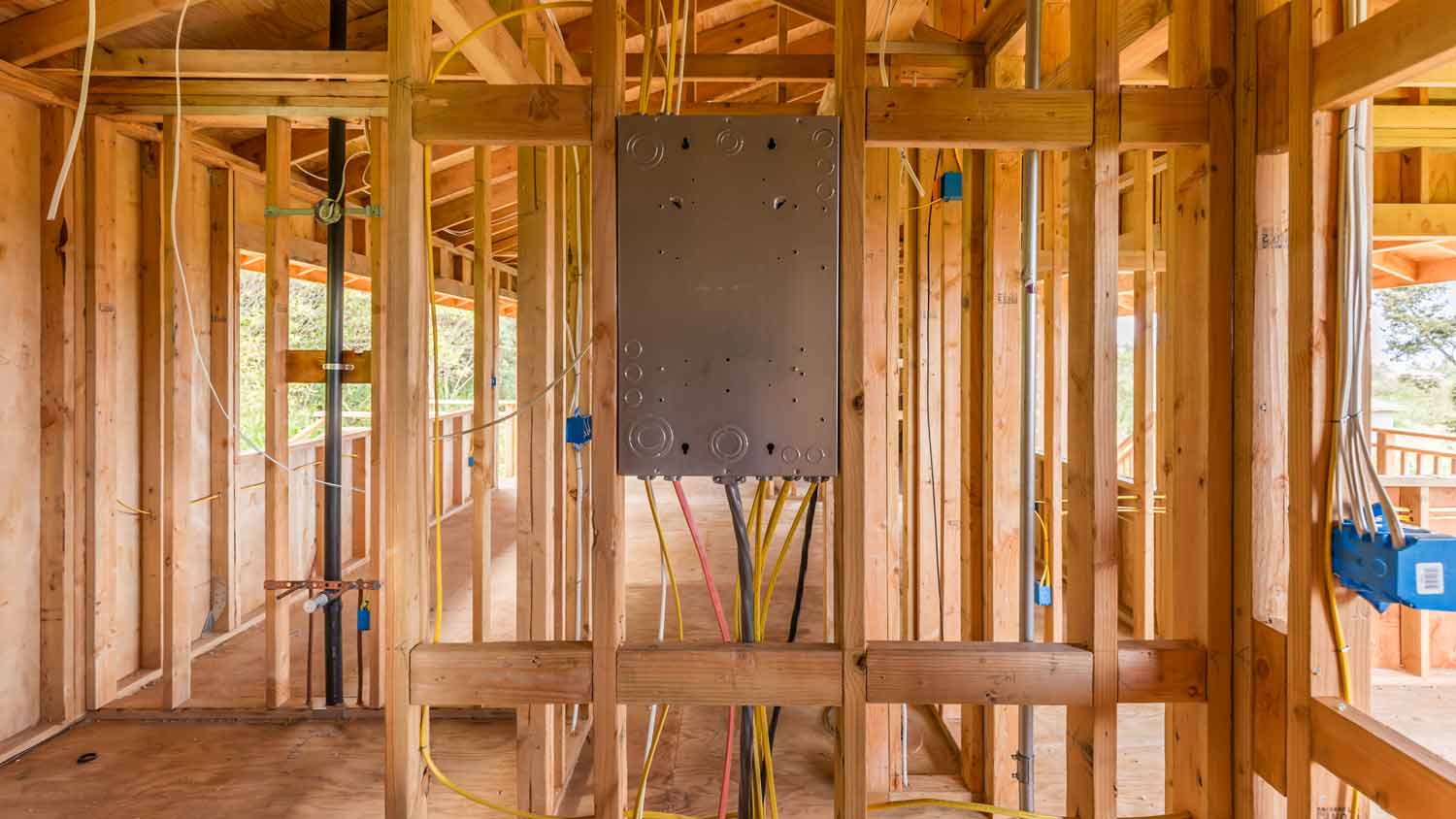
Electrical wiring is an essential part of new home construction. Learn how to devise a solid plan for all of your new home’s electrical needs.
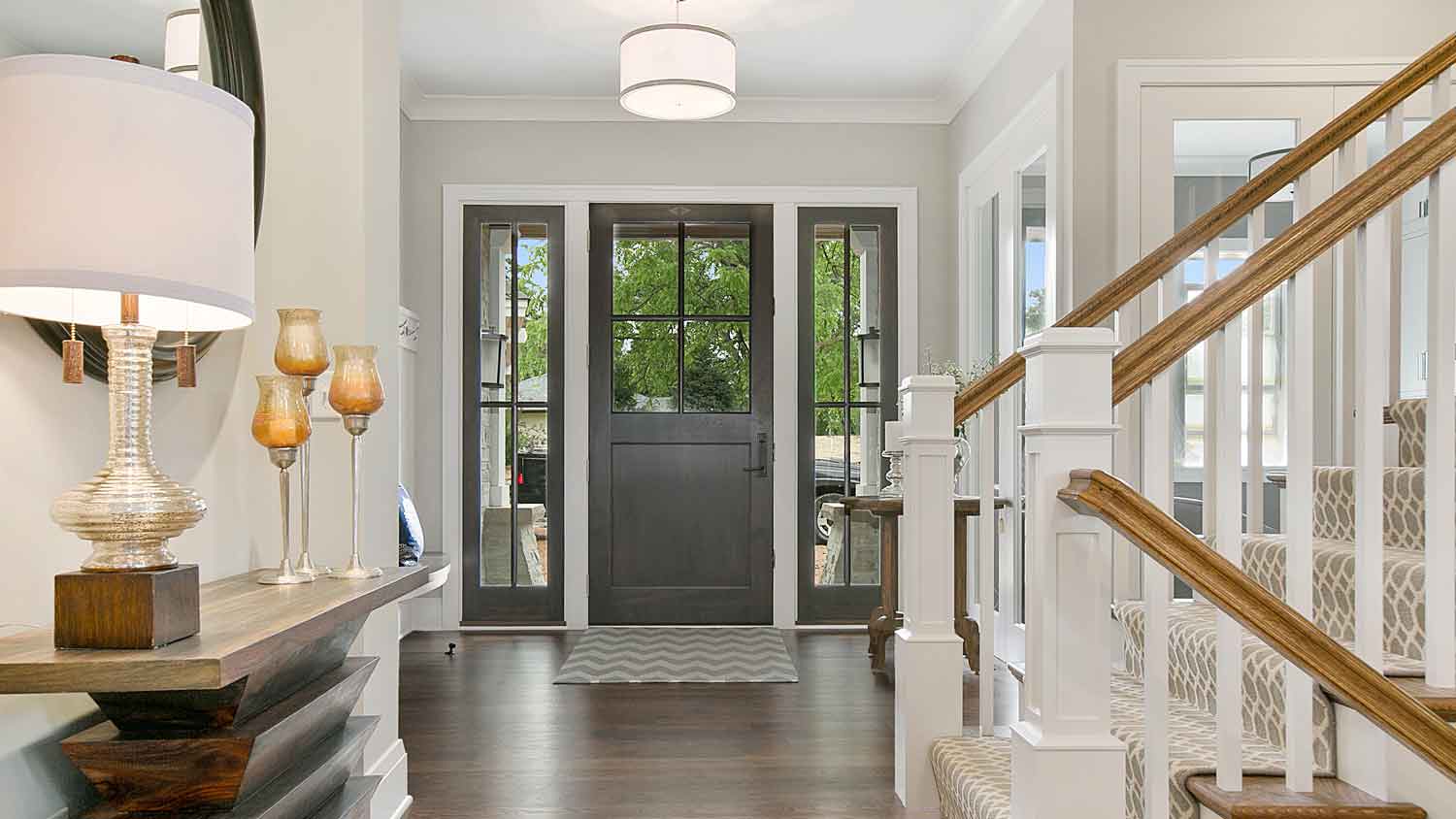
You can find several types of electrical wires in your home, but do you know which one is which? This chart of electrical wire types will help you identify the wires you’re working with.

All home electrical wires follow standard color codes that identify how each one functions in a circuit. Learn about the colorful world of electrical wiring.
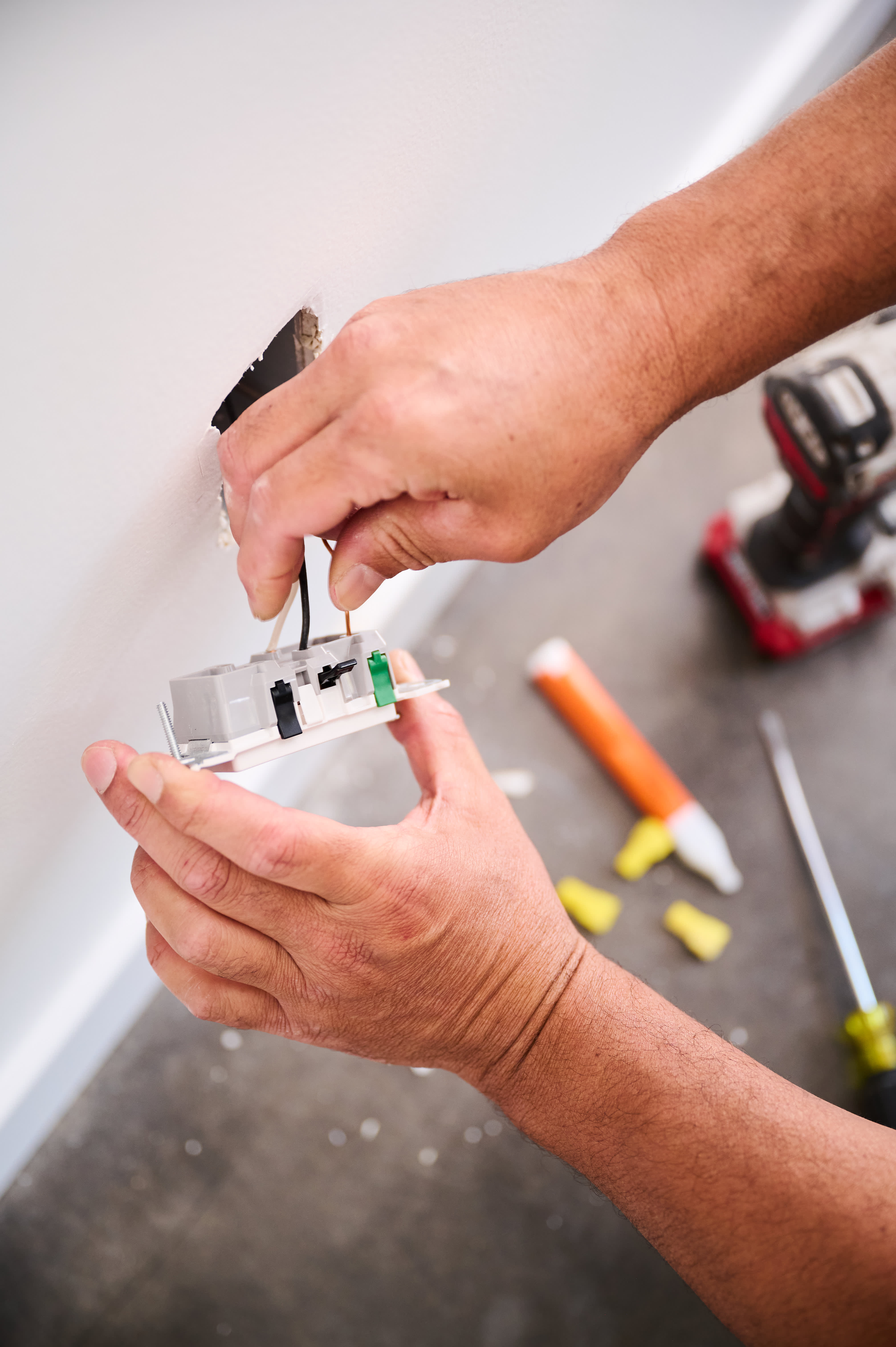
Do you know if the black wire is positive or negative? If not, stop right now and check out our guide on differentiating electrical wires.

Electrical wiring repair and installation projects can be expensive. Here’s how to know if your home insurance will cover them.