
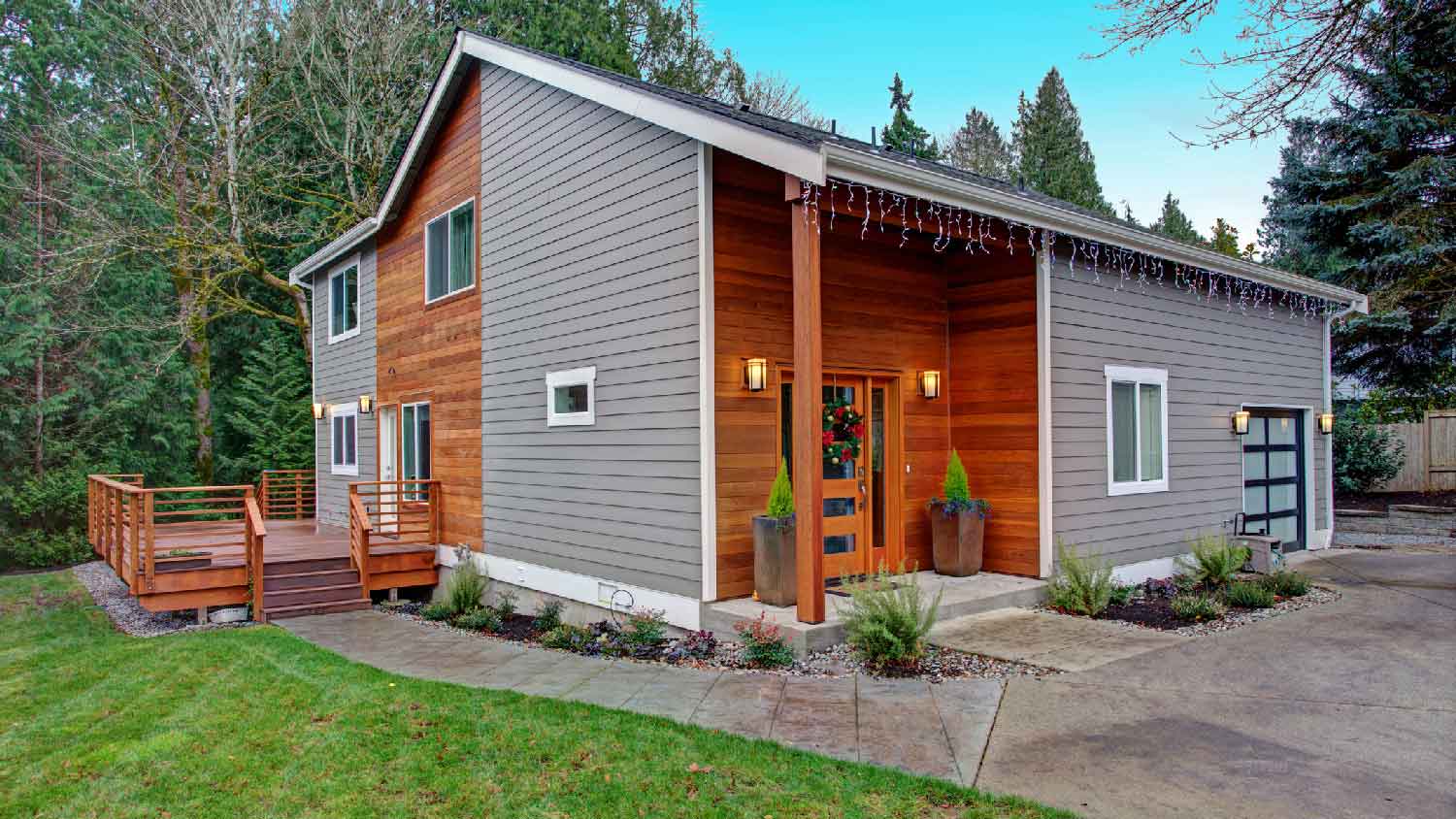
Your dry rot repair cost will depend on factors such as the extent and size of the damage and its location within your home. Here's what you need to know.
Keep the decay away

Wood rot prevention starts with controlling moisture exposure, as fungal growth thrives in damp conditions and causes decay in both interior and exterior wood.
Your basement or crawl space benefits from a dehumidifier to reduce airborne moisture, while proper drainage and ventilation help prevent wet rot from developing.
Sealing exterior wood with lacquer or polyurethane protects against water damage, and reapplying the sealant every one to two years keeps your wood protected.
Hiring a local water damage restoration professional provides immediate help with dry rot issues and moisture problems, keeping fungal spread from damaging additional lumber.
Wood is a popular building material in homes, in large part because it can last a lifetime and beyond in the proper conditions. However, wood can rot quickly if it is constantly exposed to moisture or if it comes in contact with infected wood. Use these tips on how to prevent wood from rotting to ensure you don’t end up with property damage.
The best thing you can do to prevent wood from rotting is to limit its exposure to moisture. Moisture will promote mold growth, which can eat away at the material over time, but it can also make the wood a breeding ground for different fungi that can cause wet rot and dry rot.
For exterior wood, you can slope surfaces to help them shed rain and snow better. For wood inside your home, like in the basement or crawl space, install a dehumidifier to reduce the amount of moisture in the air. An exhaust fan in a bathroom or laundry room is a good idea to reduce interior humidity. Reducing moisture has the added benefit of reducing your risk of pest infestation and related damage.
For outdoor projects, much of the moisture wood will see will come from the ground, so avoid ground contact whenever possible. You can lay down a bed of gravel under any wood that will need to rest on the soil or grass. If you’re installing a concrete pad for the wood to rest on, use a moisture barrier between the materials to prevent water from wicking up to the wood.

Sometimes, it’s not possible to avoid exposing wood to water and moisture, as in the case of a wooden deck or exterior trim. In these cases, sealing the wood is the best treatment option for wood rot. Wait until the wood is entirely dry, and then add a coat of lacquer, polyurethane, or another type of exterior sealant. Plan to reapply every one to two years, depending on your climate.
Wet rot and dry rot occur when wood comes into contact with spores from a variety of fungi that grow on wood. Since trees, stumps, and stacked firewood can be sources of these spores, you may not be able to protect exterior wood completely. However, grinding down tree stumps and keeping firewood covered and dry can help. For interior wood, like studs and floor joists, avoid bringing potentially contaminated wood into your home.
If you’re completing a DIY project and want to prevent the wood you’re using from rotting, choosing the right type of wood can do wonders. Generally speaking, softwoods are more likely to rot than hardwoods, but your best option is pressure-treated wood if you know your project will see a lot of moisture. This type of wood has chemicals in it that deter fungi from infecting it, so it stands up much better to exposure. Opt for ground-contact pressure-treated wood, specifically if your project will be in contact with soil.

Finally, trim plant growth away from wood surfaces on outdoor wood projects. Bushes, shrubs, and tree limbs can direct moisture toward things like exterior trim and decking materials and then hold the moisture against them, promoting rot.
All wood rot is caused by fungal growth, and the type of wood rot you’re experiencing depends on the specific fungus that is eating away at your wood. While fungus is what actually causes the rot, moisture is what allows the fungus to thrive. Fungus won’t grow on dry wood, so moisture is always the underlying issue. As such, a reputable professional who fixes wood rot will begin by addressing the moisture problem.

Once fungus begins consuming wood, it can spread to connecting pieces and nearby lumber, so you should act quickly. First, try to identify the type of wood rot you have. Dry rot fungus can spread through dry wood, so it can persist even if you address the underlying moisture issue. As such, dry rot repair costs tend to be higher. Wet rot will only grow on moist wood, so you can stop wet rot in its tracks by eliminating moisture in the wood.
If you notice any signs of dry rot, call in a local water damage restoration company immediately. They can help treat the wood, remove damaged portions, and solve the source of the problem to prevent the damage from returning. For minor issues with wet rot, you could opt to solve the moisture issue yourself and then hire a local handyman service to carry out cosmetic repairs using wood filler and sealant.
If you’re good people wanting to do business with good people, hire Matt. He is a consummate professional and utterly competent. He installed a water heater in my home at a price that beat competitors by hundreds of dollars with a promise to support the unit for its life (even after its 6 yr...
 Greene's Plumbing Services
Corey Carr was great. I had damage from a recent storm and needed to have my mast and other components replaced. The project entailed coordinating with AEP, and Corey helped make a stressful situation a lot less stressful. I really appreciated his dedication to service and the job very well done.
 Mr. Electric of Columbus
This service was great. My air conditioner went out during the heat spell that we had. My husband has health issues and they came out that night and at 9:30pm the air conditioner was fixed and running. We are sooo very thankful, this is the company I will be using from now on and would...
 Mr. Mechanical Ohio
Positive experience. As previously stated, the replacement/repair could not be completed (no fault of the plumbing tech) b/c misinformation was rec?d by property management maintenance. Thanks to the plumbing tech for your efforts. Appreciate you!
 The Waterworks
Carpet repair done well. Scheduling was easy. Showed up on time.
 BR Flooring Installation
As usual with ECO, tech Jordan was outstanding, very professional, very knowledgeable, and very thorough with repairs made to tankless water heaters. Very highly recommend ECO!!!
 Eco Plumbers, Electricians, and HVAC Technicians
I would recommend this company to anyone! He showed up on time, was friendly, completed a very difficult repair on our dryer vent cover, was responsive, and pricing was extremely fair and competitive. I would have him back to do any of our repairs or cleanings without hesitation!
 U.S.A. Dryer Vent, LLC
Everything from initial contact to completion was absolutely top notch. We contacted the business during off hours to leave a message, and the owner still reached out to feel out the issue within minutes. We were scheduled and repaired within 48 hours. I cannot say enough about the...
 Supreme brick & chimney
Ace Fireplace Services came to the rescue for my chimney repair. They were quick to pinpoint the issue and worked their magic to fix it. My chimney is now in excellent shape, and I'm a satisfied customer.
 Ace Fireplace Services
When we had the winter freeze, I called Quantum Waterworks Waterline & Drain Cleaning Services and within 1 hour I received an e-mail and he sent someone out the next day and he was on time, he was nice and did the job quickly and cleaned up after himself. We had a leak in our kitchen from...
 Quantum Waterworks Waterline & Drain Cleaning Services, LLC
From average costs to expert advice, get all the answers you need to get your job done.
Your dry rot repair cost will depend on factors such as the extent and size of the damage and its location within your home. Here's what you need to know.
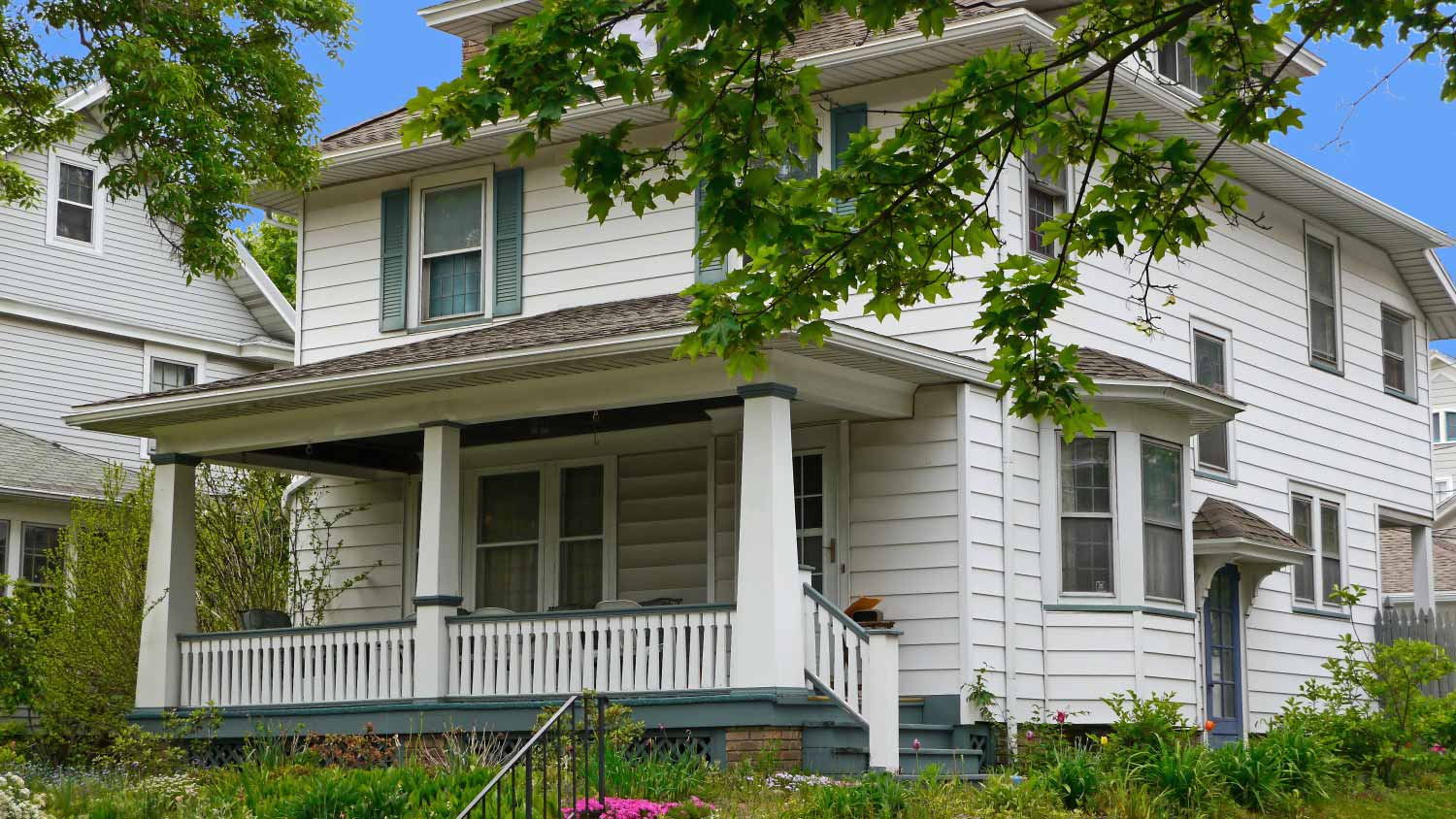
Wondering how to stop wood rot from spreading? Use this DIY guide to stop wood rot in its tracks and minimize the damage it does to your home.

Wood rot can happen quickly and worsen with time, putting your home at risk. Our guide explores how long wood rot takes and what you can do to prevent it.
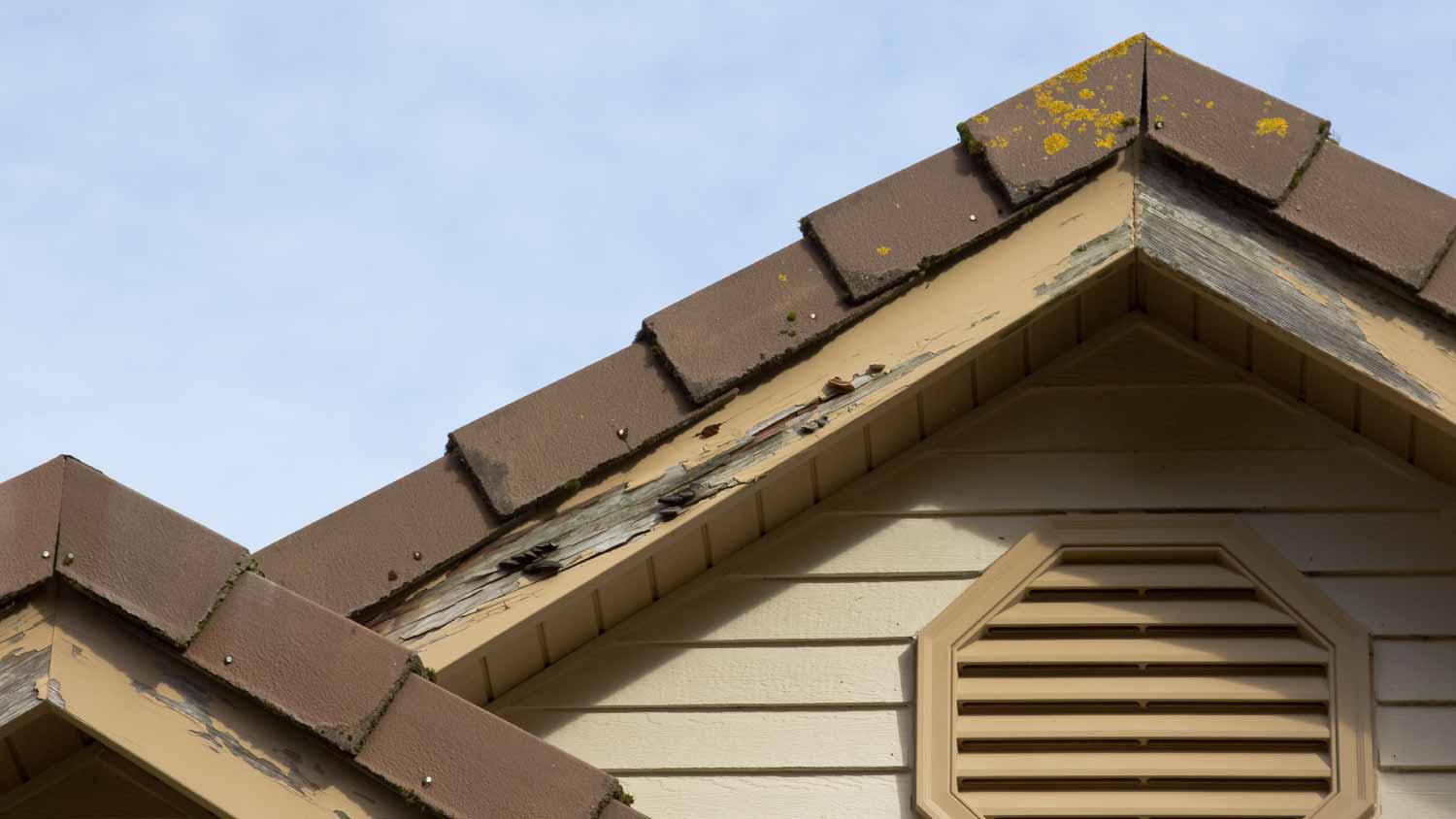
If you see mushroom-like structures on wood at your home, you likely have wood rot. Learn more about the two primary types of wood rot—dry rot versus wood rot.
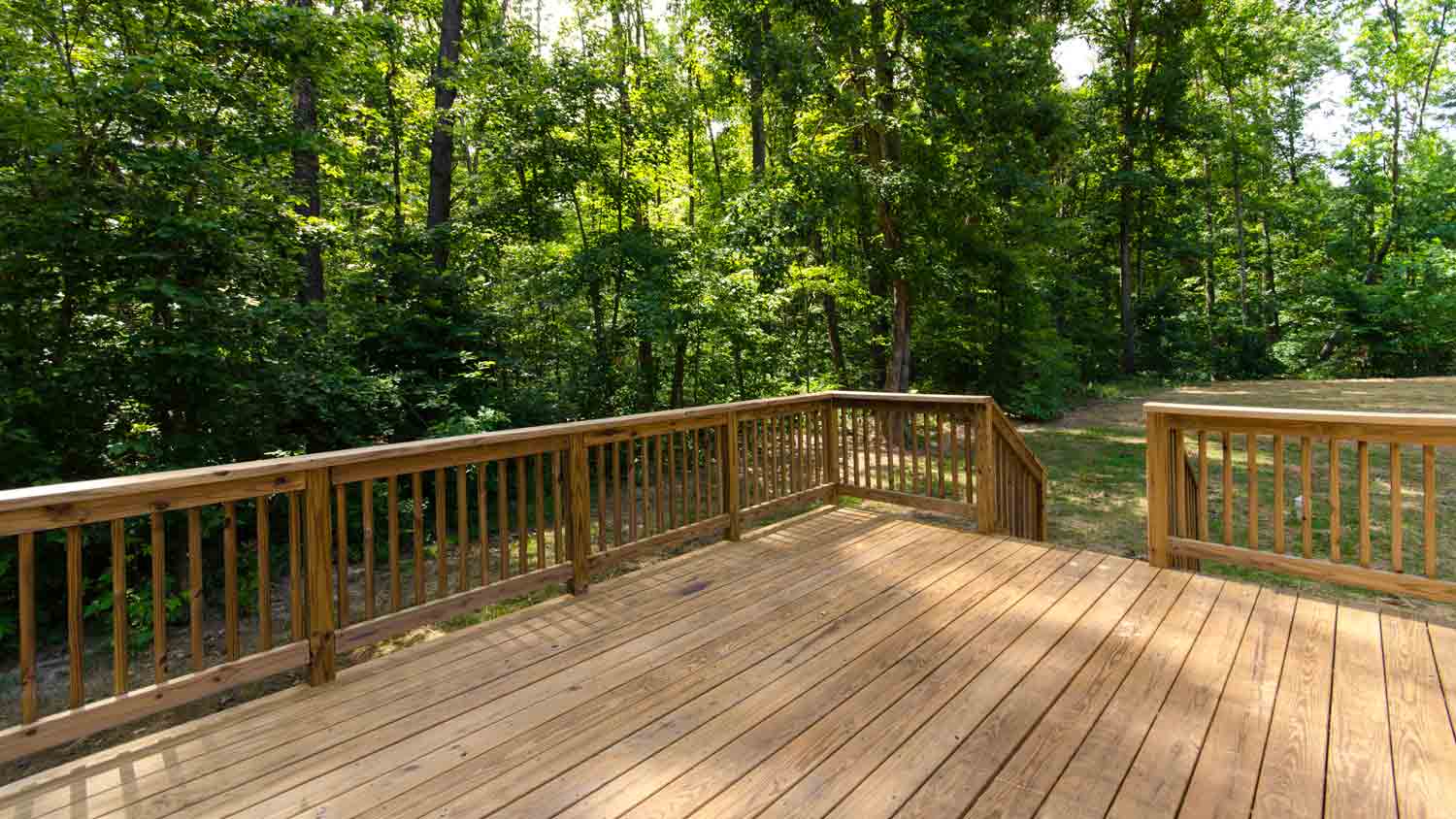
Will pressure-treated wood rot? While treated wood should last longer than untreated wood, it's not invincible. Here's how to spot signs of pressure-treated wood rot.

Facing a wood rot problem and don't know where to turn for help? Learn who fixes wood rot to restore your home's structure.