

New insulation can make your home more comfortable and boost energy efficiency. Use this insulation cost guide to get an accurate estimate for the installation.
If your pile of throw blankets is as high as your heating bills, improve your insulation

High heating and cooling bills signal poor insulation in your home, as treated air escapes through under-insulated walls, ceilings, floors, or old windows.
Typical costs range from $250 to $650 for a professional home energy audit to identify insulation issues and air leaks throughout your home.
Ice dams forming on your roof indicate poorly insulated attics, which allow warm air to escape and melt snow into damaging ice formations.
Hiring a local insulation company provides reliable help with home energy assessments and insulation upgrades, keeping your home comfortable and reducing your energy bills.
If you find yourself tiptoeing over your cold kitchen floor on a winter morning or cranking up the AC on a not-so-hot summer day, it might be time to upgrade your insulation. It's a common misconception that only historic homes in chilly climates have insulation issues. Homes of all ages and in all parts of the country can benefit from insulation upgrades to protect against cold drafts, the hot sun, and even mold and mildew from building up in your walls. Use this guide to determine if you have poor insulation in your house.
If you're a bit rusty on the ins and outs of home insulation, here's a good place to start. Homebuilders install insulation inside the floors, walls, and ceilings. You will also find insulation in your attic, basement, crawl space, around your windows and doors, and in some cases, as a radiant barrier that acts as roof insulation. Insulation materials and placement will depend on where you live and the age of your home.
The Department of Energy explains that insulation controls three factors: convection, conduction, and radiation. In other words, it affects the movement of warm air toward cool air, the transfer of heat through materials, and the direction that heat travels.
Basically, insulation controls how heat gets in and out of your house. Without it, convection would cause all the warm air from your radiators to soar up into your cold attic in the winter and right out through the roof. In the summer, the hot air would come rushing inside when you turn on the AC. Insulation in your floors also keeps you from needing thick slippers to walk across the floor.
Lastly, we often forget that insulation also protects against mold growth. Proper temperature control in your house keeps the air from reaching the dew point, which is when condensation forms. Condensation on and inside your walls can lead to mold buildup over time, indoor humidity issues, and minor water damage.
It's hard to miss insulation issues when you know how to look for them. But if you've become accustomed to uncomfortable drafts and high heating bills, it's easy to normalize long-term problems that you can fix.
The Department of Energy notes that you can save between 10% and 20% on energy-use costs after upgrading air sealing and insulation in your home. If your heating and cooling bills seem to creep higher each year, the treated air may be escaping through under-insulated walls, ceilings, and floors, old windows, or your basement and attic insulation. In that case, you might benefit immediately from adding insulation to your home.
Do you find that your bedroom just can't hold in heat like the rest of the house? Or that your living room is always stuffy in the summer? Take note of uneven comfort levels throughout your home. This could be a sign of poor insulation in certain parts of your home, which could stem from damaged weather stripping around windows and doors or failing or insufficient insulation in exterior walls.

The next time it snows, look out for icicles. Poorly insulated attics allow warm air to escape through the eaves, heating the snow and turning it into a dam of ice. Over time, the ice formation can damage the siding, shingles, and gutter system. A worn-down roof also leads to leaks, water damage, and even mold formation.
In many cases, adding a radiant barrier is worth it and can help solve heat loss through your roof. This could be one of the most cost-effective solutions, especially since the underside of your roof is often easily accessible if you have an attic, and heat rises and can more easily escape from your roof than through exterior walls.
Additionally, have a pro check out the insulation in the attic. According to Angi data, nearly 44% of homeowners report installing batt and roll insulation in their attics, which can help maintain the house’s temperature.
Cracks in your foundation, home siding, and roof can also welcome unwanted visitors into your home, so the presence of insects or even rodents in your house could mean you have gaps around doors, windows, or vents that would benefit from sealing with spray foam insulation. Insects and rodents can also burrow through and damage your insulation, or in the case of some insects, even eat it over the years.
Whether you use space heaters, radiators, or a forced hot air system, if you can feel that the heat source is generating heat, then the problem is likely the insulation. Adding insulation or replacing it entirely will almost certainly fix your problem and provide some warmth and comfort to the space.
If you get out of bed each morning and touch down on an icy floor, it may not be as well insulated as it could be. Some rooms also sit above the crawl space, which is prone to drafts and air leaks.
The same goes for your walls. Cold winds and the hot sun inundate the outside of your walls, so insulation in these areas is crucial. If your walls are very cold or hot to the touch—depending on the season—or you feel drafts coming through parts of your exterior walls, it could be a sign of insulation decay.
Pipes in unheated areas of your home require insulation to avoid freezing in the winter. These spaces include the attic, basement, crawlspace, and garage. If you find that your pipes are freezing even when you keep the heat on, a lack of insulation could be your culprit. Pipes are also more prone to freezing if you do not have proper insulation surrounding your pipes in the walls, ceiling, and floors.
Your HVAC system works hard to keep your home at a consistent temperature in extreme weather. Your insulation should work hand-in-hand with this system to protect it from running at all times. If cold drafts swoop in the moment your heat clicks off, it means the air is escaping too quickly for your system to keep up.
If you notice that your indoor air feels warm when the heating system is on but then immediately starts to cool once it’s off, poor insulation is likely the problem.
In some parts of your home, you can inspect insulation just by looking at it in exposed areas, like an unfinished basement. Keep in mind that it is possible to perform a basic home insulation check yourself with the proper precautions, but it can be dangerous in some scenarios due to asbestos in older homes.
And even if you are certain there is no asbestos present, always use gloves, safety goggles, and a face mask before inspecting insulation, especially fiberglass batts and loose-fill insulation, which can irritate your skin, eyes, and lungs.
If you're taking the DIY approach to check your insulation, you can:
Determine the type of insulation you have (usually fiberglass, spray foam, or cellulose insulation).
Note if insulation blocks any ventilation in your attic or crawlspace.
Remove power outlet covers (after turning off the breaker) and shine a flashlight through the hole to inspect the presence of insulation.
Look for soggy or visibly damaged insulation that needs replacement.
Check for gaps around windows and doors that could demand the addition of spray foam insulation.
Check your unfinished attic for blown-in insulation or batts installed between the floor joists and rafters.
Insulation naturally fortifies your home from exterior noises. If cold drafts also cause constant noise issues, updated insulation could ease the problem. If some rooms sound better than others, keep an ear out, and consider adding insulation to improve energy efficiency and soundproof your room.
If you suspect issues with your insulation, consider investing in a home energy audit. The visit costs between $250 and $650, and it’s one of the best ways to be sure your insulation and ventilation are up to par. During the home energy assessment, the team may use infrared tools to detect air leaks or drafts.
You can also hire an insulation company near you to assess your home and add additional insulation where it would benefit you. They can also recommend materials and ongoing upkeep that will save you money—and chilly morning feet—in the long run.
If you’re good people wanting to do business with good people, hire Matt. He is a consummate professional and utterly competent. He installed a water heater in my home at a price that beat competitors by hundreds of dollars with a promise to support the unit for its life (even after its 6 yr...
 Greene's Plumbing Services
I would recommend this company to anyone! He showed up on time, was friendly, completed a very difficult repair on our dryer vent cover, was responsive, and pricing was extremely fair and competitive. I would have him back to do any of our repairs or cleanings without hesitation!
 U.S.A. Dryer Vent, LLC
Best cleaning I've had at my property
I conferred with 2 other contractors before Armstrong Electric. Nick and his crew showed me that the project was not as convoluted as the other contractors made it appear to be. They completed the entire project on time. They were professional, friendly and cleaned up after at completion. I...
 ARMSTRONG ELECTRIC, LLC
Our exterior looks brand new thanks to Custom Paint Jobs LLC. Theyre the best in town!
 Custom Paint Jobs, LLC
Excellent experience with hiring Tether House to Mount our 77’ Samsung TV in our bedroom. Fast, friendly, and knowledgeable. Highly recommend.
 Tether House
The techs on my project, Shawn and Cliff, were great. They were prompt, courteous, and efficient. I am very happy with the results and would definitely contact Mr. Electric for any future electrical projects.
 Mr. Electric of Columbus
We had our houses windows and back door replace this summer by Window Depot USA of Central. He gave us grate advise and saved my family lots money. The team did a fantastic job with installation. If you need help, they sure get job done right!
 Window Depot USA of Central Ohio
Beginning with the estimate, Larry and Peyton were super helpful in getting my new condo's interior re-painted. Not only was the job well done, but also done in a super timely manner as promised.
 Five Star Painting of Plain City and Powell
Great job...edging and pre clean up went well with a great job with seal coat. Friendly, efficient and professional.
 All Star Paving and Sealing
From average costs to expert advice, get all the answers you need to get your job done.
New insulation can make your home more comfortable and boost energy efficiency. Use this insulation cost guide to get an accurate estimate for the installation.
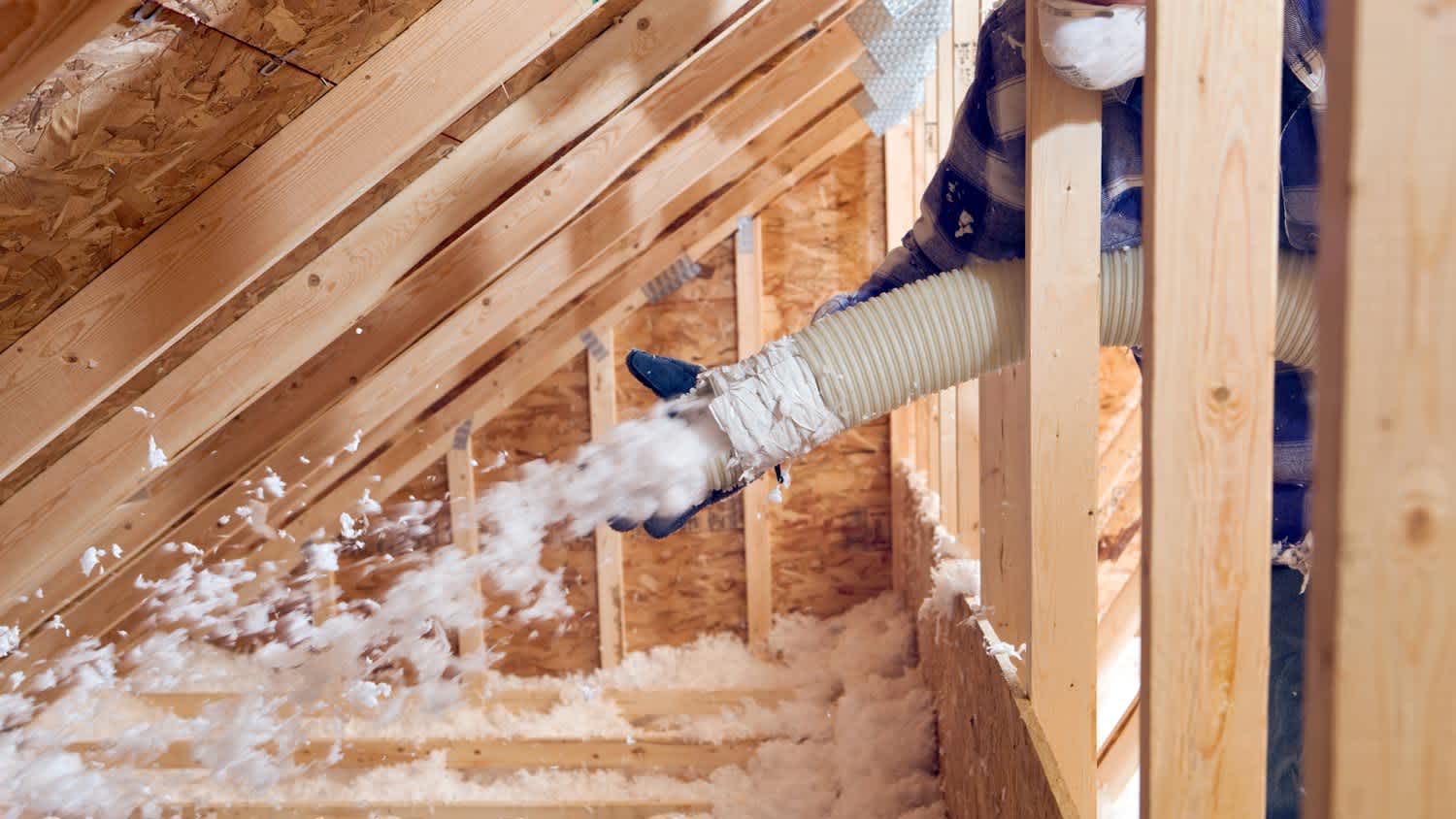
Learn the key factors that influence the cost of renting a blown-in insulation machine.
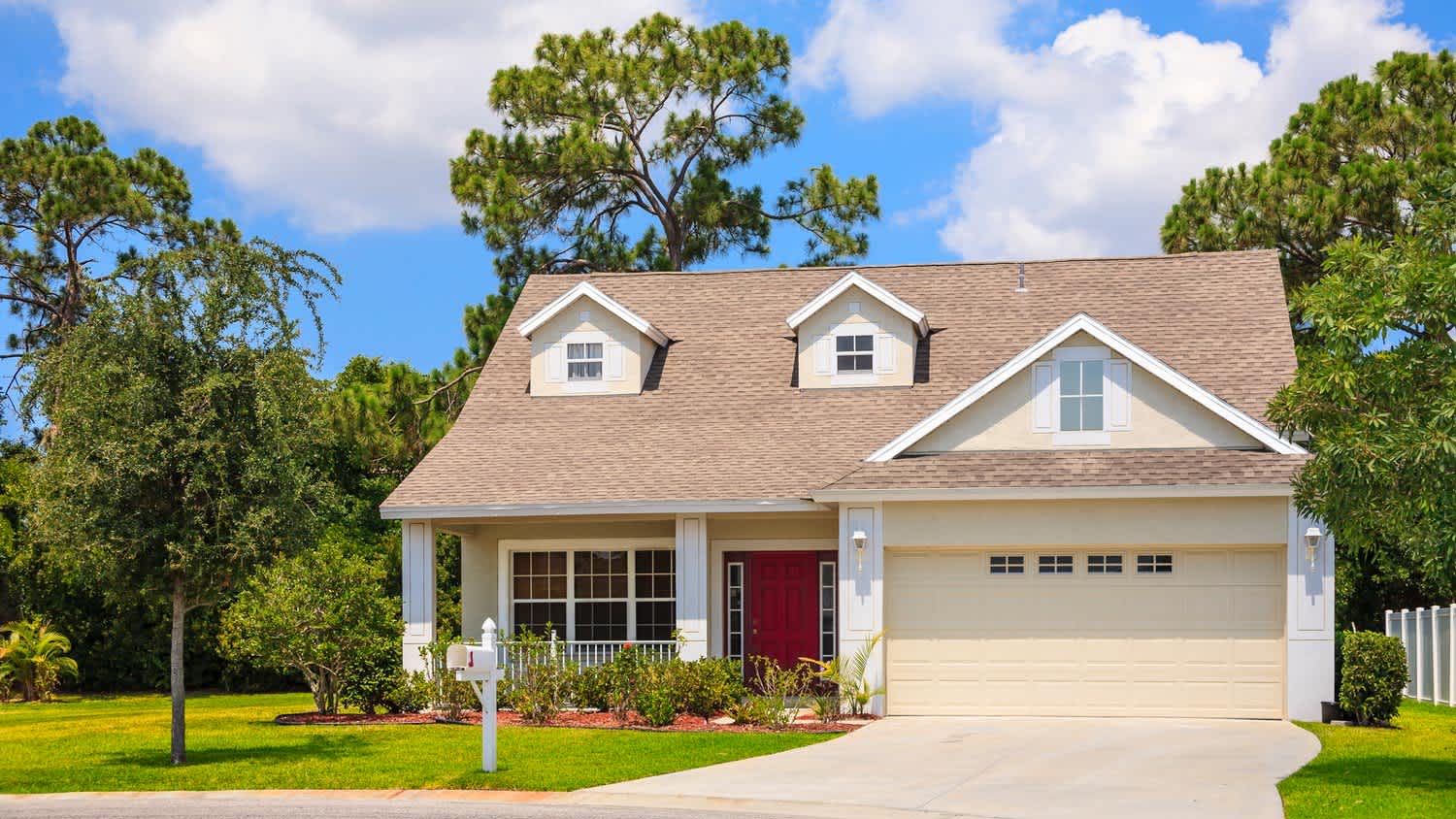
Most people don’t know the whys and hows of home insulation; they just know their house is too hot. Ready to cool down? Learn why you need proper insulation in your home.
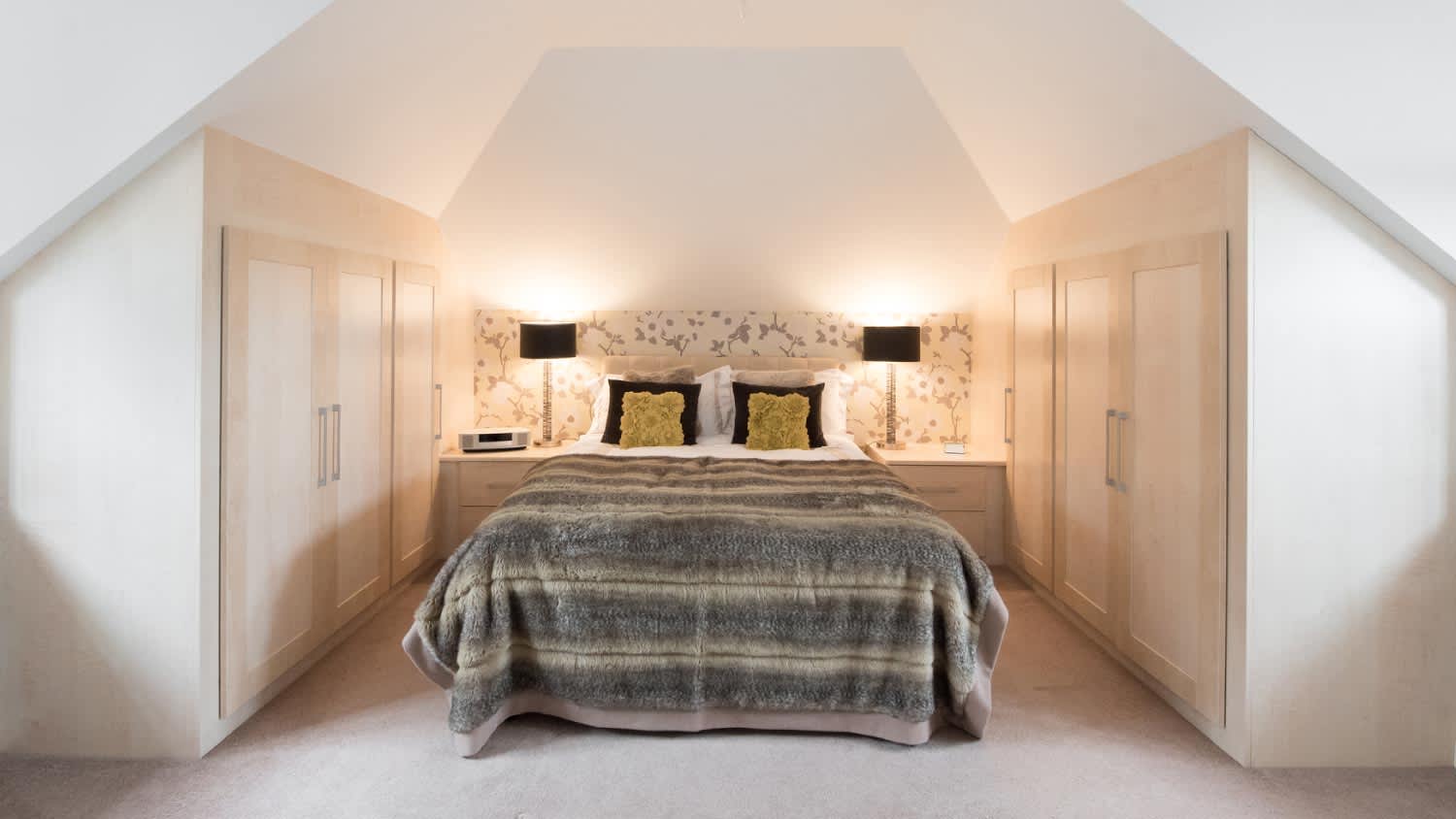
Choosing insulation for your home depends on the installation location, climate, budget, and more. Keep reading to learn how to choose the right insulation.
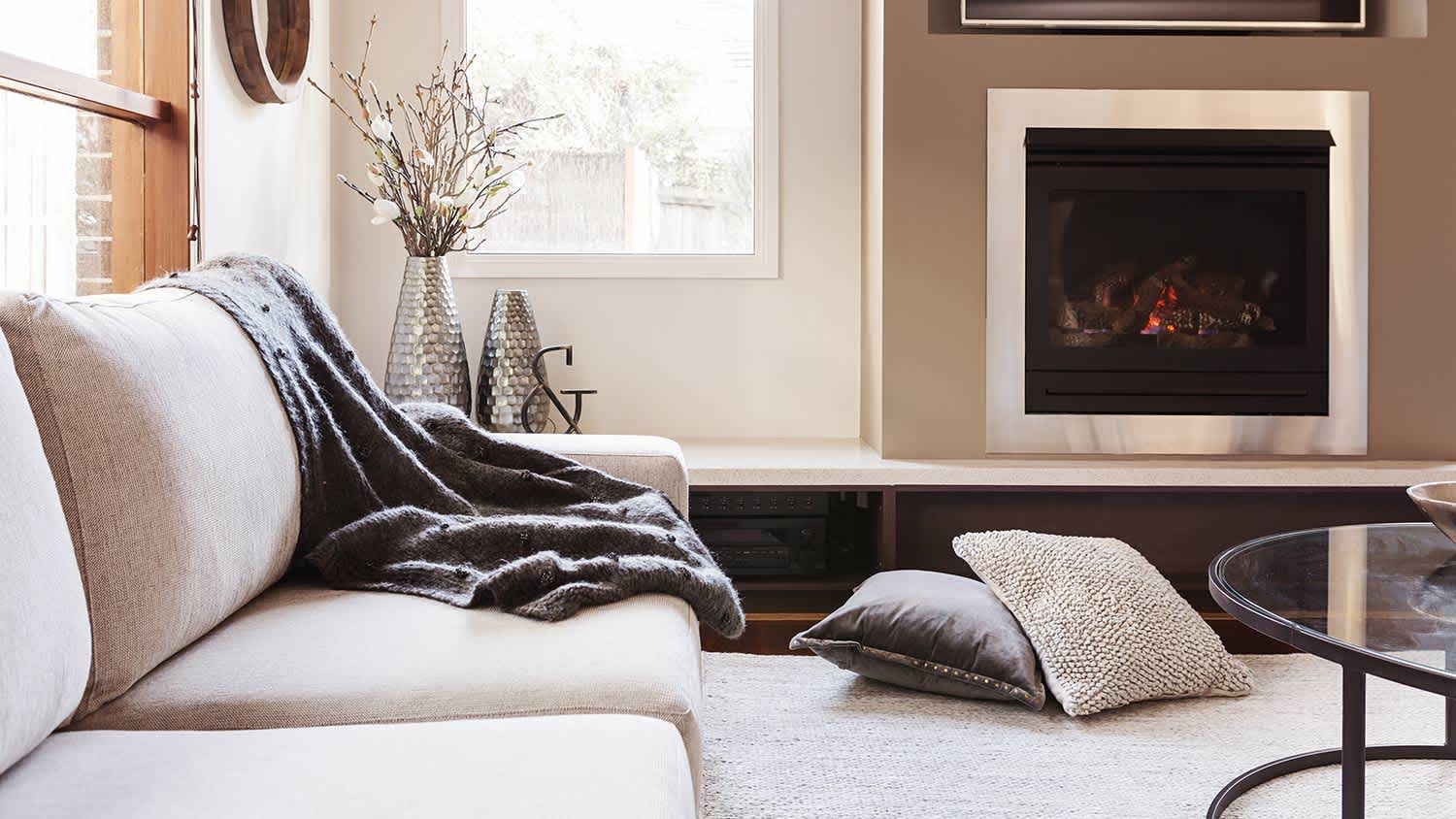
If your home’s temperature is uncomfortable or your energy bill is spiking, you should check your insulation. We'll help you find out if you should replace it.

How much does insulation save on energy bills? It depends on where you live and the type of insulation you install.