
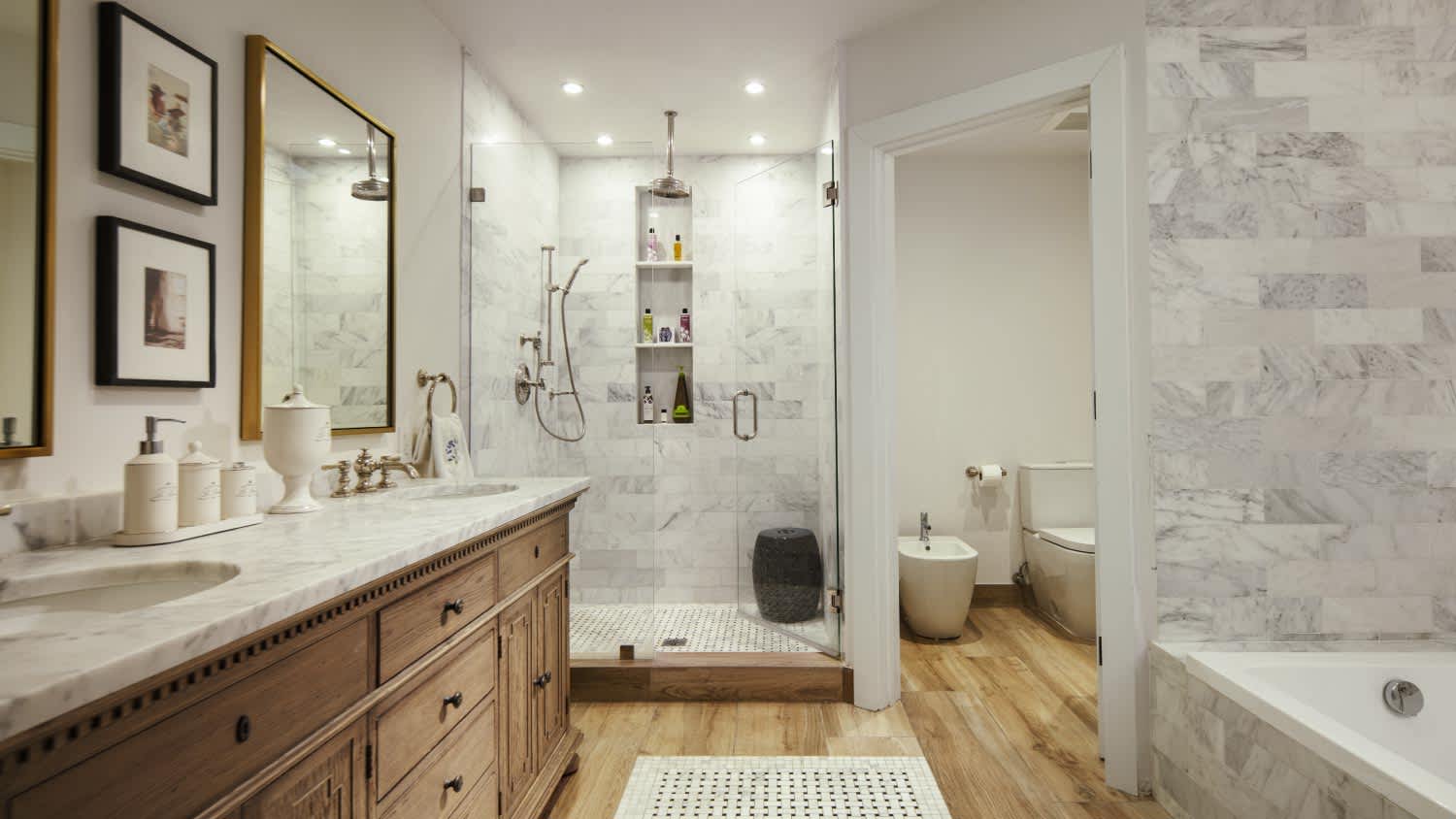
Mold loves moisture, so it can pop up and multiply in your shower. Use these tips for how to prevent mold in the bathroom to stop this problem in its tracks.
Insulation is key to a rot-proof refuge

Bathroom wall insulation prevents moisture buildup that leads to mold, mildew, and rot, keeping your home healthier and protecting wall integrity.
Expect to pay $1,100 to $2,700 for professional insulation installation, with costs around $1 to $4 per square foot for bathroom walls.
Spray foam, rigid foam, and polystyrene foam work best for bathrooms because they resist moisture and dry quickly without harboring mold growth.
Hiring a local bathroom remodeling professional ensures proper insulation installation and moisture control, preventing costly mold remediation and wall damage down the road.
Investing in insulation for bathroom walls in your home is one of the smartest moves you can make. Insulation can prevent mold and rot, provide soundproofing, save you money on utilities, and reduce moisture and condensation buildup, which are major factors for mold to thrive and rot to set in. Here’s everything you need to know about insulating your bathroom walls.

Insulation isn’t just for exterior walls. Bathroom insulation can help keep your interior walls from accumulating moisture, growing mold, and forming rot.
When bathroom walls aren’t correctly insulated, humid air from inside the bathroom can get between the walls. This creates moisture buildup in the form of condensation. Over time, this can lead to mold, mildew, rot, wall discoloration, musty smells, and health problems.
The longer this goes on, the more moisture the walls absorb, and the more likely you and your home will experience adverse effects from mold. Thus, it’s important to insulate bathrooms correctly from the start.
Bathrooms tend to be warmer and wetter than other rooms in the house, but the right kind of insulation can help keep warm, moist air from traveling to other areas of the home. Additionally, if you live in a cold area, insulation can keep your bathroom warmer during cold months, protecting your pipes and keeping you more comfortable.
Vapor-blocking insulation prevents humid air and moisture from entering walls and leaving condensation that fuels mold growth. Some of the biggest culprits of poor indoor air quality are mold and mildew, which can contribute to allergies, health problems, and home integrity issues. Installing the correct insulation on exterior and interior bathroom walls lets you keep steamy air from traveling to other areas of your home.
Insulation dampens sound and prevents outside noise from coming in. While most insulation is installed on exterior walls, insulation added to interior walls surrounding bathrooms can help make the space quieter and give it a spa-like atmosphere.
Heating and cooling are some of a home's biggest ongoing costs, and reducing energy waste will lower those bills. While adding insulation to bathrooms does cost money, this is offset by reduced energy costs over the life of your home.
Most of us want a warm, cozy, relaxing bathroom space. Along with other modern bathroom ideas like walk-in showers and luxury double vanities, comfort is at the top of the list for many homeowners. Insulation keeps cold air from seeping in through exterior walls, and it prevents moist air from the bathroom from humidifying the entire home.
All exterior bathroom walls need insulation. However, if your bathroom walls are all interior walls, insulation isn’t required in most cases. Check local building codes to find out if the requirements apply to you.
Moreover, the interior walls should be shared with rooms with AC and heat. If you expect cold winters and below-freezing temperatures, insulating the walls is a good idea to protect the plumbing from freezing.
Note that skipping insulation means you’ll have less soundproofing, and the temperature in your bathroom might not be as stable or comfortable. Also, without it, your bathroom can be more susceptible to mold and mildew growth.
Not all types of insulation are recommended for bathroom walls. Because of the damp conditions, you’ll need to choose a type of insulation that doesn’t soak up water, dries easily, and isn’t prone to growing mold. If you’re hiring a bathroom remodeler, confirm that they’re using a type of insulation that resists moisture and won’t harbor mold or mildew. Spray foam, rigid foam, and polystyrene foam are your best bets.
| Insulation Material | Average Cost (Per Board Foot) |
|---|---|
| Spray foam | $1–$2 |
| Rigid foam | $0.25–$2 |
| Polystyrene foam | $0.25–$0.35 |
Spray foam insulation is a specialty insulation that expands and hardens after a pro sprays it into place. Spray polyurethane foam (SPF) is the most popular type of spray foam and requires special equipment for installation, so it’s best left to a professional bathroom remodeler near you.
Open-cell spray foam is lighter and less expensive, but it also has less insulating power. Closed-cell insulation is more expensive, but it’s less permeable and acts as a water-vapor barrier, so it’s most often recommended for bathrooms, kitchens, and wet areas.
When you think of insulation, you most likely picture extruded rigid foam board insulation panels, which consist of polystyrene (XPS). It’s often blue, green, or pink, and it sometimes has a metallic lining on one side. Contractors install XPS between studs and behind walls.
Rigid foam panels don’t dissolve in or soak up water, and mold and mildew can’t grow inside of them, making them a good choice for bathrooms. However, they can absorb moisture over time, so they may not provide maximum insulation values for as long as expanded polystyrene (EPS) foam sheets. Rigid foam is budget-friendly, requires no special tools, and is easy to work with and install, so it’s popular for DIY projects.
Foam sheet insulation, or EPS, is inexpensive and easy to install. It repels moisture and can get wet without forming mold inside, making it ideal for insulating bathroom walls. EPS is the strongest, most durable type of polystyrene foam sheet insulation. It costs the least and lasts the longest, making it the most popular insulation for contractors and homeowners. Adding polystyrene insulation is an easier DIY job than installing other insulation types because it’s easy to work with.
The insulation you select for your bathroom is key to minimizing the risk of mold and bacterial growth. Factors such as location and budget will help you decide on the best insulation for your bathroom. The most important thing to remember is that your contractor must install the insulation properly, ensuring it stays completely dry to eliminate any room for airflow and condensation buildup.
Different materials offer different results depending on the location of use. If your bathroom connects to an outdoor wall, you need to make sure that you pick insulation with the highest R-value (the measure of how well insulation stops heat from flowing into and out of your home). Your geographic location also plays an important role here since colder and hotter places need stronger insulation and a higher R-value.
When selecting insulation, be sure to choose a mold- and mildew-resistant type made with nonbiodegradable materials that dries fast, has the highest R-value, and allows the least airflow. Also, keep in mind that some insulation materials are better for exterior walls versus interior walls.
In addition to insulating your walls, you can also insulate your hot and cold water pipes. Foam and fiberglass insulation materials are both great options for insulating pipes. Proper pipe insulation keeps water hotter and colder, controls condensation, prevents pipes from bursting in the winter, and increases efficiency for lower utility bills.
Insulation materials come in a range of prices. The average cost of installing insulation in your walls is around $1 to $4 per square foot. However, since most bathrooms are smaller spaces, the overall price of adding insulation—in addition to your total bathroom remodel costs—is likely to be minimal and can be offset by energy savings.
If you work with a professional contractor, they will advise you on the best insulation options for your home and budget.

The best time to install or replace insulation in your bathroom is during renovation, when building a new bathroom, or when performing a major repair that exposes your bathroom walls. While the cost of purchasing and installing insulation can be on the lower end for home improvement projects, opening and closing walls can be costly. By bundling insulation upgrades with renovations and other bathroom remodel ideas, you can save money.
Given that there are several options for insulation materials, it's important to keep in mind that some materials are more DIY-friendly than others. If you decide on spray insulation, for example, then you should definitely hire a local insulation contractor. If you already have a general contractor working on your bathroom, make sure to let them know that you want your interior walls to be insulated as part of the project.
Correctly installing insulation can be difficult. Health and safety risks are involved; therefore, we highly recommend contacting a pro to ensure the job is completed safely and correctly.

Adding insulation to a home costs an average of $1,100 to $2,700. For bathroom walls, this price ranges from $1 to $4 per square foot. These costs fluctuate according to several factors.
The type of insulation impacts the overall price. For example, polystyrene foam is much less expensive than spray foam. The overall size of the bathroom also contributes to the cost, as does the removal of pre-existing insulating materials. Insulation pros charge $40 to $80 per hour for labor because the installation process requires them to work in hard-to-reach areas.
Jason has helped me with multiple household projects, with the most recent being new door installation. He has always showed up on time and organized and has done an incredible job! Jason is very professional and he's now my go-to for anything around my house that needs to be fixed or...
 Huff Garage Rescue, LLC
Cole has been handling plumbing and general contracting for our four properties over the past three years, and he’s always done a great job. Most recently, he installed a sink and countertop in our retail store where none existed before, and it turned out exactly how we needed. He’s...
 ANB Renovations LLC
1st Choice Renew is simply the best! We hired them for a complete home renovation, and they transformed our space into something truly amazing. The team attention to detail and commitment to quality were evident throughout the project. They were easy to work with, very responsive, and always...
 Save A Dime
This company went above and beyond with their work, chimney sweeps are usually pretty messy, but the clean up was spot on.!! Josh explained every thing that he was doing, and the things that he was checking to make sure the chimney was safe for me and my family. He was very professional,...
 Supreme brick & chimney
Custom Paint Jobs LLC turned our outdated bathroom into a modern masterpiece.
 Custom Paint Jobs, LLC
Excellent customer service and knowledge. I was recommend to him from my neighbour. My front door and window came in great and were installed beautifully perfectly, I m very satisfied with their excellent work, so decided to order one more big bow window for my living room. I cant wait for...
 Window Depot USA of Central Ohio
If I could give 10 stars for Kitchen Tune Up, I would. I cannot say enough good things about my experience with Kitchen Tune Up and the entire team involved in the process of my kitchen project. They went above and beyond as far as service and quality with my cabinets, paint, countertops, and...
It was wonderful working with Yordy and his team. They were very professional and are experts in what they do. They have completed the work on time, with better quality and with in fairly reasonable price. We just started with backsplash work , but liking his work, we went on to provide...
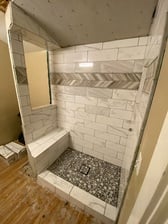 Flooring Solutions
We were having 2”x 2” tile installed . There was a small installation error and the new additional replacement tile was from a different lot and the colors didn’t match. Joe assured us that he would rectify everything , which he did without hesitation. We decided to go with the 18” x 36” tile...
 CarifaTile
They work that 360 did on my kitchen cabinets is nothing short of amazing. I still cannot believe the difference from before and after. Jon and Jeff were both so incredibly professional throughout the whole process and their communications with me were constant and consistent. These guys...
 360 Painting Columbus
From average costs to expert advice, get all the answers you need to get your job done.
Mold loves moisture, so it can pop up and multiply in your shower. Use these tips for how to prevent mold in the bathroom to stop this problem in its tracks.
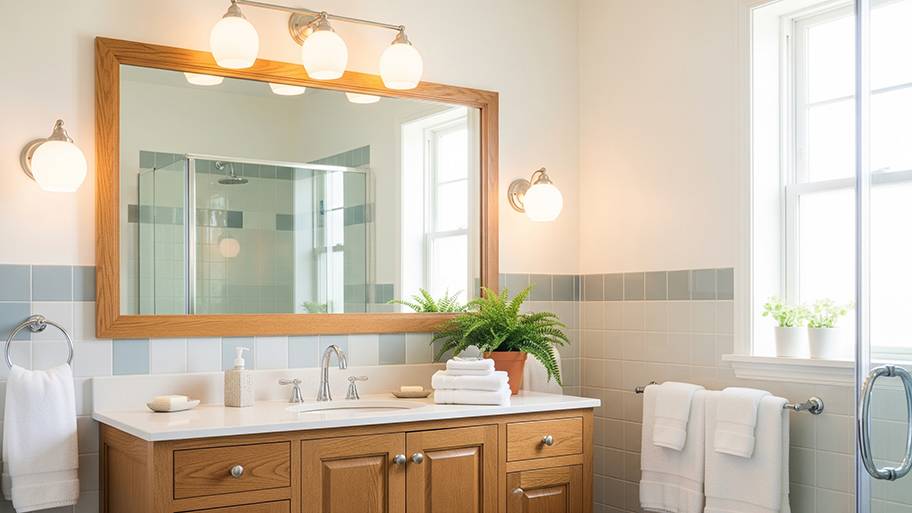
Mold is an unwelcome bathroom guest many homeowners deal with. Discover how to get rid of mold in a bathroom with these five DIY solutions.
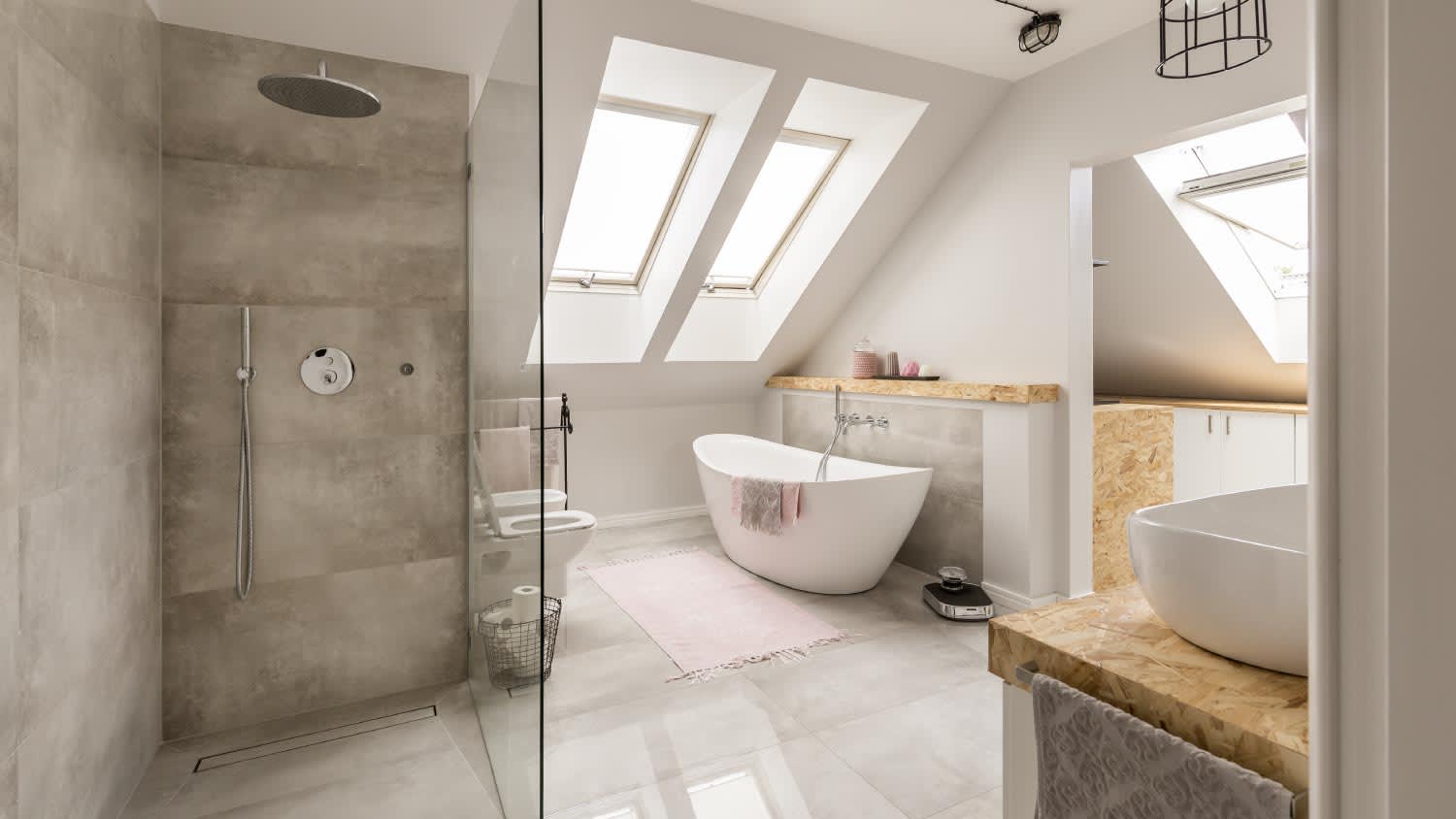
These tips will safeguard your home from mold growth after water damage. Protect your house and your health with these expert mold prevention strategies.
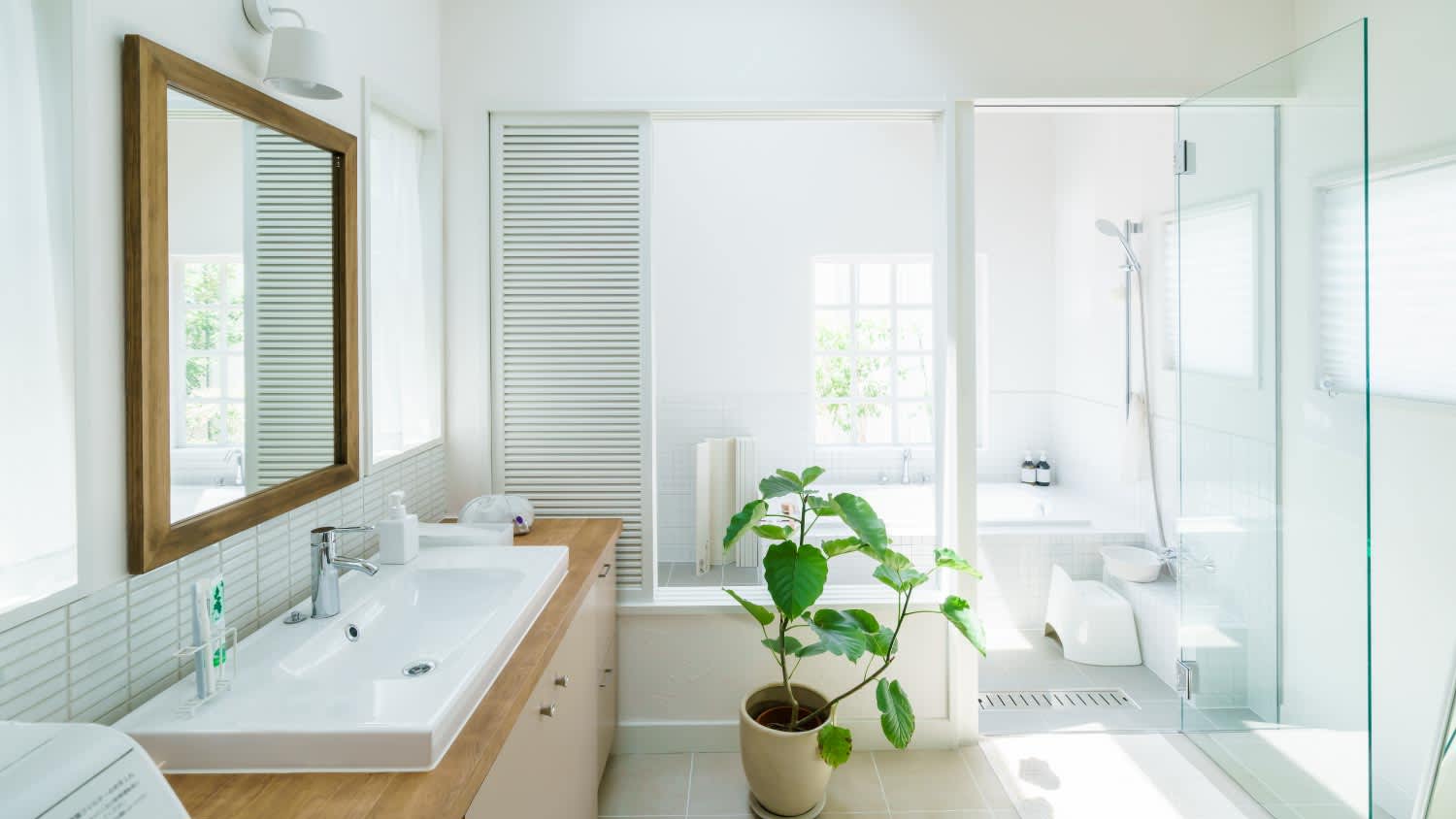
Humidity and moisture provide the ideal breeding ground for mold and mildew. Here’s how a dehumidifier prevents mold—and what else you can do to keep it at bay.
Where there's moisture, there's likely to be mold. Read on for tips on how to prevent mold growth in all areas of your home.
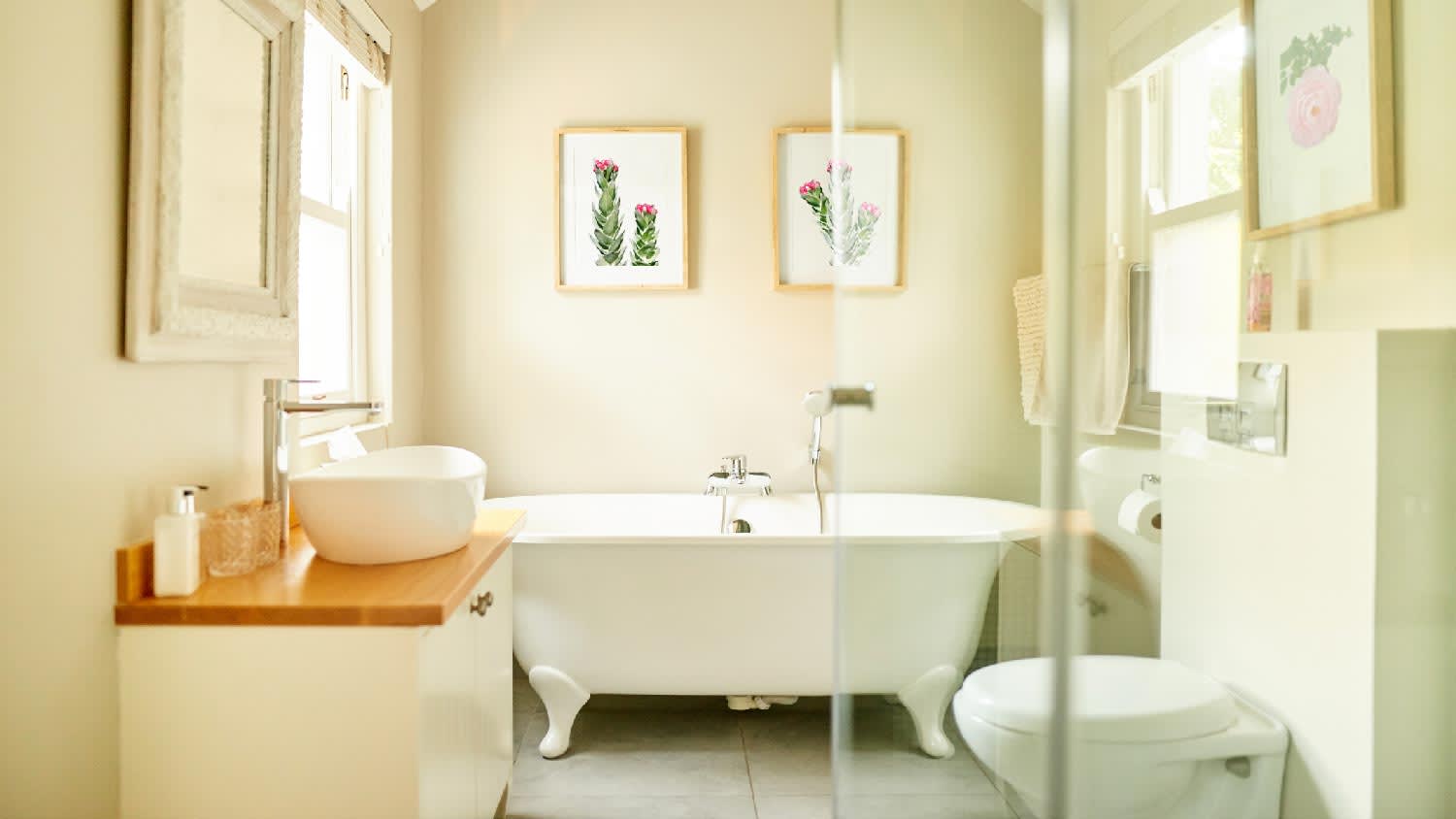
Moisture can cause problems in any area of your home, but bathrooms are notorious for moisture issues. Learn how to reduce moisture in your bathroom with this guide.