
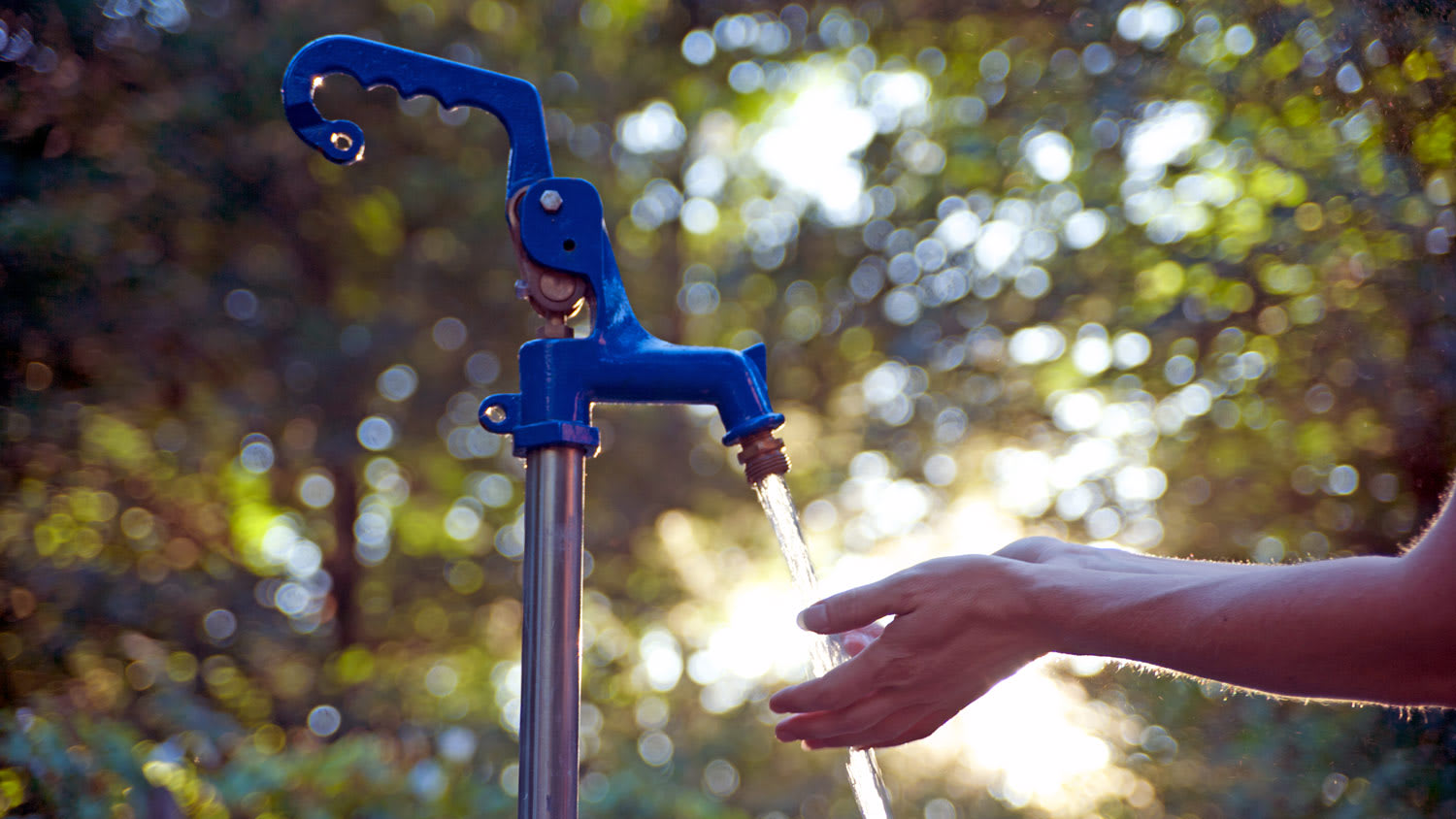
Discover how much well water treatment systems cost, including installation, maintenance, and tips to save. Get expert insights to plan your water system project.
Dive deep into the pros and cons of using well water

Well water comes from underground sources like springs and aquifers, providing your home with fresh, mineral-rich water accessed through a well pump system.
Drilling a well costs $5,500 on average for a 150-foot well, though your final cost depends on location and how deep you need to excavate.
Testing your well at least once a year helps you catch bacteria and contaminants early, protecting your family from potential health risks.
Hiring a local well pump professional provides reliable support for pump installation, system maintenance, and troubleshooting issues like inconsistent water pressure or rising energy bills.
If you’re moving to a rural area or buying a new property, you may be considering whether well water or municipal water is the best fit for your home. From cost factors to personal preference, there are plenty of elements that can influence the choice to dig a well. Explore the basics of water wells and how they differ from city water. Then, dive into the advantages and challenges of well ownership, so you can make an informed choice about your home water supply.
Well water is fresh water from an underground source like a spring or aquifer, which you access by excavating a well on your property. But how does a well work? By attaching a well pump to your well, you can bring this water up into your home to supply drinking water, plumbing, and appliances. Depending upon where you live, used well water can then be directed into a municipal sewer system or into a private septic tank that you get pumped out when it’s full.
Both well water and city water can be clean and reliable water sources for your home. In some cases, the choice between well and city water is a question of access—rural properties often don’t have an affordable connection to the municipal water supply. In other cases, it may be a question of personal preference.
Some municipalities add things like fluoride to the city water, which some people prefer to avoid, while others simply enjoy the mineral-rich nature or the taste of well water. Although the two water sources can be very different, they both offer plenty of advantages for your home.

Whether you’re in a rural area that makes it difficult to access city water, or you simply prefer to have your own water source, there are plenty of advantages to choosing well water.
Depending upon where you live, it might be extremely expensive to access the municipal water supply or to bring in and store water. In other cases, you may simply prefer to have your own water access. Either way, a private water source means you’re free from municipal water bills, and you have a clean, fresh source of drinking water accessible from your own property.
Well water tends to be fresher and more mineral-rich than city water. This can be a great source of healthy nutrients, and many people find it also has a pleasant taste. It’s important to get your well tested to ensure the water meets health standards, but most wells tend to deliver a very high quality of mineral water.
Although major impacts to city water are rare, they can still pose a disruption to water distribution. Issues like flooding, earthquakes, and sewer system problems can affect public access to water, which can sometimes take several days to repair. With the exception of really significant natural occurrences, most private wells are much better protected from problems that affect the municipal water supply.
If you’re deciding whether to build a well on your property, it can also be helpful to explore other costs and concerns that come with accessing well water.
While well water means you don’t need to pay monthly water bills, it does come with an initial investment cost. The national average cost for drilling a well is $5,500 for a 150-foot well, though this will vary depending on where you live and how deep you’re planning to excavate. You’ll also need to hire a local well pump contractor to install your well pump system. Although this can seem like a big sum at the start, most wells last a minimum of 25 years, so this investment cost can easily pay off over time.
Unlike with city water, you’re responsible for managing the upkeep of a private water source. While most wells have a lifespan of at least 25 years, other well water system components, like the well pump, may last closer to 15-20 years.
If you notice issues like rising energy bills, spitting taps, and inconsistent water pressure, it could be a sign that you need a new well pump. Although these repairs and replacements tend to be few and far between, knowing the cost of replacing a well pump can be helpful when considering the pros and cons of using well water for your home.
Water wells use well pumps to move water from the well to your home, and this pump relies on electricity to power the motor. This means that in the event of a power outage, you’ll also lose access to your water. This isn’t a dealbreaker—it just means that it’s a good idea to have a secondary power source like a generator or a solar panel and battery system to power your well pump if there’s a blackout. The electrical usage from the well pump will also add to your electrical bill, but this can also be offset with alternative power sources like solar panels.
I have used Columbus Worthington Air for years and recommend them whenever I have a chance. The staff is quick, courteous, and well-trained.
 ARS Columbus Worthington Air
This service was great. My air conditioner went out during the heat spell that we had. My husband has health issues and they came out that night and at 9:30pm the air conditioner was fixed and running. We are sooo very thankful, this is the company I will be using from now on and would...
 Mr. Mechanical Ohio
Joseph did a great job with the staircase and trim. Timely and efficient, clear communication about the work, very fair pricing. For the stairs in particular, done very skillfully in an old house (1893) in a tight spiral, and very creative with how to do the handrail. Did a nice job with...
 Vouis Trim Carpentry L.L.C.
Great experience!! Dion was prompt, professional and very polite. He is hands down the best plumber I have ever used.
 Mercenary Remodeling & Handyworks
Cole has been handling plumbing and general contracting for our four properties over the past three years, and he’s always done a great job. Most recently, he installed a sink and countertop in our retail store where none existed before, and it turned out exactly how we needed. He’s...
 ANB Renovations LLC
Matt is a consummate professional. The work turned out to be far more difficult than expected and rather than turn the job down, Matt rose to the occasion and completed a near impossible task. I can not recommend Greene's Plumbing Service more highly. On a scale of 1-5 I would give Matt a...
 Greene's Plumbing Service
The technician was very professional and friendly. He answered all my questions and was very thorough. He left the fireplace area very clean . He inspected from the roof and advised me as to other work that might need to be done. There was no pressure there. I was very satisfied with the...
 Supreme brick & chimney
Custom Paint Jobs LLC pays attention to every detail, ensuring a job well done every time.
 Custom Paint Jobs, LLC
When we had the winter freeze, I called Quantum Waterworks Waterline & Drain Cleaning Services and within 1 hour I received an e-mail and he sent someone out the next day and he was on time, he was nice and did the job quickly and cleaned up after himself. We had a leak in our kitchen from...
 Quantum Waterworks Waterline & Drain Cleaning Services, LLC
From the beginning , every appointment was met with punctuality! The day of installation, they arrived on time and worked tirelessly all day until the job was finished. ( Even through a very heavy down pour) Ilia, the owner is a professional, knowledgeable, and fair man. He is absolutely, and...
 Window Depot USA of Central Ohio
From average costs to expert advice, get all the answers you need to get your job done.
Discover how much well water treatment systems cost, including installation, maintenance, and tips to save. Get expert insights to plan your water system project.

Are you buying a home or looking to install new utilities, including a water line? Compare city water versus well water to find out which is right for you.
Dive into our guide on well pipes and what size water line you need from your well to your house for a worry-free water supply system.
Learn how to fill a pool with well water safely and easily. We have the tips you need to fill your pool while protecting your family and well water supply.

Community wells are shared resources for neighbors in close proximity. Explore the community well pros and cons with our quick rundown.

Have you noticed that your well water is running low during times of drought? Here are some things to look out for and ways to protect your well during dry times.