•
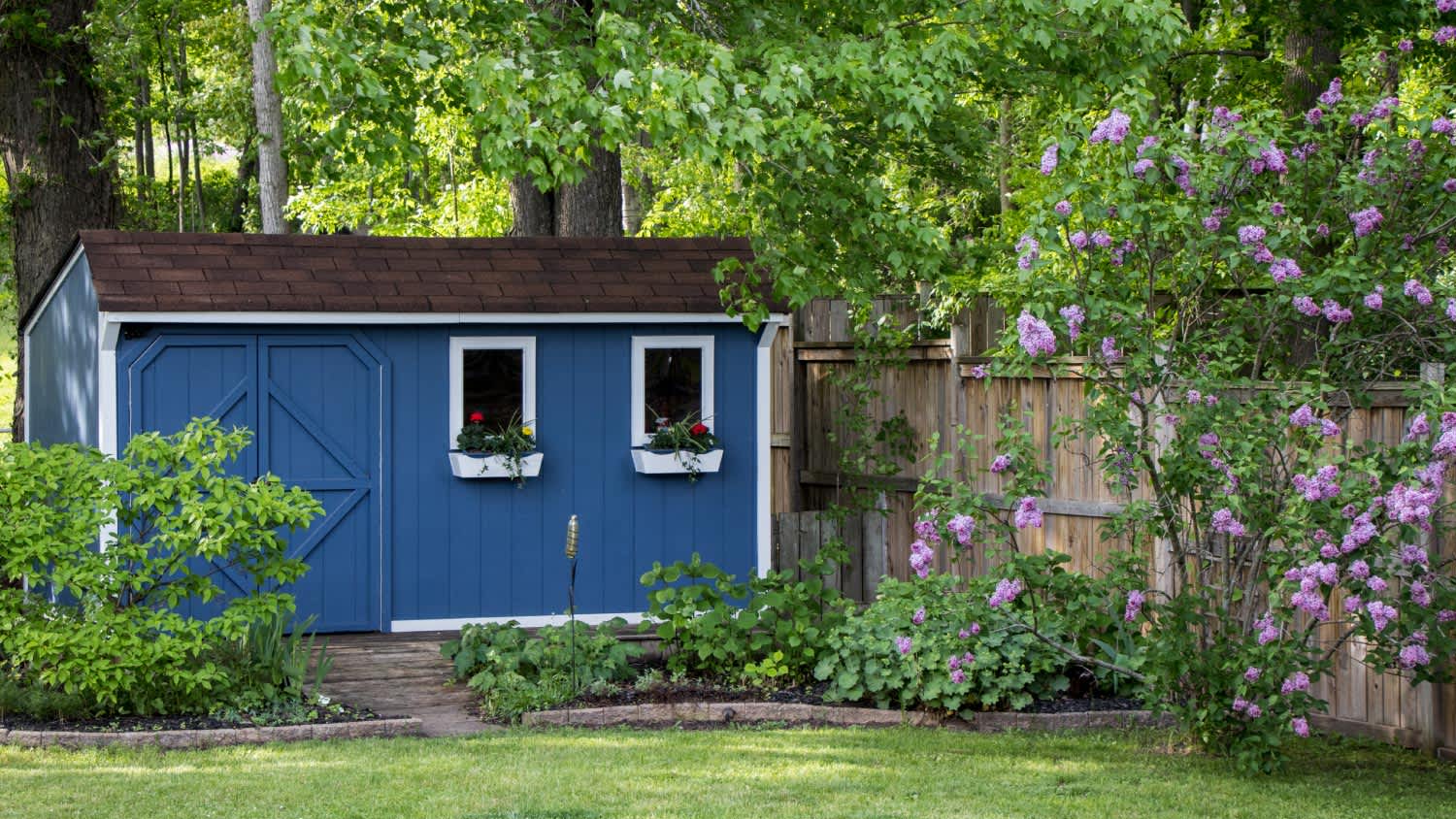
Discover the outbuilding cost for your property. Learn about average prices, cost factors, and ways to save when building or renovating an outbuilding.
Home building costs depend on your project and location. Check with a local pro for your specific job.


Building an outbuilding costs $13,000 to $33,000, based on your size, materials, and features.
Your outbuilding type and materials set complexity, with prefab sheds simpler than guest houses or barns with utilities.
Account for your site prep and permits, including grading, excavation, and tree removal, so your budget stays on track.
Hiring a local home addition professional ensures your outbuilding is built right and supports strong resale value.
This article was created using automation technology and thoroughly fact-checked and edited by an Angi Editor in accordance with our AI policy.
On average, the cost to build an outbuilding ranges between $13,000 and $33,000, with most homeowners spending an average of $9,500. Prices depend on the size, materials, and features you choose. Expect to pay $20 to $150 per square foot, including labor and materials, for a typical outbuilding.
Building an outbuilding gives you extra space for storage, hobbies, work, or even living. This guide breaks down everything you need to know about the cost to build an outbuilding, so you can budget wisely and plan your project with confidence.
Outbuilding size is the biggest driver of total project cost, with pricing from $20 to $150 per square foot. The larger the footprint, the more materials and labor are required, which increases your overall investment. For example, a simple 120 square foot shed costs much less than a 1,000 square foot garage or workshop.
Most outbuildings fall into three categories: small (100 to 200 square feet), medium (300 to 600 square feet), and large (over 700 square feet). Smaller sheds are often used for storage, while larger structures may serve as workshops, garages, or even guest houses. Multi-story or multi-room designs add complexity and cost, but they also boost usable space.
If you think you’ll need more space in the future, consider designing your outbuilding for easy expansion. The intended use—whether for storage, vehicles, workspace, or living—should guide your sizing decision. Using the average cost range of $20 to $150 per square foot, here’s what you can expect to pay for some standard-sized outbuildings:
| Size (Sq. Ft.) | Description | Average Cost |
|---|---|---|
| 120 | Basic storage structure | $2,400–$18,000 |
| 400 | Space for tools/projects | $8,000–$60,000 |
| 600 | Two-car vehicle storage | $12,000–$90,000 |
| 800 | Garage or living space | $16,000–$120,000 |
| 1,000+ | Agricultural/multi-use | $20,000–$150,000+ |
The type of outbuilding you choose plays a major role in overall cost. Common types include storage sheds, detached garages, workshops, barns, guest houses, and greenhouses. Each serves a different purpose and comes with unique requirements.
Prefabricated outbuildings are assembled from factory-made kits and cost less than custom-built structures. However, custom builds allow for greater design flexibility and can be tailored to your exact needs. Material choice—wood, metal, vinyl, or concrete block—also impacts cost and durability.
Specialty outbuildings, like guest houses, require extra insulation, electrical work, and climate control. Outbuildings intended for living space are subject to stricter building codes and cost more due to plumbing, HVAC, and higher-end finishes.
| Outbuilding Type | Average Cost | Pros | Cons |
|---|---|---|---|
| Shed | $1,000–$15,000 | Affordable, easy to customize | Needs maintenance |
| Garage | $20,000–$45,000 | Strong, secure, vehicle storage | Expensive, long build time |
| Workshop | $18,000–$45,000 | Durable, fire-resistant | Limited insulation |
| Barn | $14,000–$96,000 | Large, versatile, agricultural use | High material/labor costs |
| Guest house | $62,000–$100,000+ | Livable space, adds property value | Requires utilities, permits |
| Greenhouse | $3,000–$16,000 | Year-round gardening | Needs climate control |
Where you live has a big effect on the cost to build an outbuilding. Labor and material rates vary widely between regions, with urban areas tending to have higher costs due to demand and permit requirements. Rural locations may be less expensive, but transporting materials to remote sites can add to your bill.
Climate is another key factor. Outbuildings in snowy or windy regions need stronger roofs and reinforced structures, which increases cost. The accessibility of your build site—such as steep driveways or tight lots—may also raise labor charges.
Finally, local contractor availability and market demand can influence pricing. Busy markets often mean higher rates and longer wait times.
Several key factors shape the final price tag for your outbuilding project. Let’s walk through the most important ones so you know what to expect.
Labor is a substantial part of the total cost to build an outbuilding. Professionals involved may include general contractors, carpenters, electricians, plumbers, and concrete specialists. Hourly rates range from $50 to $150. Some pros, like general contractors, charge a percentage of your project total, ranging from 10% to 20%. Labor often accounts for 30% to 50% of your project cost.
If your design includes complex features, advanced electrical systems, or is located in a remote area, labor costs will rise. Most outbuilding projects take two to eight weeks, but large or highly customized builds may require several months.
Permits are required for most outbuildings. You’ll need a building permit, and possibly electrical, plumbing, and zoning permits, depending on your project’s scope. Permit costs vary by municipality, from $200 to $2,000 or more. Inspections are required at various stages, and skipping permits can result in fines or forced removal of the structure.
Adding utilities like electricity, plumbing, or HVAC increases both upfront and long-term costs. Insulation, drywall, and interior finishes can add $10 to $40 per square foot. Upgrades such as windows, doors, skylights, and custom access points also impact the budget.
Security features and custom storage solutions are extra, as are exterior enhancements like upgraded siding, roofing, gutters, and paint.
Site preparation can be a significant hidden cost. Grading, excavation, brush or tree removal, and demolition of old structures may add $1,000 to $10,000. Foundation options—slab, pier, crawl space, or full basement—each comes with its own price points and installation requirements.
Difficult access, steep or narrow lots, and long distances for material delivery can all drive up costs. Don’t forget design and architectural fees for custom builds, post-construction cleanup, and required inspections.
When budgeting, it’s important to account for expenses beyond construction. These ongoing and one-time costs can impact your total investment.
Many manufacturers and builders offer warranties for outbuildings, covering materials, workmanship, or structural integrity. Basic warranties are often included, but extended coverage plans may cost extra—from $500 to $2,000. A solid warranty can save you on major repairs down the road.
Finished outbuildings with utilities will add to your monthly bills. Electricity, water, and HVAC can cost $30 to $150 per month, depending on usage. Security system monitoring and seasonal upkeep, like winterizing or pest control, are additional expenses.
Routine maintenance depends on your outbuilding’s materials. Wood needs regular painting or sealing, while metal and vinyl are lower-maintenance. Expect to spend $200 to $1,000 per year on upkeep, including occasional roof repairs and cleaning. Choosing durable materials can extend the life of your structure and reduce long-term costs.
Adding an outbuilding may increase your property taxes. Local tax assessors use the added square footage and use of the structure to recalculate your property’s value. Check with your local tax office to estimate potential increases and avoid surprises.
You’ll need to update your homeowners insurance to cover new outbuildings. Premiums may rise by $50 to $500 per year, depending on the structure’s value and use. Make sure your policy covers both the building and its contents, as well as liability for injuries.
Building an outbuilding yourself can save on labor, but it comes with challenges. DIY costs include materials, tools, equipment rental, and permit fees. While you can save thousands on labor, you’ll need strong carpentry skills, knowledge of local codes, and plenty of time.
DIY is feasible for simple sheds or small workshops, but larger or habitable structures are best left to professionals for safety and code compliance. Mistakes can lead to costly repairs, failed inspections, or unsafe conditions. Professional construction may also be required for warranty eligibility and optimal resale value.
Deciding between repairing or replacing an outbuilding depends on the extent of damage, age, and current building codes. Common repairs include fixing roof leaks, siding damage, foundation cracks, or replacing doors and windows. Repair costs range from $500 for minor fixes to $10,000 for major work.
If repair costs approach or exceed 50% of the replacement cost, it’s often better to rebuild. Replacement is also recommended if the structure is outdated, unsafe, or fails to meet current codes. Warranty status and the age of your outbuilding are key factors—newer structures are often worth repairing, while older ones may need replacement.
Major repairs may cost $10,000 to $20,000, while a full replacement starts at an average of $13,000 and can exceed $70,000 for large or custom buildings.
An outbuilding can increase your home’s value, functionality, and market appeal. The return on investment (ROI) varies by type: garages and guest houses offer the highest ROI, often recouping 60% to 80% of their cost at resale. Sheds and workshops provide less direct value but can make your property more attractive to buyers, offering an ROI of 30% to 60%.
Location, build quality, permitted use, and curb appeal all influence ROI. Well-built outbuildings add flexible space for hobbies, storage, or even rental income. They also enhance daily convenience, safety, and property efficiency. Choosing a design that fits your neighborhood and home style maximizes both value and enjoyment.
Consider these cost-saving strategies to make your outbuild construction project more budget-friendly:
Choose a standard size or prefabricated design to lower costs.
Opt for budget-friendly materials that offer durability.
Limit custom features and finishes to essentials.
Complete site prep or demolition work yourself if possible.
Get multiple quotes from local home addition contractors to compare pricing.
Schedule construction during off-peak seasons for potential discounts.
Reuse or repurpose materials where feasible.
Home is the most important place on earth, which is why Angi has helped more than 150 million homeowners transform their houses into homes they adore. To help homeowners with their next project, Angi provides readers with the most accurate cost data and upholds strict editorial standards. We extensively research project costs to develop the pricing data you see, so you can make the best decisions for you and your home. We rely on reputable sources, including the U.S. Bureau of Labor Statistics, academic journals, market studies, and interviews with industry experts—all to ensure our prices reflect real-world projects.
Want to help us improve our cost data? Send us a recent project quote to [email protected]. Quotes and personal information will not be shared publicly.
1st Choice Renew is simply the best! We hired them for a complete home renovation, and they transformed our space into something truly amazing. The team attention to detail and commitment to quality were evident throughout the project. They were easy to work with, very responsive, and always...
 Save A Dime
Exquisite workmanship from Custom Paint Jobs LLC. My home has never looked better.
 Custom Paint Jobs, LLC
We needed windows in our home, and we couldnt believe we got our entire home done for under $14,000. We have a lot of windows, and not only was it affordable, but it got done in a timely manner! Thanks guys, I truly appreciate you all!
 Window Depot USA of Central Ohio
Chris has been completing paint projects for me on flips, rentals, and even my personal home over the last 5 years. He always does an exceptional job, and is always responsive and easy to get ahold of. Great work, great communication. Iâ d definitely recommend him!
 Y City
Working with Mike on our first home purchase was an absolute pleasure. Mike put us at ease and made the process of buying a home fun. Mike is knowledgeable, honest, professional, and punctual. He worked with our busy schedule and always made time for us. When a home came on the market that...
 Michael Marshall - Buyer's Resource Realty Svcs.
Clint was and is very Professional and takes pride in this company and his work. Definitely recommended him to everyone in my hi-rise building. Excellent proposal and no hidden charges or surprises. Don't find that in today's world.
 Footprints Floors of Columbus
From average costs to expert advice, get all the answers you need to get your job done.
Discover the outbuilding cost for your property. Learn about average prices, cost factors, and ways to save when building or renovating an outbuilding.
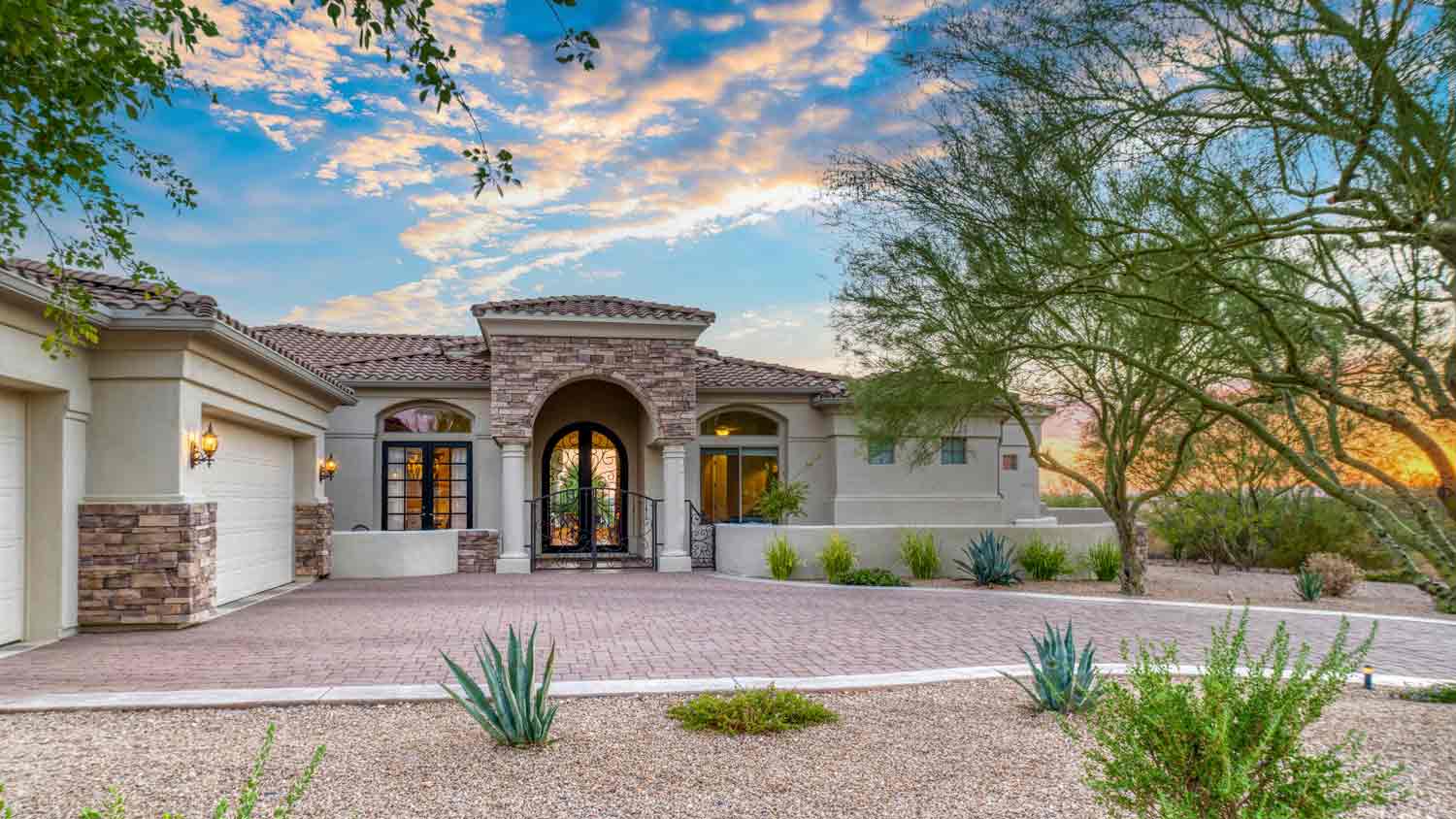
When building a home, going custom gives you the freedom to create your dream house. Learn about the cost to build a custom home and the factors to consider.
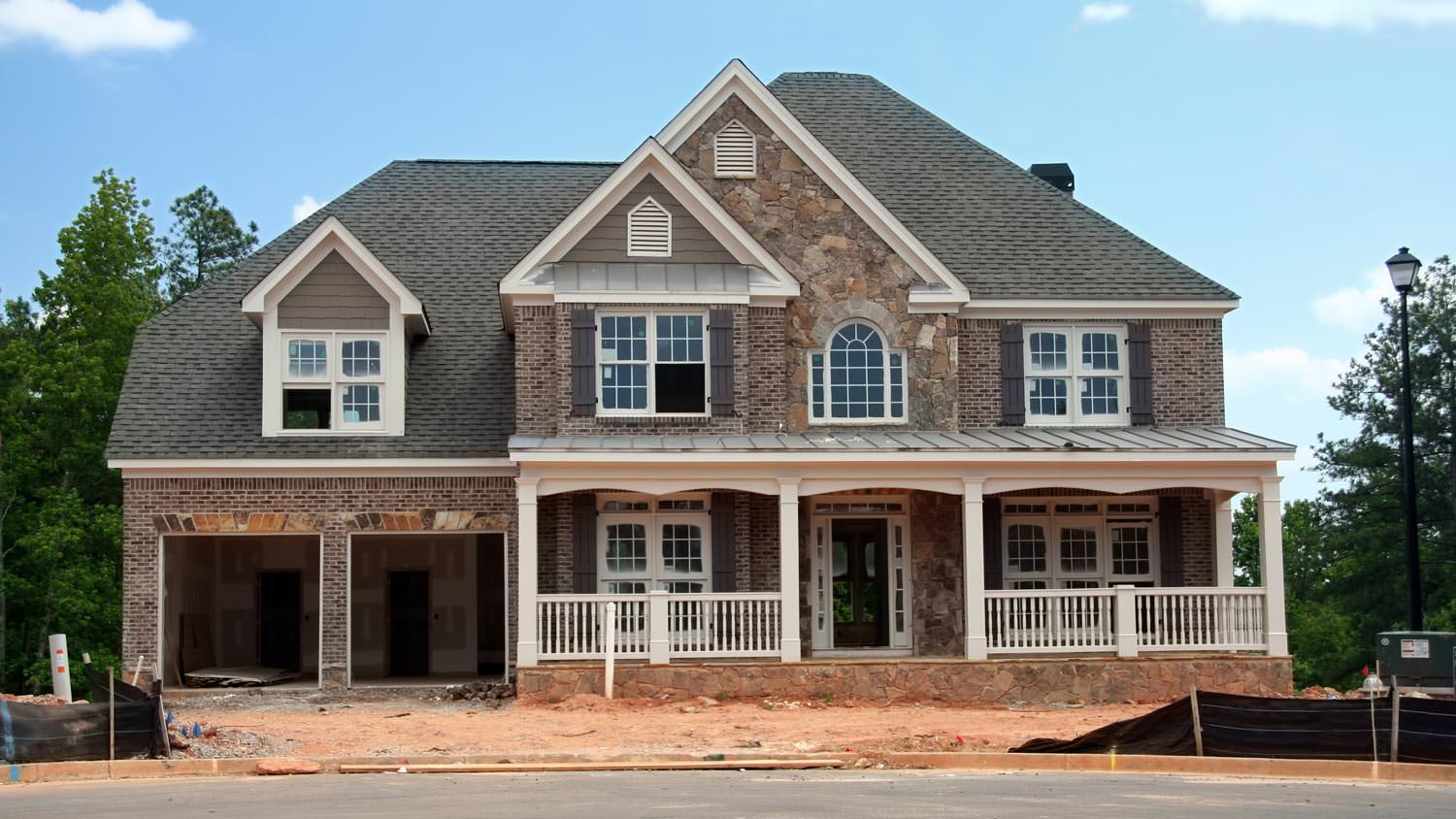
Wondering how much it costs to build a house? Use this guide to cover all your bases, from permits and planning to construction and finishing touches.
Thinking about a shelter or outbuilding installation? Learn about project scope, costs to expect, and how to hire the right local pro.
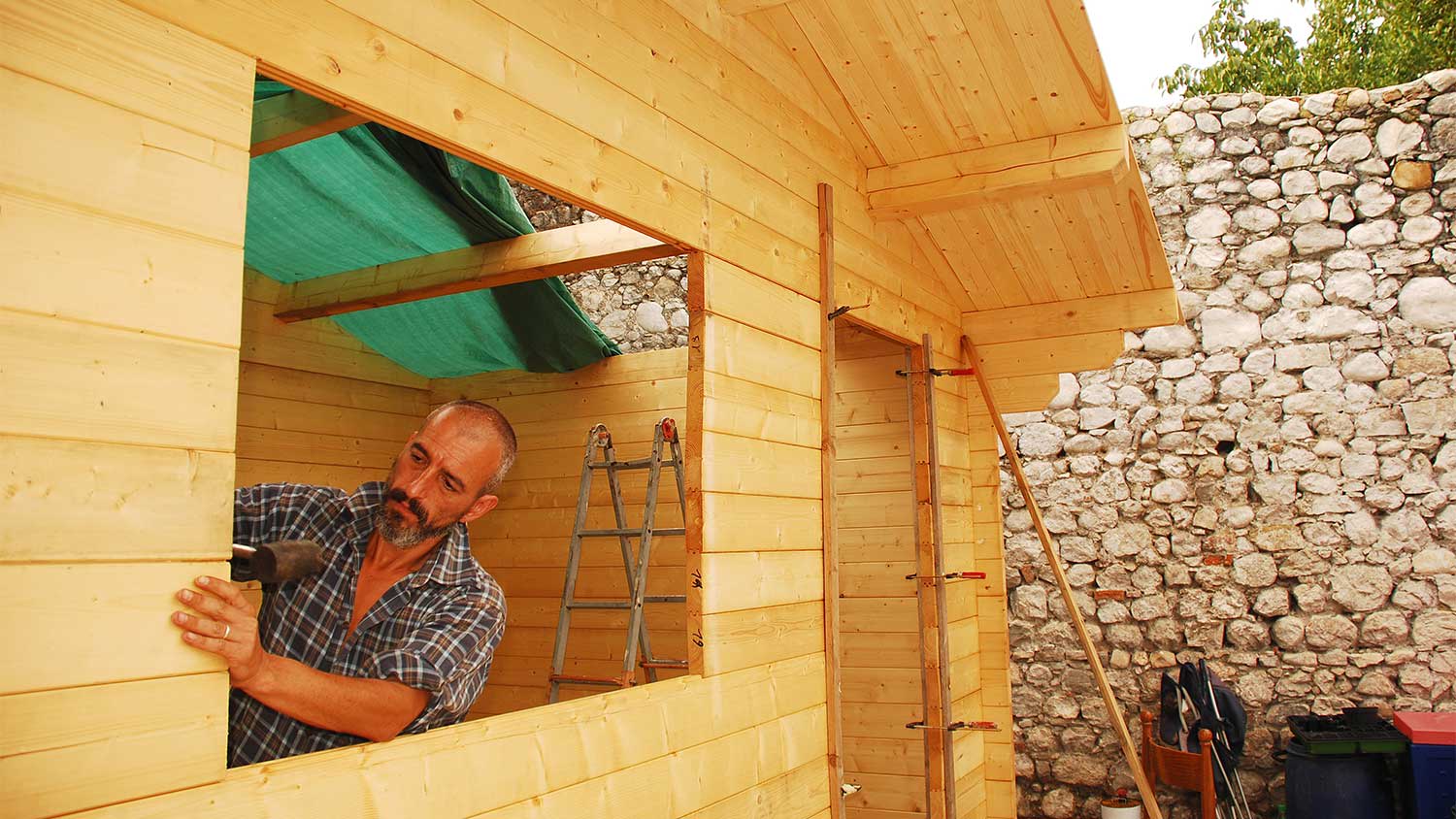
Ready to construct your dream workspace? Learn about workshop building costs, zoning laws, and how to hire a local pro to build your custom outbuilding.
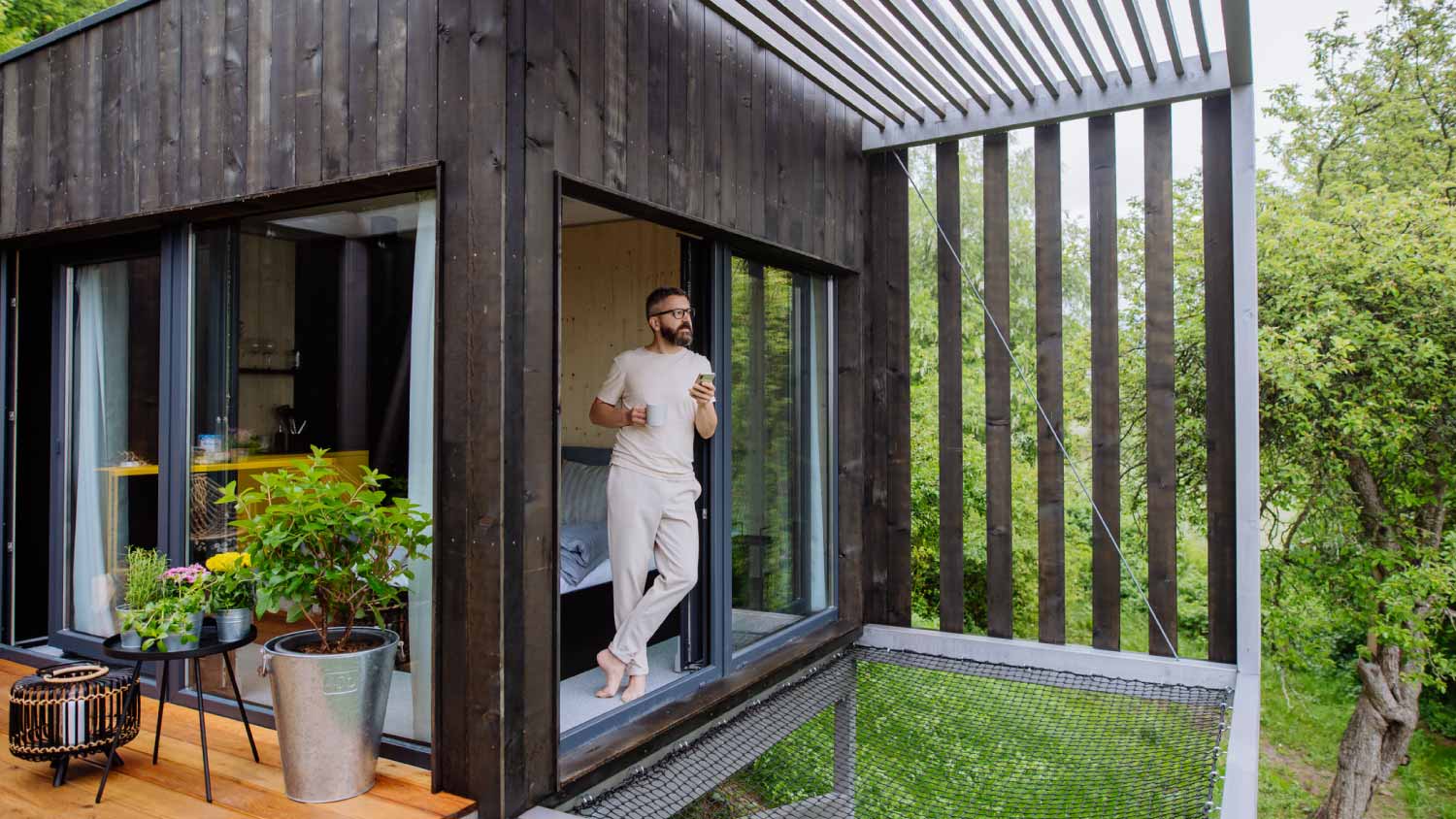
Thinking about a custom home building project? Learn about design options, average construction costs, and how to hire the right local pro for your new house.