


The average double-hung window costs $800, but prices vary by size, material, type, and more. Read this guide to help you budget for your double-hung windows.
Window service costs depend on your project and location. Check with a local pro for your specific job.

Window installation costs $300 to $3,500 depending on your window size, frame material, and installation complexity.
Your window type and frame material significantly affect your total, with vinyl being affordable and wood requiring more maintenance and upkeep.
Account for old window removal, opening resizing, and weatherproofing upgrades when planning your budget, which can add $50 to $500 per window.
Hiring a local window company ensures your windows are correctly installed, properly sealed, and backed by a warranty for long-term performance.
In 2026, the national average cost for a window is $750. Most homeowners spend between $300 and $3,500, with the spread driven by window size, frame material, and installation complexity. Standard sizes and vinyl frames keep costs down, while custom designs and energy-efficient options push them higher.
New window costs vary widely based on size, type, materials, labor, and installation complexity, with most homeowners spending between $300 to $3,500 per window. Standard replacements in existing openings with vinyl frames sit at the lower end, while larger windows, high-end materials, and intricate designs push costs higher.
Window size is one of the biggest cost drivers, with prices ranging from $150 to $500 for a small basement or bathroom window up to $2,500 or more for an oversized, floor-to-ceiling custom window. Larger windows require stronger frames, extra insulation, and sometimes structural reinforcements, all of which add to both material and labor costs. A small window is manageable for a single installer, while a large picture window may require a reinforced frame, new support beams, and a full crew to complete the job.
Costs vary significantly depending on window dimensions and intended use, as the breakdown below shows.
| Window Size and Use | Typical Dimensions | Average Cost in 2026 |
|---|---|---|
| Tiny (basement, small bathroom) | 12" x 18" to 18" x 24" | $150–$500 |
| Small (bathroom, laundry room, small bedroom) | 18" x 24" to 24" x 36" | $200–$600 |
| Medium (standard bedroom, home office) | 30" x 36" to 36" x 48" | $300–$800 |
| Large (living room, primary bedroom) | 48" x 60" to 60" x 72" | $700–$1,800 |
| Extra large (large picture and sliding windows) | 60" x 72" to 72" x 84" | $1,500–$3,500 |
| Oversized (custom, floor to ceiling) | 72" x 96" or larger | $2,500+ |

The window type you choose significantly affects both the look of your home and what you pay, with costs ranging from $200 to $600 for a basic single-hung window up to $1,500 to $6,000 for a bow window. Simpler styles like single-hung and sliding windows are straightforward to install, while bay, bow, and picture windows require more complex installation and custom framing that drives costs higher. Costs vary by window type, as the breakdown below shows.
| Window Type | Cost Range in 2026 |
|---|---|
| Single hung | $200–$600 |
| Double hung | $300–$900 |
| Sliding | $300–$1,000 |
| Casement | $350–$1,500 |
| Awning | $250–$1,200 |
| Picture | $600–$2,500 |
| Bay | $1,200–$4,500 |
| Bow | $1,500–$6,000 |
| Egress | $400–$1,500 |
Single-hung windows are one of the most affordable window styles, typically costing $200 to $600 installed. Only the bottom sash moves while the top remains fixed, making them a simple, low-maintenance option for most rooms.
Double-hung windows cost $300 to $900 installed and are one of the most popular choices for residential homes. Both the top and bottom sashes move independently, which allows for better airflow and makes cleaning easier than with single-hung styles.
Sliding windows cost $300 to $1,000 and open horizontally rather than up and down, making them a practical choice for wide openings. Keep in mind that only half the window can open at a time, which limits ventilation compared to casement or double-hung styles.
Casement windows range from $350 to $1,500 and are hinged on the side, opening outward with a crank. Their tight seal when closed makes them one of the most energy-efficient window styles available.
Awning windows cost $250 to $1,200 and are hinged at the top, tilting outward from the bottom to allow ventilation even during rain. This design makes them a particularly practical choice for homes in wetter climates.
Picture windows cost $600 to $2,500 and are designed purely for natural light and unobstructed views, with no opening mechanism. Their fixed design delivers excellent insulation and lower maintenance than operable window types, though larger sizes and heavy panes can push installation costs toward the higher end of that range.
Bay windows range from $1,200 to $4,500 and consist of three panels that project outward from the home, adding interior space and bringing in more natural light. Their design requires additional structural support, making installation more complex and costly than standard windows.
Bow windows cost $1,500 to $6,000 and use four or more panels to create a gently curved appearance, similar to bay windows but with a softer profile. The larger size and increased framing requirements make them the most expensive standard window type.
Egress windows cost $400 to $1,500 and are designed to serve as emergency exits in basements or bedrooms. Because they must meet specific size regulations set by local building codes, installation tends to be more complex than a standard window replacement.
Frame material significantly affects what you pay, with vinyl frames starting at $200 to $800 per window installed and premium steel frames reaching $750 to $4,000. Vinyl is affordable and low-maintenance, while wood requires more upkeep and a larger budget at $300 to $1,500. High-end options like fiberglass ($300 to $2,000) and composite ($500 to $2,500) cost more upfront but typically deliver better insulation and longer lifespans. Costs vary by frame material, as the breakdown below shows.
| Frame Material | Average Cost (per Window, Installed) in 2026 |
|---|---|
| Vinyl | $200–$800 |
| Aluminum | $250–$1,200 |
| Wood | $300–$1,500 |
| Fiberglass | $300–$2,000 |
| Composite | $500–$2,500 |
| Steel | $750–$4,000 |

Labor costs for window installation depend on the window's size, installation complexity, and whether structural modifications are needed, with window installer fees running $50 to $65 per hour and carpenter fees for framing modifications ranging from $75 to $125 per hour. Standard replacements that fit an existing opening sit at the lower end, while resizing, framing adjustments, or new-location installs add to the total. General contractors overseeing a larger project typically charge 10% to 20% of the overall project cost.
Contractors cost: 10%, 20% of your overall project cost
Window installer fees: $50 to $65 per hour
Cost to hire a carpenter for framing modifications: $75 to $125 per hour
Prep costs depend on the condition of your home and the scope of the installation, with standard replacements in existing openings requiring minimal preparation, while structural modifications or older homes can add significantly to your budget. Old window removal, when not included in installation fees, typically costs $50 to $150, and resizing an opening adds $100 to $500 per window. Upgrading insulation and weatherproofing for better energy efficiency runs an additional $30 to $70 per window.
Where a window sits within your home directly affects labor costs, with second-story or higher installations adding $50 to $200 per window for the ladders, scaffolding, or safety equipment required. Basement or egress windows that require cutting through concrete or masonry can add $500 to $1,500 per window on top of standard installation fees.
New windows come with ongoing maintenance and repair costs that can add up over time, ranging from $0 to $150 per window per year, depending on the material and level of care required. Vinyl and fiberglass windows need only occasional cleaning, while wood frames and aluminum in coastal areas demand more frequent attention.
Window maintenance costs range from $0 to $150 per window per year, with the actual amount depending heavily on frame material and your local climate. Vinyl and fiberglass windows need only occasional cleaning, while wood windows require regular sealing or painting to prevent rot and warping, and aluminum frames in humid or coastal areas may need corrosion protection.
Even high-quality windows can develop problems over time, with seal failures that cause foggy or drafty windows being among the most common issues, typically costing $100 to $300 per window to fix. Glass replacement runs $200 to $500 per pane, depending on size and type, while hardware repairs, such as fixing locks or cranks usually costs $50 to $200 per window.
Installing a window yourself can save about $100 to $600 per window in labor costs. The project requires skill and precision to avoid potentially costly problems, such as structural issues or water damage. If you're not confident in your window installation skills, then it's best to hire a local window installer to ensure the window is installed correctly, properly sealed, and backed by a warranty.
If you want your new window to look sharp and perform even better, here's why a professional installer is worth every penny.
Pros have the right tools and training to install windows without damaging the frame or surrounding structure.
Professionals can get precise measurements to ensure a perfect fit and smooth operation for years to come.
They can identify underlying issues, such as rot, moisture damage, or inadequate insulation, that DIYers may overlook.
A proper pro install helps maximize energy efficiency and prevents drafts, leaks, and premature wear.
Professionals are familiar with local building codes and can handle any required permits for replacements or new installations.
Using a pro gets you access to manufacturer warranties that require professional installation to stay valid.
A professional can complete the job faster (about one to two hours per standard window) than a DIYer, which could take a full weekend.
If you're handy, patient, and ready to follow instructions to the letter, there are a few window-related tasks you can reasonably take on yourself.
Swapping out simple interior trim or casing around an existing window.
Replace worn weather stripping to reduce drafts and improve insulation.
Installing window film or tint for privacy or energy savings.
Repairing minor cosmetic issues like chipped paint, loose hardware, or sticking latches.
Applying fresh caulk or sealant around the window frame to tighten things up.
Tackling a basic insert (retrofit) replacement in a standard-size opening, but only if the frame is in good shape and you've measured carefully.
Handling cleanup, disposal, or touch-up painting after a pro completes the main installation.
Many window installation companies offer add-on services that can improve your home's energy efficiency, security, or appearance, and bundling them with your installation often lowers the overall price. Common add-ons range from $45 to $500 for blinds installation to $300 to $1,300 for shutters, so it pays to ask your installer about package pricing when scheduling your project.
Window trim and casing replacement: $50 to $300 per window
Exterior caulking and weatherproofing: $50 to $150 per window
Window screen installation or replacement: $50 to $500 per window
Shutter installation: $300 to $1,300 per window
Blinds installation: $45 to $500 per window
Replacing windows can get pricey, but there are several ways to potentially make it more affordable. By considering budget-friendly options and taking on small tasks yourself, you can reduce costs while still getting the windows you need.
Stick to standard sizes and simple styles to save on material and installation costs.
Opt for vinyl frames over wood or aluminum.
Schedule installation during the off-season, like late fall and winter, when some contractors offer lower rates.
Remove curtains, blinds, and nearby furniture yourself to cut down on labor time.
Order all your windows at once to qualify for bulk discounts.
Take advantage of energy-efficient tax credits or local rebates you might receive for installing more energy-efficient windows.
Be ready to share the type of window materials and styles they’re considering, from frame options to glass features.
Be prepared to discuss any measurements you've already taken.
Share any existing issues, such as rot, moisture, or drafty frames, that could impact the installation.
Discuss any accessibility considerations, such as second-story installs, tight exterior spaces, or obstacles inside the home.
Home is the most important place on earth, which is why Angi has helped more than 150 million homeowners transform their houses into homes they adore. To help homeowners with their next project, Angi provides readers with the most accurate cost data and upholds strict editorial standards. We extensively research project costs to develop the pricing data you see, so you can make the best decisions for you and your home. We rely on reputable sources, including the U.S. Bureau of Labor Statistics, academic journals, market studies, and interviews with industry experts—all to ensure our prices reflect real-world projects.
Want to help us improve our cost data? Send us a recent project quote to [email protected]. Quotes and personal information will not be shared publicly.
We have used Window Warriors many times with no issues. They arrived on time and were very professional . We have pets and Window Warrior team treated them very well, well trusted team.
 Window Warrior of Columbus, Inc.
I am highly satisfied with the window replacement service I received; the professionals from Savvy Exteriors were punctual and did an amazing job that exceeded my expectations.
 Savvy Exteriors
I hired windows depot USA of central to install new windows in house in Oshawa. Ilya was very professional from the start, not only did he offered a great price, he also made sure the installation was on time. I am very satisfied with final outcome. The windows look great and the overall...
 Window Depot USA of Central Ohio
The team is awesome!! I can generally pick up and clean throughout the week, but they CLEAN! Windows, stair rails, microwave. All the things I can’t ever seem to get to regularly. The house looks and smells great after they leave.
Description says they handle window repair including rotten hardwood - they called me back right away but didnâ t leave a voicemail. I followed up 3 days later and they said they donâ t do that kind of work.
 Window-Gurus
We had a gutter blockage that was causing water to sheet down the side of the house and ultimately it started to come in at a window (need mortar people next). Called around 7:30am, and he responded by 8am. He was able to come out the same morning and do a look over and clean out. He also...
From average costs to expert advice, get all the answers you need to get your job done.
The average double-hung window costs $800, but prices vary by size, material, type, and more. Read this guide to help you budget for your double-hung windows.
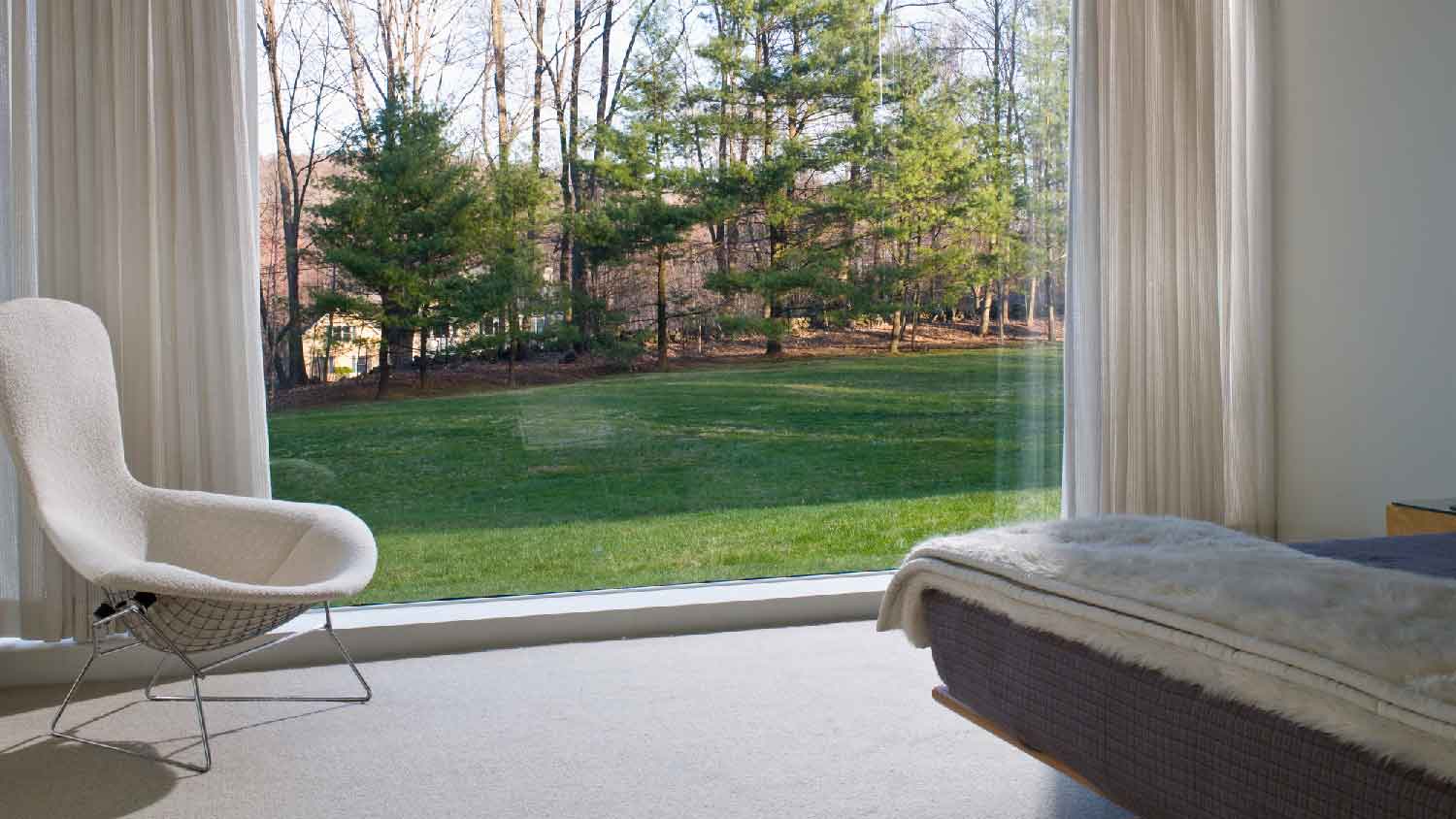
Do you need impact windows to protect your home in the event of a hurricane? Find out how much impact windows cost, including the windows themselves and the labor to install them.
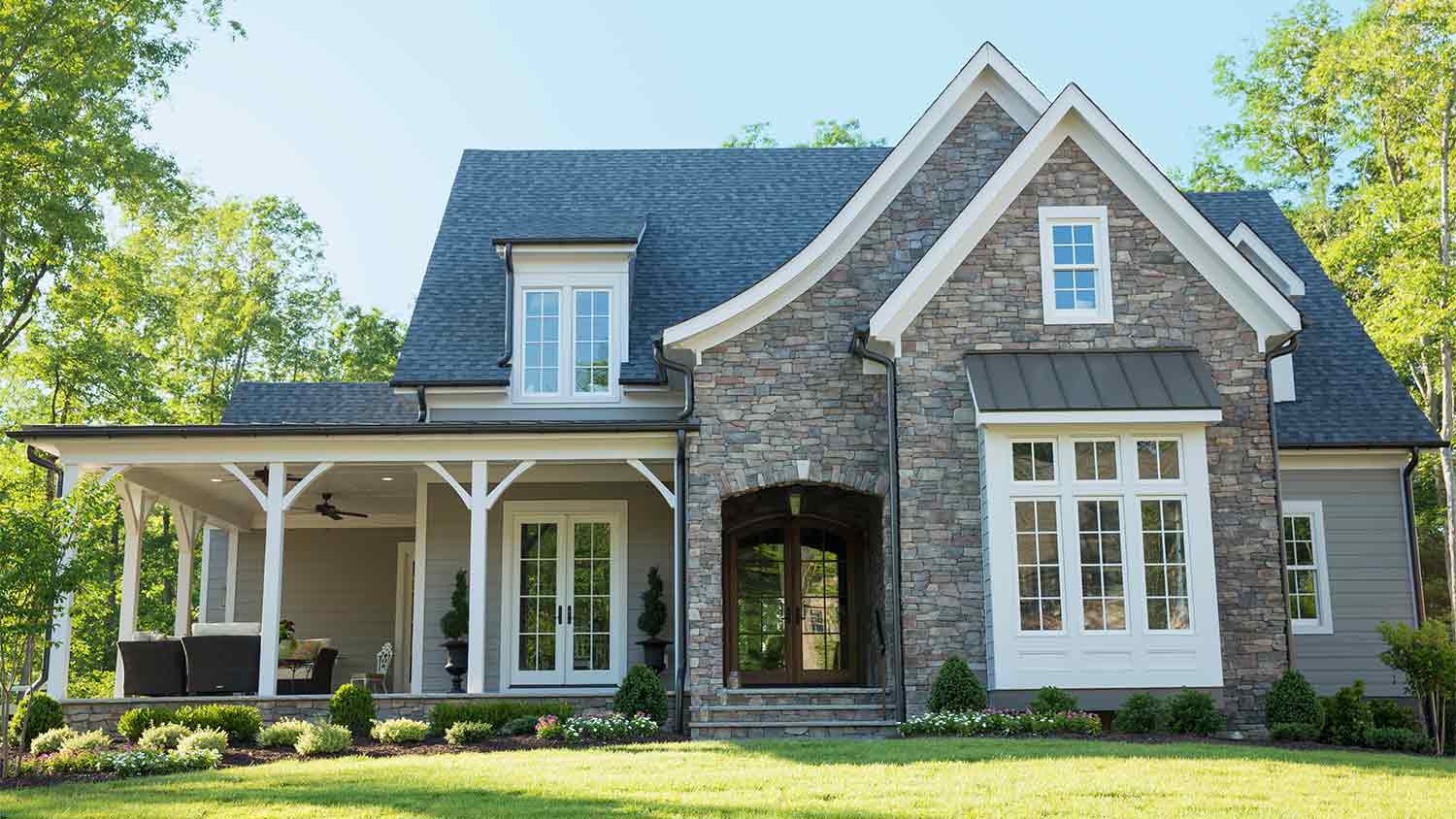
Bay windows let in natural light, boost curb appeal, and make your interior space look larger. Learn how much bay windows cost and what affects prices.

Understanding standard window sizes is easy once you get the hang of it. Here's how to order windows just like the pros.
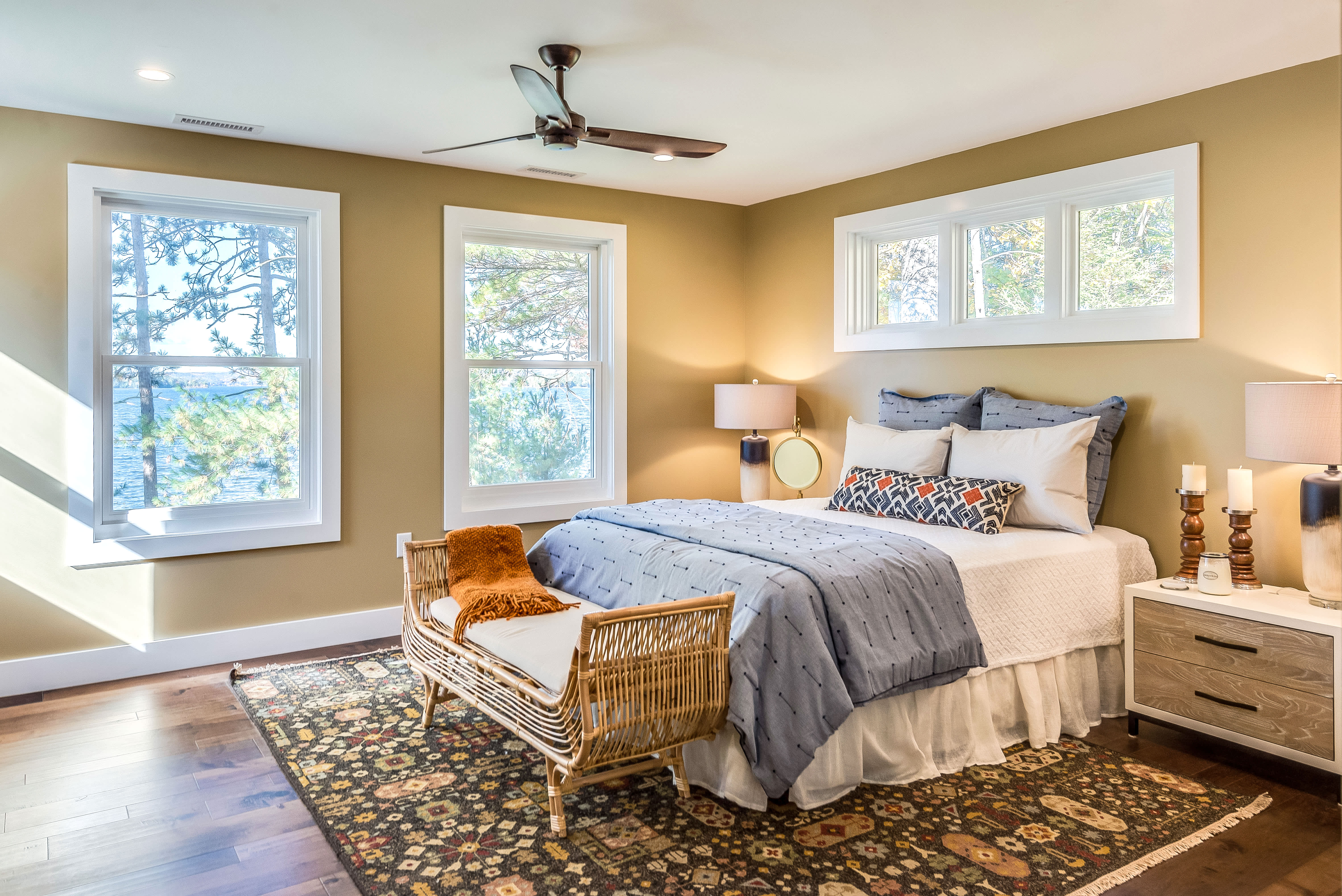
Not sure what window size is right for your space? Learn about standard double-hung windows sizes and what factors affect your sizing.
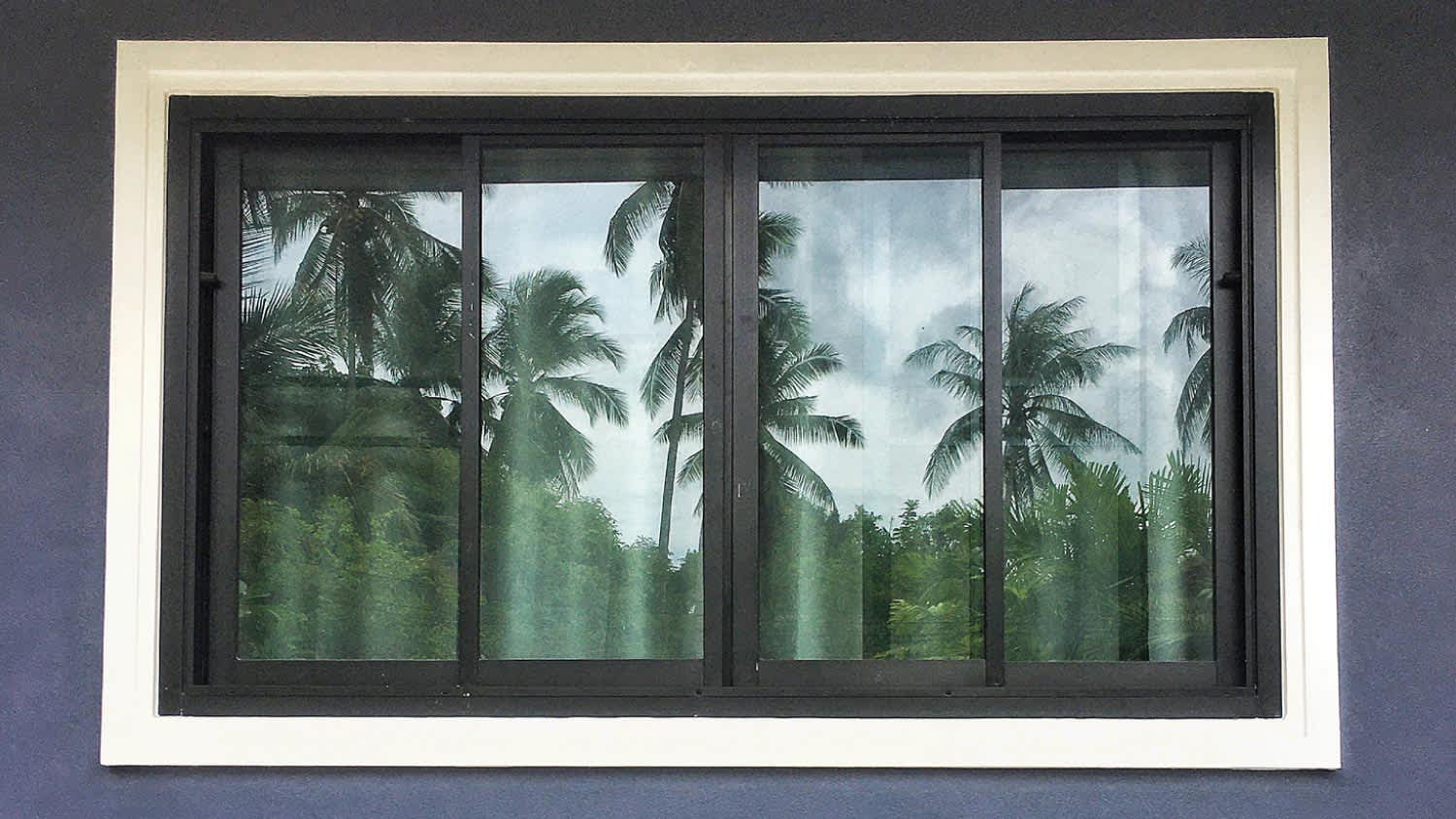
Bifold windows provide maximum ventilation and intrigue to your home. Use this guide on bifold window costs to see what your window project will total.