
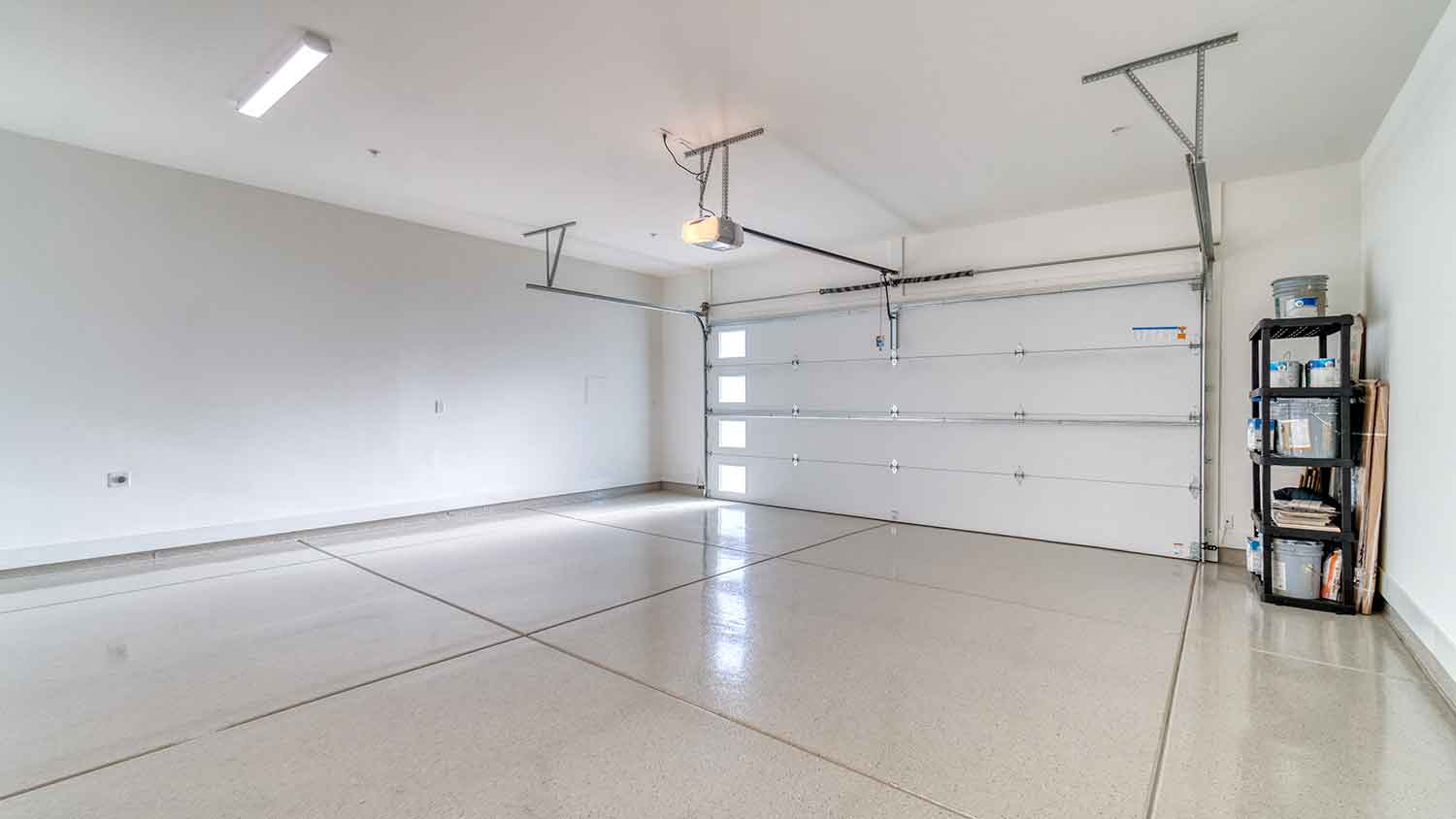
How much does it cost to insulate a garage? Discover insulation options, prices, and expected and unexpected circumstances that affect the project cost.
Different types of insulation provide different benefits for energy efficiency, pest control, noise reduction, and eco-friendly living

Choosing home insulation depends on your climate, budget, installation area, and whether you plan to DIY or hire a professional for the project.
Expect to pay $1,000 to $2,400 for fiberglass batt installation or $2,500 for spray foam, with material costs as low as $0.30 per square foot for DIY.
Your best insulation type depends on performance needs: spray foam and foam board suit cold climates, while fiberglass works well in warmer areas.
Hiring a local insulation company provides expert guidance on material selection and R-values, plus professional installation that keeps your home comfortable year-round.
When it comes to protecting your home with insulation, one size does not fit all. Before you start an insulation project, consider the local climate, your budget, the installation area, and whether you want to DIY or hire a local insulation installer. We’ve rounded up 10 of the most common types of insulation for attics and beyond to help you know exactly what you’ll need to insulate your home.
According to Angi data, adding insulation to an existing home—whether that’s to a garage ceiling or the attic—accounts for over 80% of all batt and roll insulation projects. Batt and roll insulation are both made from either fiberglass or mineral wool and cost roughly the same—between $0.30 and $2.50 per square foot on average. The main difference between the two is that rolls—you guessed it—come in rolls while batts are stacked in flat, pre-cut sections akin to thick blankets.
The easiest "hack" for insulating your home without major construction is spray foam, a chemical-based insulation that’s mixed at your home before it's applied using a special sprayer.
Spray foam's ability to get into tight spaces makes it a top pick for cold climates.
The national average spray foam installation cost is $2,500, or $1.50 to $4.90 per square foot, including materials and labor.
| Pros | Cons |
|---|---|
| High R-value | Pricier than other options |
| Water, mold, and insect-resistant | Difficult to DIY installation |
| Great for sealing small crevices | Flammable |
Best for: Homes in particularly cold or wet climates.
The most common insulation found in homes, fiberglass, consists of extremely fine glass fibers. It comes in batts/rolls, loose fill, rigid boards, and specialized duct insulation.
Fiberglass batt installation costs range from $1,000 to $2,400, but if you decide to DIY, the material itself costs only $0.30 to $1.50 per square foot.
“Fiberglass batts are probably the most cost-effective choice for insulation,” says Bob Tschudi, Angi Expert Review Board member and general contractor in Raleigh, NC. “You can buy them at all the big box stores and literally push them between the joists or wall structure and get a great R-value, which is how well insulation can keep heat from leaving or entering your home.”
| Pros | Cons |
|---|---|
| Fire-resistant qualities | Can be hazardous if mishandled |
| Easier to DIY | Less effective than spray foam in cold climates |
| Affordable | May require demolition to install |
Best for: Those in warmer climates who are interested in a DIY approach.
Thick and dense, cellulose is the "down feather" of the home insulation world. Cellulose and fiberglass insulation have similar R-values, but the former is more eco-friendly because it’s derived from plant sources.
| Pros | Cons |
|---|---|
| Affordable | May sag over time |
| Easy installation—no demolition required | Dries slowly if it makes contact with water |
| Insect and vermin-repellent | Higher mold and mildew risk |
Best for: Anyone looking for an inexpensive and green insulation option.
Deciding between mineral wool and fiberglass insulation is a common conundrum for homeowners. Mineral wool insulation—also called Rockwool insulation—has a higher R-value than its competitor, which means it does a better job of maintaining heat and will even block out unwanted noises. Wool insulation costs between $1.40 and $3.10 per square foot on average.
| Pros | Cons |
|---|---|
| Partially made from recycled materials | More expensive than fiberglass |
| Sound- and waterproof and fire-resistant | Limited sizing options available |
| Won’t flop or sag as easily as fiberglass | Difficult installation |
Best for: Those who don’t mind spending a bit more to hire a pro.
Vapor barriers usually come attached to other types of insulation, such as rigid insulation panels or faced insulation. These sheets are typically made from kraft paper or polyethylene films and work to keep moisture or water vapor from entering walls, ceilings, floors, and more. Vapor barriers cost between $0.25 and $0.50 per square foot on average.
| Pros | Cons |
|---|---|
| Inexpensive | Easy to damage during installation |
| Easy installation | Doesn’t combat condensation |
| Limits mold growth | No tight seal so water may get through |
Best for: Those looking for an extra layer of protection.
According to the EPA, homeowners can save significantly on monthly heating and cooling bills by installing insulation in their attics, floors, and crawl spaces.

| Pros | Cons |
|---|---|
| Easy to install | May fall down |
| Inexpensive | May irritate skin during installation |
| High R-value | Requires vapor barrier |
Best for: Those who need something to pair with vapor barriers.
This type of insulation is preferred for filling cramped or hard-to-access spaces without the need for demolition because it involves blowing materials like cellulose and fiberglass into them. This unique installation method also makes it one of the easier insulation options to DIY. What’s more, blown-in insulation costs less than most other options at just $0.50 to $2.30 on average.
| Pros | Cons |
|---|---|
| Low cost | Limited durability |
| Easy to install | Susceptible to water damage |
| Fire-resistant | May sag over time |
Best for: Those who want to install insulation on their own.
Foam board insulation, or rigid foam insulation, is a sturdy and popular alternative to your traditional batts or rolled blanket insulations. You’ll pay somewhere between $0.25 and $2 per square foot for rigid foam insulation on average, but some panels, like structural insulated panels, cost between $7 and $12 per square foot. This higher cost comes with an incredibly high R-value, making this type of insulation ideal for very cold climates.
| Pros | Cons |
|---|---|
| Soundproof and heat and moisture-resistant | Challenging to DIY |
| Low starting costs | Higher long-term costs |
| Prevents air leaks | Flammable |
Best for: Homes in especially cold climates.
Though not technically an insulation, radiant barriers offer homes in hot climates protection from heat build-up through their reflective properties. Almost exclusively installed as attic roof insulation and in rafters, radiant barriers reflect UV rays away from your home to help lower temperatures in the summer. Radiant barriers cost $0.10 and $0.95 per square foot and come in a foil form and a paint spray that contains aluminum.
| Pros | Cons |
|---|---|
| Low cost | Susceptible to mold growth |
| Reduced energy bills | Doesn’t maintain heat |
Best for: Those in hot environments looking to stay cool inside.
Concrete blocks can contain insulation or be insulated to help regulate your home’s temperature. In new construction, this may look like using concrete blocks mixed with polystyrene beads or concrete blocks with rigid foam inserts. In existing homes, concrete block insulation may include drilling into the blocks and injecting foam into the blocks to provide insulation.
| Pros | Cons |
|---|---|
| Increased energy efficiency | Costly |
| Reduces sound | Less effective in colder climates |
| Reinforces walls | May require demolition to install |
Best for: Adding insulation during home construction.
If an insulation inspection finds that you need repairs or replacements, or you’re just sick of high heating and cooling costs, it’s time to pick an insulation material.
Your choice will depend on many different factors, such as:
Climate/location: Your climate and location are important for how you want airflow managed at your home.
Project scope: While some insulation requires wall removal, other types, like spray foam and blown-in fiberglass or cellulose, are applied using a hose without making any structural changes.
Budget: Insulation cost varies by material and method.
DIY or professional: While some insulation options are doable for homeowners, others are complex and require a pro.
I would recommend this company to anyone! He showed up on time, was friendly, completed a very difficult repair on our dryer vent cover, was responsive, and pricing was extremely fair and competitive. I would have him back to do any of our repairs or cleanings without hesitation!
 U.S.A. Dryer Vent, LLC
Best cleaning I've had at my property
I conferred with 2 other contractors before Armstrong Electric. Nick and his crew showed me that the project was not as convoluted as the other contractors made it appear to be. They completed the entire project on time. They were professional, friendly and cleaned up after at completion. I...
 ARMSTRONG ELECTRIC, LLC
The technician was very professional and friendly. He answered all my questions and was very thorough. He left the fireplace area very clean . He inspected from the roof and advised me as to other work that might need to be done. There was no pressure there. I was very satisfied with the...
 Supreme brick & chimney
Our exterior looks brand new thanks to Custom Paint Jobs LLC. Theyre the best in town!
 Custom Paint Jobs, LLC
Excellent experience with hiring Tether House to Mount our 77’ Samsung TV in our bedroom. Fast, friendly, and knowledgeable. Highly recommend.
 Tether House
The techs on my project, Shawn and Cliff, were great. They were prompt, courteous, and efficient. I am very happy with the results and would definitely contact Mr. Electric for any future electrical projects.
 Mr. Electric of Columbus
We had our houses windows and back door replace this summer by Window Depot USA of Central. He gave us grate advise and saved my family lots money. The team did a fantastic job with installation. If you need help, they sure get job done right!
 Window Depot USA of Central Ohio
Beginning with the estimate, Larry and Peyton were super helpful in getting my new condo's interior re-painted. Not only was the job well done, but also done in a super timely manner as promised.
 Five Star Painting of Plain City and Powell
Great job...edging and pre clean up went well with a great job with seal coat. Friendly, efficient and professional.
 All Star Paving and Sealing
From average costs to expert advice, get all the answers you need to get your job done.
How much does it cost to insulate a garage? Discover insulation options, prices, and expected and unexpected circumstances that affect the project cost.
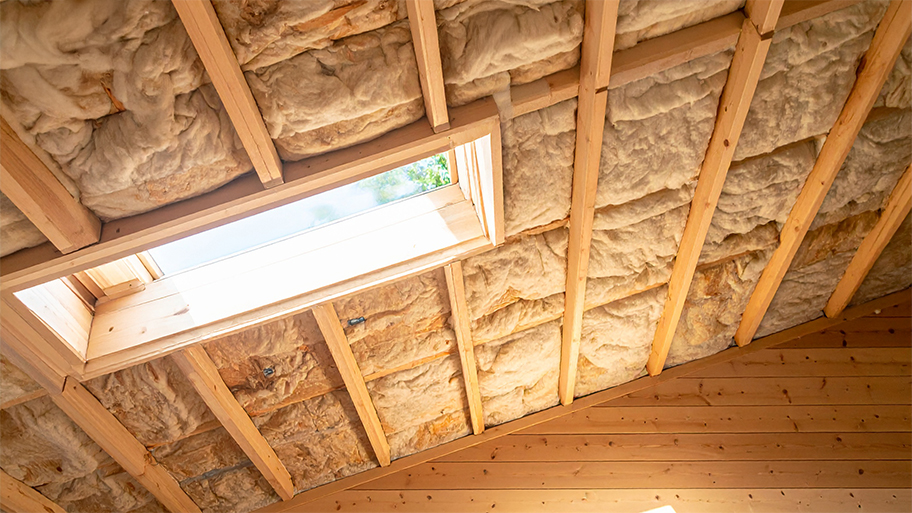
Insulating your attic can massively improve your home’s efficiency and reduce electric bills. Use this guide to find out what attic insulation will cost you.

Discover the average injection foam insulation cost, key price factors, and ways to save. Get transparent estimates to plan your home insulation project confidently.
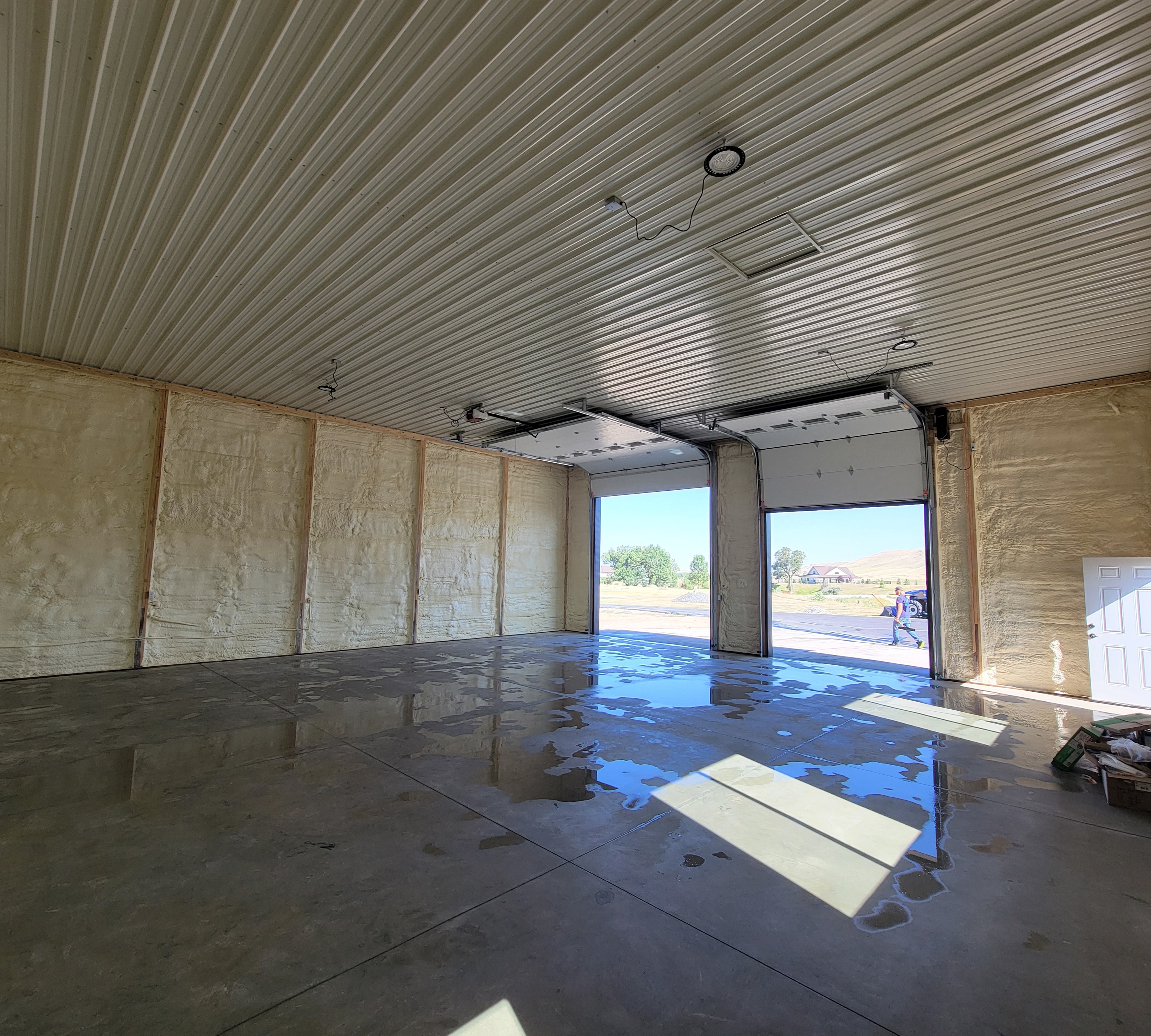
Our guide helps you select the right type of garage insulation to regulate temperature, sounds, and smells in your garage space.
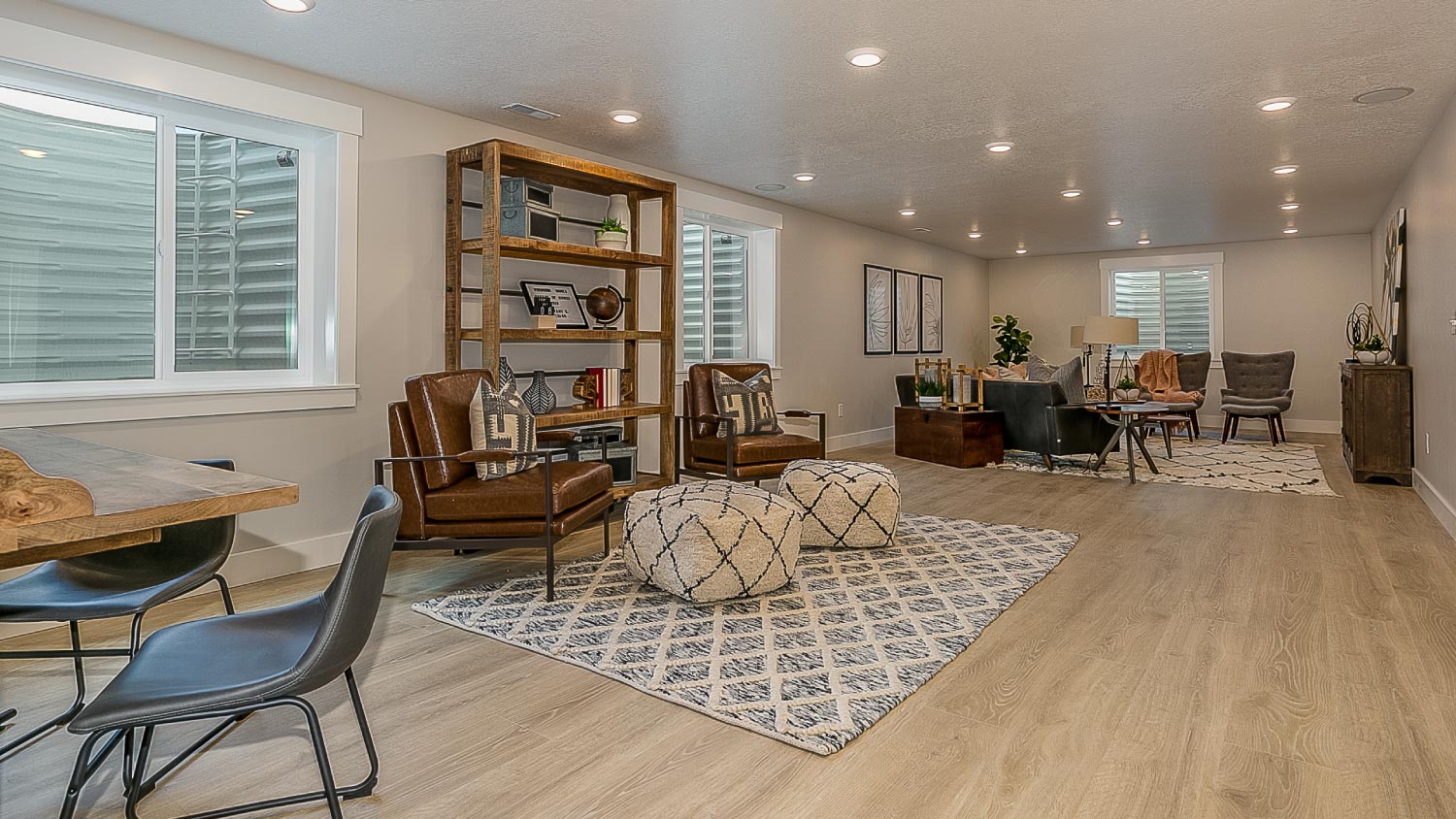
The best insulation for your basement depends on the insulation location, budget, and climate. Here’s what you need to know about insulation for basements.

A major detail in keeping your home at the optimal temperature is choosing between duct insulation types. Here's how to narrow down your options.