

Whether your energy bills are out of control or you can’t keep your home comfortable, it’s good to know what costs to expect before you pay to insulate your ductwork.
Maintaining a cozy home is all in the details
 - Derek Rose.png?impolicy=thumbnail)
Ductwork insulation for HVAC systems comes in three main types: fiberglass offers budget-friendly energy efficiency, polyethylene provides superior moisture resistance, and mineral wool delivers excellent fire protection.
Typical costs range from $1,000 to $2,700 for duct insulation, with average costs around $2,500 depending on your material choice, R-value requirements, and home size.
Your climate zone determines the R-value you need, with extreme temperature regions requiring higher insulation ratings to maintain indoor comfort and reduce energy waste effectively.
Hiring a local duct installing professional removes the guesswork from material selection and installation, ensuring your system performs efficiently while meeting local building codes.
Duct insulation, often hidden from view within the depths of your home, plays a pivotal role in regulating indoor temperatures, energy efficiency, and environmental comfort. If you're preparing a project, you'll need to know which types of duct insulation to choose from. Whether seeking optimal thermal control, soundproofing, or cost-effective solutions, understanding the options is your first step toward achieving indoor comfort and efficiency.

Fiberglass duct insulation is a versatile and widely utilized option for insulating residential and commercial ductwork. Made up of delicate glass fibers, this insulation is praised for its affordability and efficiency in conserving energy. The material is flexible for both round and rectangular ducts and comes in various thicknesses and R-values—more on that later.
This insulation material can be purchased fully wrapped in aluminum or perforated foil, offering superior sound absorption.
| Pros | Cons |
|---|---|
| Low-cost and DIY-friendly | Risk of respiratory and skin irritation |
| Prevents condensation | Can release airborne particles during installation |
| Good temperature control | Loses insulation properties over time |
| Fire-resistant | Not good at soundproofing |
Best for: Budget-conscious homeowners and DIY enthusiasts.

Polyethylene (PE) duct insulation is commonly used to minimize heat loss or gain within the ductwork. It is made from polyethylene foam, a lightweight, flexible, and resilient material applied to the interior or exterior of ductwork. This material could also be a good choice when installing dryer vent insulation that connects to the home's exterior. Of course, this extra ruggedness comes with a slightly higher price tag, making polyethylene a more expensive alternative to fiberglass.
| Pros | Cons |
|---|---|
| Minimizes heat transfer | Expensive |
| Flexible material | Not fire-resistant |
| Resistant to moisture and condensation | Not DIY-friendly |
Best for: Higher-budget projects and homeowners looking to reduce the risk of mold growth or corrosion within ducts.

Mineral wool duct insulation, or stone wool or slag wool insulation, is a high-performance thermal insulation material that can be installed with a sheet metal liner. It’s manufactured from molten rock or industrial slag, spun into fibers, and bound together to form rigid or semi-rigid boards, blankets, or batts. This robust insulation material is known for its exceptional resistance to heat and fire and its ability to provide both thermal and acoustic insulation.
Many people also like that mineral wool is made from environmentally friendly recycled materials. For this reason, mineral wool is considered a top choice when creating an eco-friendly home.
| Pros | Cons |
|---|---|
| Excellent thermal resistance | Expensive |
| Fire-resistant | Rigid and challenging to install |
| Good soundproofing | Not good for tight spaces |
| Resistant to moisture | Has a heavy weight |
| Durable and long-lasting | Can cause respiratory or skin irritation while handling |
Best for: Homeowners looking to maintain consistent indoor temperatures and improve energy efficiency.
To get the best performance out of your HVAC system, you must use the right kind of insulation in your ductwork. Here are the key factors that determine what type of insulation is best for you.
When shopping for duct insulation, the R-value is arguably the most crucial factor to consider. It measures the thermal resistance of an insulation material, indicating its effectiveness in preventing heat transfer. A higher R-value means better insulation properties, which is particularly important for ducts, as they control the flow of conditioned air throughout your home.
To make an informed choice, first assess your location's climate. Regions with extreme temperatures require insulation with higher R-values.

Each region corresponds with a specific R-Value:

Before selecting ductwork insulation, it’s important to consider how well the material resists moisture and air permeation. Moisture resistance is especially important if you live in a wet, humid area, as exposure to moisture can cause mold growth, corrosion, and reduced thermal performance. Similarly, thermal efficiency decreases when air permeates the insulation material.
Additionally, consider the location of your ducts, whether they are in unconditioned spaces or near external walls, as this affects the necessary level of insulation. Be mindful of local building codes and regulations, which may dictate minimum R-value requirements for your area.
When selecting the most suitable type of duct insulation for your specific needs, budget is another important consideration. Fiberglass is the least expensive choice, but mineral wool's durability may make it more cost-effective over time. As you're considering the cost, remember you need to clean your ducts. Air duct cleaning costs can range between $270 and $500, depending on the size and type of ductwork and insulation you have.
Evaluate the duct system's location and conditions. Polyethylene's moisture resistance makes it ideal for humid environments, while mineral wool provides thermal and acoustic insulation. If fire safety and soundproofing are paramount, mineral wool stands out.
It costs $1,000 to $2,700 to insulate ductwork. However, the average cost for most homes is on the higher end of this range at $2,500. The exact price depends on several factors:
The type of insulation material (fiberglass, polyethylene, mineral wool, etc.)
The material’s R-value (insulation with a higher R-value is more expensive)
How many feet of insulation are needed
The area in which you live
If you need add-on services like duct cleaning or sealing
If you DIY or hire a pro for installation
If you plan to do a DIY installation, consider which one best suits your skill level. Fiberglass is relatively straightforward for DIY projects, whereas polyethylene and mineral wool may require professional expertise due to their unique materials and characteristics. Fiberglass is the way to go if you're looking for an option that offers creative ways to hide ductwork. Ultimately, your decision should align with your specific project requirements and priorities, which may vary. Contact a local duct installer for advice if you have any concerns.
If you’re good people wanting to do business with good people, hire Matt. He is a consummate professional and utterly competent. He installed a water heater in my home at a price that beat competitors by hundreds of dollars with a promise to support the unit for its life (even after its 6 yr...
 Greene's Plumbing Services
I would recommend this company to anyone! He showed up on time, was friendly, completed a very difficult repair on our dryer vent cover, was responsive, and pricing was extremely fair and competitive. I would have him back to do any of our repairs or cleanings without hesitation!
 U.S.A. Dryer Vent, LLC
Best cleaning I've had at my property
I conferred with 2 other contractors before Armstrong Electric. Nick and his crew showed me that the project was not as convoluted as the other contractors made it appear to be. They completed the entire project on time. They were professional, friendly and cleaned up after at completion. I...
 ARMSTRONG ELECTRIC, LLC
Our exterior looks brand new thanks to Custom Paint Jobs LLC. Theyre the best in town!
 Custom Paint Jobs, LLC
Excellent experience with hiring Tether House to Mount our 77’ Samsung TV in our bedroom. Fast, friendly, and knowledgeable. Highly recommend.
 Tether House
The techs on my project, Shawn and Cliff, were great. They were prompt, courteous, and efficient. I am very happy with the results and would definitely contact Mr. Electric for any future electrical projects.
 Mr. Electric of Columbus
We had our houses windows and back door replace this summer by Window Depot USA of Central. He gave us grate advise and saved my family lots money. The team did a fantastic job with installation. If you need help, they sure get job done right!
 Window Depot USA of Central Ohio
Beginning with the estimate, Larry and Peyton were super helpful in getting my new condo's interior re-painted. Not only was the job well done, but also done in a super timely manner as promised.
 Five Star Painting of Plain City and Powell
Great job...edging and pre clean up went well with a great job with seal coat. Friendly, efficient and professional.
 All Star Paving and Sealing
From average costs to expert advice, get all the answers you need to get your job done.
Whether your energy bills are out of control or you can’t keep your home comfortable, it’s good to know what costs to expect before you pay to insulate your ductwork.
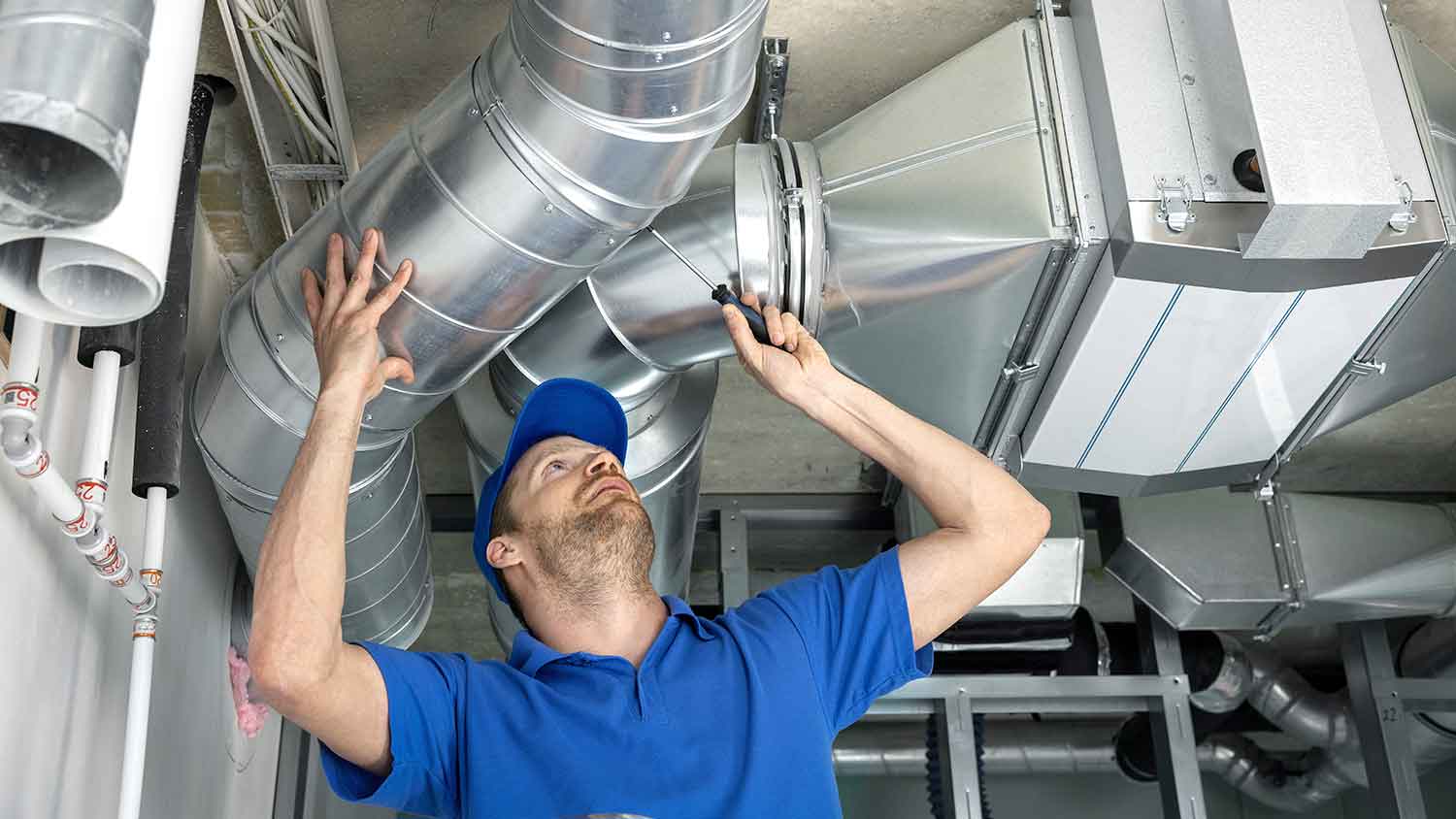
Discover the true duct replacement cost for your home. Learn about average prices, key cost factors, and tips to save on your ductwork replacement project.
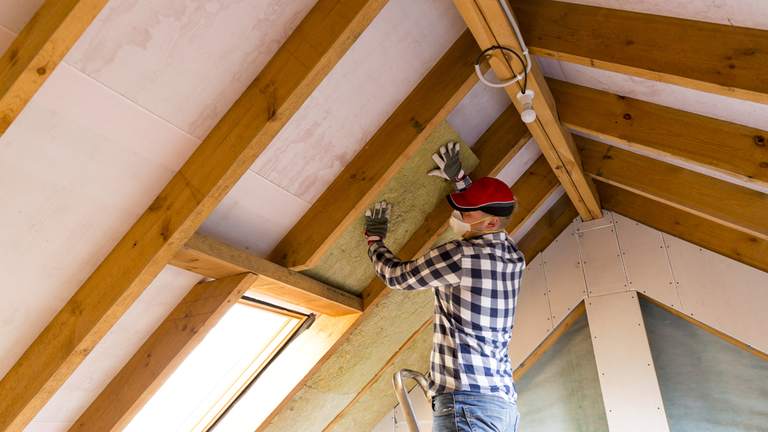
There are 10 types of insulation you can use for your home. Read this guide to discover which insulation types could be best for the job.

Follow this step-by-step guide to insulate air ducts in crawl space with duct wraps and maintain your HVAC efficiency. This is a low-cost DIY project.

Do you know when insulation is required on air ducts? Learn whether your ductwork needs to be insulated and why it’s important.
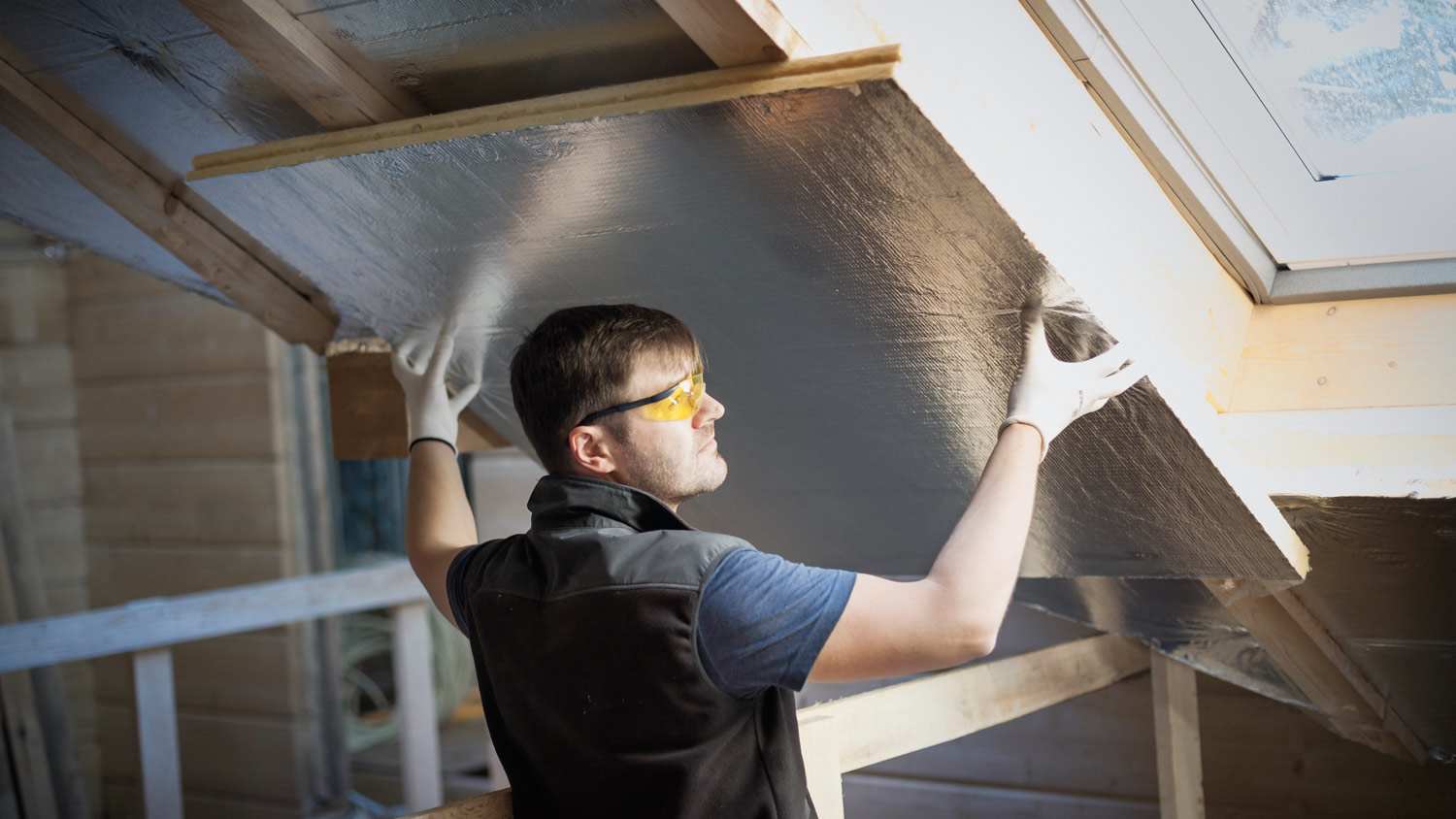
Insulation is crucial when it comes to conserving energy and increasing the overall comfort level of your home. But before you call in an installation pro, learn about the most common types of insulation and their various uses.