

New insulation can make your home more comfortable and boost energy efficiency. Use this insulation cost guide to get an accurate estimate for the installation.
Insulate smarter—with information about these two powerhouses of heat retention

Cellulose insulation versus fiberglass insulation both reduce heat transfer, but cellulose offers a higher R-value of 3.5 to 3.7 per square inch.
Fiberglass insulation costs $0.30 to $1.50 per square foot for batts, while cellulose costs $0.60 to $2.30 per square foot for your project.
Your best choice depends on your budget, installation method preference, eco-friendly priorities, and the R-value your climate requires for comfort and savings.
Hiring a local insulation company provides reliable support with blown-in installation and helps you choose the right material for your home's needs.
Choosing which material to use to insulate your home is critical; it could mean the difference of hundreds of dollars in energy bills, not to mention your overall comfort—no one wants to be shivering during a snowstorm. When it comes to insulation materials, two of the most popular choices are cellulose and fiberglass. To help you make an informed decision for your home, let's explore the key distinctions between these two options.
Cellulose is more expensive than fiberglass, however it doesn’t degrade, and its R-value doesn’t lessen in extreme temperatures or when it is compressed. Overall, the R-value of cellulose is higher than that of fiberglass; it will provide better thermal performance than fiberglass.
R-value, in case you aren’t familiar, is the measurement of an insulation materials’ ability to stop movement of heat. The higher the R-value, the more insulative the material. The R-value of cellulose is typically 3.5 to 3.7 per square inch, while fiberglass offers an R-value of 2.2 to 2.7 per square inch.
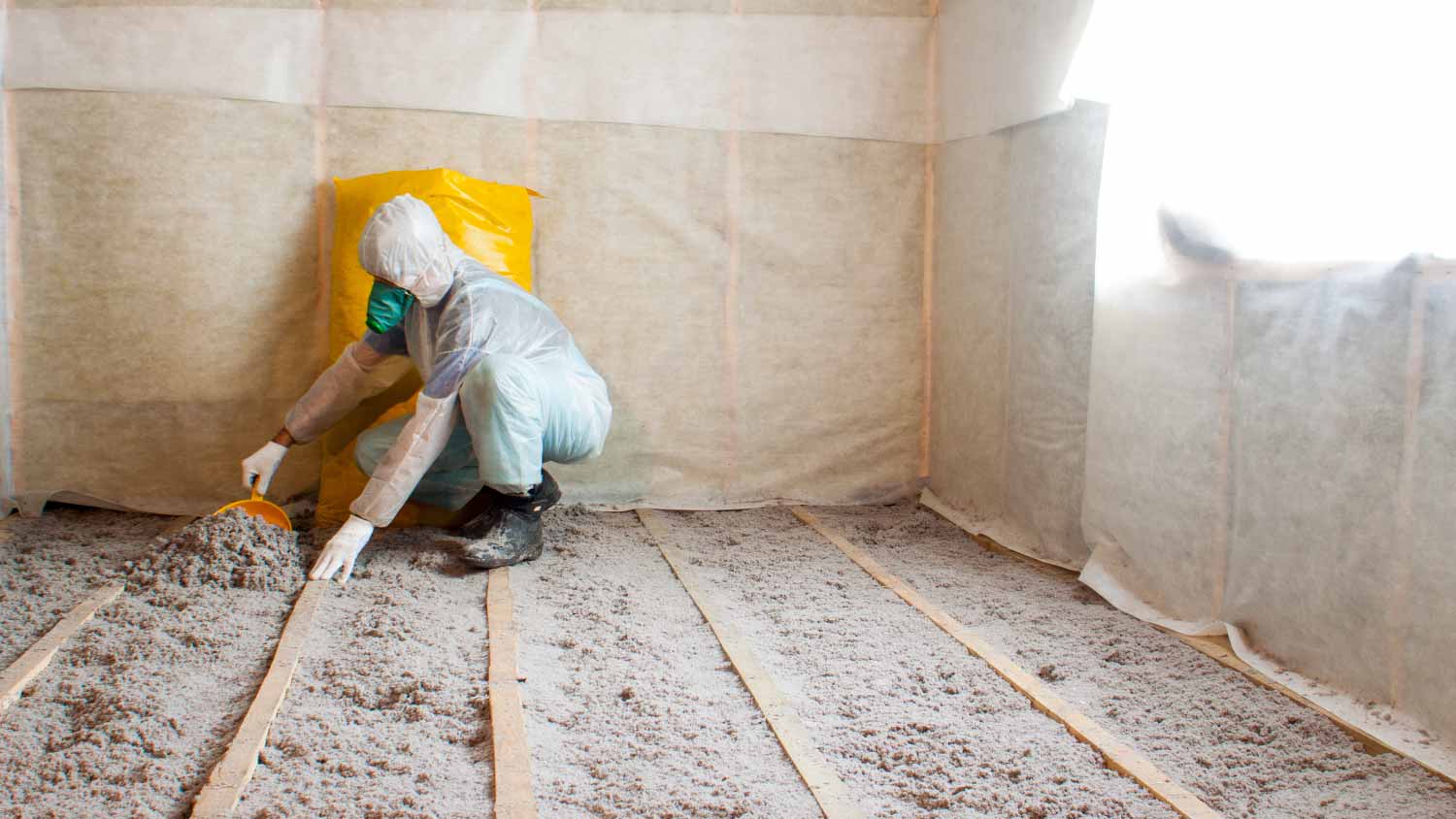
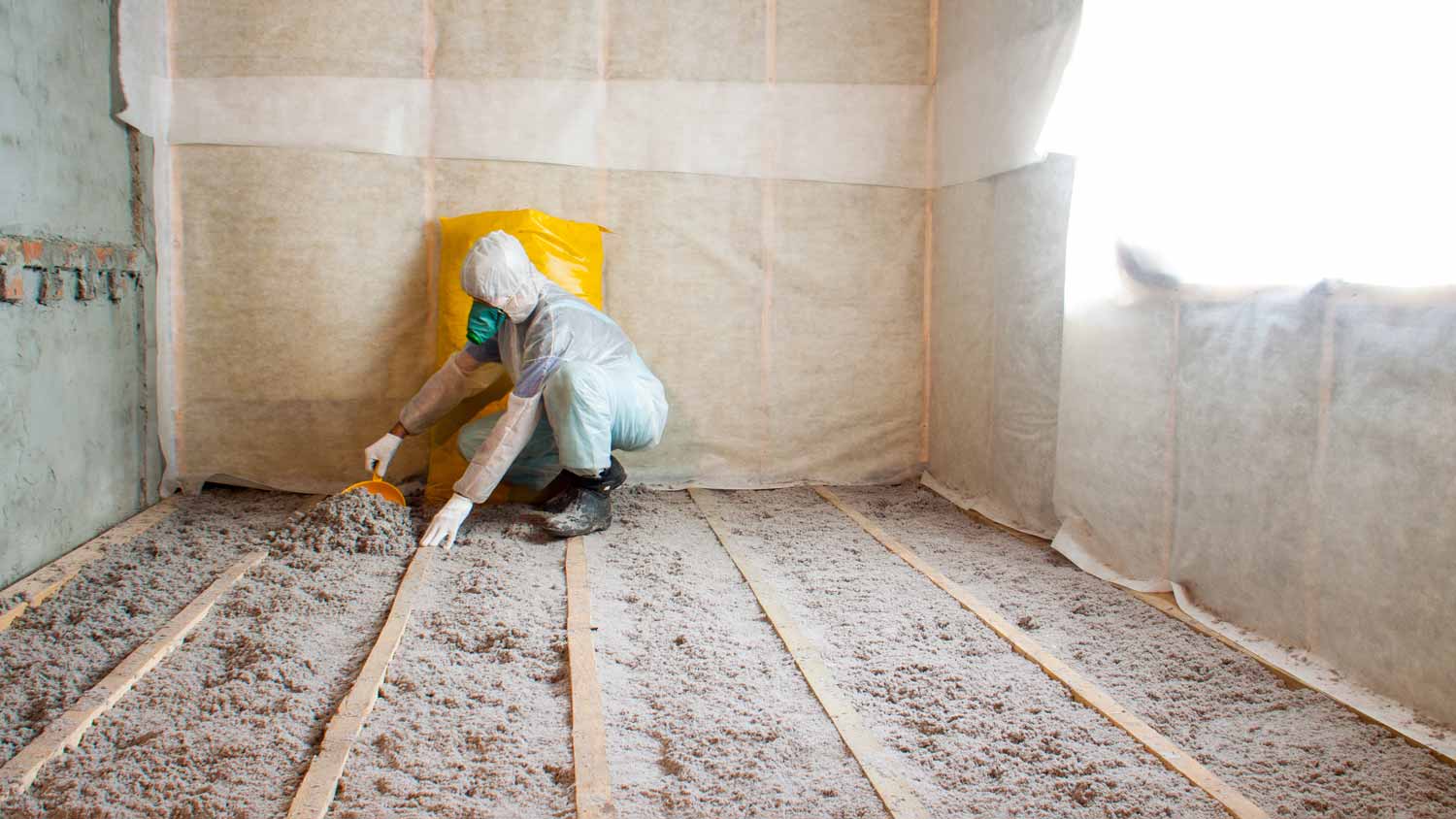
Cellulose, in addition to being more expensive, is also more difficult to install. It must be blown or poured into wall cavities and difficult-to-reach places using special equipment, while fiberglass batts and rolls can be installed without special machinery.

Cellulose insulation is mostly—75 to 85%—ground-up recycled newspaper and cardboard that has been treated with boric acid, borax, or ammonium sulfate. These chemicals act as flame retardants and help to prevent pest problems. Because the materials used to make cellulose insulation are mostly recycled, it is considered an eco-friendly insulation choice.
Cellulose insulation comes in two forms: loose-fill and dense packed. Loose-fill is typically used in attics, while dense-packed is used in ceilings and walls.
| Pros | Cons |
|---|---|
| Eco-friendly; made from recycled materials | Might leave gaps at the top of spaces |
| High R-value | Attracts moisture, which can lead to mold and mildew |
| Settles and conforms around any shape | More expensive than fiberglass |
Best for:
Homeowners who wish for an eco-friendly option
Homeowners concerned about pests
Insulating around difficult to reach or awkwardly-shaped areas
Cellulose insulation is an excellent environmentally-friendly insulation option. Made from recycled organic material, it doesn’t use any greenhouse gasses as propellants, and the additives such as boric acid are excellent at preventing pest infestations. Even though it is more expensive than fiberglass, it is still considered an inexpensive insulation choice.
Because of the way it is installed (by being blown into the wall cavity), it can conform to a variety of spaces and handles nooks and crannies very well. It has a higher insulation R-value than fiberglass, so it suitable for many more locations and climates than fiberglass.
Because cellulose is only available as blown-in insulation, it requires special equipment to install in wall cavities, unfinished attic floors, and other difficult-to-reach places. This installation process can also be messier than that of fiberglass, which comes in neat rolls and panels.
It is also more flammable than fiberglass, even after being treated, and can absorb moisture. After absorbing moisture, it dries very slowly, which can cause it to deteriorate and re-settle. In addition, after installation it settles up to 20%, which can leave gaps in insulation and cause your energy bills to rise unexpectedly.

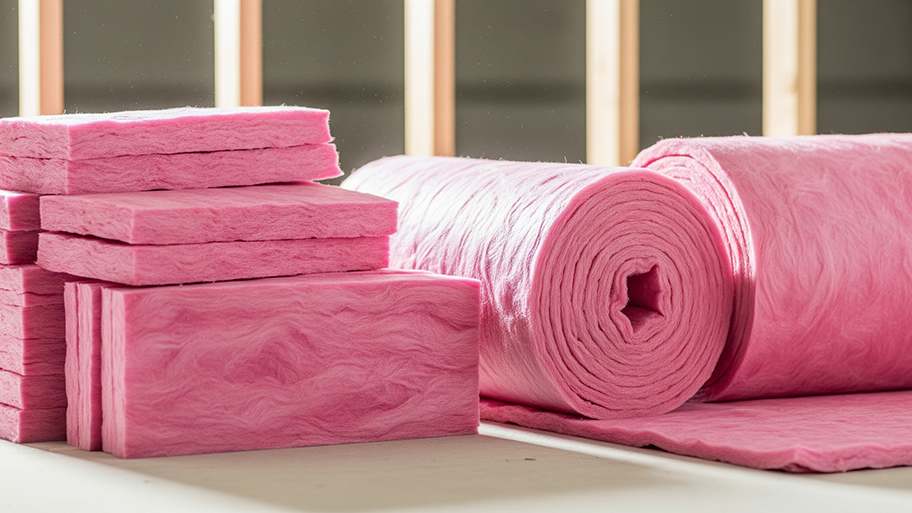
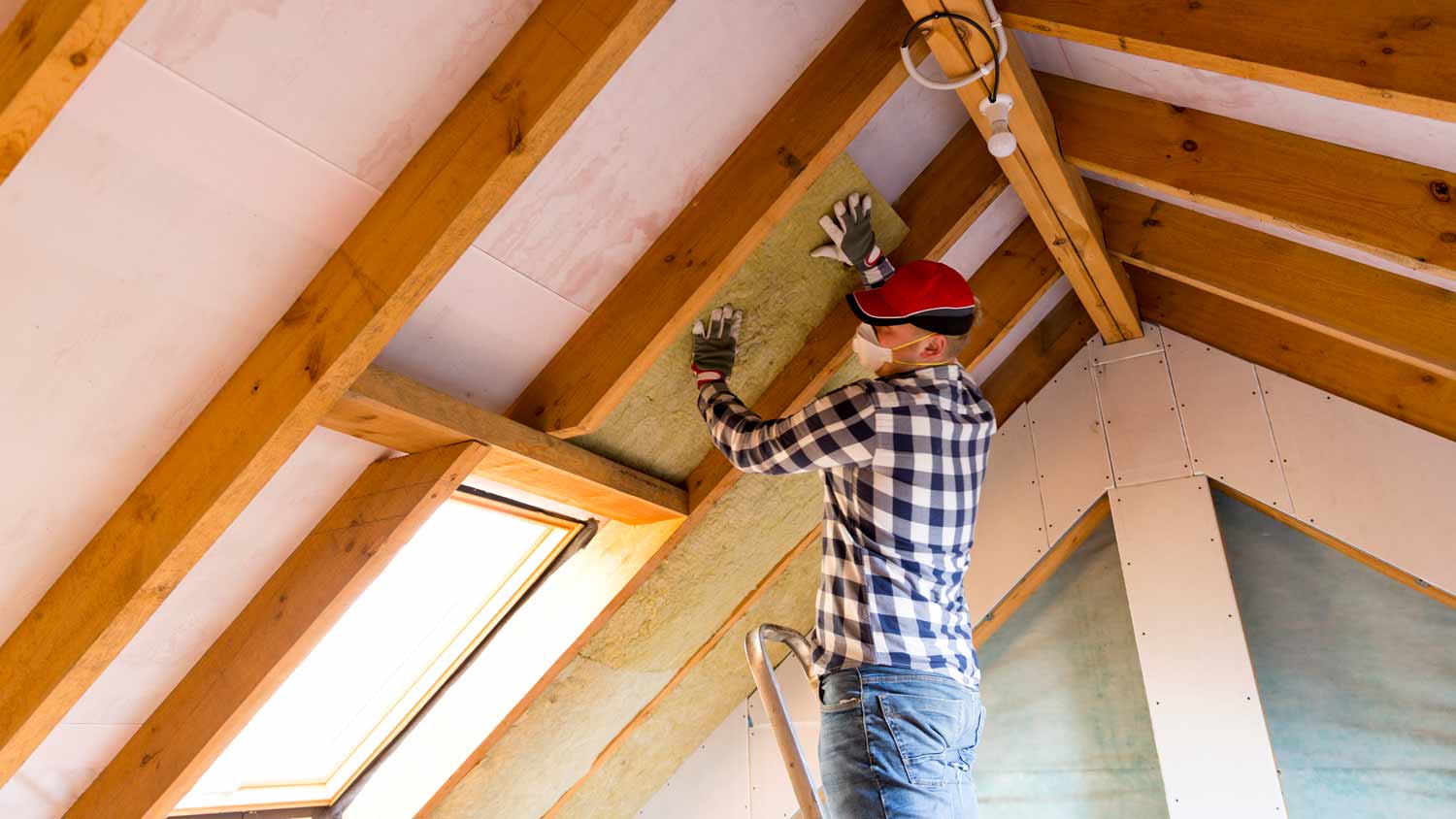
Fiberglass insulation has been around since the 1930s, first created by the Owens Corning Company. As the name suggests, fiberglass is made up of very fine glass fibers. It is sold as either batts and rolls, or loose-fill. The batts are sold in different levels of thickness, which correspond to their R-value.
| Pros | Cons |
|---|---|
| Easy, flexible installation | Pre-cut panels can be tricky to install in nooks and crannies |
| Natural sound-dampening properties | Can be prone to air leaks |
| Less expensive than cellulose | Holds moisture, which can lead to mold |
Best for:
Homeowners on a budget
Those in warmer climates who don’t need a high R-value
Achieving excellent noise-canceling benefits on top of insulation
Fiberglass insulation is sold in pre-cut panels and rolls, making installation a breeze. Loose fill is also available for special use cases. It is excellent at reducing heat transfer, and does a stellar job at sound-dampening as well. Generally speaking, fiberglass insulation is considered one of the best budget options for insulation.
While a skilled DIY-er can usually install fiberglass insulation on their own, the material is considered hazardous if mishandled or inhaled, so it’s best left to a professional. Fiberglass can also absorb a lot of water when exposed to high levels of moisture, which causes it to lose its R-value.

Let’s look a little closer at how cellulose and fiberglass insulation compare to one another so you can make an informed decision about which is right to insulate your home.
Both materials are considered energy-efficient, but cellulose has an R-value of 3.5 to 3.7 per square inch, while fiberglass offers an R-value of 2.2 to 2.7 per square inch. This means that a thin layer of cellulose can insulate better than the same amount of fiberglass insulation.
Because cellulose settles up to 20% after installation, you might find that you need to install additional insulation over time, otherwise you might find your energy bills rising. Fiberglass does a better job of retaining its form, can last over 30 years, and often comes with a lifetime warranty. Both insulation types should be examined after 15 years, to check for moisture, pests, and other degradation.
Fiberglass is widely considered one of the most cost-effective insulation options. The cost of fiberglass batt insulation is usually between $0.30 and $1.50 per square foot, but loose fill fiberglass is typically more expensive, running between $1 and $1.50 per square foot. Compare that to cellulose, with costs between $0.60 and $2.30 per square foot.
While both insulation materials are not difficult to install, insulation installation is best left to a local insulation professional who can accurately assess what form of insulation (blown-in, panels, loose-fill) is needed where. In addition, cellulose, while excellent at insulating hard-to-reach areas, does require special machinery for installation which is best handled by a pro.
Cellulose is the clear winner here, as it is made up of 75-85% organic, recycled material—mostly old newspapers and cardboard. Fiberglas only contains about 20-30% recycled material.
If you’re good people wanting to do business with good people, hire Matt. He is a consummate professional and utterly competent. He installed a water heater in my home at a price that beat competitors by hundreds of dollars with a promise to support the unit for its life (even after its 6 yr...
 Greene's Plumbing Services
I would recommend this company to anyone! He showed up on time, was friendly, completed a very difficult repair on our dryer vent cover, was responsive, and pricing was extremely fair and competitive. I would have him back to do any of our repairs or cleanings without hesitation!
 U.S.A. Dryer Vent, LLC
Best cleaning I've had at my property
I conferred with 2 other contractors before Armstrong Electric. Nick and his crew showed me that the project was not as convoluted as the other contractors made it appear to be. They completed the entire project on time. They were professional, friendly and cleaned up after at completion. I...
 ARMSTRONG ELECTRIC, LLC
Our exterior looks brand new thanks to Custom Paint Jobs LLC. Theyre the best in town!
 Custom Paint Jobs, LLC
Excellent experience with hiring Tether House to Mount our 77’ Samsung TV in our bedroom. Fast, friendly, and knowledgeable. Highly recommend.
 Tether House
The techs on my project, Shawn and Cliff, were great. They were prompt, courteous, and efficient. I am very happy with the results and would definitely contact Mr. Electric for any future electrical projects.
 Mr. Electric of Columbus
We had our houses windows and back door replace this summer by Window Depot USA of Central. He gave us grate advise and saved my family lots money. The team did a fantastic job with installation. If you need help, they sure get job done right!
 Window Depot USA of Central Ohio
Beginning with the estimate, Larry and Peyton were super helpful in getting my new condo's interior re-painted. Not only was the job well done, but also done in a super timely manner as promised.
 Five Star Painting of Plain City and Powell
Great job...edging and pre clean up went well with a great job with seal coat. Friendly, efficient and professional.
 All Star Paving and Sealing
From average costs to expert advice, get all the answers you need to get your job done.
New insulation can make your home more comfortable and boost energy efficiency. Use this insulation cost guide to get an accurate estimate for the installation.
Crawl space insulation costs vary by size, insulation type, and material. Read this guide to learn how much your crawl space insulation could cost.
Learn about non fiberglass insulation alternatives, including cellulose, soy, wool, blown-in, spray foam, cotton insulations, radiant barriers, and new materials.
Learn the pros and cons of cellulose insulation to help you make an informed decision about whether it's the right choice for your home.
What's keeping your home warm? Learn the differences between cellulose vs. vermiculite insulation and why it matters.
What's lurking behind your home's walls? Learn how to tell the difference between asbestos and cellulose insulation in this guide.