

The average cost to pave a driveway is $4,897, but prices vary by size and material. This guide breaks down common cost factors and helps you budget.
Don’t let Jack Frost nip at your driveway this winter

Choosing the best driveway material for your climate depends on freeze-thaw resistance, maintenance needs, budget, and the look you want for your home.
Expect to pay $4,200 to $9,000 for asphalt installation, $800 to $3,000 for concrete, or $300 to $4,300 for gravel covering options.
Your driveway materials should handle winter conditions without cracking, especially if you experience regular freeze-thaw cycles that expand and contract moisture in the surface.
Hiring a local driveway paving professional helps you match the right material to your climate and budget while ensuring proper installation for long-term durability.
If you live in the north, then you probably know a thing or two about removing snow from your driveway. But did you know that the type of driveway material you have can make or break how easy it is to maintain your driveway and how often you need to replace it? Not all driveway materials are made equal, and some take the cake when it comes to being more winter-friendly than others.
We’ve got your driveway covered with six of the best driveway materials for cold weather, plus the associated cost to pave a driveway, so stay tuned to find out.
| Type of Material | Lifespan (In Years) |
|---|---|
| Asphalt | 15–30 years |
| Concrete | 20–50 years |
| Gravel | 50–100 years |
| Pavers | 25–50 years |
| Recycled rubber | 15–25 years |
| Heated driveway | 15–20 years |
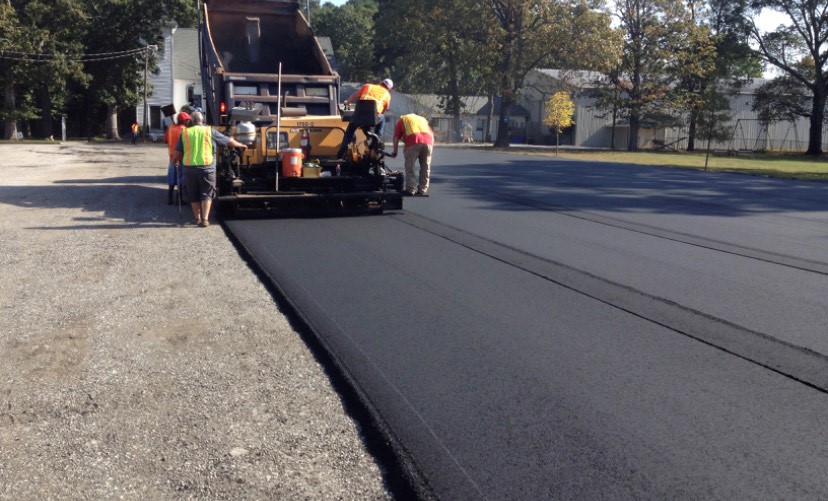
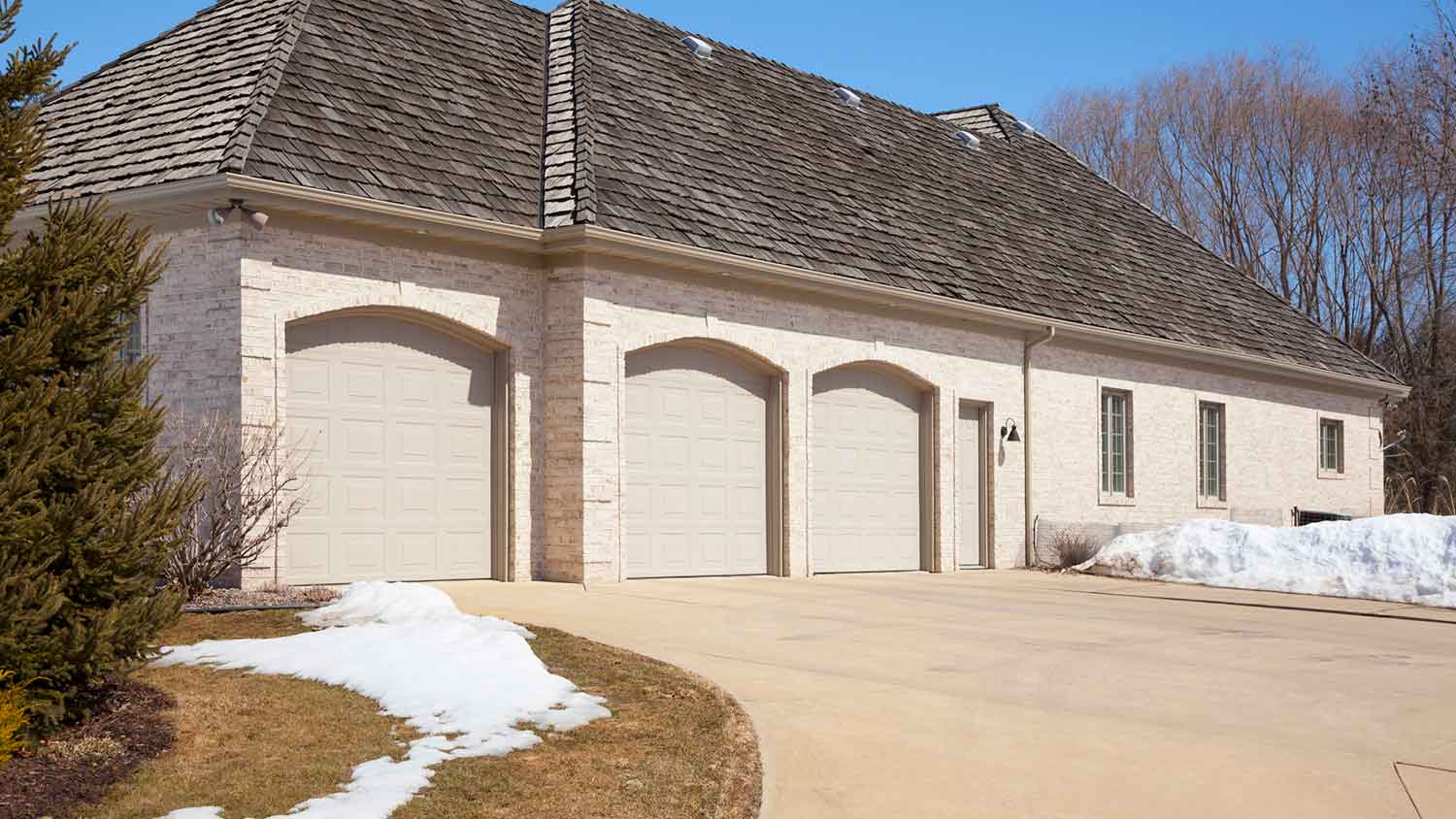
Asphalt driveways are one of the best driveway materials for cold weather. Asphalt can handle water expanding and contracting during the freeze-thaw cycle in subfreezing temperatures better than other materials like concrete. It also has a slightly below-average price tag. The cost of installing an asphalt driveway ranges between $4,200 and $9,000 total, or $7 to $13 per square foot.
While you’ll need to regularly seal your asphalt driveway, this material requires minimal maintenance and hides unsightly oil stains thanks to its dark color. Another perk is that repairing asphalt is fairly simple—you can easily DIY repairs and blend new asphalt with the old to hide any blemishes.
Keep in mind that if you live in a region with extreme lows and extreme highs, your asphalt driveway can get hot in the summer months and even stick to your tires. Asphalt also might not be the most attractive driveway material for rustic styles, as it’s limited to a dark gray-black color. Asphalt driveways last for only 15 to 30 years, too, which is less than concrete, gravel, and pavers.
| Pros | Cons |
|---|---|
| Affordable | Hot in the summer |
| Freeze-thaw cycle friendly | Requires regular sealing |
| Ideal for slopes | Limited color options |
Best For: Those who live in sub-zero climates and want an affordable driveway option

Concrete is a popular choice for driveways, but there might be better choices if you live in colder climates. Concrete driveways do exceptionally well in warmer climates where they help to ward off heat thanks to their lighter colors. However, annual freeze-thaw cycles are one of the most common reasons why concrete cracks.
Thankfully, there are ways to prevent concrete from cracking in the colder months using a high-quality concrete sealant, a strong foundation, or even laying portable heat mats or installing a driveway heating system to keep your concrete driveway from freezing.
Just be sure to avoid using salt. Concrete’s porosity allows for salt to penetrate the surface and lower the freezing point of the water inside the concrete. This, in turn, repeats the freeze-thaw cycle and weakens your concrete driveway.
Homeowners might opt for concrete with freeze-thaw cycle workarounds for several reasons. For one, concrete driveways cost between $800 and $3,000, or around $4 to $15 per square foot, making them a relatively affordable investment. Concrete also lasts longer than nearly every other driveway material, making it an even better bang for your buck.
Lastly, concrete is very versatile. You can choose from many different colors or even use stamped concrete for an artistic flare. A local stamped concrete pro can help you customize your driveway.
| Pros | Cons |
|---|---|
| Economical | Not salt friendly |
| Low maintenance | Needs sealing to prevent cracks during the freeze-thaw cycle |
| Durable | Prone to cracks |
Best For: Properties with a solid and level foundation, preferably with a heated driveway system or portable driveway heating mats to avoid the use of salt.
Gravel driveways have the upper hand when looking at pricing. A gravel driveway costs anywhere between $300 and $4,300, or $1,500 on average, putting your costs around $1.25 to $1.80 per square foot. This is the cheapest driveway material—especially if you spread the gravel yourself. Speaking of, gravel driveways are one of the easiest DIY projects if you’re set on laying your own driveway.
On top of this, gravel driveways have one of the longest life spans and can last up to 100 years. The catch? You have to maintain it. Gravel driveways require replenishing and raking to prevent potholes and erosion issues, although the driveway repair is pretty simple and straightforward. Failure to properly maintain or install your gravel driveway can also worsen existing erosion problems and cause water runoff to come spiraling toward your foundation or landscape.
Other downsides to gravel include the texture and appearance. Gravel is loose, hard, and has poor traction, so your car’s tires may take a bit of a beating. It’s also painful to walk on barefoot. Melting ice from gravel driveways can prove to be challenging. You may need to resort to rock salt or deicer chemicals to get the job done.
Check out these gravel driveway pros and cons below.
| Pros | Cons |
|---|---|
| Most affordable | Susceptible to shifting and eroding |
| Durable | Hard to remove ice |
| Promotes proper drainage | Poor traction |
Best For: Homeowners on a budget who want the most traction on their driveways during icy conditions

If you’re looking for the most creative driveway material, it doesn’t get much better than permeable pavers. Driveway pavers come in all sorts of shapes, sizes, and materials, meaning some will last longer than others, depending on the type of pavers you choose. You can also customize the pattern for your pavers, creating intricate—albeit more costly—designs.
When knowing who to hire to install a paver driveway, it’s best to work with a driveway paving specialist in your area to achieve show-stopping results.
Pavers naturally have more traction than poured concrete, making them a good fit for homes on a slope. On top of that, pavers are installed individually, making them easier to remove and replace if damaged. Also, because they’re permeable, pavers help to encourage water filtration.
However, paver driveways cost more than many other driveway materials. You’ll pay between $10 and $50 per square foot to install pavers. Natural stone pavers, like cobblestone or marble, cost more than concrete or brick pavers.
Another downside is that pavers require more maintenance than your average driveway. For one, it’s harder to use a shovel to scoop snow off your driveway because of the individual pavers. In addition, pavers are more prone to weeds, meaning you might need to spend more time on upkeep.
Here’s a breakdown of the pros and cons of paver driveways in cold weather:
| Pros | Cons |
|---|---|
| Very customizable | High cost |
| Long life span | Harder to remove snow and ice |
| Easy to repair | Prone to weeds |
Best For: Homeowners looking for the ultimate customization and aesthetics for their driveways
Eco-conscious homeowners, look no further. Recycled rubber is an environmentally friendly driveway material that promotes high traction and can withstand the freeze-thaw cycles of extremely cold climates. This material has a high traction and a lower price of $6 to $8 per square foot.
Disadvantages of choosing recycled rubber include a shorter life span of only 15 to 20 years, a susceptibility to high temperatures (similar to asphalt), and a longer clean time. Recycled rubber may not be as readily available as your more common driveway materials, and it can’t handle heavy-duty vehicles and heavy traffic. For this reason, we recommend choosing this option if you have a smaller car to get the most out of your driveway.
The following looks at the benefits and downsides of choosing recycled rubber for your driveway.
| Pros | Cons |
|---|---|
| Promotes sustainability | Shorter life span |
| Withstands freeze-thaw cycles | Hard to clean |
| Low maintenance | Unsuitable for high traffic |
Best For: Eco-friendly homeowners looking for a sustainable driveway material

Though technically not a material, heated driveways are an alternative option for driveways in cold climates. You can heat either asphalt or concrete using a heated driveway system. Heated driveways are one of the best ways to manage snow and ice in areas that receive high amounts of freezing weather.
The biggest drawback of heated driveways is the price tag. Heated driveways cost between $3,000 and $25,000, or around $13,000 on average. You also have to factor in the cost of operating the system, which depends on local market value prices of electricity.
Despite these high costs, many homeowners enjoy low-maintenance snow and ice removal. Snow removal costs between $40 and $450 per service, so you can end up saving in the long run by removing the need to hire a local snow removal company or DIY the snow removal.
With that said, here are some pros and cons of heated driveways to consider:
| Pros | Cons |
|---|---|
| Efficient way to remove snow and ice | Higher cost |
| Helps prolong driveway life span | Shorter life span |
| Low maintenance | Increases electric bill |
Best For: Those with a flexible budget who want to avoid manually removing snow
Since labor costs for a driveway installation can cost 50% of the total project, you might be looking for ways to save. However, not all driveway materials are made equal when looking at DIYability. For example, paving a driveway with asphalt requires heavy-duty equipment and the know-how to get the job done correctly. Meanwhile, avid DIYers can often get by with learning how to make a gravel driveway, which doesn’t require the same level of experience.
We recommend working with a top driveway paving contractor near you, regardless of the driveway material you choose. Your pro will have the skills required for paving a strong driveway that will withstand the tests of time and save you money overall.
Archie did a good job cleaning up the driveway before he laid down the sealer. It looks good. He was gracious and even helped me bring up my groceries. His rate was comparable to another company who came out to give me a quote and he talked to me personally rather than just text me a quote...
 Pro Seal Roofing & Paving
D1 Roofing delivers outstanding service from beginning to end, backed by a strong warranty and expert teams. I highly recommend them for their excellence in meeting and surpassing expectations with unmatched communication. Choosing D1 Roofing was flawless decision
 Division 1 Roofing LLC
This company went above and beyond with their work, chimney sweeps are usually pretty messy, but the clean up was spot on.!! Josh explained every thing that he was doing, and the things that he was checking to make sure the chimney was safe for me and my family. He was very professional,...
 Supreme brick & chimney
Our homes curb appeal skyrocketed thanks to Custom Paint Jobs LLC s exterior painting.
 Custom Paint Jobs, LLC
Very well! Two men came to do the work. They were both polite, punctual and professional in manner. When they finished, Cameron explained about preserving an asphalt driveway, as I had never had one in the past. I will definitely be calling them in the future.
 All Star Paving and Sealing
Fantastic! Top Line was early for the appointment and very knowledgeable and took time to explain everything they had found during the home inspection. The report included clearly defined issues and what they recommended to remedy the same. The report also included many pictures to help...
 Top Line Home Inspections, LLC
Working with Peter and his crew was a breeze. They were exceptionally polite and did a neat job to repair and seal our driveway. I will definitely talk to them first for additional work.
 Central Paving
The preformed a really good job the staff is incredible never been so happy with my home, A brand new driveway is like a face lift!!
 Pristine Paving
Called Mark on a Thursday morning. Not really knowing if he could help me or not. I was having driveway, flooding issues due to a clogged channel drain and I was trying to figure out what direction to take. Heavy rains had come on Monday and again on Thursday leading to flooding in my garage...
 Mark Rodgers Construction
Had already met with 2 other contractors before Blue Ring, and Blue Ring's price quote for the work was better than either of the other 2, and the came out the next morning and cleaned up a very large fallen tree branch from a storm that was blocking my driveway. Work was completed in...
 Blue Ring Residential Services, LLC
From average costs to expert advice, get all the answers you need to get your job done.
The average cost to pave a driveway is $4,897, but prices vary by size and material. This guide breaks down common cost factors and helps you budget.
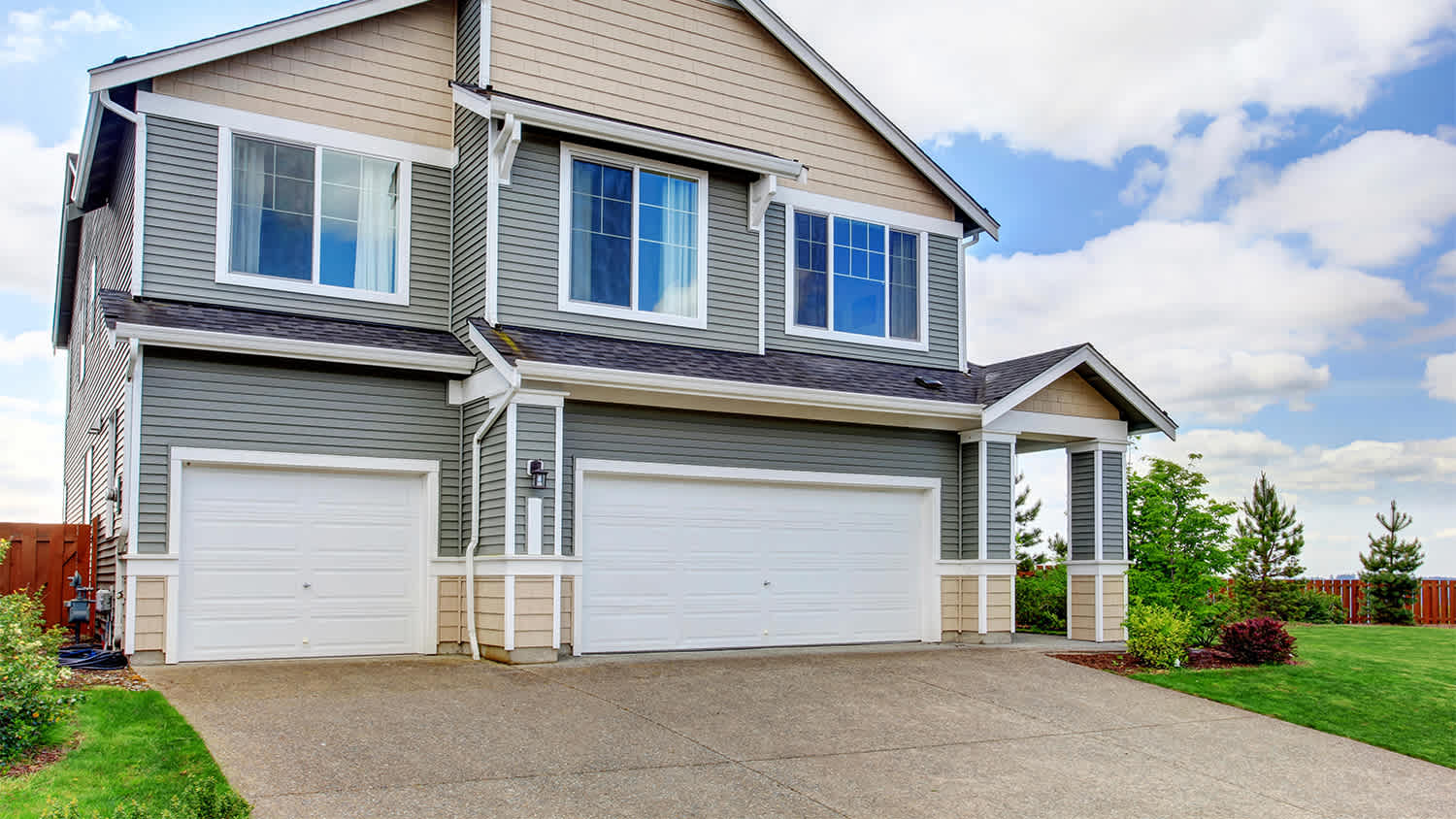
Learn about the best driveway materials, such as concrete, pavers, and turf, the prices for each, and the factors you should consider before committing to one.
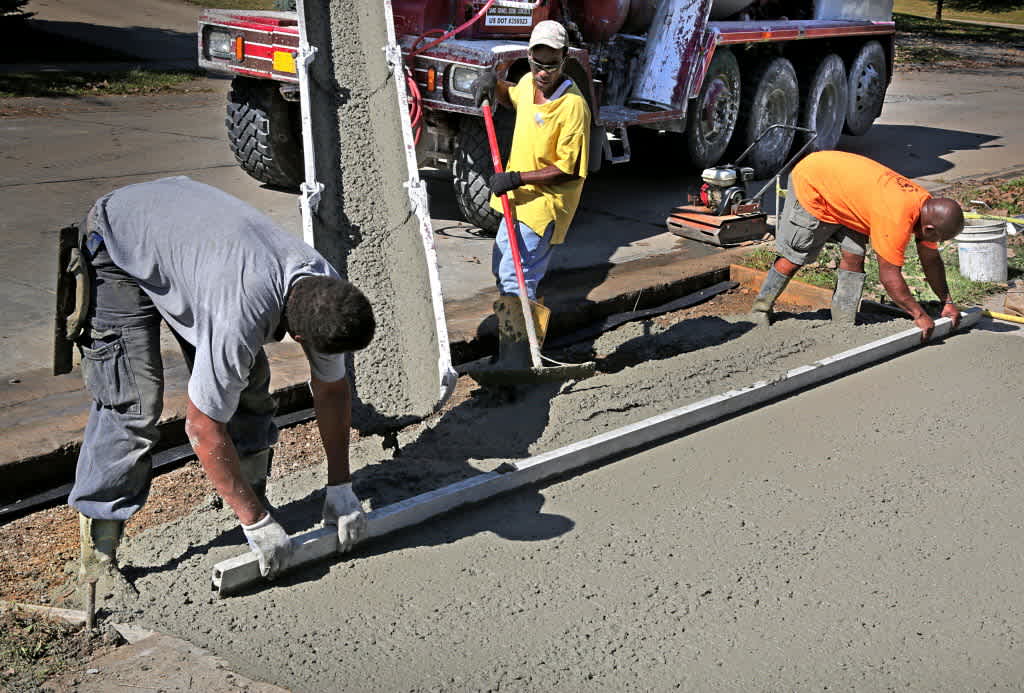
Concrete may be strong, but it's surprisingly sensitive to extreme temperatures. Here's what to know about pouring concrete in cold weather.
Learn how to choose the best driveway sealer based on driveway type, longevity, and cost.
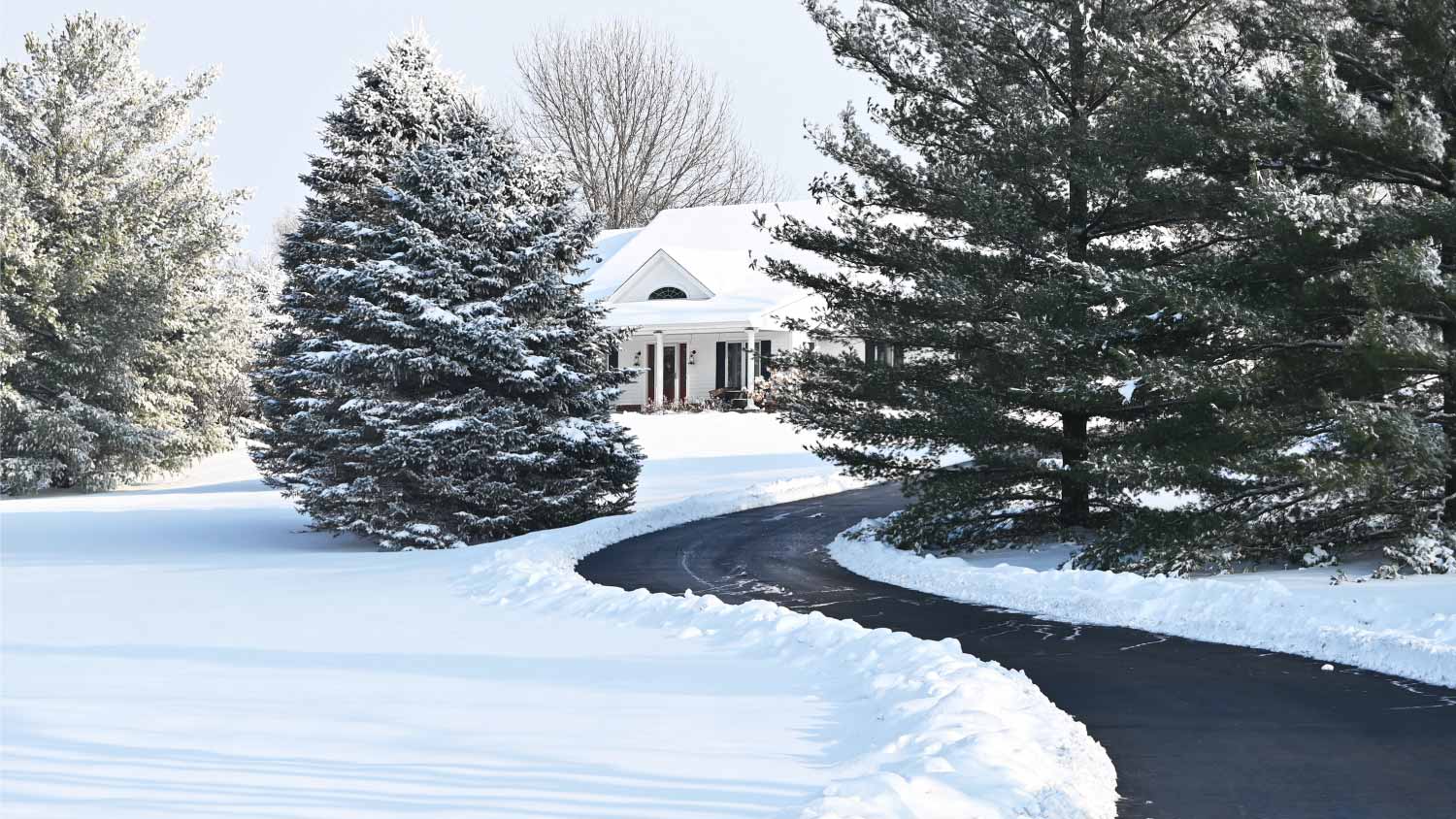
You can save money on a pro by winterizing your driveway yourself. Learn exactly how to tackle this project using just a few tools, supplies, and a free afternoon.
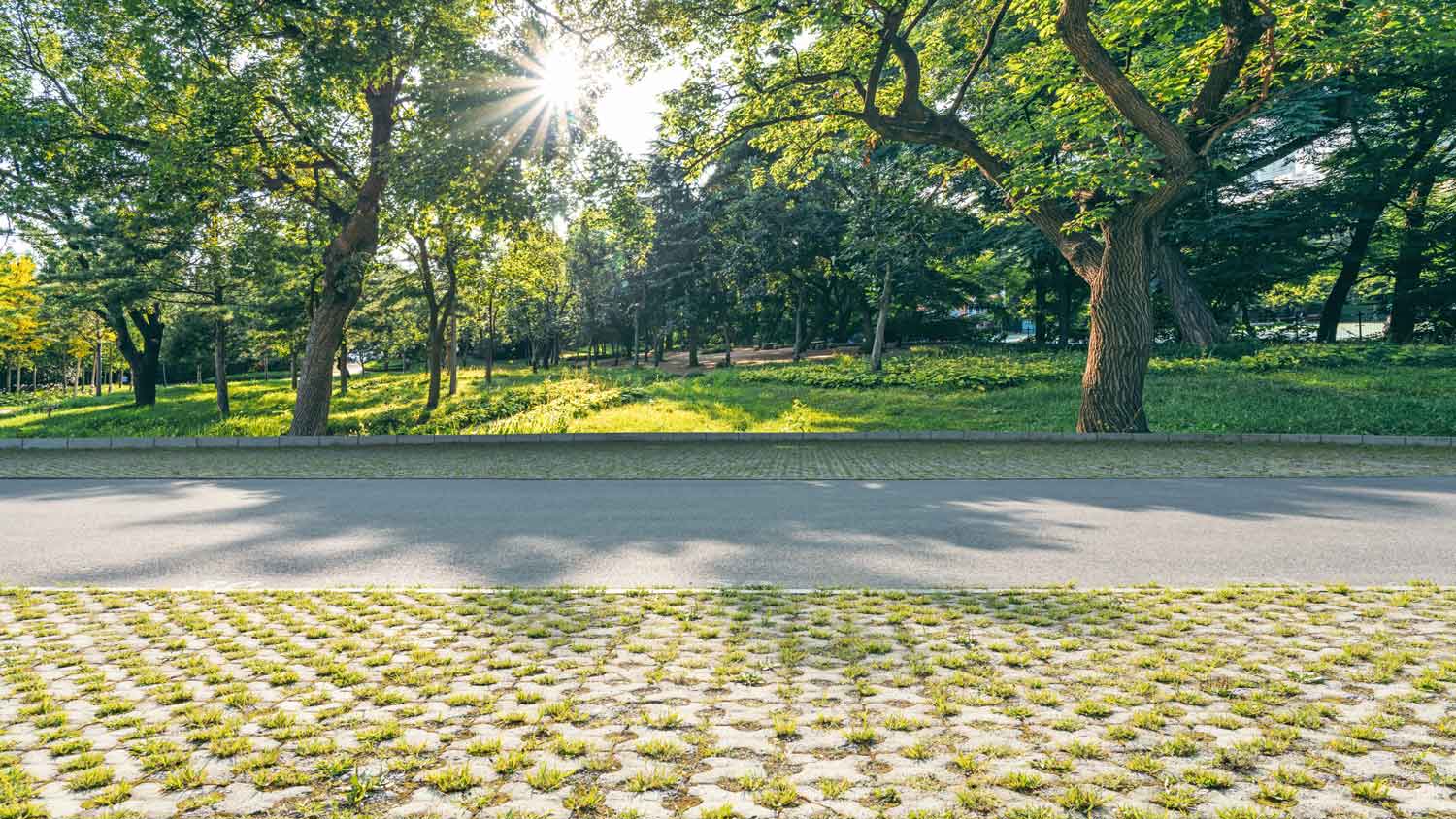
Permeable driveway is a popular upgrade for many living in high precipitation regions. What are your best permeable driveway material options?