•
Discover stamped concrete wall cost estimates, including average prices, key cost factors, and tips to help you budget your project with confidence.
Decorative concrete service costs depend on your project and location. Check with a local pro for your specific job.


Professional stamped concrete installation costs between $2,961 and $7,821, with most homeowners spending around $5,319 for your patio or driveway project.
Your chosen pattern complexity and the square footage of your space determine the final labor and material expenses for stamped concrete.
Remember to budget for permits ranging from $50 to $300 and resealing every two to three years at $200 to $600 per treatment.
Hiring a local concrete stamping professional ensures your outdoor space is durable and delivers lasting curb appeal for your home.
This article was created using automation technology and thoroughly fact-checked and edited by an Angi Editor in accordance with our AI policy.
In 2026, the national average cost for stamped concrete is $5,319, based on data from 1,712 verified projects by Angi Pros. Most homeowners pay between $2,961 and $7,821, or roughly $9 to $22 per square foot, depending on design complexity, materials, and labor. Smaller projects can start at $1,200, while larger custom designs can exceed $14,000.
Several factors influence stamped concrete costs beyond just size and style, including design complexity, regional labor rates, project square footage, and permit requirements. Getting a detailed quote from a local contractor is the best way to understand how these factors apply to your specific project.
Project size is the single biggest factor influencing stamped concrete cost, since total square footage directly drives both material and labor expenses. Small patios are more affordable, while medium walkways and large driveways require more materials and time. That said, contractors often set minimum project fees, so very small projects can end up with a higher per-square-foot cost.
The table below breaks down the average stamped concrete cost based on project type and size in square feet:
| Project Type | Size (Sq. Ft.) | Description | Cost Range in 2026 |
|---|---|---|---|
| Patio | 100 | Small entertainment space | $900–$2,200 |
| Walkway | 300 | Typical garden or entry path | $2,700–$5,300 |
| Driveway | 500 | Medium-sized vehicle drive | $4,500–$11,000 |
| Large patio/driveway | 1,000 | Expansive outdoor living or parking | $9,000–$22,000 |

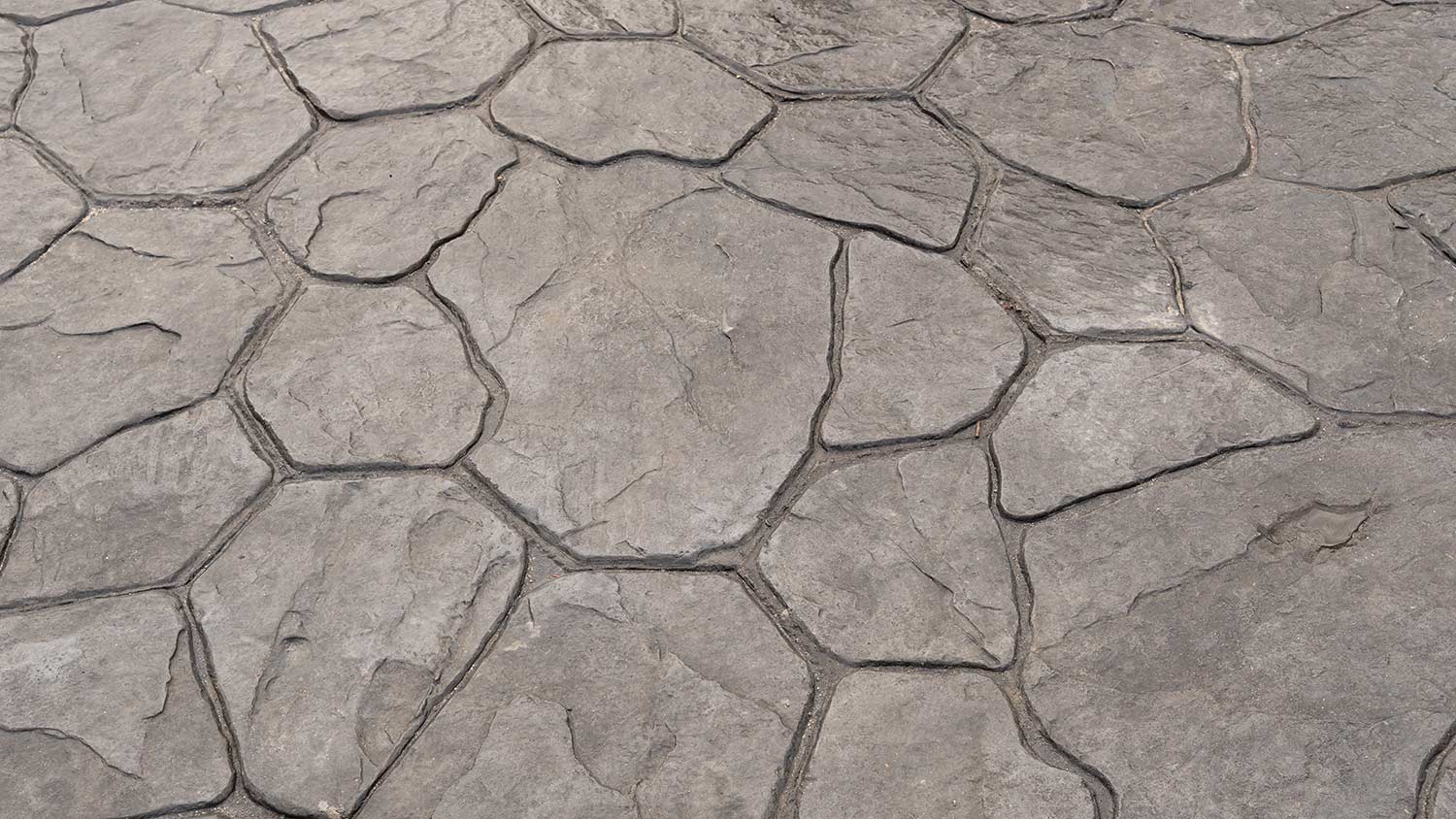
Stamped concrete comes in a range of styles, each affecting cost. Simple patterns like brick or slate are less expensive, while detailed finishes such as cobblestone, wood plank, or custom logos increase costs. The table below breaks down the average cost of different stamped concrete styles, along with their pros and cons:
| Style/Pattern | Description | Average Cost (Per Sq. Ft.) | Pros | Cons |
|---|---|---|---|---|
| Brick | Simple brick stamp, 1 color | $9 | Classic look, easy upkeep | Fewer customization options |
| Slate | Textured stone appearance | $11 | Natural look, good value | Slightly higher maintenance |
| Cobblestone | Detailed, multi-color | $14 | Distinctive, high curb appeal | Higher cost, more upkeep |
| Wood plank | Realistic wood effect | $16 | Warm, unique finish | Needs careful sealing |
| Custom logo/inlay | Unique, personalized design | $18–$22 | One-of-a-kind appearance | Expensive, complex repairs |
Each stamped concrete style has advantages and drawbacks. Basic finishes are easier to maintain and less expensive, but may be less visually striking. Intricate designs offer greater curb appeal and can increase resale value, but may require more frequent maintenance to preserve their appearance.
Stamped concrete costs vary by region, with local labor rates, material prices, and climate conditions all influencing your final price. Projects in the Northeast or on the West Coast often cost more due to higher labor and material expenses, while the Midwest and South tend to be lower.
Where you install the concrete on your property also matters—driveways often cost more than patios or walkways because of additional prep work, thicker slabs, or access challenges. Tight spaces or sloped yards can further increase labor time and overall complexity.
Skilled concrete contractors or masons install stamped concrete, with labor rates ranging from $5 to $15 per square foot, depending on complexity and region. Some pros charge minimum fees for small jobs, so modest projects may cost more per square foot than larger ones. Bigger, more experienced crews can complete work quickly but may charge a premium for their expertise.
Permits for stamped concrete projects often cost $50 to $300, depending on your local regulations and the type of installation. Driveways, sidewalks, and large patios are the most common projects that require a permit before work can begin. Inspection and re-inspection fees can add to your total, so check with your municipality early in the planning process.
Upgrades like decorative borders, custom colors, or embedded designs increase costs. Adding stairs, multi-level surfaces, integrated lighting, or heating elements also raises the price.
Keeping stamped concrete in good shape means resealing it every two to three years at a cost of $200 to $600 per treatment. Cleaning with gentle products between sealings helps preserve the finish and extend its life. Repairs for cracks, chips, or color loss can run $300 to $1,000 depending on severity, so addressing minor damage early helps you avoid larger expenses down the road.
DIY stamped concrete installation carries material costs of $4 to $8 per square foot for concrete, colorants, and sealers, making it less expensive upfront than hiring a pro. Tool rental or purchase, including stamps and mixers, adds another $500 to $2,000 to your budget.
While skipping labor charges is appealing, mistakes like uneven surfaces or poor stamping can be costly to fix. DIY requires skill in mixing, pouring, stamping, coloring, and sealing concrete. Safety equipment is a must, and handling heavy materials can be physically demanding. A small patio might take a dedicated DIYer two to three days. Larger or more complex projects can require a week or more. Weather delays and improper curing risk durability.
Hiring a local concrete pro ensures quality, longevity, and access to workmanship warranties that DIY projects rarely qualify for.
Stamped concrete repairs are the more affordable path, costing $300 to $1,500 for patching, resealing, or color restoration, while full replacement—including demolition and new installation — ranges from $4,500 to $15,000 depending on size and complexity. Minor cracks, spalling, or faded color can often be patched or resealed successfully. If the concrete is more than 15 years old, has deep cracks, or shows structural damage, replacement is the better investment—especially when repair costs exceed half the price of a new installation. Well-executed repairs maintain appearance and value, but extensive fixes may not fully restore the original look or structural strength.
Stamped concrete projects can deliver a solid ROI, especially for patios, driveways, and walkways. Homeowners often recoup 30% to 60% of their investment, depending on location and market trends. Compared to pavers or natural stone, stamped concrete offers a cost-effective way to boost curb appeal.
Upgrading outdoor spaces with stamped concrete increases home value by making areas more attractive and functional. Potential buyers are drawn to stylish, low-maintenance surfaces that enhance the property's look.
When compared to other exterior improvements, stamped concrete stands out for its durability and visual impact. Consider factors like slip resistance, maintenance needs, and accessibility when planning your project. Custom patterns and color choices let you tailor the look to your home's style and your family's needs.
There are several ways to keep your stamped concrete project wallet-friendly without sacrificing quality or design. Taking these steps can help you save money and get the outcome you want:
Opt for standard stamps and single-color finishes to save on labor and materials.
Focus on high-impact areas instead of covering large spaces.
Remove old surfaces or clear the area to cut down on contractor labor.
Solicit bids from several pros to ensure competitive pricing.
Book installation in late fall or early spring for potential savings.
Home is the most important place on earth, which is why Angi has helped more than 150 million homeowners transform their houses into homes they adore. To help homeowners with their next project, Angi provides readers with the most accurate cost data and upholds strict editorial standards. We extensively research project costs to develop the pricing data you see, so you can make the best decisions for you and your home. We rely on reputable sources, including the U.S. Bureau of Labor Statistics, academic journals, market studies, and interviews with industry experts—all to ensure our prices reflect real-world projects.
Want to help us improve our cost data? Send us a recent project quote to [email protected]. Quotes and personal information will not be shared publicly.
Our exterior looks brand new thanks to Custom Paint Jobs LLC. Theyre the best in town!
 Custom Paint Jobs, LLC
Window Depot did an amazing job on my deck. I wasnt sure what I wanted to do, but their composite decking was affordable and will last a long time. I am excited to have family over, and I am no longer embarrassed by my backyard. Jeff and the ground crew were polite, respectful, and caring for...
 Window Depot USA of Central Ohio
We recently had our office sidewalk repaired and CT Concrete did an "Outstanding" job. They were quick, friendly and the job is "flawless". I would highly recommend CT Concrete for any of your concrete/sidewalk needs.
Awesome company. Had a jacuzzi tub taken out and replaced with huge walk in shower with partial glass enclosure. Onyx to the ceiling with a decorative border, moved plumbing and installed hand held shower, new ceiling, flooring, and paint. Replaced window with glass block. Everything was done...
 Columbus Bath Design
It went really well! The concrete looks, they even did some patch work on my buildings parking lot. That was such a plus! <br />
 AmeriCoat Asphalt & Concrete
We had a great experience with Mark Rodgers Construction. We were in the process of seeking out estimates for possible foundation work for our front porch. Mark came out himself to provide the estimate. Turned out that the company deals mainly with concrete, so we wouldn't be getting an...
 Mark Rodgers Construction
We first had Mark fix the back patio and liked his work so much we had him make a brick patio on the side of the house. When we decided to change our concrete walkway to brick, we wanted Mark to do the job because his prices were fair and he did such good work on t he other two projects.
 Mark Monnette Masonry
Mr. Lewis was extraordinarily responsive. At the time we realized that the concrete could not be repaired, we had intended to put our house on the market. We were anxious to get the work complete so that we wouldn't delay marketing the house. Mr. Lewis promptly returned our calls, provided...
The customer service at the Easton location was great at first. I gave the salesman my budget of under $1,500. My first tip off should have been the salesman did not take notes on what I wanted. I asked for my family names to be engraved in script on the inside of the band. We went to the...
GOT THE JOB DONE OK. WHEN THE TRUCK CAME TO DELIVER THE SHINGLES THE DAMAGED THE FRONT CONCRETE STEP. I TOLD THE COMPANY AND DID NOT SEEM CONCERNED. NOT A SERIOUS ISSUE THOUGH.
 Muth & Company Roofing
From average costs to expert advice, get all the answers you need to get your job done.
Discover stamped concrete wall cost estimates, including average prices, key cost factors, and tips to help you budget your project with confidence.
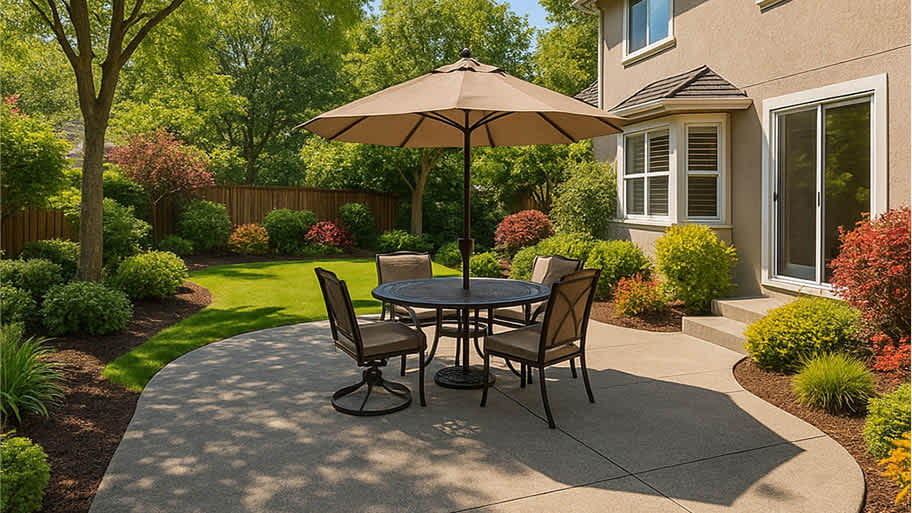
A concrete patio adds valuable outdoor living space to your home. Learn how much a concrete patio costs and which factors affect the project price.
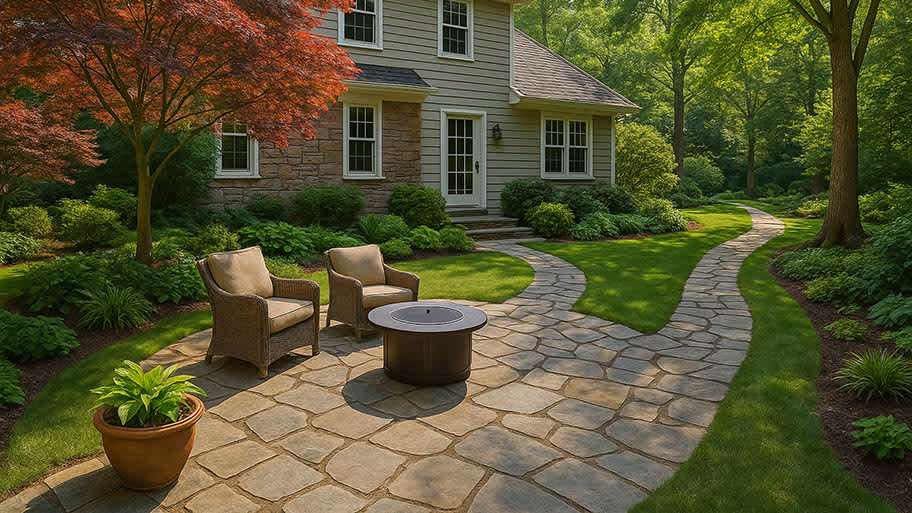
Flagstone patio costs vary by the size, material type, labor, and more. Stay tuned to see how much your flagstone patio could cost.
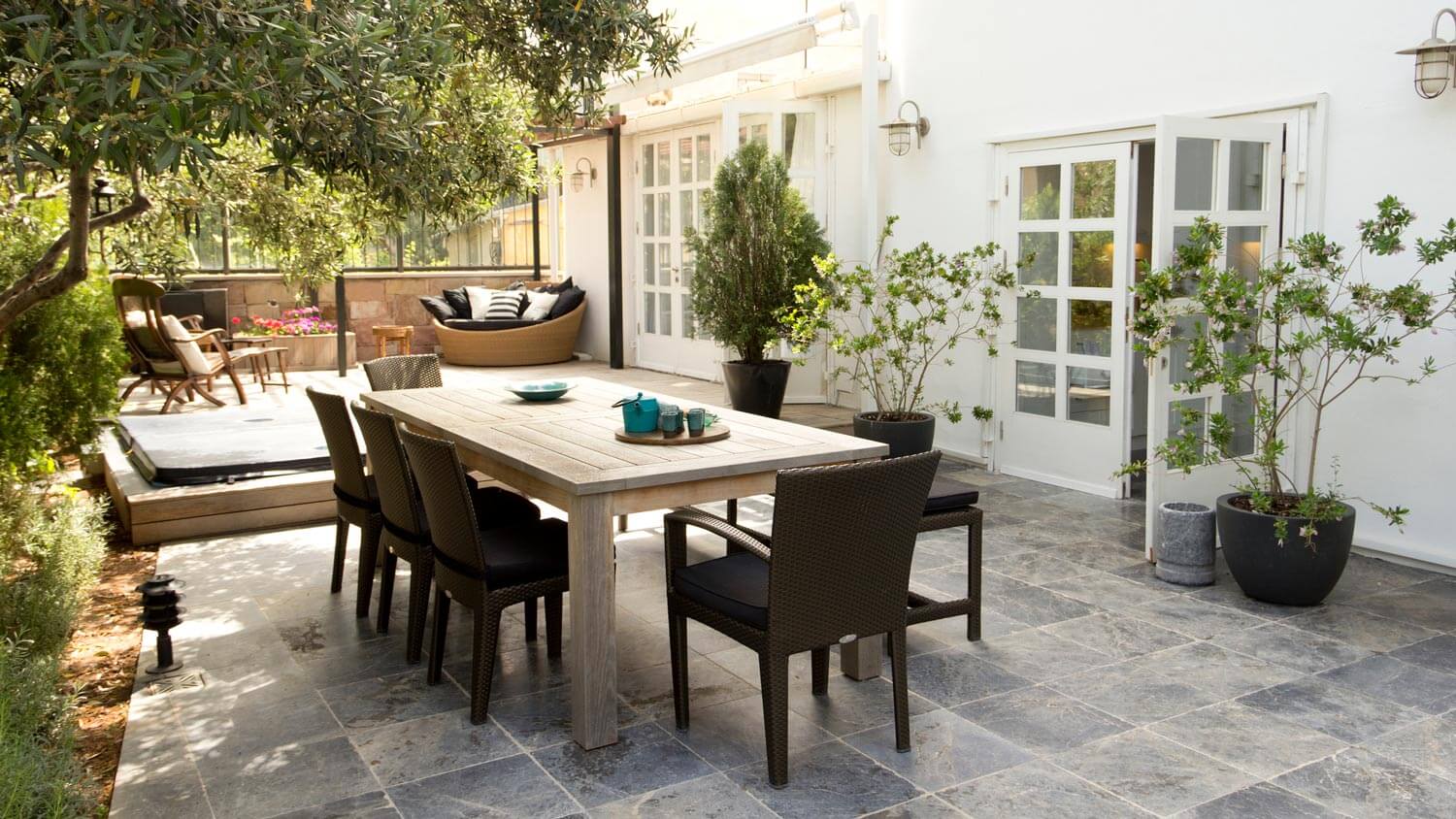
Here’s what you need to know about stamped concrete overlays, including pros and cons, what they cost, and how they can give your concrete new life.
A stamped concrete finish can brighten your dull driveway, walkway, or patio. Here are the questions to discuss with a stamped concrete installation pro.
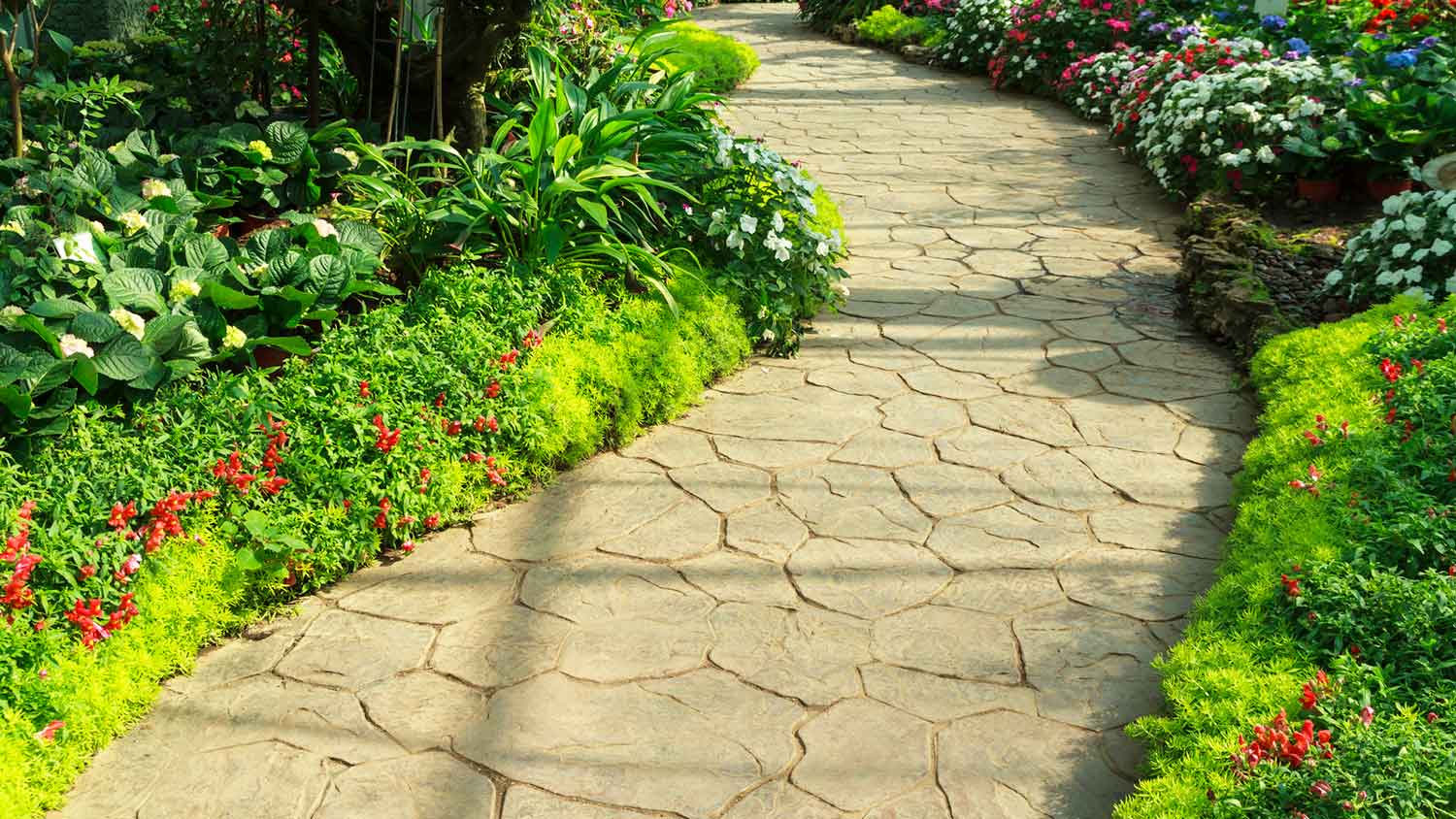
Thinking about a stamped concrete installation? Learn about the benefits, average costs, and how to hire the right local pro.