
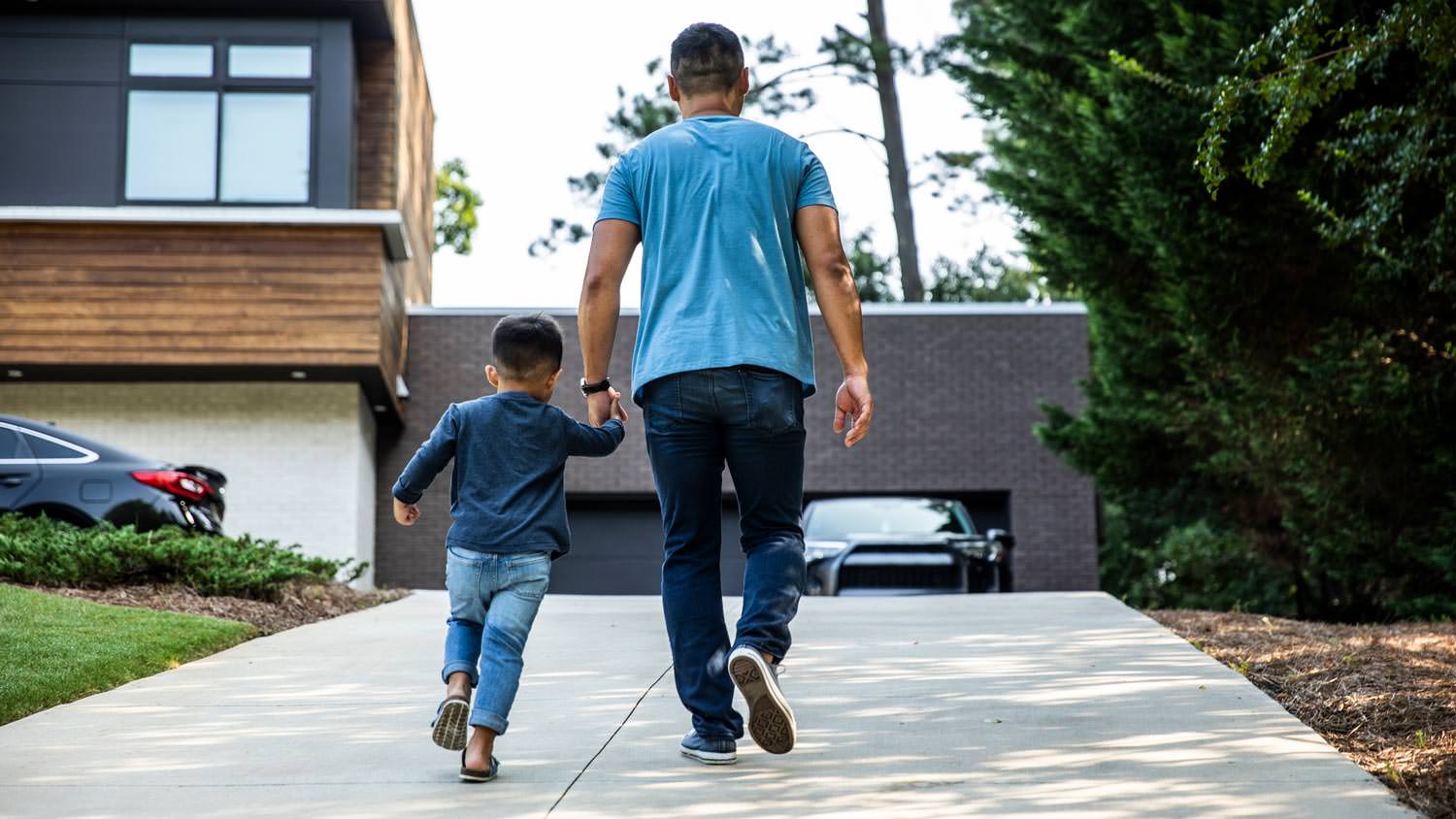
The average cost to pave a driveway is $4,897, but prices vary by size and material. This guide breaks down common cost factors and helps you budget.
Pave the way for some serious curb appeal

If you’re tired of parking on the street or dodging holes in your aging driveway, you may be considering a freshly paved path to park your car. Paving a driveway is an instant upgrade to any home, but it requires a lot of upfront investment, specialized skills, and heavy equipment to install, plus ongoing maintenance. While most homeowners should leave this job to a local driveway paving company, you can learn how to pave a driveway to better understand the process and what to expect from the company you hire to do the job.
Particularly handy, homeowners who have similar experience can typically handle this job themselves in a few days to a week. Read on for our step-by-step guide on how to pave a driveway.
Before you can learn the step-by-step details of how to pave a driveway, you’ll need to take some precautions. One of the most important steps is surveying your property for utility lines, and you’ll also need to remove the surface—whether it be old asphalt, concrete, pavers, or just grass—where you plan to pave.
You’ll need to do some demolition and digging to pave a driveway, so it’s important to call 8-1-1, the national number to call before digging underground, to have a professional check for utility lines before you start this project. An expert can flag or mark areas where utility lines or pipes are underground.
If you have extensive driveway paving experience and access to the heavy machinery needed to complete this job, you may be considering DIYing. If so, you’ll need to purchase the right paving materials at a home improvement store, like fresh asphalt, for your driveway. Otherwise, you can discuss your options with the driveway installation company you are working with.
Building projects of this size typically require a permit. You will need to contact your local building department, prepare supporting documentation, submit the application, and wait for approval before you can start your project. Permit fees vary, but expect to pay between $150 to $2,000, depending on your project and jurisdiction.
It’s best to remove any old concrete or pavers if you are paving a driveway if you want a smooth, sturdy surface. You’ll need heavy equipment, like power graders and rollers or compactors, to get this done, and it’s best to hire a local demolition company near you to get this job done safely.
In some cases, you can repave over an existing asphalt driveway. If your asphalt driveway has minor cracks or holes, you can repair these areas before paving a new surface. You can fill cracks and small holes with asphalt sealant, then continue on with the steps to pave a driveway.
A driveway needs to be properly graded and sloped to help rainwater drain away. The soil base of the driveway will need to slope downward toward the road or on the sides to help water drain and prevent the driveway from buckling. The driveway should slope about 1/4 inch per foot. A driveway paving professional will use a power grader to get the grading just right.
Just like your house needs a durable foundation, your driveway is only as good as its base layer. At this stage, the pros may need to lay new soil before adding the sub-base, which provides stability and resistance to frost and freezing temperatures. The subsoil or sub-base will need to be compacted with a double drum roller.

The asphalt binder is an asphalt mixture with a higher amount of larger stones compared to smoother, finer asphalt top. This layer is designed to add more durability as the load-bearing layer.
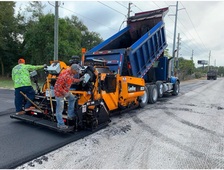
The asphalt top is an aggregate of finer particles, making it less porous compared to the binder layer. The pros will need to truck the asphalt into the job site, then use an asphalt paver or applicator machine to apply the asphalt over the binder. The paver ensures a smooth application, although you can use asphalt shovels to apply asphalt in small spaces and tight corners. After applying the asphalt with an asphalt paver machine, rake it for an even surface, then use a compactor before moving on to the next step.
The transitional areas are where the driveway meets the walkway to your door, the sidewalk, and/or the road. You’ll need to install butt joints where these areas meet. Make sure these transitional areas are graded for proper drainage and are comfortable to walk or drive over.
For a cleaner look, you can apply a border around the driveway edges using paving stones or concrete. You could also add gravel around the edges of the driveway as an added cushion for any vehicles that may go off the sides of the asphalt.

Sealing an asphalt driveway adds more protection against the elements and can help your driveway last longer before it needs to be resurfaced or replaced. While demolishing the old driveway and laying new asphalt will take about seven working days, you need to wait an additional three to six months for the asphalt to fully cure, or harden, before applying sealant.
Paving a driveway requires special, heavy equipment at nearly every step of the process, from demolishing the old driveway surface to laying fresh asphalt. If you attempt this project yourself, you could end up with a weak driveway, or worse, you could damage your home’s foundation. Instead, hire a local driveway paving pro to get the job done safely, efficiently, and correctly.
Paving an asphalt driveway costs $2,500 and $6,600 with a professional. Although you can save up to $7 per square foot to DIY, you’ll spend about $500 per day on equipment rentals for machinery like jackhammers, rollers, and graders. Also, keep in mind that if done incorrectly, driveway repairs can be expensive. Expect to pay up to $5,000 in driveway repair costs or similar prices to repave a driveway.
There are some smaller project tasks you can tackle to bring down professional labor costs, including:
Demolition and removal of materials
Clear the area of obstructions
Secure necessary permits
Rolling up your sleeves and paving your driveway might seem like a rewarding and cost-effective project, but it’s not for the faint of heart. While saving money and having full control over the process is appealing, the physical labor, time commitment, and risk of mistakes can have you thinking twice. Here’s a closer look at the pros and cons:
Cost Savings: Professional paving isn’t cheap. The biggest reason homeowners opt for DIY paving is to cut labor costs. Professional driveway installation can be expensive, so handling the work yourself means you only pay for materials.
Control Over Materials and Process: Doing it yourself means total creative control. You can choose specific materials, patterns, and finishes to match your home’s aesthetic without relying on a contractor’s preferences or limitations.
Flexible Scheduling: Instead of working around a contractor’s availability, you can pave at your own pace. This flexibility allows you to fit the project into your free time.
Physical Demands and Skill Requirements: Paving is labor-intensive and requires knowledge of proper techniques. Heavy lifting, repetitive motions, and long hours on your feet can be physically exhausting.
Potential for Costly Errors: A poorly paved driveway won’t last. Mistakes like improper grading or compaction can lead to cracks, settling, and drainage issues—which can be expensive to fix.
Equipment and Tool Investment: Paving isn’t a job you can do with basic tools. You’ll need a plate compactor, asphalt rake, and possibly a paver machine, and renting or buying these adds to the cost.
Warranties and Liability Concerns: Professionals offer warranties on their work, while DIY paving comes with no guarantee. If your driveway fails, the repairs are entirely on you. Any accidental damage to your property—like misjudging a slope and causing water to drain toward your home—is also your responsibility.
If you’re confident in your skills, prepared for the labor, and willing to invest in the right tools, a DIY driveway could be worth it. Otherwise, hiring professionals might save you more trouble in the long run.
Archie did a good job cleaning up the driveway before he laid down the sealer. It looks good. He was gracious and even helped me bring up my groceries. His rate was comparable to another company who came out to give me a quote and he talked to me personally rather than just text me a quote...
 Pro Seal Roofing & Paving
D1 Roofing delivers outstanding service from beginning to end, backed by a strong warranty and expert teams. I highly recommend them for their excellence in meeting and surpassing expectations with unmatched communication. Choosing D1 Roofing was flawless decision
 Division 1 Roofing LLC
This company went above and beyond with their work, chimney sweeps are usually pretty messy, but the clean up was spot on.!! Josh explained every thing that he was doing, and the things that he was checking to make sure the chimney was safe for me and my family. He was very professional,...
 Supreme brick & chimney
Our homes curb appeal skyrocketed thanks to Custom Paint Jobs LLC s exterior painting.
 Custom Paint Jobs, LLC
Very well! Two men came to do the work. They were both polite, punctual and professional in manner. When they finished, Cameron explained about preserving an asphalt driveway, as I had never had one in the past. I will definitely be calling them in the future.
 All Star Paving and Sealing
Fantastic! Top Line was early for the appointment and very knowledgeable and took time to explain everything they had found during the home inspection. The report included clearly defined issues and what they recommended to remedy the same. The report also included many pictures to help...
 Top Line Home Inspections, LLC
Working with Peter and his crew was a breeze. They were exceptionally polite and did a neat job to repair and seal our driveway. I will definitely talk to them first for additional work.
 Central Paving
The preformed a really good job the staff is incredible never been so happy with my home, A brand new driveway is like a face lift!!
 Pristine Paving
Called Mark on a Thursday morning. Not really knowing if he could help me or not. I was having driveway, flooding issues due to a clogged channel drain and I was trying to figure out what direction to take. Heavy rains had come on Monday and again on Thursday leading to flooding in my garage...
 Mark Rodgers Construction
Had already met with 2 other contractors before Blue Ring, and Blue Ring's price quote for the work was better than either of the other 2, and the came out the next morning and cleaned up a very large fallen tree branch from a storm that was blocking my driveway. Work was completed in...
 Blue Ring Residential Services, LLC
From average costs to expert advice, get all the answers you need to get your job done.
The average cost to pave a driveway is $4,897, but prices vary by size and material. This guide breaks down common cost factors and helps you budget.
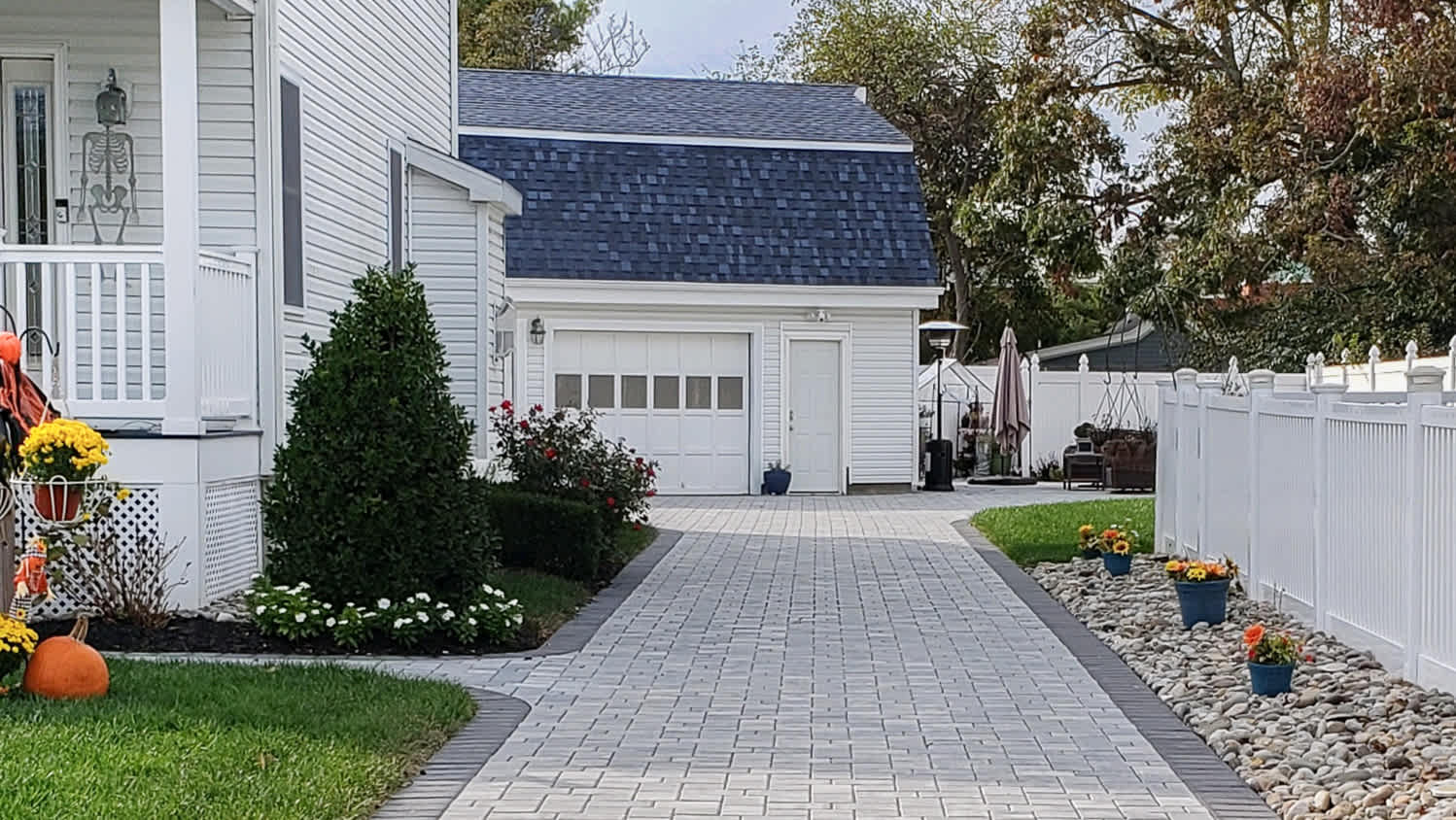
Discover the average paver driveway cost, including price ranges, key cost factors, and tips to help you budget for your driveway project.
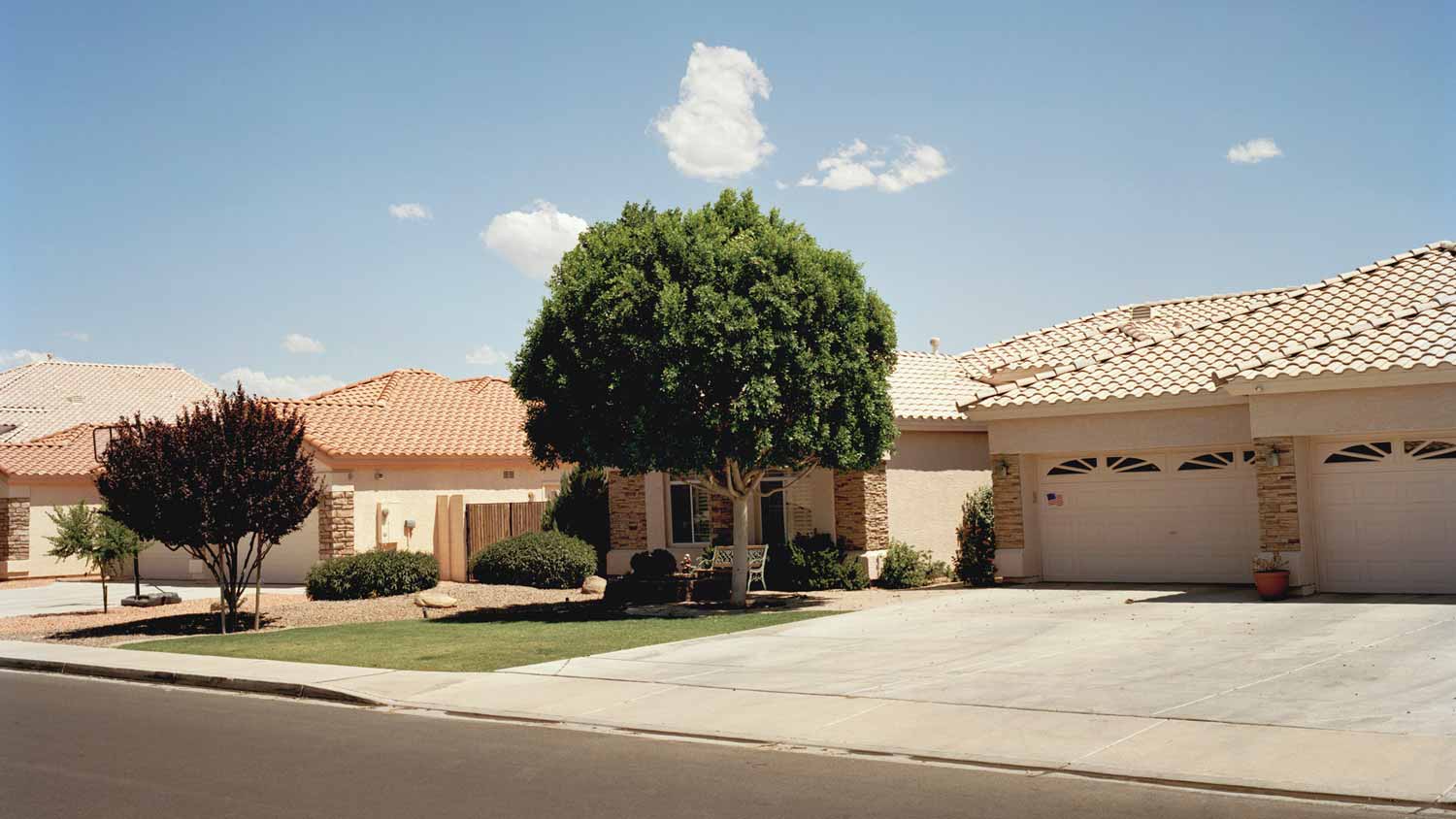
When designing a driveway, it's crucial to know the cost of your driveway apron—the transitional ramp that connects you to the road. Here's what to know.
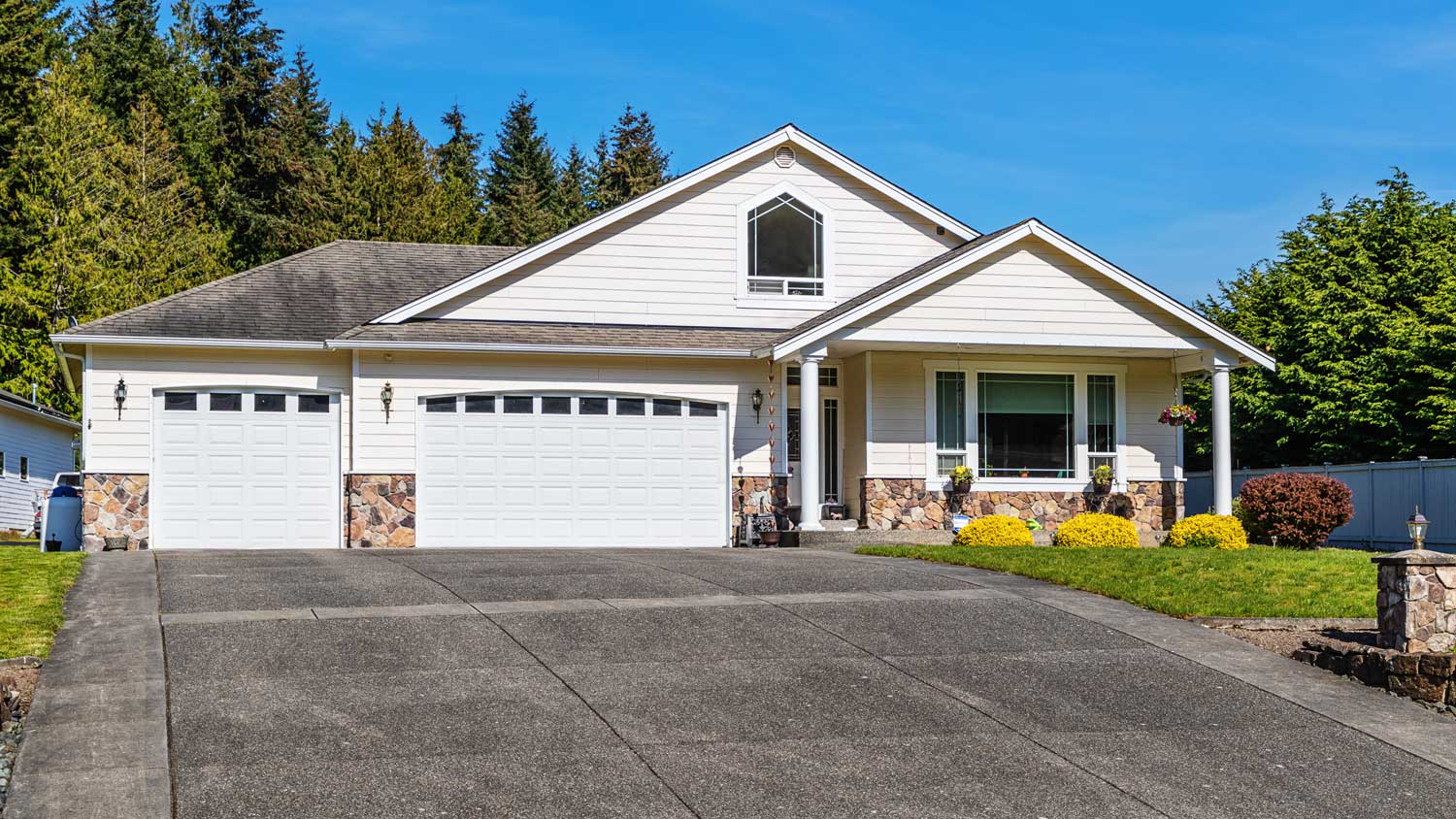
This guide shows you how to determine the right driveway width based on the size of your garage, the number of cars parked, the driveway style, and other factors.
Get new driveway inspiration with this list of the best driveway ideas for all types of homes.
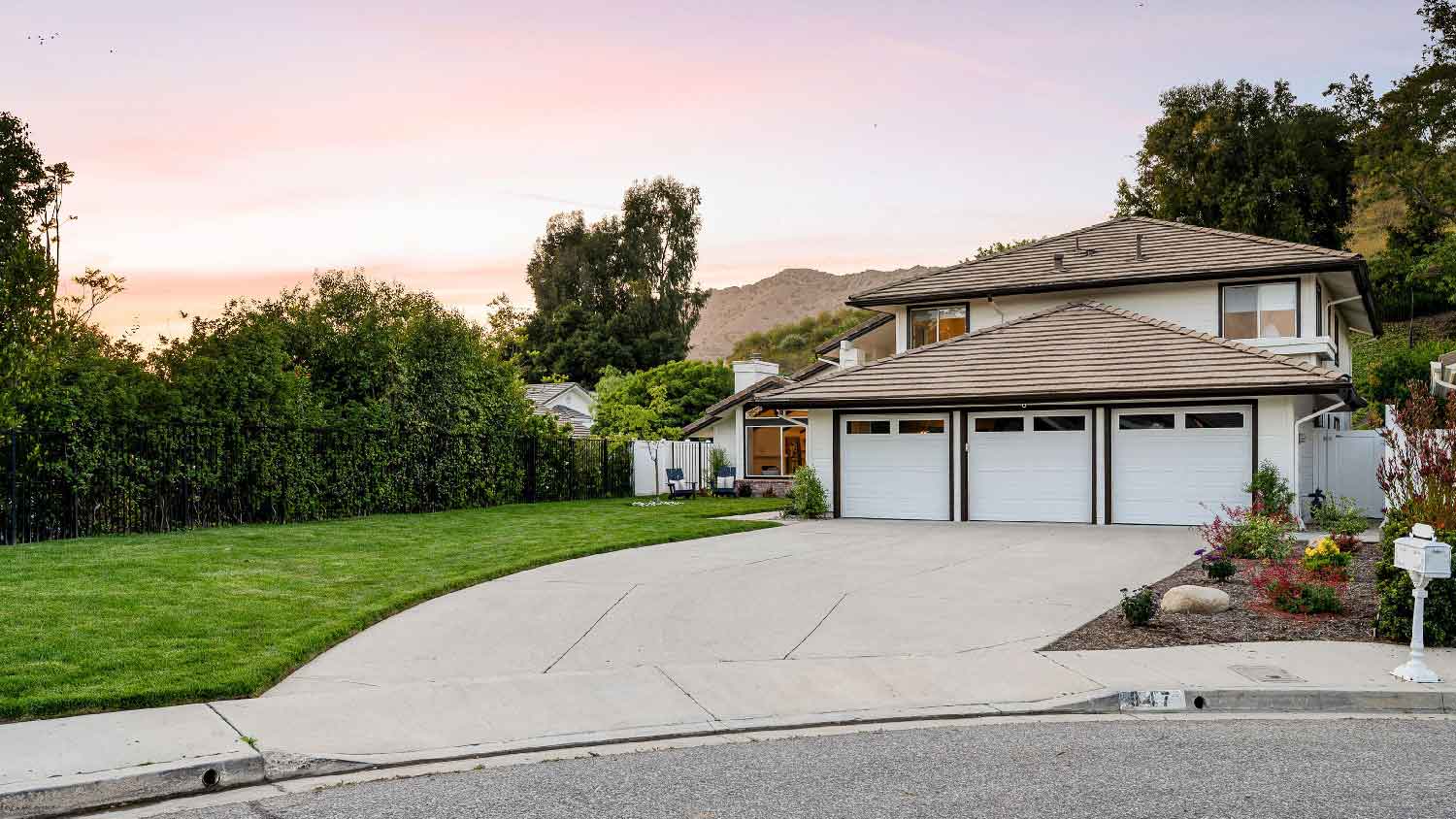
Here are some driveway paving alternatives if you'd like a cheaper, more durable, or more aesthetically pleasing option than a paved concrete driveway.