
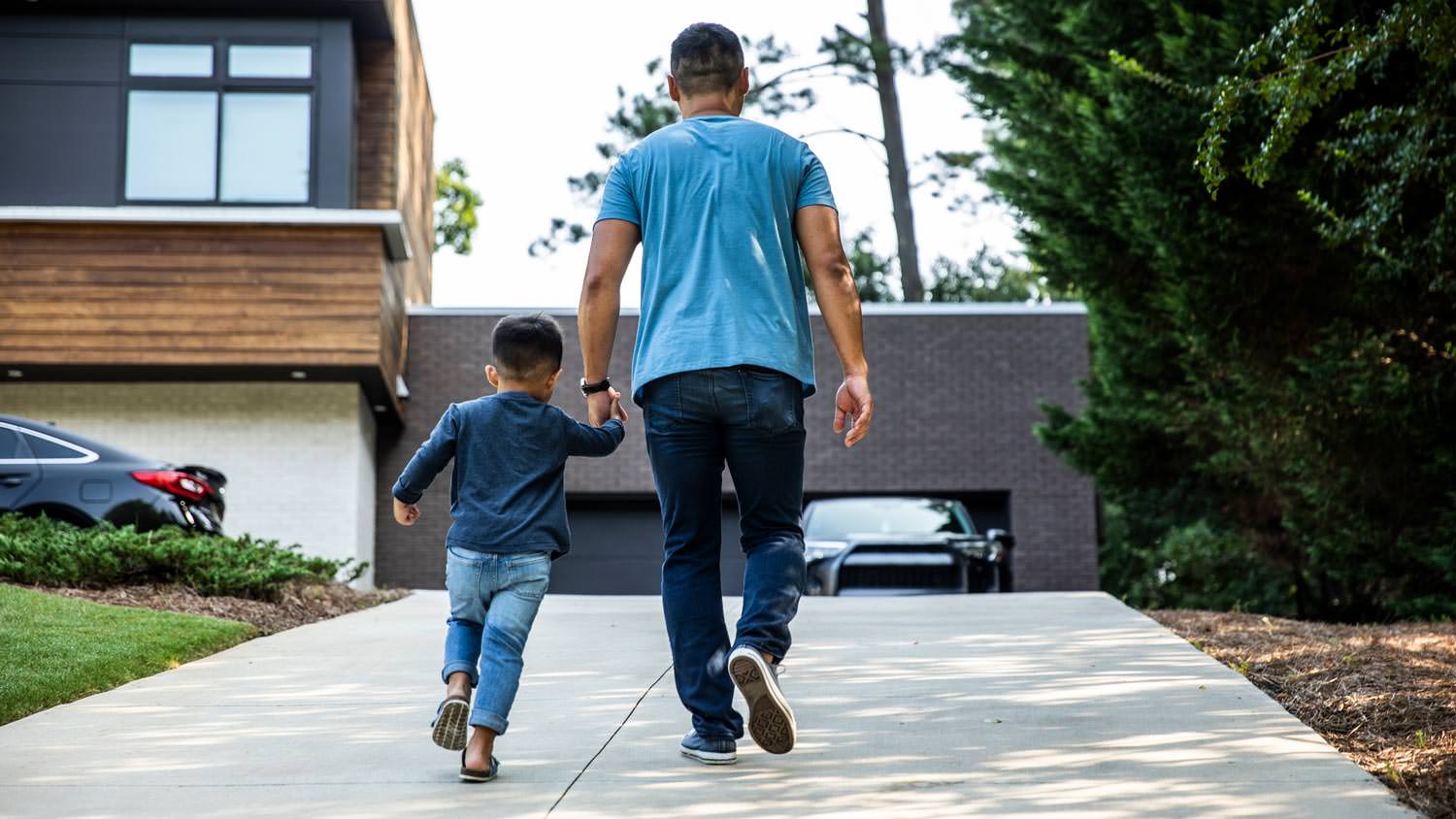
The average cost to pave a driveway is $4,897, but prices vary by size and material. This guide breaks down common cost factors and helps you budget.
Let these permeable driveway material options sink in

A permeable driveway needs a six- to 18-inch crushed stone base to handle drainage, and deeper bases support more water while preventing sunken areas from settling.
Expect to pay $6 to $70 per square foot for permeable paving materials like concrete pavers, pervious concrete, or asphalt, depending on your choice and site preparation needs.
You can choose from several paving options, including concrete pavers with wide joints, permeable pavers, pervious concrete, plastic grass grids, or stone and gravel for your driveway.
Hiring a local driveway paving professional keeps your installation on track with proper base preparation, material selection, and drainage planning for long-term performance and curb appeal.
Whether you’re looking for an eco-friendly material or you just want something different from the usual concrete or asphalt driveway, permeable driveway options have come a long way since the turn of the century. Permeable driveway materials come in a variety of functions and aesthetics wide enough to suit just about any pavement need and preference. The goal of a permeable driveway, of course, is to allow rainwater to go through the paving material and re-enter the water cycle while also looking stylish. Let’s take a look at the best materials available.
According to the USGS, permeable pavements provide several potential hydrologic benefits, such as reducing runoff and releasing precipitation back into the ground. To this end, one of the most important parts of how permeable driveway materials work is that the base material under the pavement allows for adequate drainage. This means excavating the driveway area and placing and compacting the crushed-stone base. Depending on several factors, such as the type of paving material, soil composition, and water table, a permeable paving system should be installed on anywhere from six inches to 18 inches of stone base material.
The best base material to use for any permeable driveway ideas is an angular crushed stone that has no fines (the small, sand-sized grains). Fines will settle and compact into a layer that slows water drainage. Deeper base material can handle more water and helps keep the driveway stable against sunken areas from settling or drive patterns.
Although the idea of permeable pavement is to allow rainwater to filter down and recharge groundwater, a drainage system may still be necessary, depending on the amount of water that tends to gather in your driveway area. The rainwater will eventually be absorbed into the subgrade, but it takes time and may not be able to keep up if your driveway area gathers a lot of water. You certainly don’t want to find out during the first rain that you should have installed supplemental drainage as your garage or house floods. If you’re going to use the best driveway materials, it’s worth getting the foundation right.


Although concrete pavers are most often used as a standard pavement type, the joints can be filled with a coarse stone that still allows water to easily pass through. Standard concrete pavers can also be laid in a pattern that leaves gaps for stone or grass that allow water to filter down into the stone base. On average, concrete pavers cost between $10 and $70 per square foot with the traditional base preparation. Installing the necessary gravel base for proper drainage will increase the cost.

Permeable pavers are designed with wider joints between bricks to allow water to pass between them and filter into the stone base below. You can place coarse stone fill, grass, or leave the joints open according to your taste and your needs. Permeable or pervious pavers cost from $10 to $40 per square foot.
Standard concrete and asphalt are definitely impervious to water. However, a permeable concrete or recycled asphalt driveway can be poured using a special mix designed to allow water to filter through it. Pervious concrete and permeable asphalt driveways typically cost between $6 and $15 per square foot, a little higher than a standard concrete or asphalt driveway.

Also called plastic grass pavers, these high-strength plastic grids can be installed to stabilize a grass driveway and keep it from turning to mush when driven on in wet weather. Plastic grass pavers cost between $5 and $10 per square foot. Of course, this is a great option if you want to get away from the usual concrete, asphalt, or paver driveway.
This style of driveway has been around for a long time. Although the cost can be lower compared to the cost to pave a driveway, you’ll want to make sure you have a really good base of at least 12 to 18 inches of crushed stone or gravel. It’s also important that the stone has no fines in it to slow or stop water permeability. The difference with the stone or gravel driveway is that it will require more maintenance. Over time, potholes and tracks will form and create a rough ride even when you’re going driveway speed. Also, dirt gets tracked onto the driveway and clogs up the stone, reducing its ability to drain. Although it works great in some contexts for certain needs, stone or gravel works best as a base under permeable concrete, pavers, or asphalt.
If you’re having a driveway installed, it can be cost-effective to have other smaller work done at the same time. Permeable paving materials can also work well for other applications that may benefit from allowing water to filter down through.
The likelihood of water ending up outside of the hot tub is 100 percent. And if the hot tub is out in the open, it’s going to rain. Unless the concrete has a strong broom finish, a smooth concrete slab can be very slippery when wet. Pervious concrete tends to have more texture, and it will keep puddles from forming on the surface as well. Consider a permeable paver or pervious concrete pad for your hot tub and then you only need to worry about the water inside the tub.
Patios should have a minimum slope of ¼ inch per foot for proper drainage, but a permeable concrete or paver patio can help get rid of surface water more quickly. Allowing water to filter through the patio can be especially helpful for larger areas with a design that would otherwise trap water. Sometimes the grade or location of the patio doesn’t allow for shedding water anywhere but into the house, and allowing water to pass through can solve the problem.
Permeable driveways are extremely helpful in areas with frequent flooding and heavy storms. Also, if you reside in a Sustainable Urban Drainage System (SUDS) mandatory zone, then, you must have a permeable driveway to stay compliant. While the up-front cost of an SUDS-compliant permeable driveway might seem significant, permeable driveways are definitely worth it in the long run.
They can prevent water from pooling and standing, which also extends your driveway’s lifespan as they negate potential water damage to the surface. That’s why permeable driveways tend to last significantly longer than their non-permeable counterparts. For example, a permeable concrete driveway lasts up to 40 years, whereas a traditional concrete driveway tends to last up to 30 years.
Over time it’s inevitable that sand, dirt, and other debris get into the pores and joints of permeable pavers or concrete like it’s a giant filter. Eventually, you’ll have to clean the filter. That usually gets done with a power washer, which can cost between $80 and $220, depending on the size.
You may also need to reseal the driveway after it’s power-washed and dried. Sealing your permeable concrete or paver driveway costs $0.85 to $1 per square foot. Note that sealer can be slippery on its own, and a non-slip additive may need to be mixed into the sealer.
A professional driveway paving contractor is best for installing a permeable driveway due to equipment, skills, and expertise requirements. Not only will you save yourself many hours of hard labor, but the peace of mind and finished product that’s both functional and aesthetically pleasing will be well worth the cost to hire a pro.
However, always shop around and compare your contractors, especially depending on what material you intend to use. Concrete, asphalt, and paver brick driveway installations have different challenges, so it’s key to find a contractor who knows how to work with your desired material. Ask for references and past project photos, and look up the contractor’s online reviews. Make sure the contractor is licensed and properly insured to guarantee the quality of work you will receive.
Looking for other options? Here are two common alternatives to permeable driveways.
Cobblestone driveways are an old-school alternative loved by many. They are pricier, usually sitting at $40 to $75 per square foot. Cobblestone driveways are extremely durable since natural cobblestone can last centuries. They also have a sophisticated elegance that brings people back through time. Many also mix cobblestone with concrete pavers as a more budgeted option.
Asphalt and porous asphalt are other alternatives to traditional permeable driveways, especially for those living in Northern U.S. climates. The pliable material can handle freeze-thaw cycles much more efficiently than concrete or pavers. Asphalt driveways also only cost $3 to $5 per square foot.
Archie did a good job cleaning up the driveway before he laid down the sealer. It looks good. He was gracious and even helped me bring up my groceries. His rate was comparable to another company who came out to give me a quote and he talked to me personally rather than just text me a quote...
 Pro Seal Roofing & Paving
D1 Roofing delivers outstanding service from beginning to end, backed by a strong warranty and expert teams. I highly recommend them for their excellence in meeting and surpassing expectations with unmatched communication. Choosing D1 Roofing was flawless decision
 Division 1 Roofing LLC
This company went above and beyond with their work, chimney sweeps are usually pretty messy, but the clean up was spot on.!! Josh explained every thing that he was doing, and the things that he was checking to make sure the chimney was safe for me and my family. He was very professional,...
 Supreme brick & chimney
Our homes curb appeal skyrocketed thanks to Custom Paint Jobs LLC s exterior painting.
 Custom Paint Jobs, LLC
Very well! Two men came to do the work. They were both polite, punctual and professional in manner. When they finished, Cameron explained about preserving an asphalt driveway, as I had never had one in the past. I will definitely be calling them in the future.
 All Star Paving and Sealing
Fantastic! Top Line was early for the appointment and very knowledgeable and took time to explain everything they had found during the home inspection. The report included clearly defined issues and what they recommended to remedy the same. The report also included many pictures to help...
 Top Line Home Inspections, LLC
Working with Peter and his crew was a breeze. They were exceptionally polite and did a neat job to repair and seal our driveway. I will definitely talk to them first for additional work.
 Central Paving
The preformed a really good job the staff is incredible never been so happy with my home, A brand new driveway is like a face lift!!
 Pristine Paving
Called Mark on a Thursday morning. Not really knowing if he could help me or not. I was having driveway, flooding issues due to a clogged channel drain and I was trying to figure out what direction to take. Heavy rains had come on Monday and again on Thursday leading to flooding in my garage...
 Mark Rodgers Construction
Had already met with 2 other contractors before Blue Ring, and Blue Ring's price quote for the work was better than either of the other 2, and the came out the next morning and cleaned up a very large fallen tree branch from a storm that was blocking my driveway. Work was completed in...
 Blue Ring Residential Services, LLC
From average costs to expert advice, get all the answers you need to get your job done.
The average cost to pave a driveway is $4,897, but prices vary by size and material. This guide breaks down common cost factors and helps you budget.
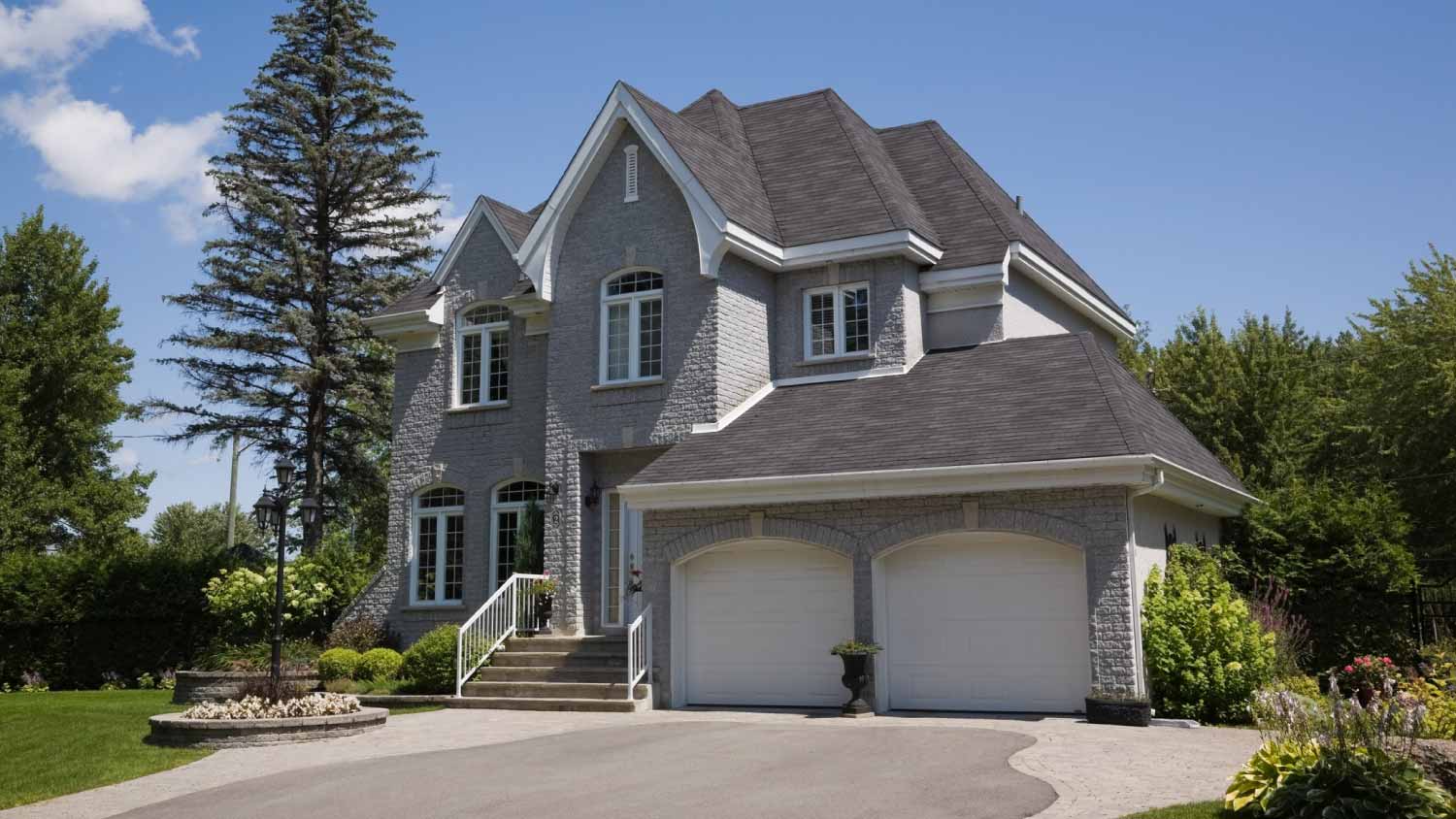
Is your driveway totaled? The price of repaving your driveway can save you from repair and resurfacing costs that are no longer worth the investment.
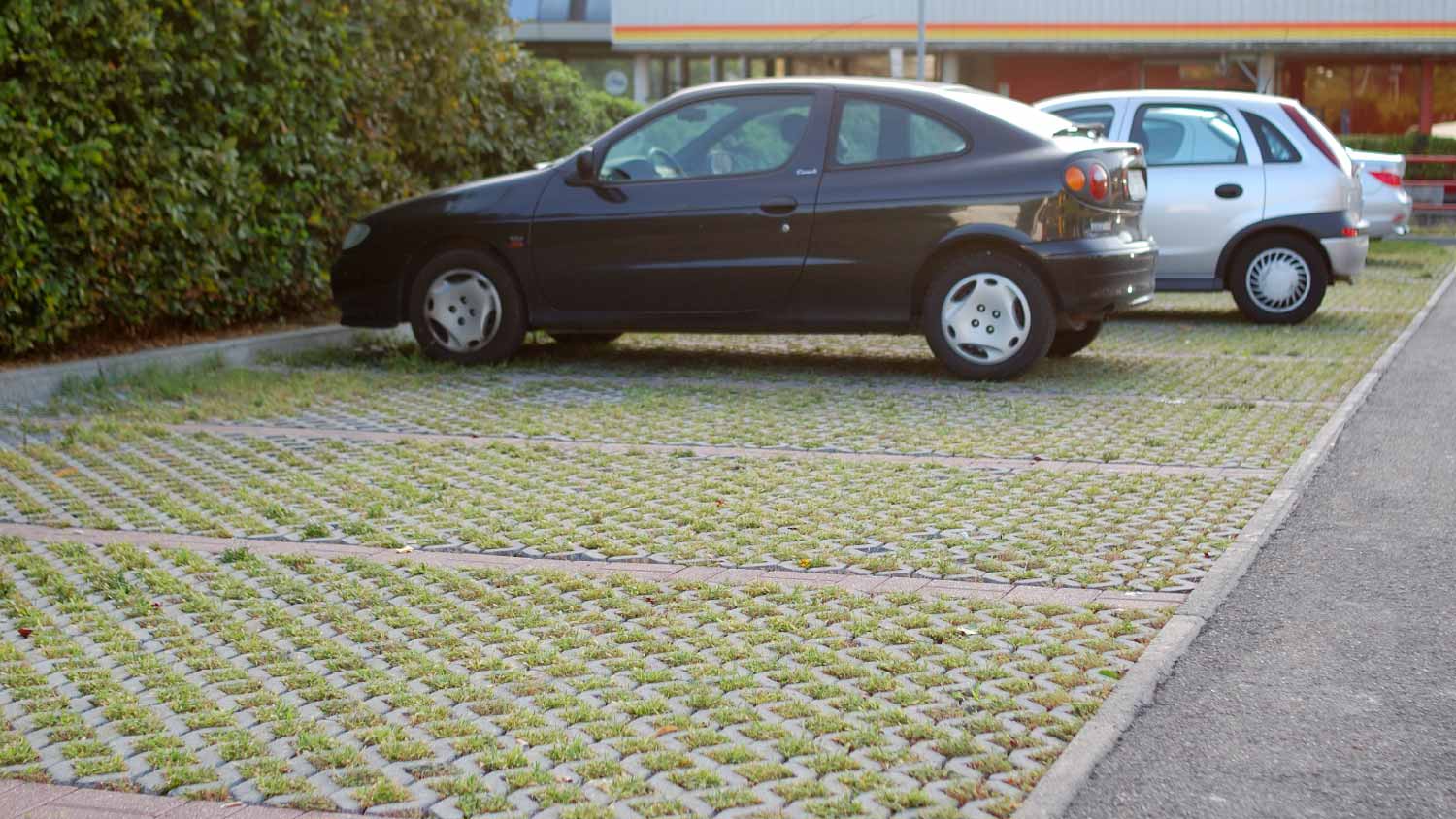
Is rainwater constantly building up on your driveway, walkway, or patio? Find out how permeable paving could be the answer to your problems.
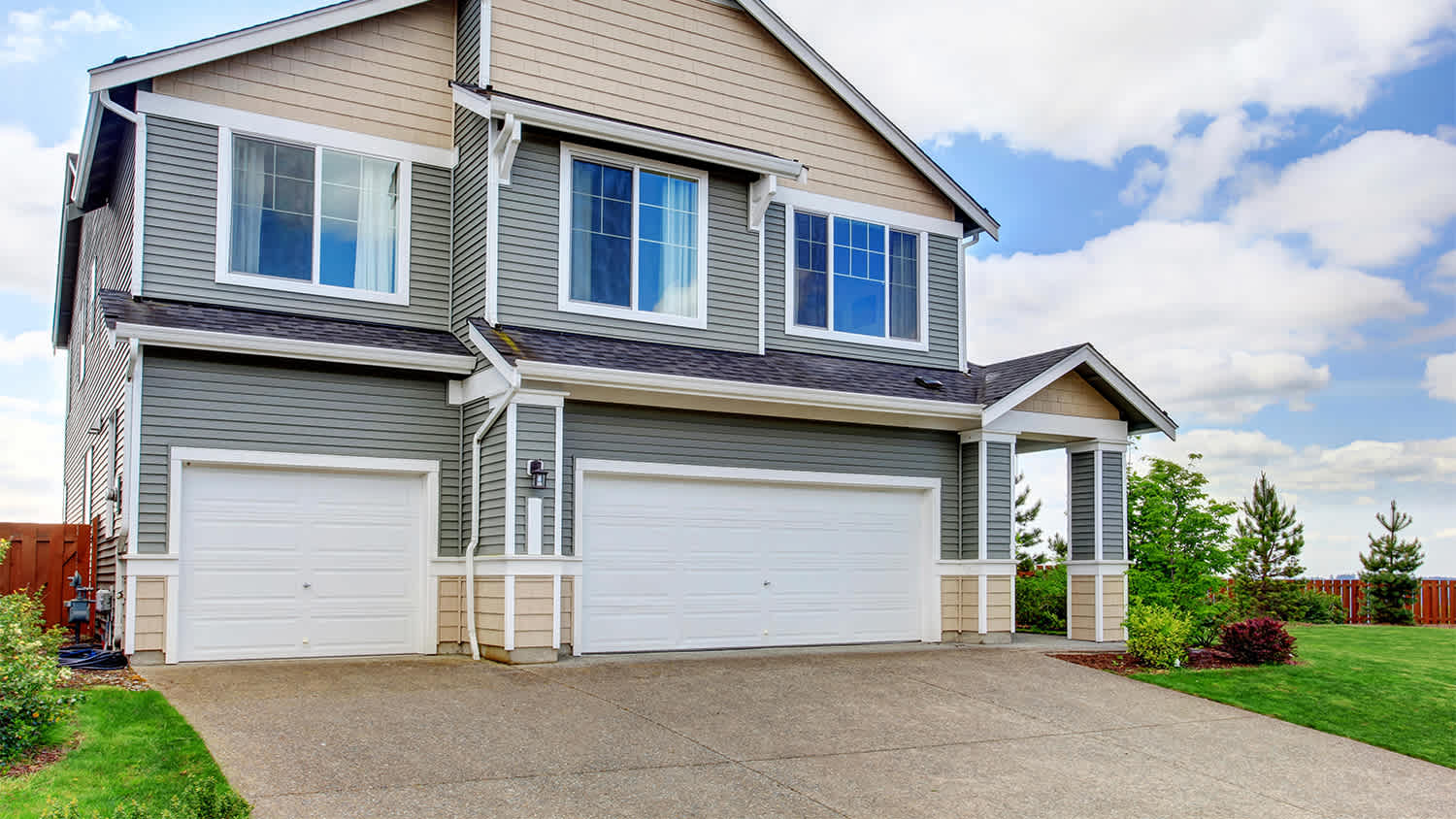
Learn about the best driveway materials, such as concrete, pavers, and turf, the prices for each, and the factors you should consider before committing to one.
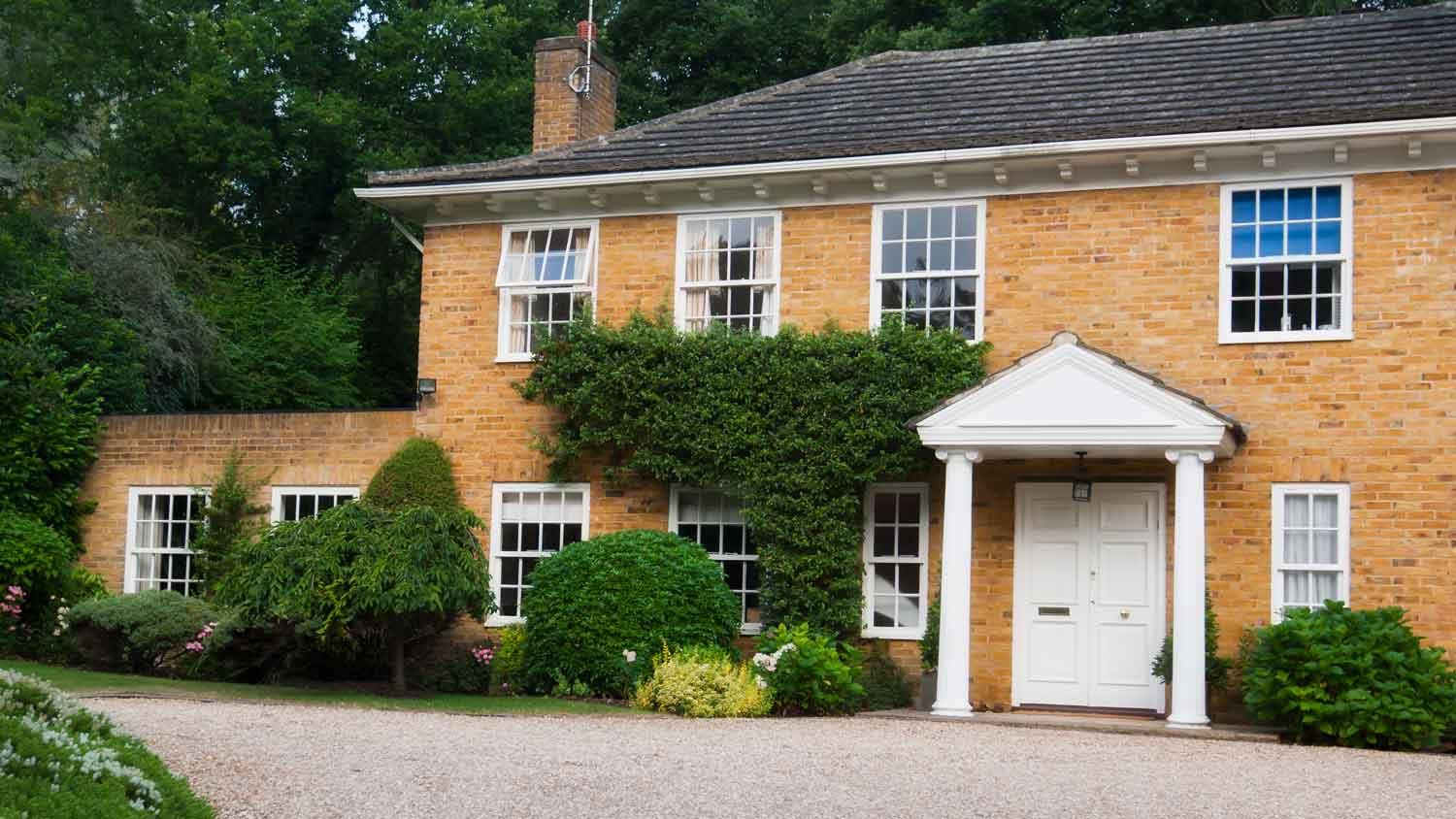
Although concrete and asphalt continue to reign supreme, there are more eco-friendly driveway options available than ever before. Here are the five we recommend.
Discover the 8 best practical and budget-friendly driveway ideas that offer durability and style without breaking the bank.