

Discover how much concrete walls cost based on factors like their size, material, location, design, and local labor rates.
You don’t need to wait for summer to start that concrete project

Pouring concrete in the winter is possible when you keep temperatures above 40 degrees Fahrenheit and use cold-weather concrete designed for slower curing.
You should warm the ground before pouring by covering it with blankets for a few days, ensuring the site stays above freezing throughout the curing process.
Use accelerants and heated water in your concrete mix to speed up curing time, which helps prevent freezing damage and creates stronger concrete in cold weather.
Hiring a local concrete flooring professional provides reliable support for cold-weather projects, from choosing the right concrete mix to managing proper curing temperatures and timing.
Whether it’s a new foundation or a driveway, a planned project or emergency repairs, sometimes you need to learn to work with concrete in the cold. The good news is that pouring concrete in cold weather is not off the table, and there’s no need to wait for warmer temperatures to do concrete work as long as you know how. Follow these 10 tips before you start that concrete project in the wintertime.

Winter is not the best time to pour concrete, but you can get the job done in the cold. In fact, with the right materials and information, you can not only get your concrete project completed in cold weather but also end up with a stronger slab.
According to the American Concrete Institute, an international authority on concrete best practices, special techniques are required when pouring concrete in cold weather, specifically temperatures below 50 degrees Fahrenheit. But there is an upside. When done correctly, concrete poured in cool weather can be stronger than concrete poured in hot weather because of the slower curing time.
Keep the weather in mind when pouring concrete. If it's too hot or cold outside, it can make the process more difficult. Try to pour concrete in 50 to 60 degree weather.

Pouring concrete in cold weather is possible and sometimes even preferred, but wait for warmer weather if temperatures have been or are expected to be too cold, especially if you’re pouring concrete in the rain. Aim for temperatures above 40 degrees Fahrenheit, and never pour concrete below 20 degrees Fahrenheit unless you’re an expert with experience in cold-weather concrete work. It can be nearly impossible to keep materials warm enough for proper curing in extreme cold. If the liquid concrete freezes before it cures, you risk permanently damaging and weakening the slab.
People always come first. When working in cold weather, it’s imperative to take care of yourself and the crews pouring the concrete. Make sure to use these safety tips:
Use warm clothes, heaters, warming stations, and regular breaks.
Know the signs of frostbite and hypothermia, and have a plan for staying and getting warm.
If you’re hiring a concrete flooring company near you to do the work, ask about their cold-weather contingency plans for employees and the job. Hiring the best concrete contractor can take a little research, but it's worth the work in the end.
Understand that cold temperatures can mean longer cure times, which can mean longer timelines for job completion, higher labor costs, and increased concrete slab cost.
Never pour concrete on frozen ground, ice, or snow. Instead, assess air and ground temperatures and warm the ground by covering it with blankets or black plastic for a few days before the concrete work begins. If conditions are expected to be windy or evolving, consider constructing windbreaks to protect the site from wind and temperature changes. Very cold conditions may require protective enclosures and heaters. And remember to warm tools and forms. Cold forms and tools can cool the concrete too quickly, so store them inside or warm them up before use.
It’s very important to use concrete that’s compatible with cool-weather pouring. You’ll want to choose a strong type of concrete that has a compressive strength rating of at least 4,000 pounds per square inch or 27 megapascals. You can also look for air-entrained concrete that allows water into tiny voids, which relieves pressure during freezing and expansion.
If you’re hiring a concrete contractor, verify that they’re using concrete recommended for cold weather, and have them put the specifics in writing in your contract.
When it comes to whether you should dry pour or wet pour concrete, remember that dry pouring will almost always result in a weaker slab because you don’t guarantee the right ratio of water to cement or even mixing. Dry pouring is much more likely to lead to weaker slabs, and since pouring concrete in cold weather also increases the risk of weak concrete, you should avoid dry pouring in the cold at all costs.

Curing times are longer when pouring concrete in cold weather, but the faster the concrete sets, the less likely it is to fail due to cold weather damage. To make concrete cure faster in cold weather, you can consider using accelerants, also called accelerating chemical admixtures, and water reducers.
You can also adjust the concrete mixture to perform better in cold temperatures. Adding more cement can bring the mix to optimal hydration levels and add more heat to the curing process, which can make curing go faster and result in stronger concrete that resists cracking, chipping, and concrete spalling.
Preheating the water and aggregate mix to between 140 and 180 degrees Fahrenheit is a smart way to get the right pouring temperature. Transporting ready-mixed concrete in warmed trucks and keeping concrete that’s mixed on-site in a warm location are also smart moves. Then, pour it as soon as you can so it’s as warm as possible when placed, and be ready to keep it warm while it sets.
During curing, use an infrared temperature gun to monitor temperatures. Concrete should ideally stay above 50 degrees Fahrenheit and shouldn’t fall below 40 degrees Fahrenheit during curing, and it should never be allowed to freeze during the first 24 hours after pouring.
If you’re pouring in an enclosed area, use heaters or insulating blankets to keep the concrete warm as it dries. It’s smart to keep a log of air and concrete temperatures during cooling so you can anticipate trends. Even if you don’t think you’ll need them, have blankets, lights, and heating options ready in case the temperature drops too quickly.

Don’t rush the curing process. All the bleed water should evaporate before the finishing process begins. Because cold-weather curing takes more time, the bleed process will begin later and take longer than usual, and more water may bleed from the concrete. This process takes even longer when pouring concrete in the rain, so give it all the time it needs based on conditions.
Keep concrete forming equipment in place as long as possible when pouring concrete in cold weather. Forms help retain heat and prevent the concrete from drying too quickly. In very cool conditions, consider using heated forms or pumping steam in the pour area. Because concrete poured and set in cold weather cures more slowly than concrete poured in warm weather, plan to give it several days to a few weeks for gradual curing, depending on the temperature and size of the job, to prevent cracking or other common issues such as concrete popouts.
Once the concrete has cured completely, apply a sealant to keep water from seeping back in. If you’re in an extremely cold area, choose a breathable sealant so water can evaporate from the concrete slab. The cost to seal concrete and recommended sealants depend on the job.
Archie did a good job cleaning up the driveway before he laid down the sealer. It looks good. He was gracious and even helped me bring up my groceries. His rate was comparable to another company who came out to give me a quote and he talked to me personally rather than just text me a quote...
 Pro Seal Roofing & Paving
Wonderful. I am going to have them remove and replace my driveway in the spring.
 All Star Paving and Sealing
Working with Peter and his crew was a breeze. They were exceptionally polite and did a neat job to repair and seal our driveway. I will definitely talk to them first for additional work.
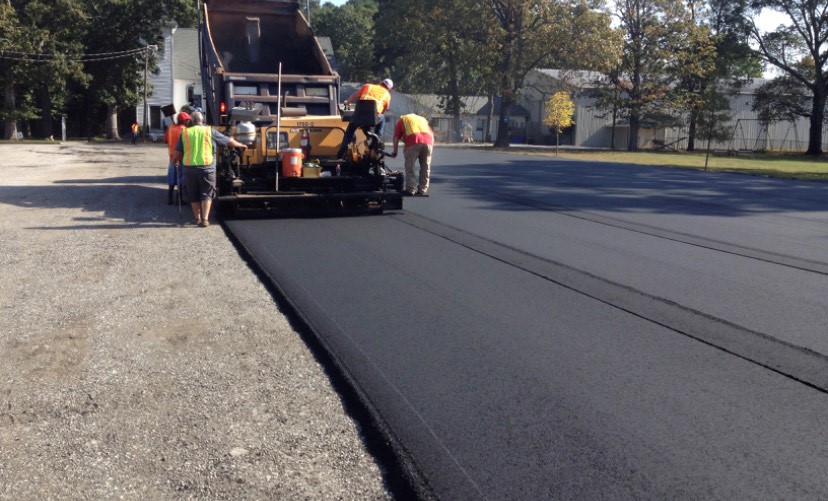 Central Paving
The preformed a really good job the staff is incredible never been so happy with my home, A brand new driveway is like a face lift!!
 Pristine Paving
We recently had our office sidewalk repaired and CT Concrete did an "Outstanding" job. They were quick, friendly and the job is "flawless". I would highly recommend CT Concrete for any of your concrete/sidewalk needs.
Called Mark on a Thursday morning. Not really knowing if he could help me or not. I was having driveway, flooding issues due to a clogged channel drain and I was trying to figure out what direction to take. Heavy rains had come on Monday and again on Thursday leading to flooding in my garage...
 Mark Rodgers Construction
It went really well! The concrete looks, they even did some patch work on my buildings parking lot. That was such a plus! <br />
 AmeriCoat Asphalt & Concrete
Jand J has provided services for clients of mine for 15 years or maybe longer. They are always honest with their recommendations, providing good advice to my clients and competitive pricing. All three of the structural engineers whom I have dealt with in recent years have Jand J on their...
We first had Mark fix the back patio and liked his work so much we had him make a brick patio on the side of the house. When we decided to change our concrete walkway to brick, we wanted Mark to do the job because his prices were fair and he did such good work on t he other two projects.
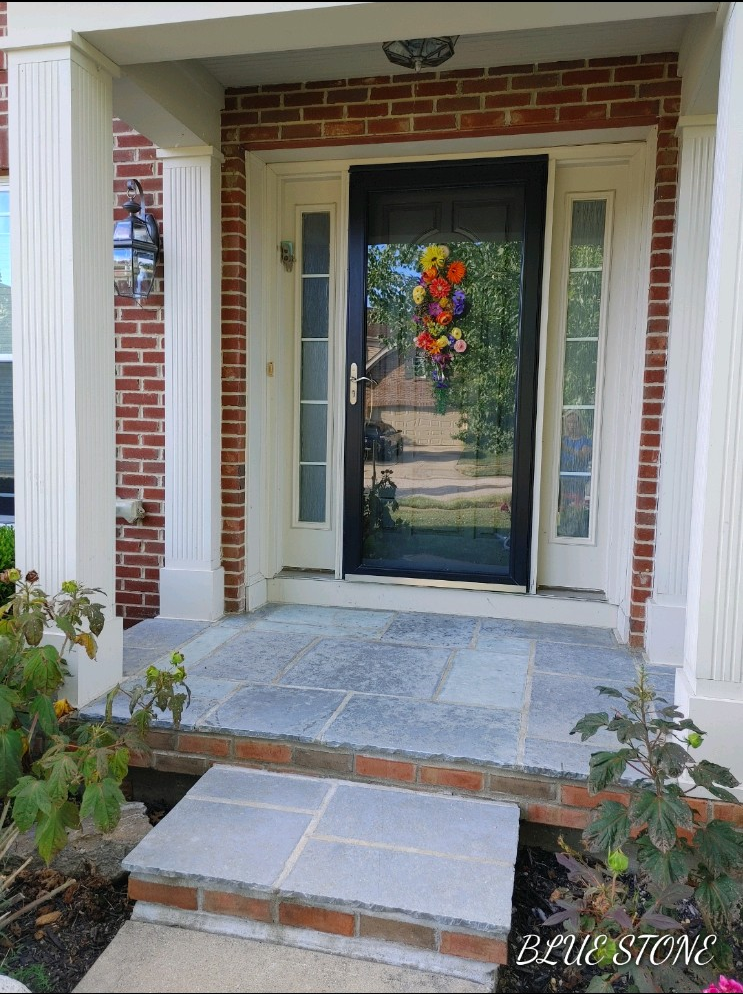 Mark Monnette Masonry
Mr. Lewis was extraordinarily responsive. At the time we realized that the concrete could not be repaired, we had intended to put our house on the market. We were anxious to get the work complete so that we wouldn't delay marketing the house. Mr. Lewis promptly returned our calls, provided...
From average costs to expert advice, get all the answers you need to get your job done.
Discover how much concrete walls cost based on factors like their size, material, location, design, and local labor rates.
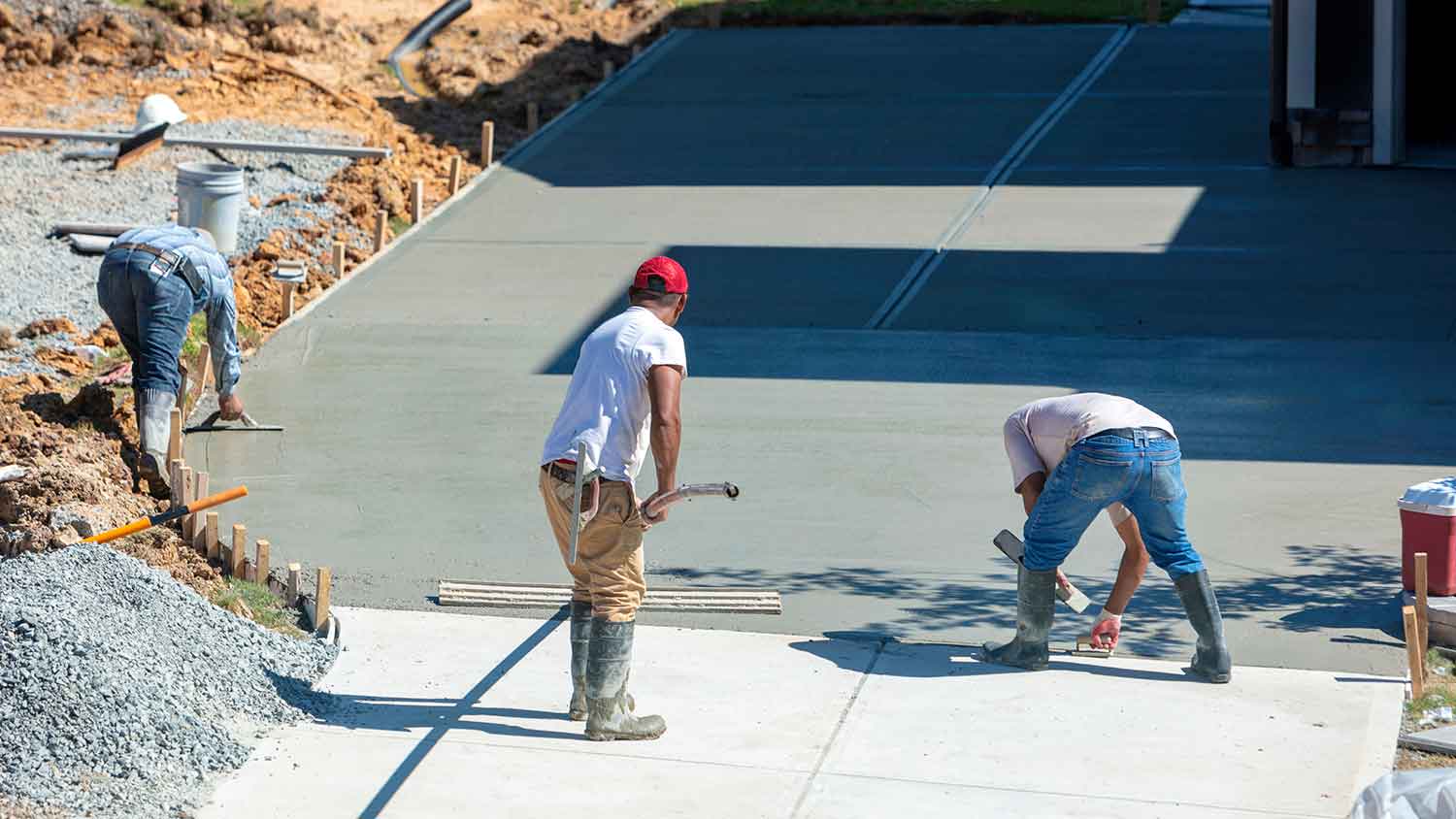
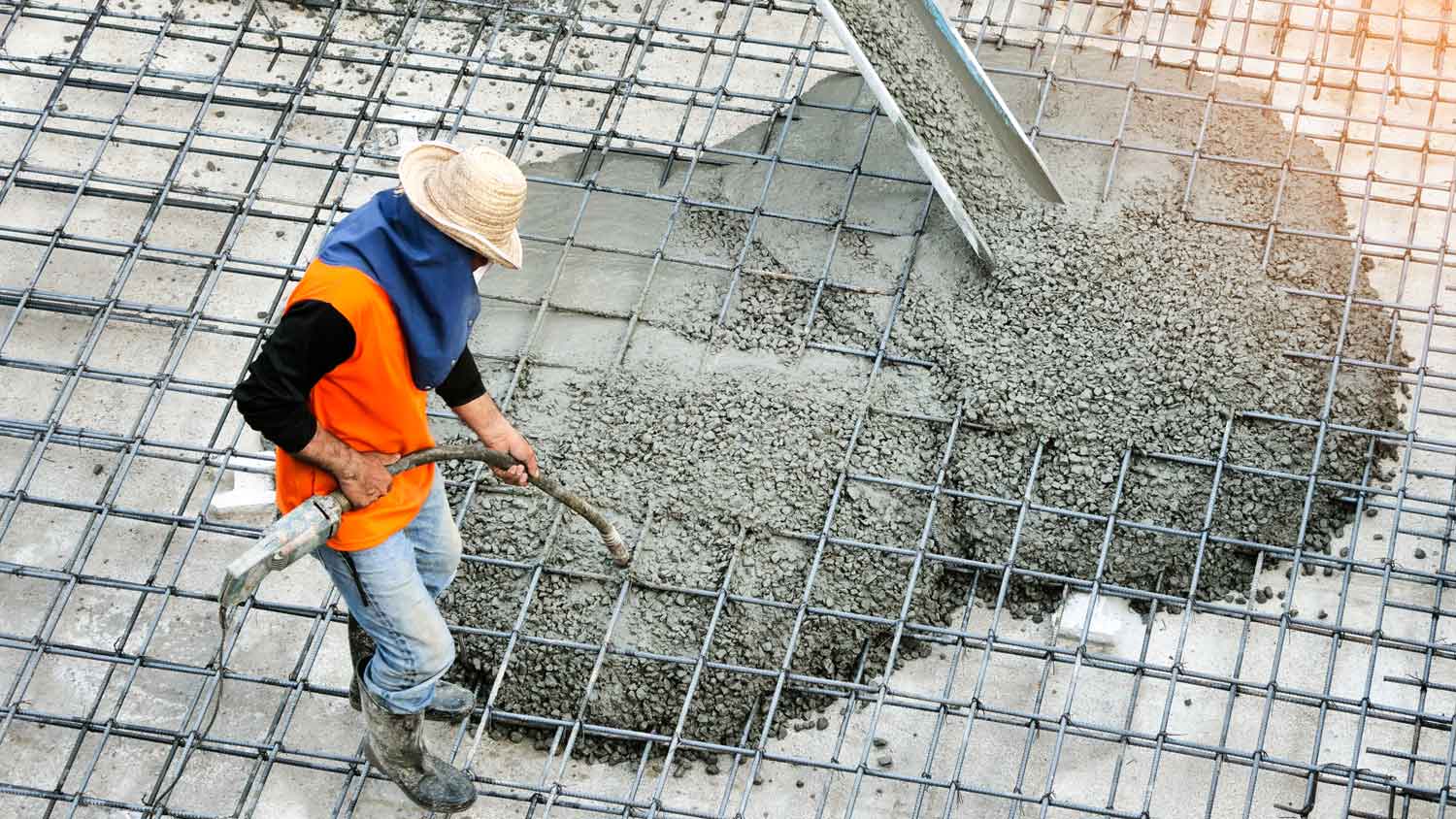
Discover the average concrete pumping cost, including key price factors and tips to help you budget for your next concrete project.
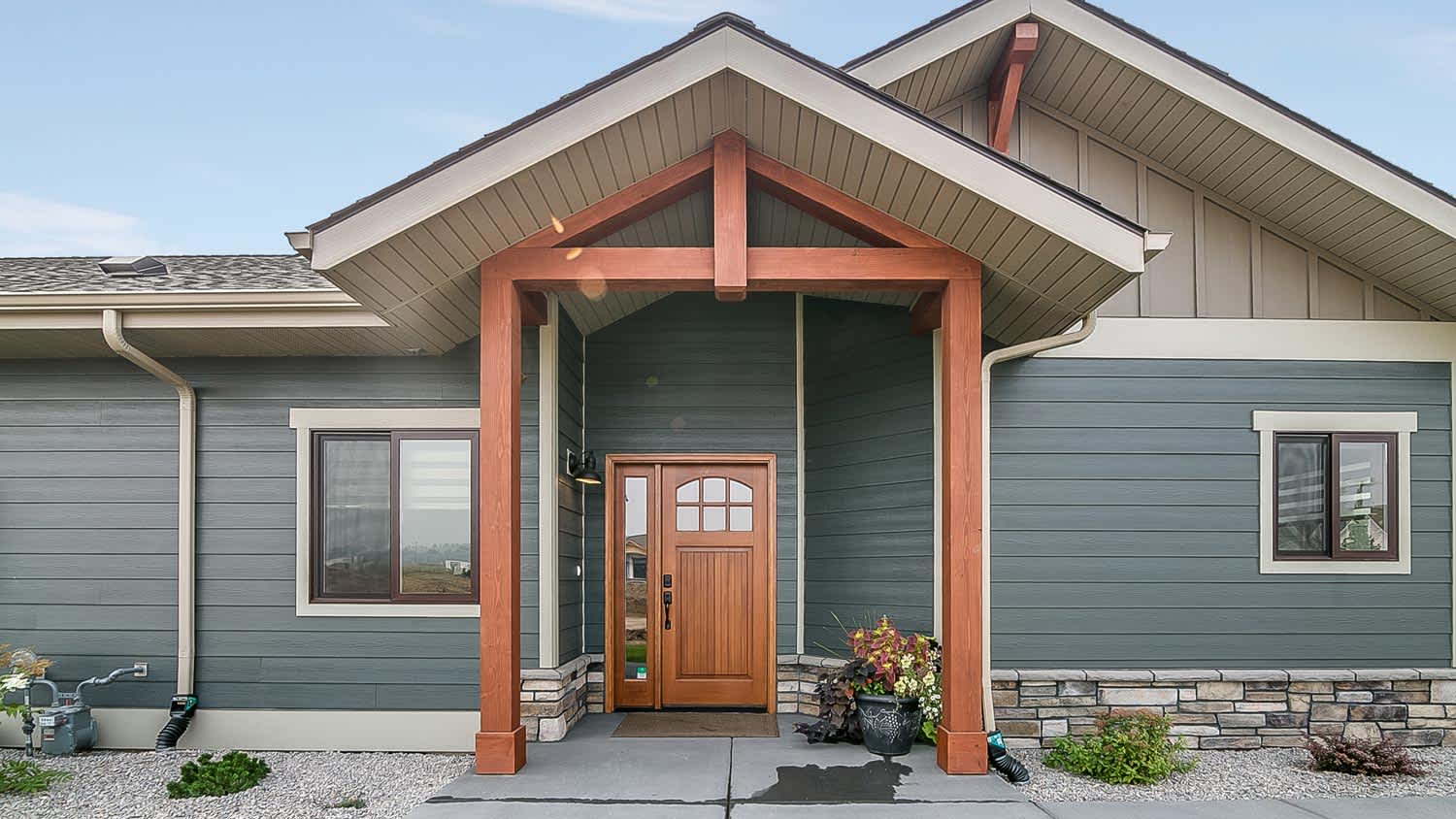
Concrete plays a role in more than just your foundation. No matter where you need the extra stability, here's how to determine your concrete slab cost.
Wondering if pouring concrete in the rain is possible? Learn how rain affects the strength of the concrete and why it’s a good idea to wait for better weather.
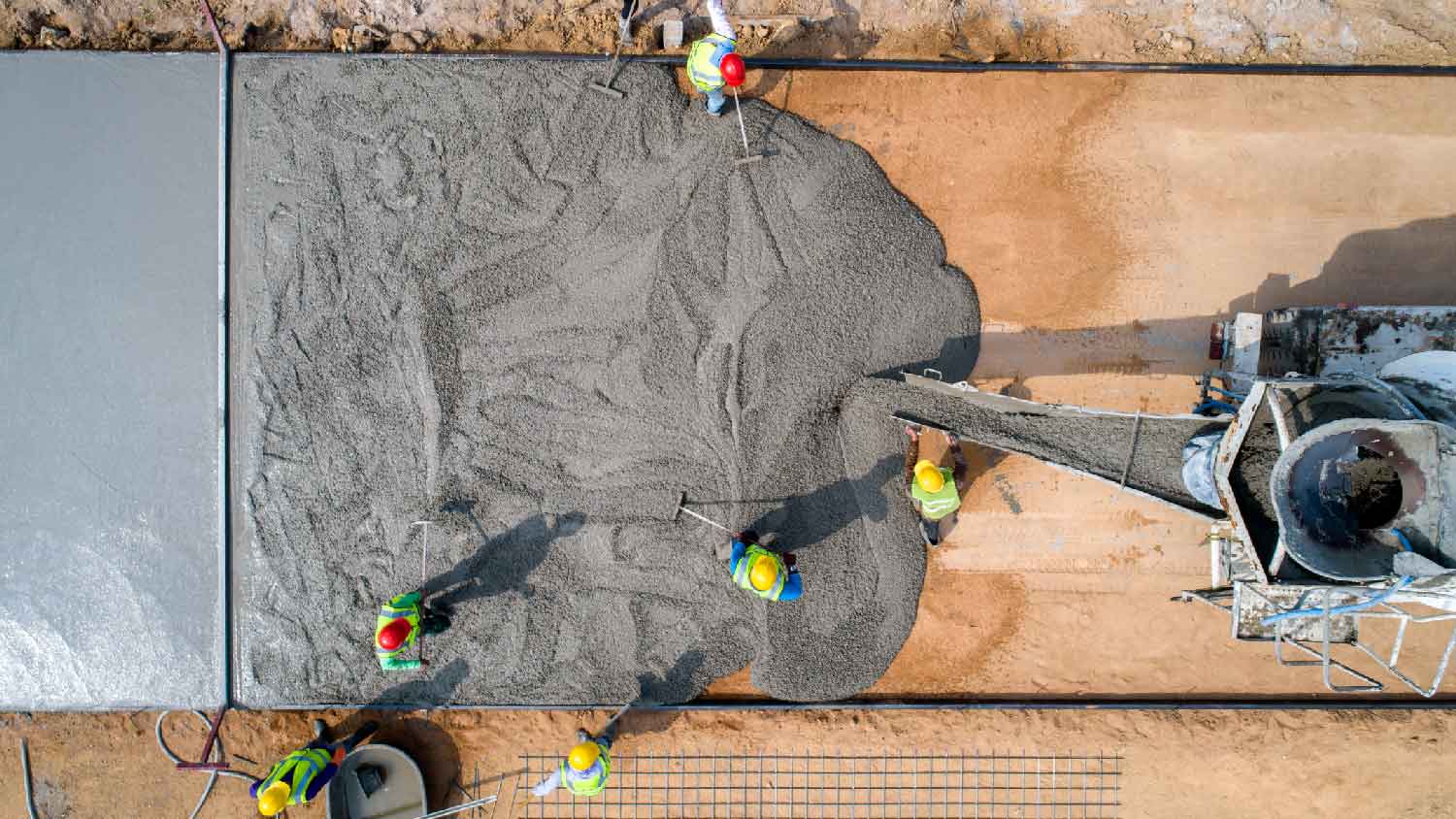
Looking for the best time to pour concrete? Consider the temperature, the weather and climate in your area, the time of year, and sunlight exposure.
Concrete is a durable material, but how you install it affects longevity. Learn about dry pour concrete vs. wet pour and which is best for your project.