
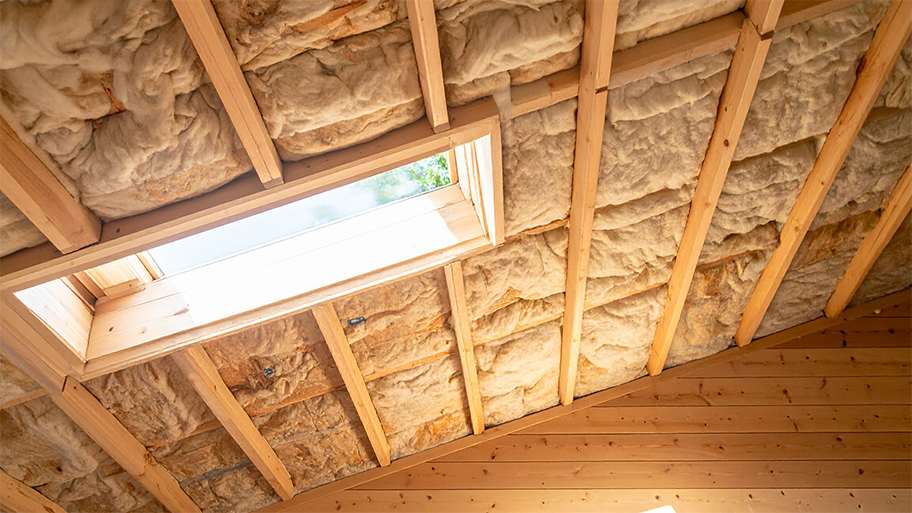
Insulating your attic can massively improve your home’s efficiency and reduce electric bills. Use this guide to find out what attic insulation will cost you in Seattle, WA.
Insulation service costs depend on your project and location. Check with a local pro for your specific job.

Attic insulation removal in Seattle, WA, costs $600 to $1,200 for most homes.
Compressed or moisture-saturated cellulose caused by the region's damp climate often requires costlier hand removal.
Mold remediation can add $1,225 to $3,750 to insulation removal costs.
Hiring an insulation professional in Seattle, WA, keeps you and your household safe from mold spores and rodent allergens.
Cool, rainy climate conditions in Seattle, WA, mean moisture infiltration, mold, and compressed insulation are much more common than in drier parts of the country. Attic insulation removal in Seattle, WA, costs an average of $1,000, with most homeowners in the region spending $667 to $1,333. Attic size, insulation type, and the presence of moisture damage or pests all affect your final cost.
Cost drivers for attic insulation removal in Seattle, WA, are shaped by the Pacific Northwest's wet winters, the city's older housing stock, and Washington State's relatively high energy code requirements.
As with any insulation removal project, the square footage of your attic space will determine the base cost. Older homes around Seattle, WA, often have smaller, irregularly framed attic spaces with limited headroom and challenging access points, which can push the per-square-foot cost toward the higher end of the range. Difficult-to-reach areas add up to $1 per square foot to the price tag.
| Square Footage | Average Cost |
|---|---|
| 200 | $200–$400 |
| 400 | $400–$800 |
| 600 | $600–$1,200 |
| 1,000 | $1,000–$2,000 |
| 1,500 | $1,500–$3,200 |
Seattle, WA, homes contain a variety of insulation types. Pre-1980 homes may have old cellulose or fiberglass batts, while more recent attics often feature blown-in cellulose or fiberglass. Pros can remove blown-in insulation with industrial vacuums; dense-pack cellulose that has absorbed moisture may require partial hand removal, increasing costs.
Expect to pay $1 to $2 per square foot to remove insulation, with blown-in varieties near the lower end and rigid types near the higher end of that range. Keep in mind that those prices are for dry, non-asbestos insulation that’s in good condition.
| Insulation Type | Average Cost |
|---|---|
| Blown-in | $600–$1,000 |
| Batts and rolls | $800–$1,100 |
| Rigid | $900–$1,200 |
The main difference between attic insulation and roof insulation is where the material is installed. Attic insulation is added to the attic floor—which is also the ceiling of the room below—whereas roof insulation is on the underside of the roof deck. They both use similar materials, but roof insulation prevents heat loss through the roof, while attic insulation helps regulate the living space below.

Seattle, WA's, older housing stock means the possible presence of asbestos is a real concern. Homes built before 1980 may contain vermiculite or other asbestos-containing insulation materials, and Washington State requires EPA-licensed contractors to handle their removal. Before starting any removal in a pre-1980 Seattle, WA, home, testing is strongly recommended.
Learn more about asbestos removal cost estimates to understand what remediation might add to your budget.
| Hazardous Material | Average Removal Cost |
|---|---|
| Pests | $110–$260 |
| Asbestos | $1,190–$3,255 |
| Mold | $1,225–$3,750 |
Wet winters and high annual rainfall in Seattle, WA, create persistent moisture challenges in attic spaces. Inadequate ventilation allows condensation to accumulate on roof sheathing, saturating insulation and creating ideal conditions for mold growth. Removing moisture-damaged insulation requires HEPA containment, antimicrobial treatment, and drying time before new insulation goes in, adding $0.80 to $1.25 per square foot to the base removal cost.
Many Seattle, WA, homes have complex roof lines, low-pitch sections, and attic access limited to a small scuttle hatch. These structural features significantly slow crew productivity when they remove and replace insulation. Contractors working through a scuttle hole rather than full pull-down stairs may spend two to three times as long moving equipment and bagged insulation in and out, directly increasing labor charges.
Washington State requires a minimum attic insulation R-value of R-38 under the state energy code, and new insulation installed after removal must meet or exceed this standard. Ask your Seattle, WA, insulation pro for guidance on your particular project.
Licensed contractors in Seattle, WA, charge $75 to $110 per hour for insulation work, with projects in the city running slightly higher than surrounding suburban areas due to elevated local wages. For a typical attic with accessible blown-in insulation in clean condition, total project labor averages $500 to $900. Moisture-damaged, compressed, or contaminated material adds significantly to labor time and total cost.
Scheduling during the shoulder seasons in spring and fall, rather than peak winter, may offer improved contractor availability and pricing.
Permits may be required in Seattle, WA, when insulation work is part of broader renovation or energy-efficiency upgrades. You should insulate your attic to meet Washington State's R-38 minimum. Some Seattle, WA, homeowners may also qualify for utility-sponsored rebates on insulation upgrades, which can partially offset project costs.
After removal, the cost to replace attic insulation in Seattle, WA, runs $2.50 to $6 per square foot installed, with most full attic replacement projects totaling $3,000 to $5,000. Blown-in cellulose and dense-pack fiberglass are the most common replacement choices here, given their moisture resistance and suitability for the Pacific Northwest's heating-dominated climate.
Seattle, WA, homeowners who remove and replace degraded attic insulation can expect meaningful energy savings given the city's long, cool heating season. Properly insulated attics that are sealed and brought up to R-38 or above can reduce heating costs by 10% to 20% annually.
When combined with potential increases in resale value, this means homeowners effectively recoup 50% to 80% of insulation removal and replacement project costs. Beyond the financial return, Puget Sound homeowners also benefit from improved indoor air quality, reduced condensation risk on roof sheathing, and better control of moisture, a particularly valuable outcome in the Pacific Northwest's wet climate.
To help homeowners plan their next project, Angi provides readers with carefully researched cost data and upholds strict editorial standards. We start with national average project costs, which we collect by analyzing competitor information, retailer material costs, and input from professional contractors. We then apply local price index data to calculate location-specific estimates that reflect what homeowners typically pay in their local area. To do that, we use data from the U.S. Bureau of Economic Analysis (BEA), including its Regional Price Parities (RPPs), which measure price differences across cities. This helps us account for differences in labor, materials, and overall cost of living, so estimates in higher- or lower-cost areas better reflect real-world local pricing.
Every estimate undergoes a thorough editorial review to verify accuracy, consistency, and alignment with observed market conditions.
Want to help us improve our cost data? Send us a recent project quote to [email protected]. Quotes and personal information will not be shared publicly.
Lake Atitlan Insulation did an excellent job in my attic. They removed the old insulation, installed a solar attic vent, replaced the bathroom vent duct, and added new blown-in fiberglass insulation. They also installed radiant barrier on all the attic roof rafters. The work was completed...
 Lake Atitlan Insulation LLC
The job was done timely. They went out of their way to make sure everything from replacing the insulation to a thorough rat abatement was done right and explained everything to me. They even installed some bird spikes for me.
 A G INSULATION LLC
We had Insulation Co remove and replace our blow-in attic insulation as a part of a larger electrical project. Both phases of the insulation work went quickly and smoothly. Better yet, Jo from the company was incredibly responsive and kind in his communications with us which is a big bonus...
 Insulation Co., LLC - Removal & Clean Outs
I ordered insulation to do it myself - Victor found me some great prices, arranged a super fast delivery and got me going very quickly. He's super responsive and will chat with you to make sure you have exactly what you need!
 Insulation Pro Services
PNW Insulation did a great job. Sprayed insulation in our walls and rolled insulation in the attic space. They were fast and professional, skilled and easy to communicate with. Would recommend them 100%
 PNW Insulation, LLC
We had mold and rodent mitigation services performed in June 2024, in addition to new attic insulation installed (both batts and cellulose), plus removal of our old insulation. The team (Phillip and Troy) were very responsive, they completed the whole project in one day (even though I was...
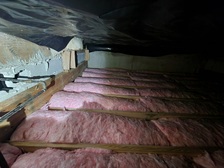 Attic & Crawlspace Experts, LLC
Karen and her team were very responsive. They offered the better of two prices I received to remove blown in insulation from my attic so that my electricians could proceed with removing knob and tube and rewiring. They protected my home while removing my old insulation and worked a very long...
 Puget Partners Insulation, LLC
The crew was totally professional, efficient, laid down plastic before and cleaned everything up after. Insulation was placed just as we wanted. The price was very fair. Would definitely use them again and recommend them to others. Mary C., Arlington, TX
Had them do a blow in insulation in my walls. Great quote. Came out a couple days later. Arrived right on time. Got the job done and handled a few small problems quickly and without complaint. Cleaned up after themselves. We noticed how quiet our house was immediately. I would highly recommend.
 Cube Insulation, LLC
From average costs to expert advice, get all the answers you need to get your job done.
Insulating your attic can massively improve your home’s efficiency and reduce electric bills. Use this guide to find out what attic insulation will cost you in Seattle, WA.
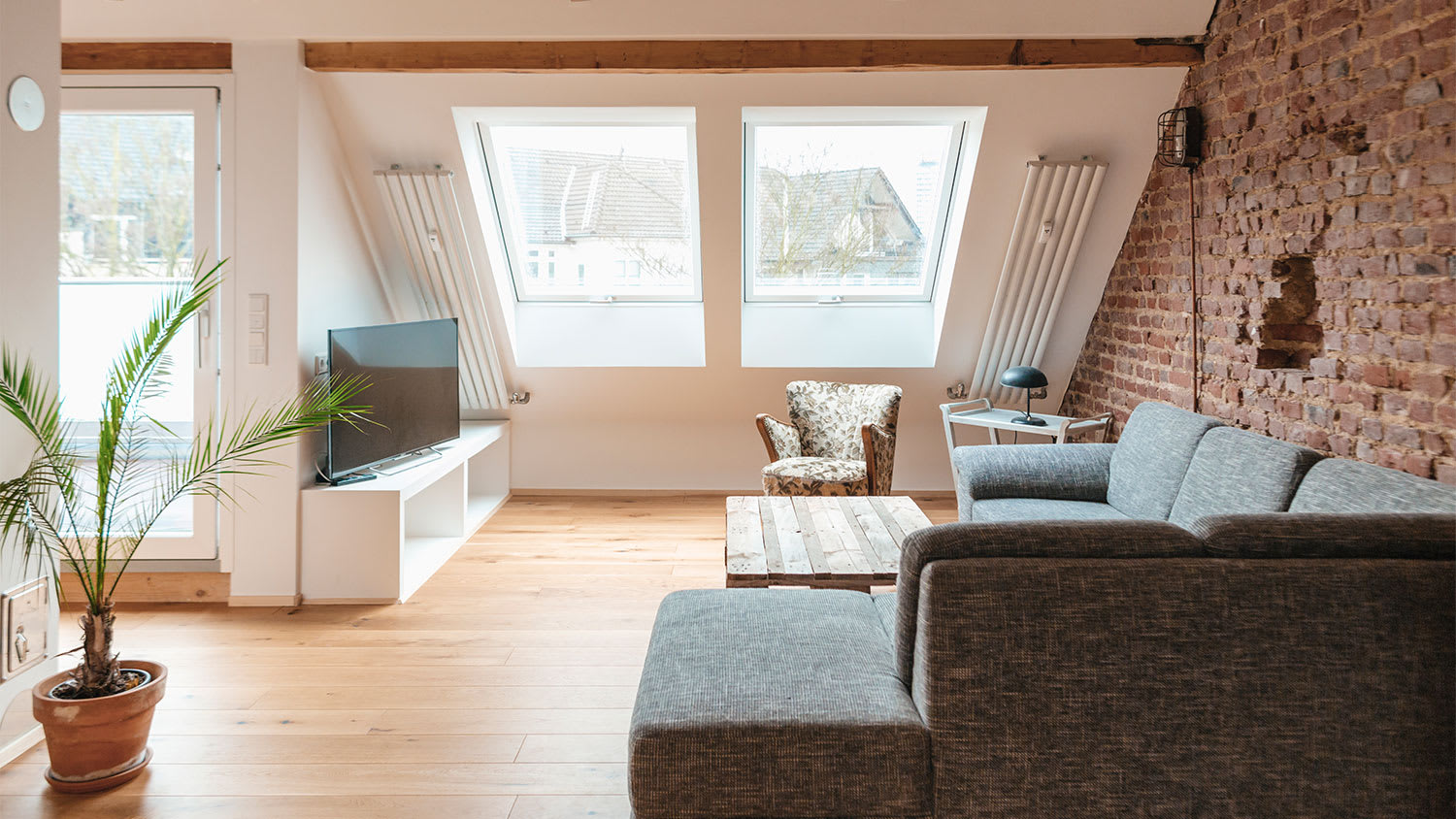
Finishing an attic can make a great addition to your home. This guide breaks down the cost to finish an attic in Seattle, WA including labor, materials, and more.

Find out the average attic or whole house fan installation cost in Seattle, WA. Learn what you can expect to pay for local ventilation services.

Remove blown-in insulation from your attic safely and efficiently by following this step-by-step guide and prep for your attic remodeling project.
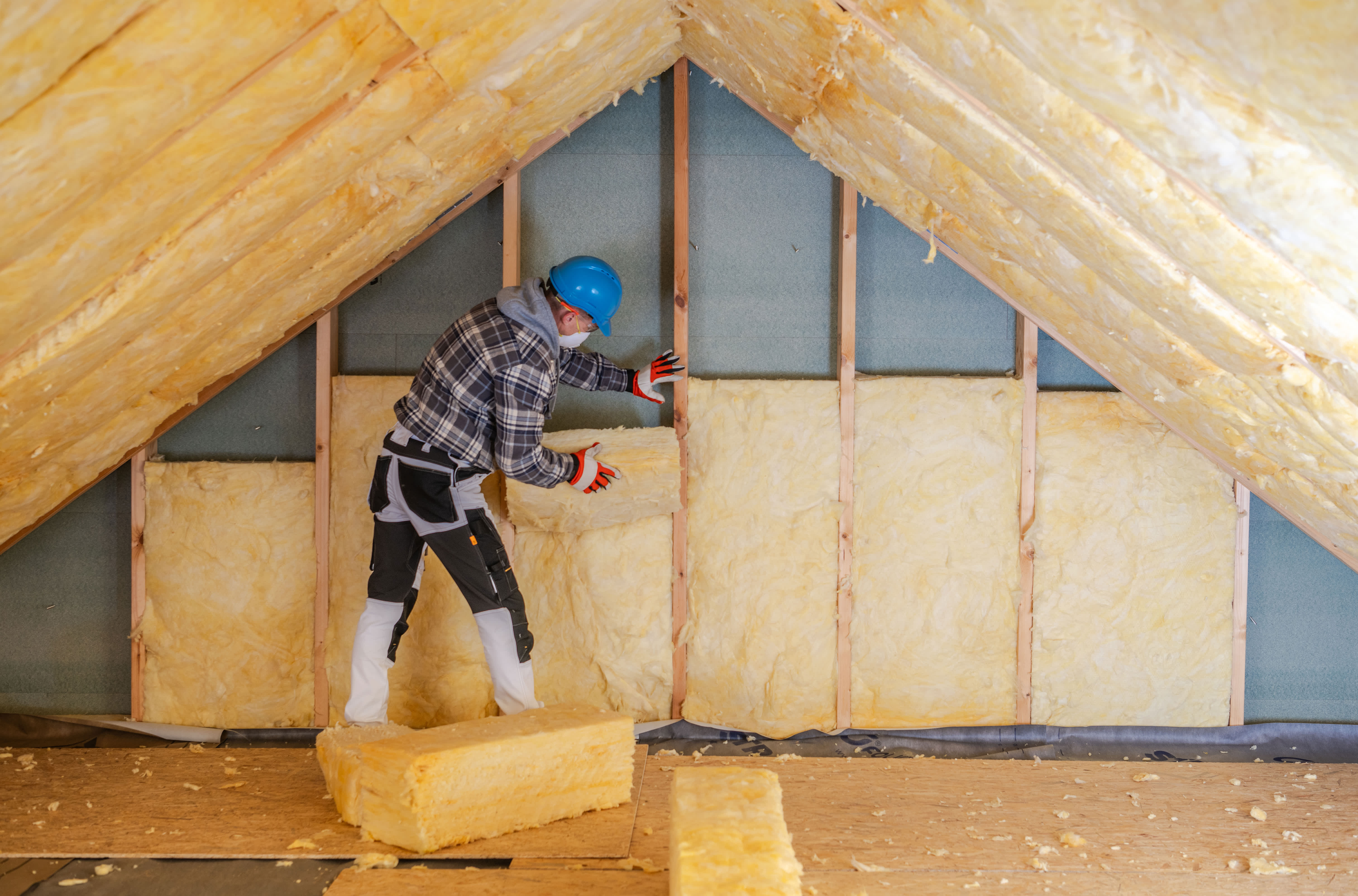
Use this guide to learn how to hire an attic insulation pro, how insulation work is priced, and how to make sure your project goes smoothly.
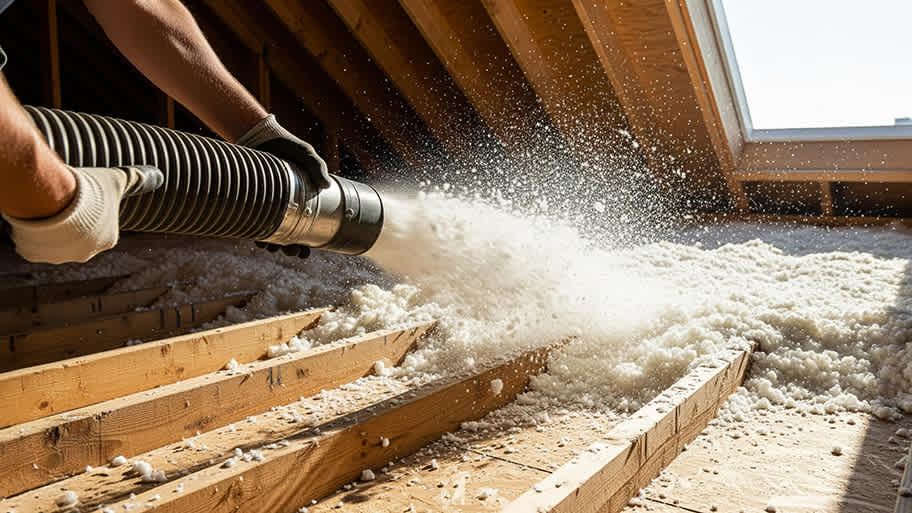
The cost of blown-in insulation in Seattle, WA varies depending on the type of insulation, labor, prep work, and more. Learn more about the cost factors in this guide.