
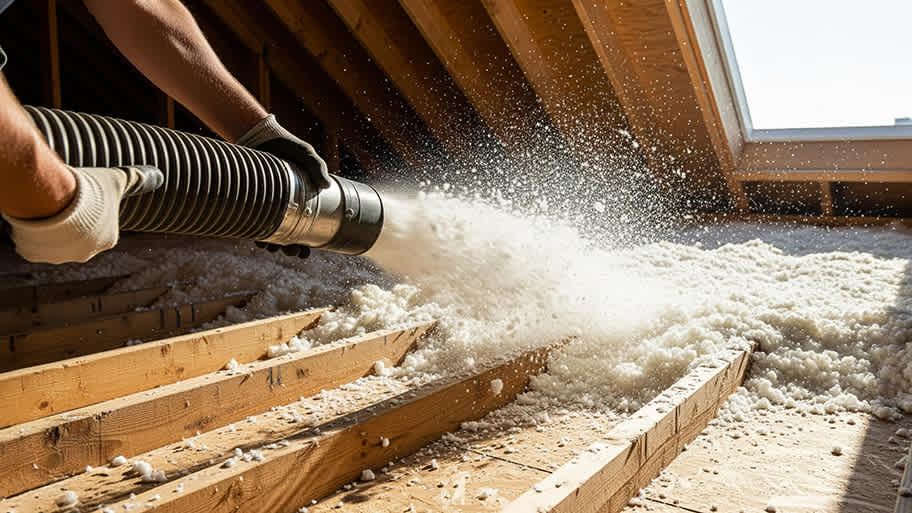
The cost of blown-in insulation in Seattle, WA varies depending on the type of insulation, labor, prep work, and more. Learn more about the cost factors in this guide.
Insulation service costs depend on your project and location. Check with a local pro for your specific job.

Insulation installation in Seattle costs $1.50 to $6 per square foot.
Fiberglass insulation is the most affordable material at $1.30 to $2.50 per square foot.
Hiring a Seattle insulation installer costs $95 to $175 per hour.
Installing insulation can yield a 100% return on investment (ROI) or higher.
Average insulation installation costs in Seattle, Washington, range from $1,334 to $3,348, with most homeowners spending around $2,336. Seattle’s cost of living sits more than 40% above the national average, so both insulation materials and installation labor are more expensive here than in other parts of the U.S.
With the city’s cold, wet winters, heating needs are greater, and proper insulation is essential. The main factors affecting the cost of installing new insulation in Seattle are the area size, the type of insulation you choose, the installation location, and local labor.
How much you’ll spend on installing insulation in Seattle, Washington, depends on a variety of factors, including area size, insulation type, materials, location in the home, and labor. Here’s a closer look at what insulation is and how your costs break down.
You can expect to pay $1.50 to $6 per square foot for insulation installation in Seattle, making the size of the area you need to be insulated a significant factor in your total cost. Your total price will be directly correlated to the cost of the material you choose and the size of the area you need to be insulated.
The table below includes some average pricing based on the room size you’re looking to insulate.
| Square Footage | Average Cost |
|---|---|
| 100 | $150–$600 |
| 500 | $750–$3,000 |
| 1,000 | $1,500–$6,000 |
| 2,000 | $3,000–$12,000 |

Your material choice plays a major role in the price of your installation. In Seattle, you can pay anywhere from $0.25 to $7 per square foot for insulation, with fiberglass tending toward the lower end and wood fiber insulation toward the upper end. The table below includes some average pricing for different insulation materials.
| Material | Cost per Sq. Ft. |
|---|---|
| Cellulose | $1.50–$3 |
| Fiberglass | $1.30–$2.50 |
| Polystyrene | $2–$4.50 |
| Mineral wool | $2–$4 |
| Wood fiber | $5–$8 |
The type of insulation you choose for your home depends on your budget and project scope, particularly where you plan to install it, as some types perform better in certain locations than others. When evaluating types, such as blown-in versus spray foam, consider the costs and pros and cons below, keeping Seattle’s wet, cold winters in mind.
| Type of Insulation | Average Cost Per Sq. Ft. | Pros | Cons |
|---|---|---|---|
| Spray foam | $1.50–$3 | Excellent air sealing and high R-value (efficiency); moisture control | Most expensive; requires pro installation; can be messy & harder to modify later |
| Blown-in and loose-fill | $1.50–$3.80 | Fills gaps and irregular spaces well; good for attics or existing walls | Settling can occur over time; less air sealing than spray foam |
| Batt and roll | $1.10–$2.50 | Generally lower cost; easy to install in open areas | Can leave gaps if not cut/installed carefully; lower air-seal performance |
| Foam board | $2–$4.50 | Good thermal resistance per thickness; useful for rim joists and exterior walls | Can be awkward to fit around irregular framing; more labor-intensive |
| Radiant barrier | $0.75–$2.50 | Reflects heat (good in hot climates/attics); can reduce peak cooling load | Must be used with other insulation types; no R-value |
Where you install the insulation can affect the price, with garages having the lowest cost per square foot and attic and wall insulation costs being the highest. Here’s a breakdown of how much it costs to insulate each location in your home.
| Location | Average Cost per Sq. Ft. |
|---|---|
| Attic | $1–$4.5 |
| Basement | $1.80–$3.50 |
| Garage | $0.70–$2 |
| Roof | $0.80–$2.50 |
| Wall | $1.50–$5 |
| Ceiling | $1–$3 |
Site prep can add to the cost of your project, but just how much you’ll spend depends greatly on the lengths you need to take to prepare the site. Seattle homeowners can spend as much as $800 for the cost to repair drywall after installing insulation.
Spray foam, in particular, requires extra prep work for proper installation, whereas batt insulation generally goes in with little preparation. Site prep consists of the following:
Cover all valuables, windows, doors, and important surfaces for spray foam installations.
Make sure the electrical wiring is properly installed, and your walls are framed and fully enclosed before installing spray foam to avoid overspray.
Repair any structures in your home, including walls, attics, basements, and crawl spaces.
Remove moldy insulation, conduct a mold test, and hire a mold removal company.
Plan for cleanup costs for removing old insulation and debris.
Installing insulation in new construction homes is less expensive than adding it to existing homes, costing around $1 less per square foot. This is because the walls and ceilings are easier to access and install insulation, and you don’t have existing insulation to worry about.
However, many new construction homes use more insulative materials for long-term performance, which tends to be more costly.
A home insulation upgrade costs between $1 and $2 per square foot on average. This doesn’t include disposal fees. Junk removal services add approximately $100 to $450 to your project, depending on the size of the job.
In addition to your insulation materials and prep costs, Seattle homeowners must consider professional-related expenses when planning an insulation installation project. Here are some costs to budget for when hiring a Seattle insulation pro.
Most insulation installers in Seattle charge between $95 and $175 per hour, so the more complex the project, the higher the cost. A few complexities that may increase the cost of labor include:
Your installer needs to install insulation in hard-to-reach areas.
You have multiple installation sites in need of insulation.
The installer needs to remove old insulation.
Correctly installing insulation can be difficult. Health and safety risks are involved; therefore, we highly recommend contacting a pro to ensure the job is completed safely and correctly.

Most insulation installation companies include basic cleanup in their services, but you may wish to hire a professional cleaning company that specializes in construction cleanup. Post-construction cleanup in Seattle costs an average of $0.30 per square foot and ensures your space is free of dust and debris after your insulation is installed.
The sales tax rate in Seattle is around 10.5%, and homeowners here are required to pay tax on their project’s total cost, including both labor and materials.
Along with your insulation installer, you may need to bring additional pros in to finish your project.
Electrician: Bringing in an electrician ensures all wiring is properly installed and is in good condition before you install your insulation, providing peace of mind and reducing the risk of fire. Hiring an electrician costs $50 to $130 per hour.
HVAC technician: An HVAC pro can check and seal all duct connections in the insulated area and make any necessary adjustments to your heating system to ensure optimal performance and energy efficiency. HVAC maintenance costs an average of $250 for a service call.
Proper insulation not only improves your home’s energy efficiency and lowers your heating bills by 15% to 30%, but it can also boost your resale value. In Seattle, you can expect a 100% return on investment (ROI) or higher when installing insulation in your home. Because Seattle has cold, wet winters and higher heating costs, you’ll likely see stronger savings from attic and wall insulation than in milder climates.
In addition, federal rebate programs and tax credits can cover a significant portion of your insulation costs, helping boost your ROI and recouping your costs faster.
When selling your home, today’s home buyers place an increasing importance on energy efficiency, and new insulation is an upgrade with wide appeal. Homeowners should also prioritize their own comfort and the financial savings from installing new insulation, even before their home hits the real estate market.
Home is the most important place on earth, which is why Angi has helped more than 150 million homeowners transform their houses into homes they adore. To help homeowners with their next project, Angi provides readers with the most accurate cost data and upholds strict editorial standards. We survey real Angi customers about their project costs to develop the pricing data you see, so you can make the best decisions for you and your home. We pair this data with research from reputable sources, including the U.S. Bureau of Labor Statistics, academic journals, market studies, and interviews with industry experts—all to ensure our prices reflect real-world projects.
Want to help us improve our cost data? Send us a recent project quote to [email protected]. Quotes and personal information will not be shared publicly.
Lake Atitlan Insulation did an excellent job in my attic. They removed the old insulation, installed a solar attic vent, replaced the bathroom vent duct, and added new blown-in fiberglass insulation. They also installed radiant barrier on all the attic roof rafters. The work was completed...
 Lake Atitlan Insulation LLC
The job was done timely. They went out of their way to make sure everything from replacing the insulation to a thorough rat abatement was done right and explained everything to me. They even installed some bird spikes for me.
 A G INSULATION LLC
We had Insulation Co remove and replace our blow-in attic insulation as a part of a larger electrical project. Both phases of the insulation work went quickly and smoothly. Better yet, Jo from the company was incredibly responsive and kind in his communications with us which is a big bonus...
 Insulation Co., LLC - Removal & Clean Outs
I ordered insulation to do it myself - Victor found me some great prices, arranged a super fast delivery and got me going very quickly. He's super responsive and will chat with you to make sure you have exactly what you need!
 Insulation Pro Services
PNW Insulation did a great job. Sprayed insulation in our walls and rolled insulation in the attic space. They were fast and professional, skilled and easy to communicate with. Would recommend them 100%
 PNW Insulation, LLC
We had mold and rodent mitigation services performed in June 2024, in addition to new attic insulation installed (both batts and cellulose), plus removal of our old insulation. The team (Phillip and Troy) were very responsive, they completed the whole project in one day (even though I was...
 Attic & Crawlspace Experts, LLC
Karen and her team were very responsive. They offered the better of two prices I received to remove blown in insulation from my attic so that my electricians could proceed with removing knob and tube and rewiring. They protected my home while removing my old insulation and worked a very long...
 Puget Partners Insulation, LLC
The crew was totally professional, efficient, laid down plastic before and cleaned everything up after. Insulation was placed just as we wanted. The price was very fair. Would definitely use them again and recommend them to others. Mary C., Arlington, TX
Had them do a blow in insulation in my walls. Great quote. Came out a couple days later. Arrived right on time. Got the job done and handled a few small problems quickly and without complaint. Cleaned up after themselves. We noticed how quiet our house was immediately. I would highly recommend.
 Cube Insulation, LLC
From average costs to expert advice, get all the answers you need to get your job done.
The cost of blown-in insulation in Seattle, WA varies depending on the type of insulation, labor, prep work, and more. Learn more about the cost factors in this guide.
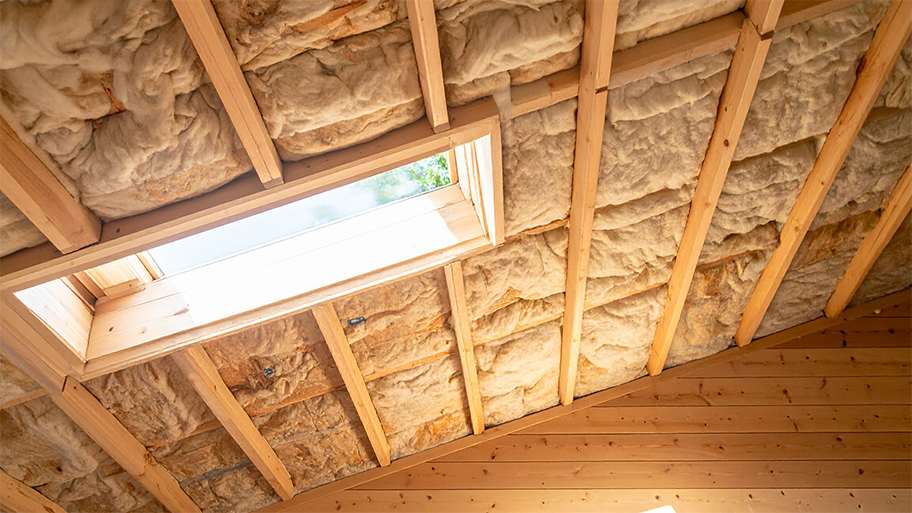
Insulating your attic can massively improve your home’s efficiency and reduce electric bills. Use this guide to find out what attic insulation will cost you in Seattle, WA.
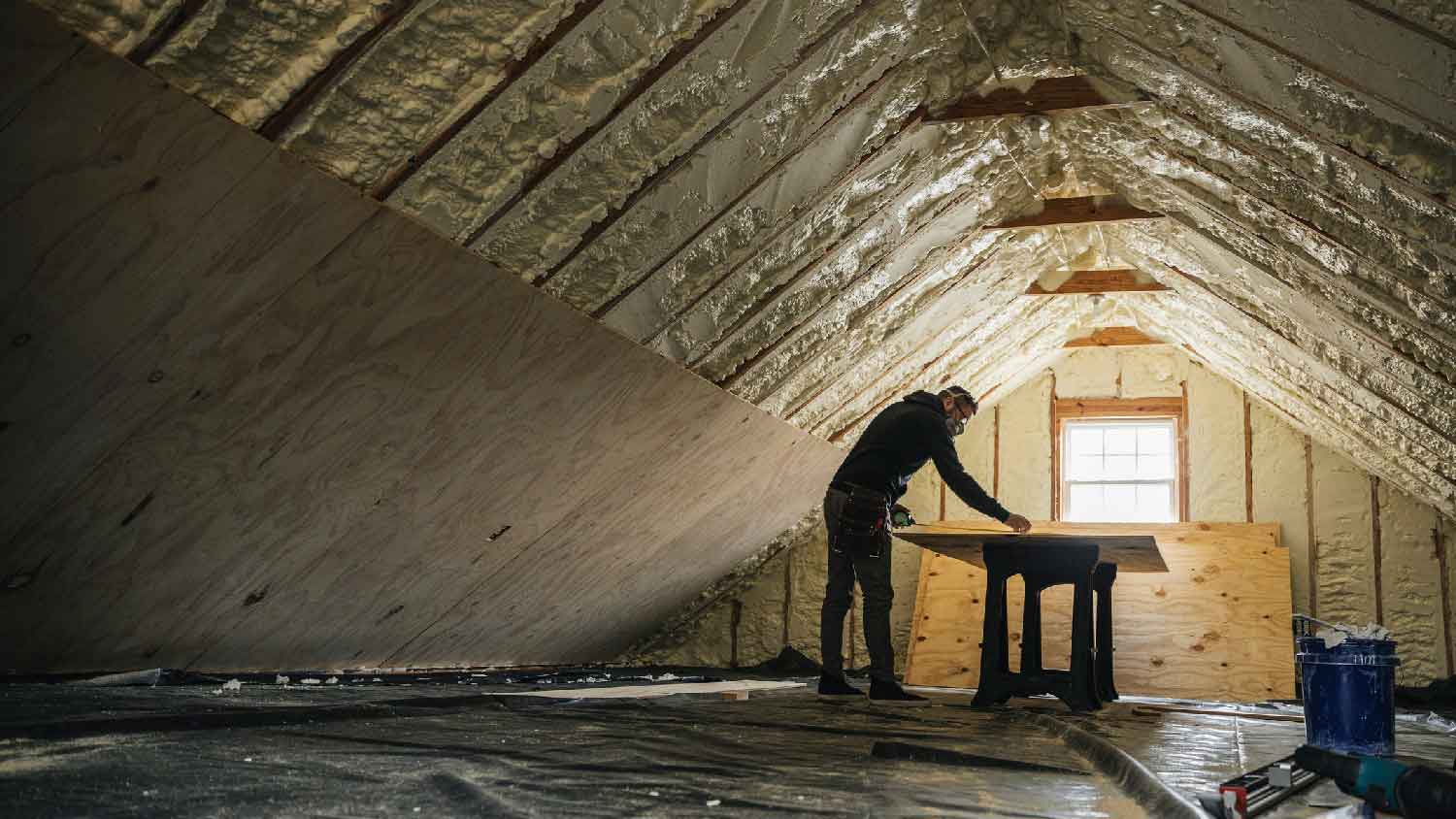
Attic insulation removal costs in Seattle, WA, vary based on multiple factors, including why you're removing it and how easy it is to complete the task.

How much does insulation save on energy bills? It depends on where you live and the type of insulation you install.
The cost of a whole-house surge protector depends on the materials, size, installation, and more. This guide will help you budget for a new surge protector in Seattle, WA.
Finishing an attic can make a great addition to your home. This guide breaks down the cost to finish an attic in Seattle, WA including labor, materials, and more.