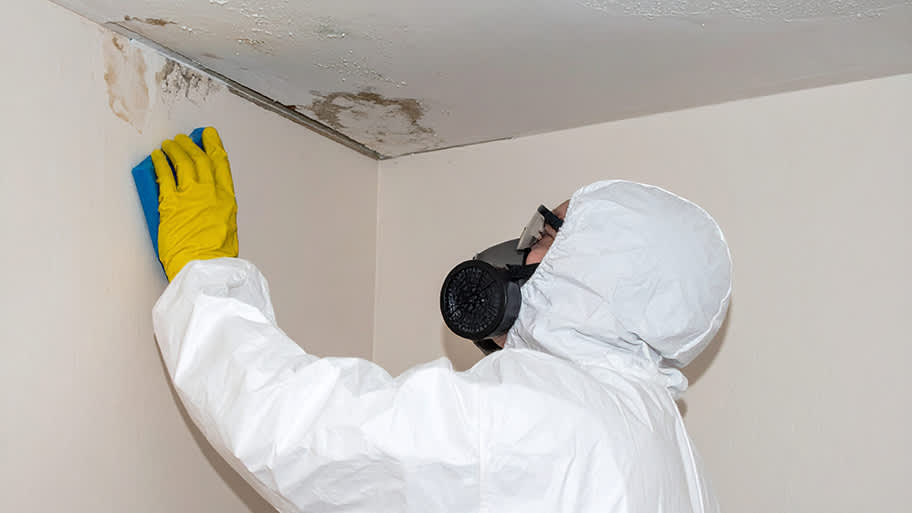


Mold remediation cost can quickly escalate. But if you have mold in your home, the cost for mold remediation is worth it.

*The Angi rating for Biohazard Remediation companies in Node, WY is a rating based on verified reviews from our community of homeowners who have used these pros to meet their Biohazard Remediation needs.
*The HomeAdvisor rating for Biohazard Remediation companies in Node, WY is a rating based on verified reviews from our community of homeowners who have used these pros to meet their Biohazard Remediation needs.
Last update on November 24, 2020
There are several instances where household biohazard cleanup would be needed. All in all, anytime an event can potentially expose people to chemicals, pathogens, or viruses, a biohazard cleanup company must be called. These events can include:
Sewage backup
Unattended death or crime scene after death
Virus decontamination
Medical waste disposal
Animal waste disposal
Odor control
Hazardous chemical removal
The cost of biohazard cleanup averages between $3,000 and $5,000 for most homeowners. Some services, like sanitizing high-traffic areas or sanitizing surfaces from a virus, cost closer to $1,500. However, other circumstances, like the extensive cleanup after a major sewer backup, could cost as much as $25,000.
While a biohazard cleanup sounds like a scary process, knowing what to expect can help ease your concerns and set you up for success. It’s good to note that more than one professional might be needed depending on your situation, but that will be determined during the assessment. What you can expect during a home biohazard cleanup is the following:
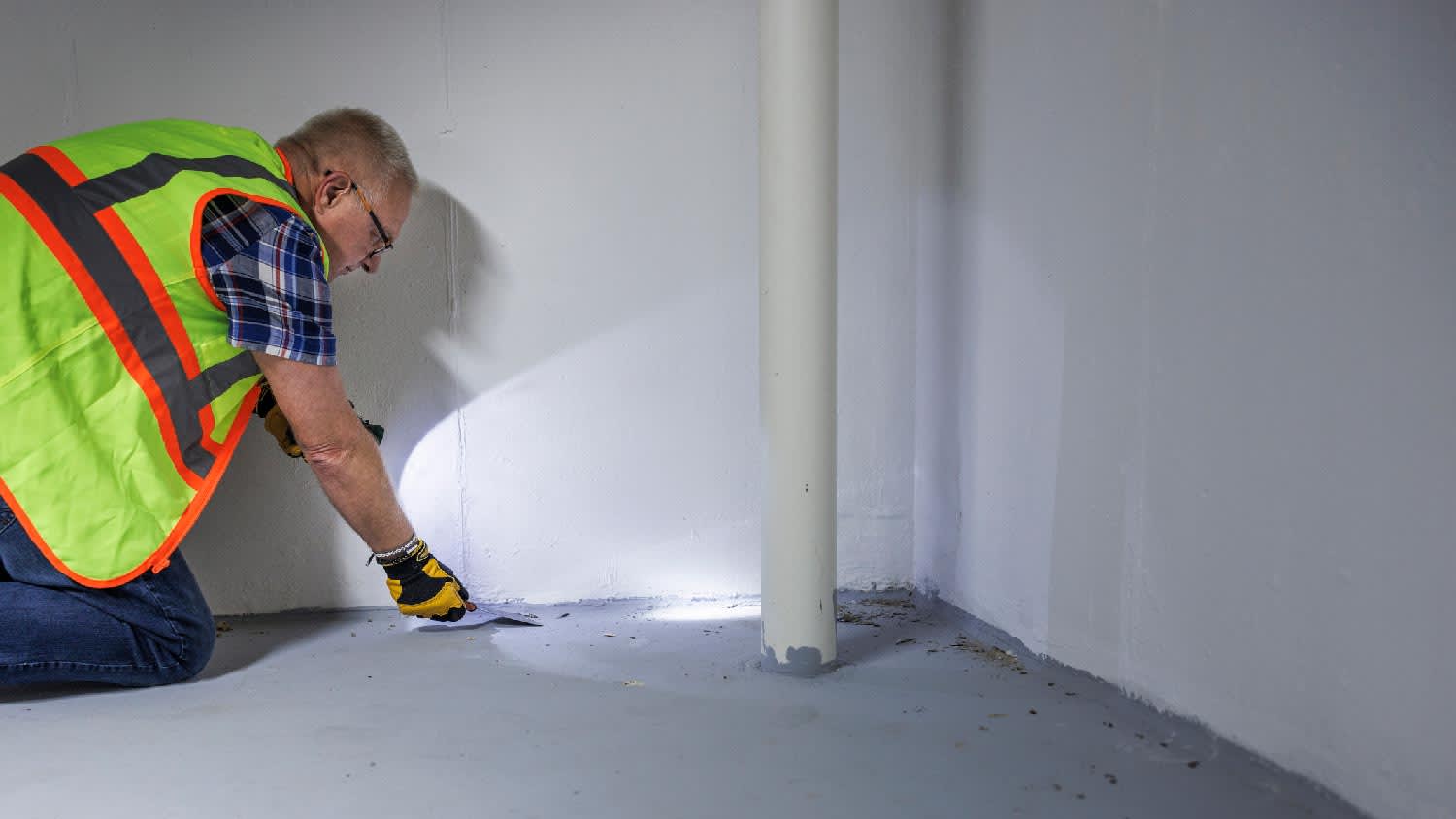
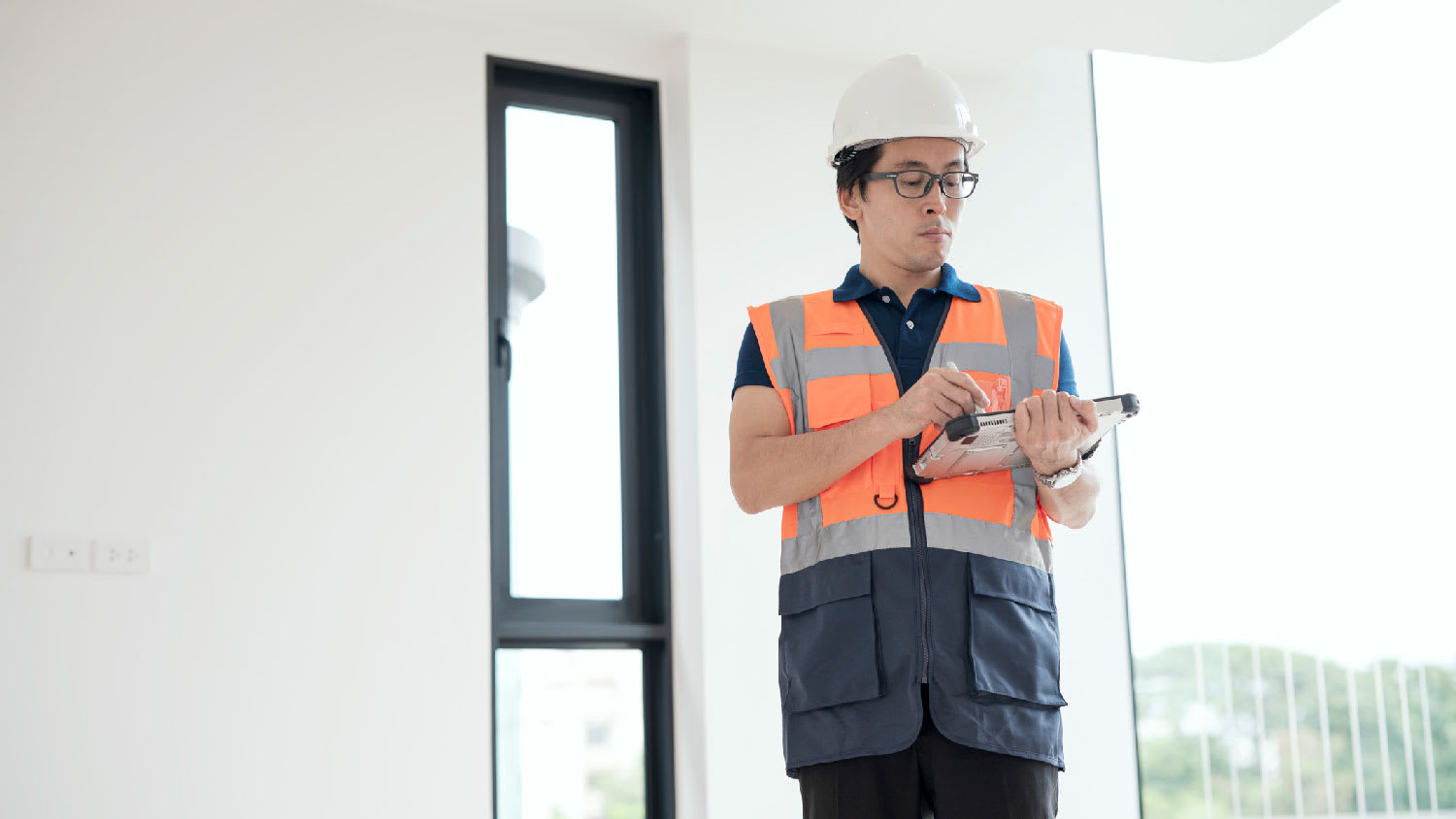
Assessment: The first step in this process is for a biohazard cleanup professional to assess the damage. They create a report that includes the biohazard safety level, the needed damage cleanup, and the time it should take to complete the project.
Setup: The cleanup professional prepares the site to prevent cross-contamination and reduce toxicity risk. This process can include tarping and creating decontamination zones.
Removal of surface contamination: Any contaminated materials are removed from the area, starting with large materials followed by small ones. The professional can assess any floor-related damage once everything is removed from the site.
Salvaging items: The biohazard cleanup professionals assess which items can be saved and which are contaminated beyond the point of saving. Those deemed unsafe will be disposed of immediately.
Waste disposal: The next step is carefully disposing of the hazardous waste. Your professional will place the contaminated items in specific containers to keep the contamination from spreading.
Disinfection: The house will be disinfected and odor-neutralized. Even more minor details, like light switches and bulbs, will be disinfected so that they do not recontaminate the area in the future.
Restoration: Once the decontamination is complete, the last step is to restore the home. This includes repairing the damage to flooring, walls, or even the home's foundation.
Most homeowner’s insurance policies can help cover the cost of biohazard cleanings for specific events. Biohazard events like unattended death, infectious disease, and medical emergency are generally covered, as are flooring and drywall repairs. It’s best to check with your insurance company to see what is specifically covered.
One of the best ways to prepare for a home biohazard cleanup is not to touch anything. Do not remove belongings, even if they are of value or importance, from the area as they are likely contaminated. It’s essential not to use any cleaning products of your own, as the cleaning company will be using chemicals that could interact with your products.
One thing you can do to prepare is take pictures of your space and belongings that need to be cleaned, especially if you plan on filing a claim with your insurance company. In addition, take time to make a list of items that are valuable, sentimental, or otherwise important. The cleanup company must evaluate these belongings to make sure they are safe.
From average costs to expert advice, get all the answers you need to get your job done.

Mold remediation cost can quickly escalate. But if you have mold in your home, the cost for mold remediation is worth it.

The cost of a mold inspection might seem high, but it’s one of the best investments you can make for your health and home. Read on to learn cost-saving tips.

Need to get rid of lingering smoke odors in your home? Learn how much smoke remediation costs to budget accurately for this major undertaking.

Have you recently found mold in your home? Read our complete guide for mold removal to learn which pro can eliminate the foul fungi and steps you can take on your own.

Not sure what your next steps should be after water damage? Learn the difference between water mitigation vs. remediation to make the right choice.

Who pays for mold remediation? Your homeowners’ or property insurance may help you pay some of the cost of removing mold, but it depends on the situation.