
The cost of a radon mitigation system depends mostly on the type of system being installed. Use this guide to learn about your options.
Finding the right radon mitigation specialist protects your home and family from this invisible health hazard

A properly installed radon mitigation system reduces dangerous radon gas by venting it from beneath your home's foundation.
Expect to pay $750 to $1,300 for radon mitigation services, with average costs around $1,000 depending on your foundation type, installation complexity, and diagnostic testing needs.
You should verify contractors hold NRPP or NRSB certifications, confirm liability insurance coverage, and request references with before-and-after radon test results from past projects.
Hiring a local radon remediation professional gives you confident system design, correct installation, and post-mitigation testing that confirms lower indoor radon levels.
This article was created using automation technology and thoroughly fact-checked and edited by an Angi Editor in accordance with our AI policy.
When you need to hire a radon mitigation service for your home, you're looking for a certified professional who specializes in reducing dangerous radon gas levels. These specialists design and install ventilation systems that remove radon from beneath your home's foundation, protecting your family from this invisible threat.
Radon is an odorless, colorless gas that requires specialized equipment and technical knowledge to address properly. Professional installation ensures long-term effectiveness and safety, giving you peace of mind that your home environment is healthy.
Radon mitigation specialists offer comprehensive services to reduce radon levels in residential and commercial properties. Qualified contractors handle everything from initial testing and system design to installation and post-mitigation verification. Some specialists also provide specialized services for waterborne radon reduction and new construction projects.
Diagnostic testing to determine proper system design
Active soil depressurization system installation and setup
Sealing cracks and openings in basement foundations
Post-installation radon level verification and testing
System operation training and homeowner education
Waterborne radon assessment and reduction for wells
Commercial property radon mitigation and system design
New construction radon-resistant system installation
Ongoing system maintenance and monitoring equipment setup
The cost to hire a radon mitigation service averages $1,000, though it often ranges between $750 and $1,300. Depending on factors such as the mitigation method, your location, and the size of your home, you might pay a minimum of $400 and a maximum of $1,775. Active soil depressurization systems represent the most common approach and influence pricing significantly.
Your home's foundation type, the complexity of the installation, and accessibility to work areas all affect the final cost. Some contractors charge separately for diagnostic testing, which helps determine the proper system design and fan size, while others include this in their estimate.
Proper planning before hiring a radon mitigation service protects your investment and ensures the system works effectively for years to come. Taking time to understand your radon problem, research qualified contractors, and prepare key questions helps you make an informed decision and avoid potential issues.
Before contacting contractors, you should confirm your home has elevated radon levels through proper testing. Understanding your home's radon levels, foundation type, and basement layout helps contractors provide accurate quotes.
Radon mitigation specialists need to know specific variables including your home's square footage, whether you have a basement or crawl space, the presence of a sump pump, and any unique structural features. Providing complete information during initial consultations leads to more accurate system design and pricing, ensuring the solution fits your home's specific conditions.
Verifying that radon mitigation contractors hold proper certifications through the National Radon Proficiency Program (NRPP) or National Radon Safety Board (NRSB) protects your family's safety. Checking state licensing requirements is essential, as some states mandate specific credentials for radon professionals.
Confirming liability insurance and workers' compensation coverage protects you from potential accidents or damages during installation. We recommend requesting references from past clients and asking to see before-and-after radon test results from previous projects to verify the contractor's track record of successful mitigation.
Interviewing at least three radon mitigation contractors provides perspective on pricing, approach, and professionalism. Requesting detailed written proposals helps you compare not just cost but also system design, warranty terms, and project timelines. In-person site visits rather than phone or email estimates allow contractors to assess your home's specific conditions accurately. Let's make sure you agree on all key details before work begins.
Down payment schedule structure
Payment structure, such as milestone payments or completion-based terms
Final payment terms and post-testing verification requirements
Timeline for system installation and completion date
Deliverables, including system specifications, warranty documentation, and labeling
Guarantee to reduce radon levels below 4.0 pCi/L
Post-mitigation testing, schedule, and responsibilities
Permit acquisition and building code compliance responsibilities
Asking the right questions during your initial consultation helps you identify qualified, reputable radon mitigation contractors. These questions cover essential topics including certifications, insurance, experience, and project specifics. A professional contractor should answer all questions clearly and provide documentation when requested—hesitation or vague responses are red flags that warrant further investigation.
Are you certified through the National Radon Proficiency Program (NRPP) or National Radon Safety Board (NRSB)?
Do you hold all required state and local licenses for radon mitigation work?
Can you provide proof of current liability insurance and workers' compensation coverage?
Will you provide references and before-and-after radon test results from past projects?
Do you charge separately for diagnostic testing, and is it included in your estimate?
Do you guarantee radon levels will be reduced to below 4.0 pCi/L?
What type of mitigation system do you recommend for my home and why?
Will you handle all necessary permits and ensure compliance with building codes?
What warranty do you provide on the system and its components, and is it transferable?
Do you follow industry consensus standards such as ANSI/AARST SGM-SF-2017?
Hiring a qualified radon mitigation specialist protects your family's health by ensuring radon levels are reduced safely and effectively. Improper installation can actually increase radon levels or create new hazards, leading to additional costs and continued exposure to this carcinogenic gas, so it's wise to work with a local radon remediation pro who follows current standards and can design a solution tailored to your home. Choosing the right contractor provides peace of mind that your home is safe from radon exposure.
Once the mitigation system installation is complete, verify the system is operating properly by checking the manometer and airflow indicators with your contractor. You'll receive a radon test kit to measure levels after the system has run for 24 hours, and you should complete this post-mitigation test within 30 days to confirm effectiveness. If you're satisfied with the work, consider leaving an online review or agreeing to serve as a reference, and schedule biennial retesting to ensure continued system effectiveness.
Positive experience. As previously stated, the replacement/repair could not be completed (no fault of the plumbing tech) b/c misinformation was rec?d by property management maintenance. Thanks to the plumbing tech for your efforts. Appreciate you!
 The Waterworks
Carpet repair done well. Scheduling was easy. Showed up on time.
 BR Flooring Installation
As usual with ECO, tech Jordan was outstanding, very professional, very knowledgeable, and very thorough with repairs made to tankless water heaters. Very highly recommend ECO!!!
 Eco Plumbers, Electricians, and HVAC Technicians
I would recommend this company to anyone! He showed up on time, was friendly, completed a very difficult repair on our dryer vent cover, was responsive, and pricing was extremely fair and competitive. I would have him back to do any of our repairs or cleanings without hesitation!
 U.S.A. Dryer Vent, LLC
Best cleaning I've had at my property
This company went above and beyond with their work, chimney sweeps are usually pretty messy, but the clean up was spot on.!! Josh explained every thing that he was doing, and the things that he was checking to make sure the chimney was safe for me and my family. He was very professional,...
 Supreme brick & chimney
Custom Paint Jobs LLC brought life back to my old furniture. Highly recommended for their restoration work!
 Custom Paint Jobs, LLC
On time, clean and finished fast. Windows seem sturdy and the finish is good. Caulking was done with no smudges. Would recommend.
 Window Depot USA of Central Ohio
I definitely recommend Ramonaâ s cleaning service! I have booked services with her many times and she arrives on time, ready to work and provides a great service.
 Your Cleaning Solutions LLC
The guys did an outstanding job and we had a great experience with CarifaTile. I appreciated that Joe reviewed the quotes with me and set expectations prior to the install. The crews showed up as scheduled and always left the areas clean upon leaving the house. We will definitely use...
 CarifaTile
From average costs to expert advice, get all the answers you need to get your job done.
The cost of a radon mitigation system depends mostly on the type of system being installed. Use this guide to learn about your options.

Get clear answers on how much radon remediation costs, including average prices, key cost factors, and tips to save money on your home’s radon mitigation.

Find out what impacts radon testing costs, including average prices for DIY kits and professional services, so you can protect your home and budget confidently.

Radon is a gas that you can't see or smell and is harmful to your health. If your home has radon, you need to know who installs radon mitigation systems.

Can a homeowner install a radon mitigation system? While some parts of the project are fine for DIY, you should leave the meat of the task to a licensed professional.
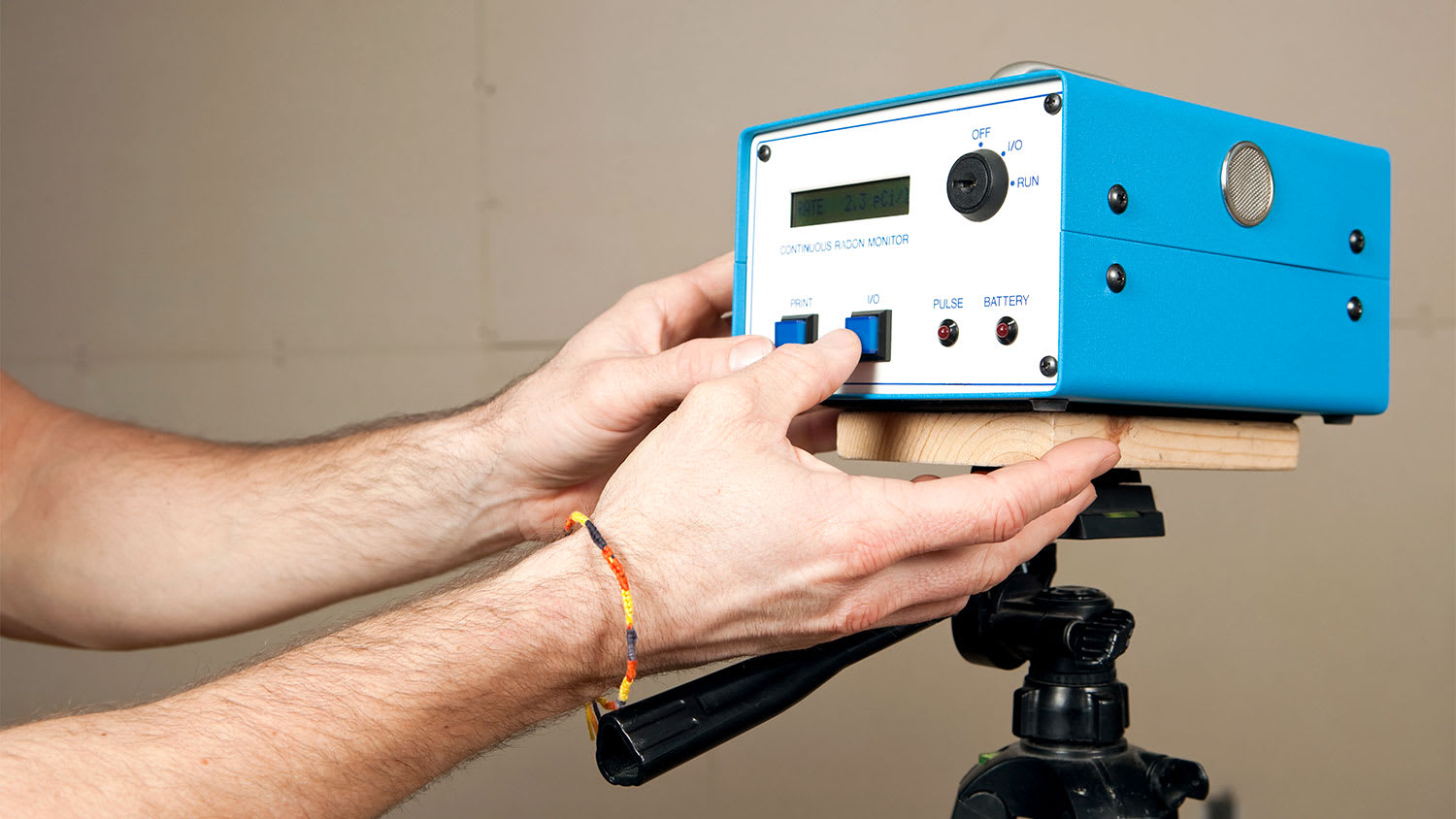
Learn how to hire a qualified radon testing pro for your home. Find certified professionals, understand costs, and get expert tips to protect your family.