
Top-rated radon detection and reduction specialists.

Get matched with top radon detection and reduction specialists in Logan, WV

Enter your zip and get matched with up to 5 pros

Need a pro for your radon detection and reduction project in Logan, WV?

Select your specific project to find the pro for you.

Find Radon detection and reduction specialists in Logan

Avatar for SWAT Environmental, Inc.
SWAT Environmental, Inc.
5.0(
2
)
Radon Gas - Abatement

Serving Logan, WV and surrounding areas

In business since 1988

Free estimates

Credit card accepted

SWAT Environmental has keeping homeowners safe from Radon Gas since 1988. We are the nation's largest Radon Mitigation company but we are local operated and give each customer personal, high class service! Installing over 150,000 mitigation systems, SWAT is the industry leader in Radon Awareness and Mitigation. Call us today to schedule your radon mitigation system installation for less than the cost of most major home appliances!

Response time12 hrs
Recommended by100%of homeowners
Radon Detection and Reduction questions, answered by experts

The average radon mitigation system uses about 876 kWh of electricity per year, although the exact amount of electricity used will vary depending on the size of the radon fan. Once the system is installed, the annual increase to your energy bill could range from $30 to $300 per year, again depending on the size of the fan.

Ideally, no one will live in a house with elevated radon levels, as prolonged exposure increases the risk of serious health issues like lung cancer. However, homes with radon can be made safe through mitigation systems, such as active soil depressurization. Testing for radon regularly and addressing high levels helps ensure a safe living environment.

The soil beneath your house is most likely what’s causing an increased level of radon. This is because soil holds radioactivity for a long time and it’s also what most buildings are built on. Another common source of radon is water from a source that hasn’t been through periodic radon tests, such as well water. Over time, the radon from the soil can inhabit other parts of your house like the foundation or plumbing.

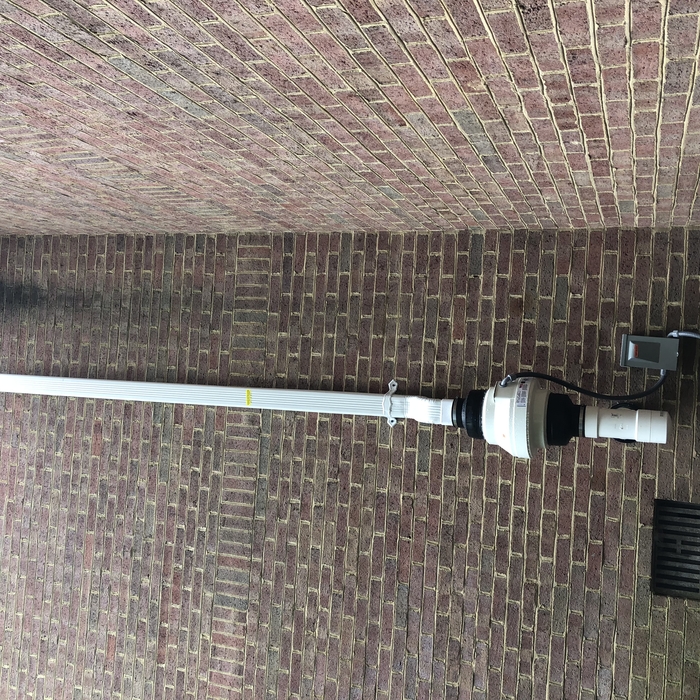
Your radon mitigation system may be loud because it’s time to replace it. Any sounds are usually from the inline fan that helps create the vacuum and resulting airflow. If you hear a new, loud mechanical or humming noise from your radon fan, it might be time to replace it. Most fans used in radon mitigation systems last up to 10 years, but may need to be replaced sooner.

Your radon fan needs to operate 24/7 to be effective. The only time the fan isn't operating is during its replacement. Radon levels in the home can increase within hours if the fan stops working or something obstructs the stack vent. Fortunately, radon systems require no downtime maintenance between fan changes.

The Logan, WV homeowners’ guide to radon detection and reduction services

From average costs to expert advice, get all the answers you need to get your job done.