
Top-rated radon detection and reduction specialists.

Best radon detection and reduction specialists near Chapmanville, WV

Enter your zip and get matched with up to 5 pros

Need a pro for your radon detection and reduction project in Chapmanville, WV?

Select your specific project to find the pro for you.

Top-Rated Radon detection and reduction specialists in Chapmanville - Updated Nov 2026

Avatar for SWAT Environmental, Inc.
SWAT Environmental, Inc.
5.0(
2
)
Radon Gas - Abatement

Serving Chapmanville, WV and surrounding areas

In business since 1988

Free estimates

Credit card accepted

SWAT Environmental has keeping homeowners safe from Radon Gas since 1988. We are the nation's largest Radon Mitigation company but we are local operated and give each customer personal, high class service! Installing over 150,000 mitigation systems, SWAT is the industry leader in Radon Awareness and Mitigation. Call us today to schedule your radon mitigation system installation for less than the cost of most major home appliances!

Response time12 hrs
Recommended by100%of homeowners
Radon Detection and Reduction FAQs, answered by experts

Testing every 2-5 years or upon adjusting occupancy or structural changes maintains safe environments.

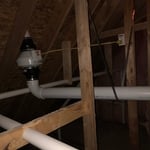
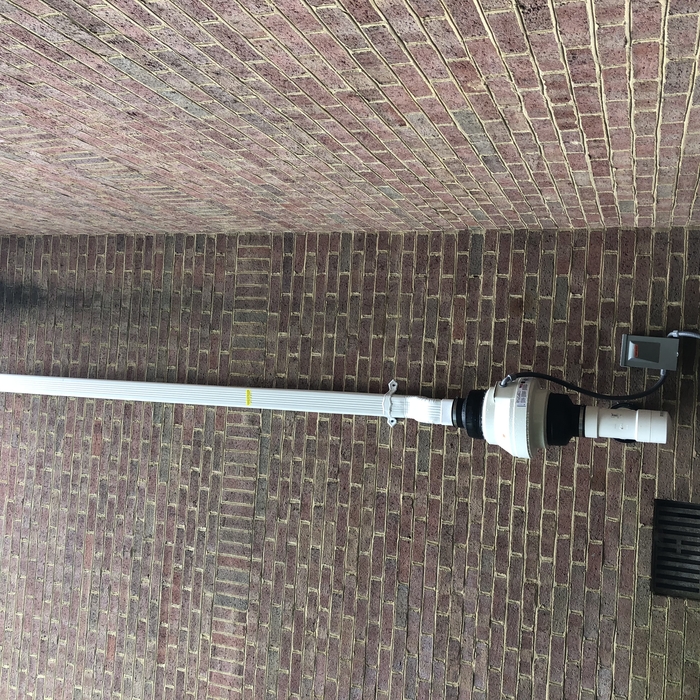
Your radon mitigation system may be loud because it’s time to replace it. Any sounds are usually from the inline fan that helps create the vacuum and resulting airflow. If you hear a new, loud mechanical or humming noise from your radon fan, it might be time to replace it. Most fans used in radon mitigation systems last up to 10 years, but may need to be replaced sooner.

There are steps you can take as a homeowner to remediate radon yourself. While a radon reduction professional can make the biggest impact in your home, you can make efforts to improve radon levels on your own by sealing cracks, increasing ventilation, and testing for radon regularly.

You'll need to test your home for radon after installing the mitigation system, then again every two years. If radon remains elevated, contact a licensed radon professional, either the contractor who installed the system or a different one, and have them evaluate the system. They may need to make some changes to improve its effectiveness and performance.

No level of radon is technically safe, but since it is naturally present everywhere, it is impossible to avoid entirely. The average radon level in homes across the United States is 1.3 picocuries per liter (pCi/L). The Environmental Protection Agency (EPA) recommends taking action to reduce radon levels if your home's test results are between 2 and 4 pCi/L or higher.

The Chapmanville, WV homeowners’ guide to radon detection and reduction services

From average costs to expert advice, get all the answers you need to get your job done.