
Top-rated lead testing and removal specialists.

Get matched with top lead testing and removal specialists in Waunakee, WI

Enter your zip and get matched with up to 5 pros

Need a pro for your lead testing and removal project in Waunakee, WI?

Select your specific project to find the pro for you.

Find Lead testing and removal specialists in Waunakee

Avatar for Umbrella Environmental
Umbrella Environmental
5.0(
28
)

Serving Waunakee, WI and surrounding areas

Approved

Super Service Award Winner

In business since 2010

Free estimates

Emergency services offered

"Highly recommended. We needed our attic tested for Asbestos before putting new roof and insulation in. Todd returned my call immediately, patiently answered all of my questions and tested the attic next day. This was great, because the roof was going up 3 days later! Luckily there was no asbestos and we could proceed with the work. I’m very grateful for Todd and Umbrella Environmental."
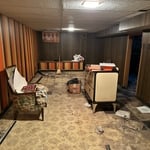
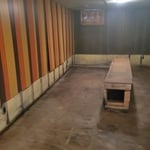
Rec Room - Before.  This is the room before any work was performed.
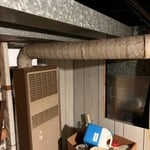
Asbestos containing wrap on ductwork - Before
Rec Room - After.  The asbestos containing floor tile and the asbestos containing mastic was removed from this basement located in Milwaukee, WI.
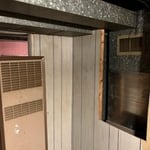
Ductwork with asbestos wrap removed.
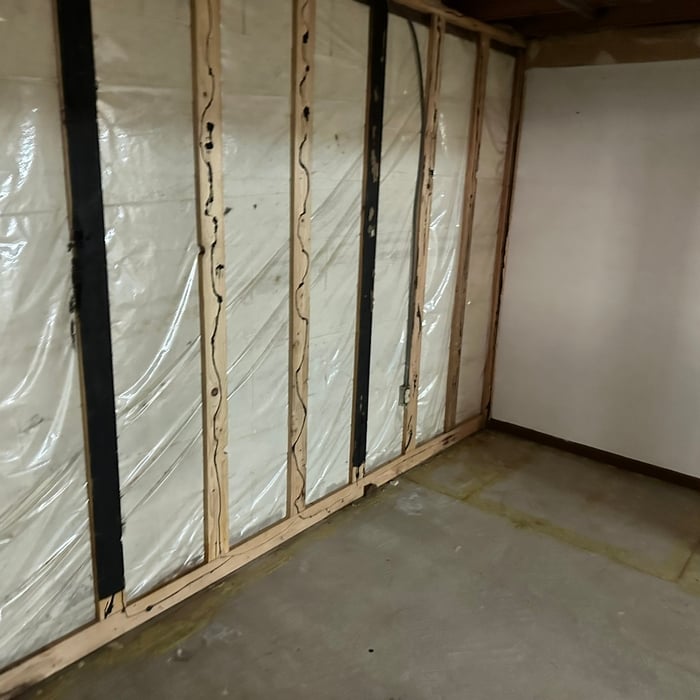
The adhesive used on the wood furring strips contained asbestos and needed to be removed by Umbrella Environmental Services.

+11

Response time1 day
Response rate96%
11 neighbors recently requested a quote

Lead Testing and Removal questions, answered by experts

According to the Environmental Protection Agency (EPA), hazardous waste is generally classified into four main categories:

1. Characteristic Wastes: These exhibit at least one of four hazardous traits: ignitability (flammable, like gasoline), corrosivity (can rust or decompose materials, like car batteries), reactivity (unstable and can explode, like aerosol cans), or toxicity (harmful when ingested, like lead-based paint).

2. Listed Wastes: These are specific wastes from manufacturing and industrial processes that the EPA has officially designated as hazardous. They include byproducts from processes that use solvents, pesticides, and other chemicals.

3. Universal Wastes: These are commonly generated hazardous items that are subject to streamlined regulations. Examples include batteries, pesticides, mercury-containing equipment (e.g., bulbs), and some lamps.

4. Mixed Wastes: This category includes waste that contains both hazardous and radioactive components, making it subject to regulation by both the EPA and the Nuclear Regulatory Commission.

Services test for allergens, mold, VOCs, and carbon monoxide levels to ensure a healthy indoor environment.

Iron sediments from rusty pipes are not likely to cause health problems. While a glass of yellow-hued water is off-putting, it is generally safe to drink yellow water in the short term. But you certainly want to address this problem. In the meantime, switching to bottled water until the yellow water issue is resolved is a good idea. 

A lead paint inspection is a thorough examination and assessment of a building or structure to determine the presence of lead-based paint. Lead-based paint was commonly used in buildings before 1978 when its health hazards were fully understood. Lead is toxic and can pose health risks, particularly to young children and pregnant women. Getting a lead paint inspection means finding a lead paint inspector to examine the surfaces of the building—such as walls, ceilings, doors, windows, and other painted areas—and identify the presence of lead-based paint.

According to the EPA, there is no safe level of lead in the blood, and so the maximum contaminant level goal (MCLG) for lead in water is zero. Even at low levels, lead is harmful to human health. It can also remain in the body and build up over time with repeated exposure.

The Waunakee, WI homeowners’ guide to lead testing and removal services

From average costs to expert advice, get all the answers you need to get your job done.