



Top-rated lead testing and removal specialists.

Best lead testing and removal specialists near Black Earth, WI

Enter your zip and get matched with up to 5 pros

Need a pro for your lead testing and removal project in Black Earth, WI?

Select your specific project to find the pro for you.

Top-Rated Lead testing and removal specialists in Black Earth - Updated Nov 2026

Avatar for Umbrella Environmental
Umbrella Environmental
5.0(
28
)
Toxic Lead - Abatement

Serving Black Earth, WI and surrounding areas

Approved

Super Service Award Winner

In business since 2010

Free estimates

Emergency services offered

"Highly recommended. We needed our attic tested for Asbestos before putting new roof and insulation in. Todd returned my call immediately, patiently answered all of my questions and tested the attic next day. This was great, because the roof was going up 3 days later! Luckily there was no asbestos and we could proceed with the work. I’m very grateful for Todd and Umbrella Environmental."
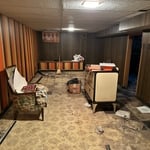
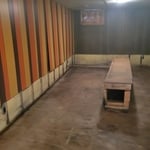
Rec Room - Before.  This is the room before any work was performed.
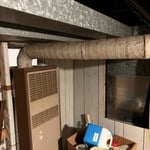
Asbestos containing wrap on ductwork - Before
Rec Room - After.  The asbestos containing floor tile and the asbestos containing mastic was removed from this basement located in Milwaukee, WI.
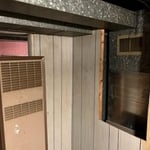
Ductwork with asbestos wrap removed.
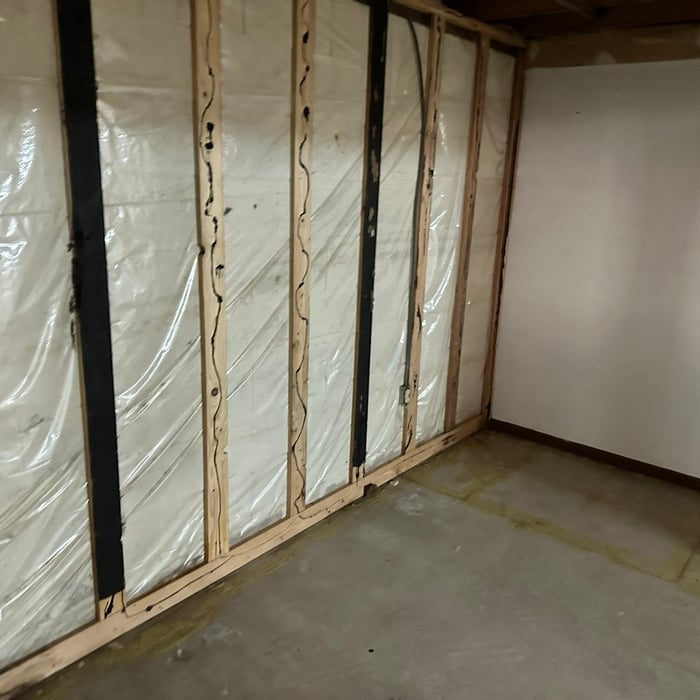
The adhesive used on the wood furring strips contained asbestos and needed to be removed by Umbrella Environmental Services.

+11

Response time1 day
Response rate100%
11 neighbors recently requested a quote
Lead Testing and Removal FAQs, answered by experts

Properties should be tested for lead every 2-3 years, especially if they are older, have undergone renovations, or show deterioration of paint or interior finishes.

You can paint over lead paint, or “encapsulate” it with a special paint that includes an ingredient called an encapsulant. The EPA approves encapsulation as a lead paint removal method as long as the paint remains undisturbed. Standard types of paint without an “encapsulant” from the big box stores or hardware stores do not meet EPA standards for remediation of lead-based paint.

According to the Environmental Protection Agency (EPA), hazardous waste is generally classified into four main categories:

1. Characteristic Wastes: These exhibit at least one of four hazardous traits: ignitability (flammable, like gasoline), corrosivity (can rust or decompose materials, like car batteries), reactivity (unstable and can explode, like aerosol cans), or toxicity (harmful when ingested, like lead-based paint).

2. Listed Wastes: These are specific wastes from manufacturing and industrial processes that the EPA has officially designated as hazardous. They include byproducts from processes that use solvents, pesticides, and other chemicals.

3. Universal Wastes: These are commonly generated hazardous items that are subject to streamlined regulations. Examples include batteries, pesticides, mercury-containing equipment (e.g., bulbs), and some lamps.

4. Mixed Wastes: This category includes waste that contains both hazardous and radioactive components, making it subject to regulation by both the EPA and the Nuclear Regulatory Commission.

Lead testing prior to purchasing a property ensures that the new owners are informed about potential hazards, prevents health risks associated with lead poisoning, and facilitates timely remediation.

Lead removal is crucial in older homes to eliminate risks of lead poisoning, which can severely affect health, particularly in children, by impacting development and cognitive functions.

The Black Earth, WI homeowners’ guide to lead testing and removal services

From average costs to expert advice, get all the answers you need to get your job done.