




Top-rated retaining wall installation pros.

Get matched with top retaining wall installation pros in Superior, WI

Enter your zip and get matched with up to 5 pros

Need a pro for your retaining wall installation project in Superior, WI?

Select your specific project to find the pro for you.

TRUSTED BY SUPERIOR, WI HOMEOWNERS

  • Average homeowner rating star icon4.6
    Average homeowner rating
  • Verified reviews icon40
    Verified retaining wall installation services reviews

Find Retaining wall installation pros in Superior

Avatar for downs landscaping
downs landscaping
New to Angi
Retaining Wall - Install

Serving Superior, WI and surrounding areas

Free estimates

Emergency services offered

Credit card accepted

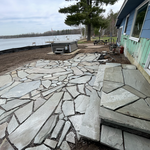
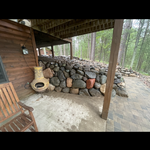
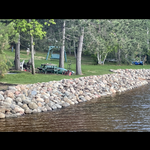
We are a small family owned landscape company who specializes in pavers, flagstone, retaining walls, shoreline restoration's, creating lake access and many other services. With years of experience in all things outdoors, leave your projects in the hands of a trusted experienced landscape company!

Additional Photos
Additional Photos
Additional Photos
Retaining Wall Installers questions, answered by experts

Generally, a railroad tie retaining wall consisting of a single line of ties should be between 3 and 4 feet tall—and the height often tops out at around 6 feet. You can go taller, but you may need additional footings and reinforcements, including a second layer of railroad ties to support the added weight of the soil it’s holding back.

Each design is different, so we can’t say definitively if you’ll need a dedicated drainage system in place for a two-foot retaining wall. However, you can likely skip the drainage, as this project is typically served for walls that are 4 feet tall or more. Even with a relatively low wall, consider drainage if you are building on top of clay or poor-draining soil types or if there are buried water sources nearby, like a well used for other outdoor garden projects.

Sand and gravel are two suitable options for filling behind a retaining wall. If you’re building your own retaining wall, you’ll complete this part of the process—known as backfilling—after you finish laying the blocks. Make sure not to skip it—otherwise, you could wind up with drainage issues, which can cause your retaining wall to collapse.

Even if you think you know how to build a retaining wall theoretically, doing the actual work is a completely different story. There are lots of nuances in building retaining walls, and the slightest oversight can compromise their integrity. Therefore, we recommend you hire a pro to build, repair, or replace retaining walls.

Most railroad tie retaining walls have a life span of 20 to 30 years, though you may need to replace your wall sooner if it’s repeatedly exposed to heavy rain, runoff, and excess moisture. Railroad ties are typically treated with creosote, which makes them much more durable than untreated wood. Though they last longer, they don’t last forever. For the most longevity, make sure your retaining wall has a sturdy base and steel reinforcements. You should also install drainage to direct water away from the wall.

The Superior, WI homeowners’ guide to retaining wall installation services

From average costs to expert advice, get all the answers you need to get your job done.