







Andy's Off-Grid
Retaining Wall - Install
Serving Drummond, WI and surrounding areas
In business since 2020
Free estimates
Emergency services offered
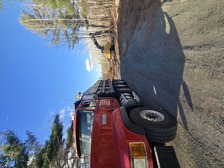
"Great job keeping our driveway plowed all winter."
+18
Recommended by75%of homeowners
*The Angi rating for Retaining Wall Installation companies in Drummond, WI is a rating based on verified reviews from our community of homeowners who have used these pros to meet their Retaining Wall Installation needs.
*The HomeAdvisor rating for Retaining Wall Installation companies in Drummond, WI is a rating based on verified reviews from our community of homeowners who have used these pros to meet their Retaining Wall Installation needs.
Last update on January 30, 2024
Serving Drummond, WI and surrounding areas
In business since 2020
Free estimates
Emergency services offered
"Great job keeping our driveway plowed all winter."
+18

Serving Drummond, WI and surrounding areas
In business since 2025
Free estimates
Small jobs welcome
"My building foundation and floor are beautiful. Ryan did a great job. He was very efficient, knowledgeable and easy to work with."


+73

Serving Drummond, WI and surrounding areas
Free estimates
Emergency services offered
Credit card accepted
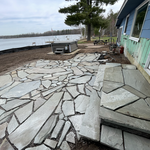
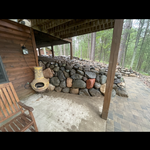
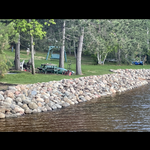
We are a small family owned landscape company who specializes in pavers, flagstone, retaining walls, shoreline restoration's, creating lake access and many other services. With years of experience in all things outdoors, leave your projects in the hands of a trusted experienced landscape company!
Serving Drummond, WI and surrounding areas
In business since 1999
Free estimates
Emergency services offered
With 22 years of experience, you can trust DEI Trucking & Construction for all of your remodeling and home improvement projects. Call us! We welcome questions, and look forward to hearing from you.


+6
From average costs to expert advice, get all the answers you need to get your job done.
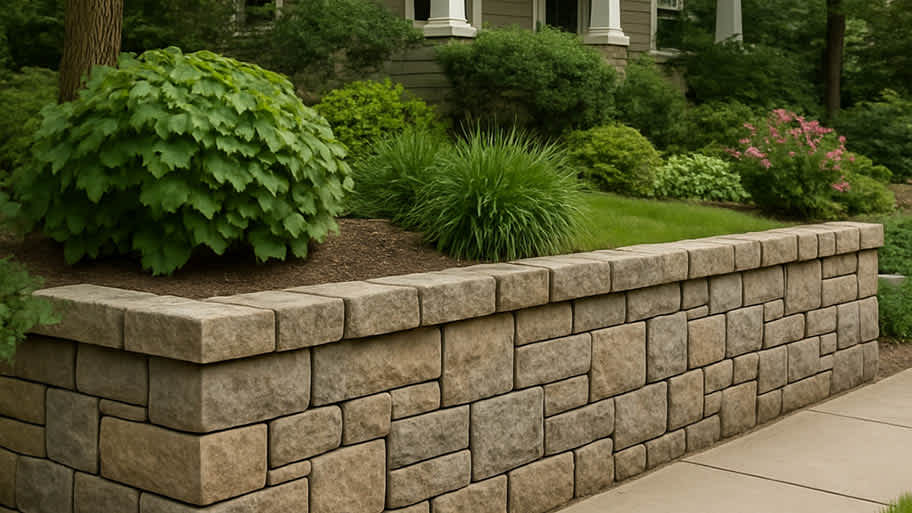
Kick erosion to the curb with an eye-catching retaining wall. Retaining wall costs vary based on the material, but this guide will help you budget.
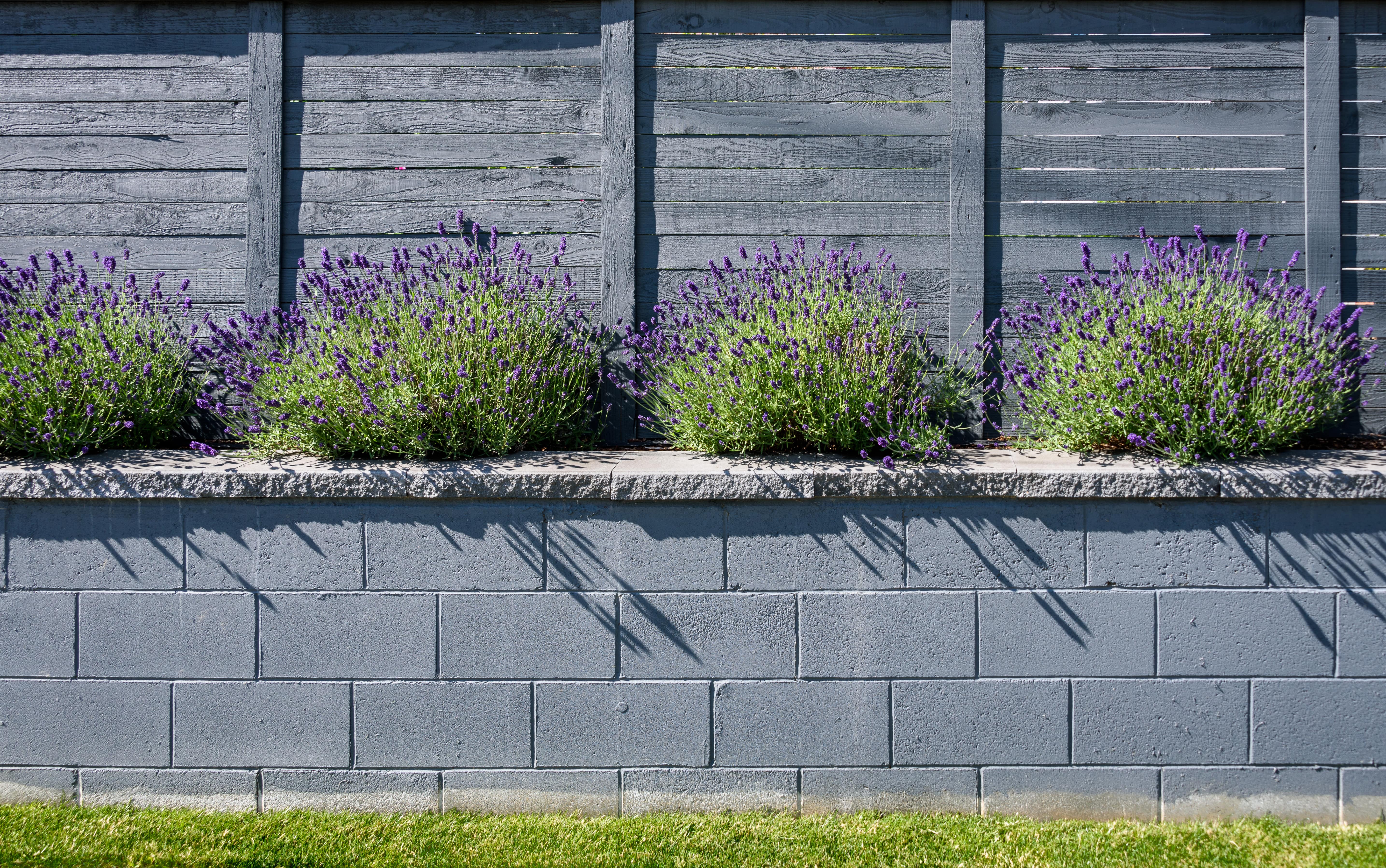
Find out how much a concrete retaining wall costs. Get average prices, cost factors, and expert tips to budget and save on your installation.
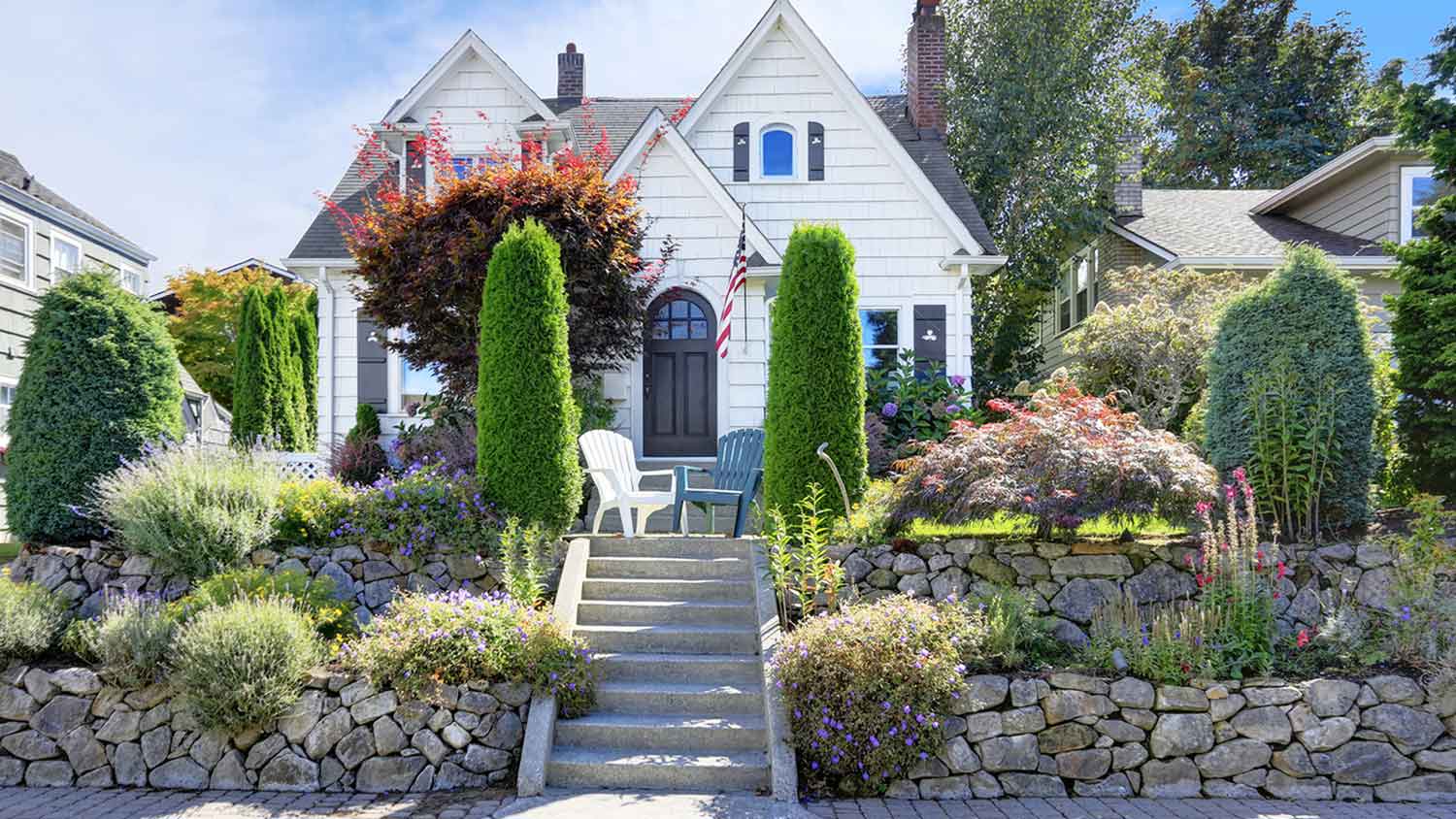
Retaining wall repair cost can vary widely based on the age and condition of the wall being restored. Learn why finding the right pro is important for getting the job done.
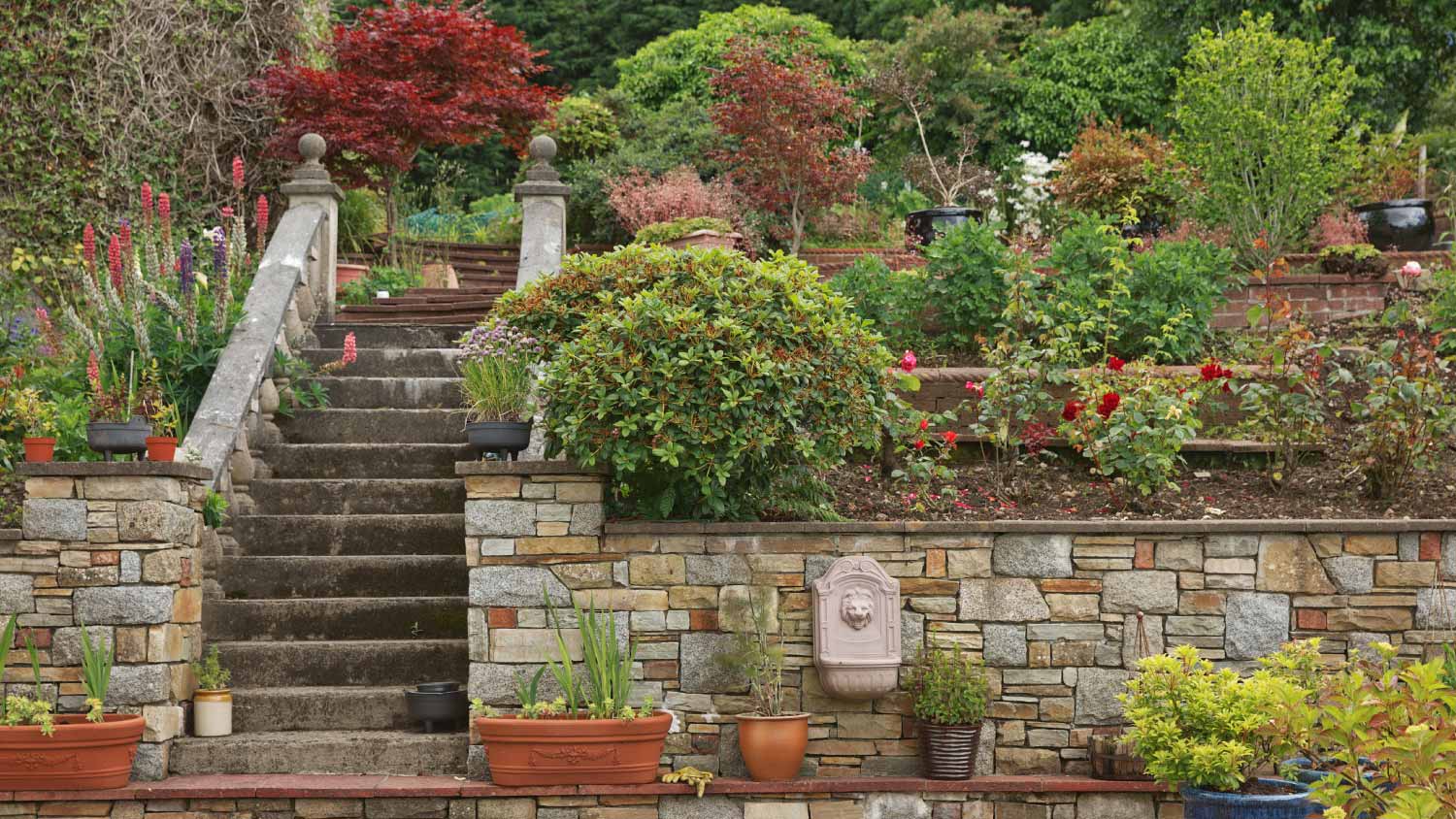
While it’s possible to DIY build a retaining wall, several pros have advanced knowledge of hardscaping and building. Learn who to hire to build a retaining wall.
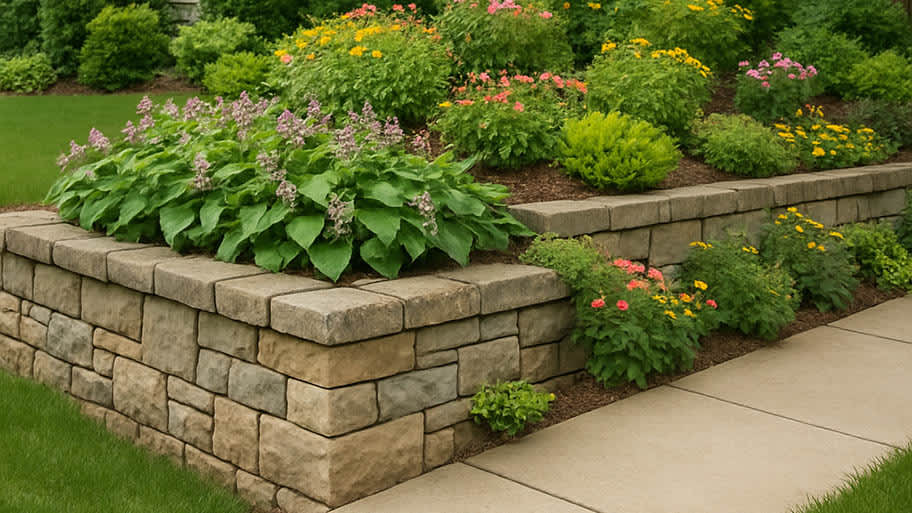
There is no one-size-fits-all retaining wall for your yard. In fact, the options are endless. Check out 20 retaining wall ideas to upgrade your hardscape.
Stop soil erosion with a wood retaining wall installation. Learn about timber costs, warning signs, and how to hire a local retaining wall builder.