



Top-rated fencing pros.

Get matched with top fencing pros in Mercer, WI

Enter your zip and get matched with up to 5 pros

Need a pro for your fencing service project in Mercer, WI?

Select your specific project to find the pro for you.

Find Fencing pros in Mercer

Fencing questions, answered by experts

When choosing wood for a fence, consider your budget and geographic region. The most popular and common types of wood are cedar, redwood, and pressure-treated pine. Cedar is a top choice due to its natural durability, resistance to rot and insects, and budget-friendly price. Redwood is another durable, tried-and-true option, though it is typically more expensive. Pressure-treated wood, such as pine, is also a widely used and popular alternative. These materials are readily available at most hardware stores, which makes future repairs and replacements easier. Their accessibility and long-lasting performance make them excellent choices for most fence installation projects.

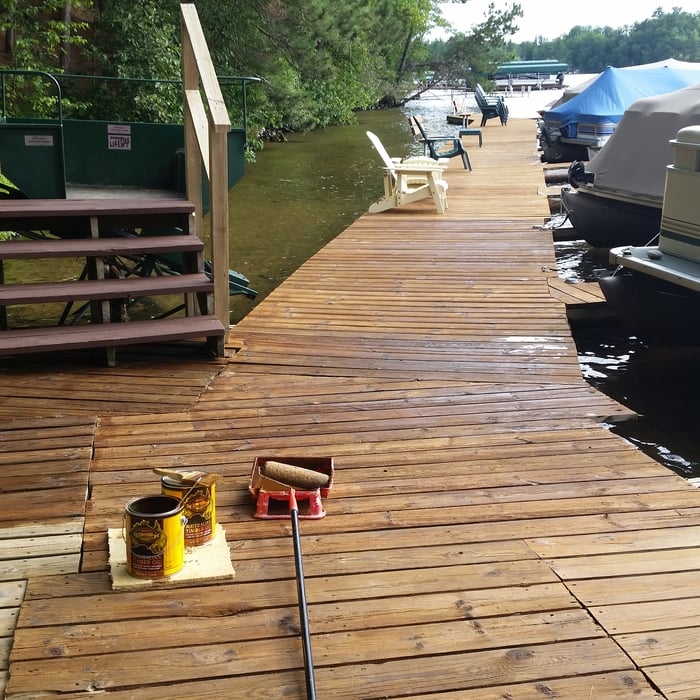
Typically, a fence requires one to two coats of stain. The exact number can vary depending on the porosity of the wood. For specific guidance, it's best to check the manufacturer's instructions. After applying the first coat and letting it dry completely, you can assess the finish. If it appears patchy, uneven, or you want a more saturated color, a second coat is recommended. An extra coat can also help cover lap marks.

Snow fences work well when they are correctly installed. This snow tool disrupts the wind flow and reduces the amount of snowdrift in specific areas, such as roads, walkways, and buildings. Of course, the effectiveness of the snow fence depends on various factors, such as fence type, height, and wind patterns.

In addition to the fence itself, several factors can impact the overall price of putting a fence in. Consider these add-ons and necessary expenses when building your project budget. For example, additional cost factors may include:

  • Removing your existing fence

  • Land leveling and other site work

  • Tree and stump removal

  • New landscaping

  • Working around underground utilities

  • Painting and staining

You’ll need to bury the garden fence about 1 foot underground. It’s tempting to save on materials by burying the fence just a couple of inches, but if you do so, determined pests will still be able to dig under the fence and access your plants. Burying your garden fence deep into the soil is an important step that allows you to attach a wire barrier to the fencing. 

Burrowing animals (like voles, moles, rabbits, and gophers) can’t dig or chew through this wiring, meaning that you’ll be keeping your prized petunias or your robust veggie garden from being eaten.

The Mercer, WI homeowners’ guide to fencing services

From average costs to expert advice, get all the answers you need to get your job done.

What do you need done? We’ll find top pros.
  • 🌱 "Mow a small front yard"
  • 🛠 "Fix a leaking pipe under the sink"
  • 🏠 "Repair shingles on an asphalt roof"