




Top-rated deck maintenance specialists.

Get matched with top deck maintenance specialists in Hayward, WI

Enter your zip and get matched with up to 5 pros

Need a pro for your deck maintenance project in Hayward, WI?

Select your specific project to find the pro for you.

Find Deck maintenance specialists in Hayward

Avatar for Matthew Moss Painting
Matthew Moss Painting
3.7(
3
)

Serving Hayward, WI and surrounding areas

In business since 1990

Emergency services offered

Credit card accepted

"Well it took some time for them to get out there because we had lots of rain that week, but when they showed up, they were great, I cant believe they even took the time to do a little shed for me that was not even in the quote, and did not charge me for it, they said they felt bad because the rain kept delaying them but that was not there fault, wow what a professional company, you don't see guys like Mr. Moss anymore you could tell his work is very important to him....."
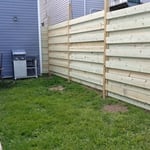
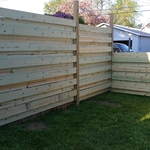
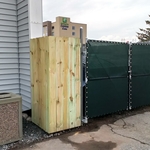
Additional Photos
Additional Photos
Before
After
Before

+24

Recommended by66%of homeowners
Showing 1-10 of 18
Deck Maintenance questions, answered by experts

The cost to build a deck around a pool typically ranges from $3,000 to $12,000, depending on the size, material, and whether you tackle the build yourself. Most people pay an average of $5,000 for their pool deck project. Hiring a pro to build a pool will cost you more for labor, but it will be worth it to ensure a safe and secure installation.

The proper height for a stair riser or deck step is between four and seven inches, with seven inches often considered the most comfortable. Building your stairs to this height ensures a strain-free step position and minimizes the risk of trip and fall injuries. For optimal safety and comfort, especially on deck stairs, a rise of around seven inches should be paired with a tread depth (or run) of at least 10 to 12 inches. While it is possible to design stairs with risers up to 12 inches, this height can be challenging for children, pets, or individuals with mobility issues. Always check with your local building codes, as they may mandate specific dimensions that differ from these general recommendations.

The best direction for a gate to swing depends on its location and purpose, but swinging inward is the general rule. An inward swing is often considered safer, prevents the gate from opening into public spaces like a sidewalk, and may be required by local building codes.

There are exceptions and specific considerations. If your property is on a slope, an inward swing might not be possible. For a deck gate, it's safest to have it swing away from any steps. In a backyard, the direction can be a matter of preference, though an inward swing can be helpful when carrying heavy items like a wheelbarrow into a garden.

Regardless of direction, ensure the gate can open fully without hitting any objects or blocking spaces. While an inward swing is standard, a gate that can swing both in and out offers the most flexibility if your setup allows for it.

Homeowners should build their floating decks at least 18 inches off the ground. Having it at this height will allow for better airflow underneath and help prevent moisture-related problems like warping or rot. That being said, local guidelines for deck heights may vary depending on where you live.
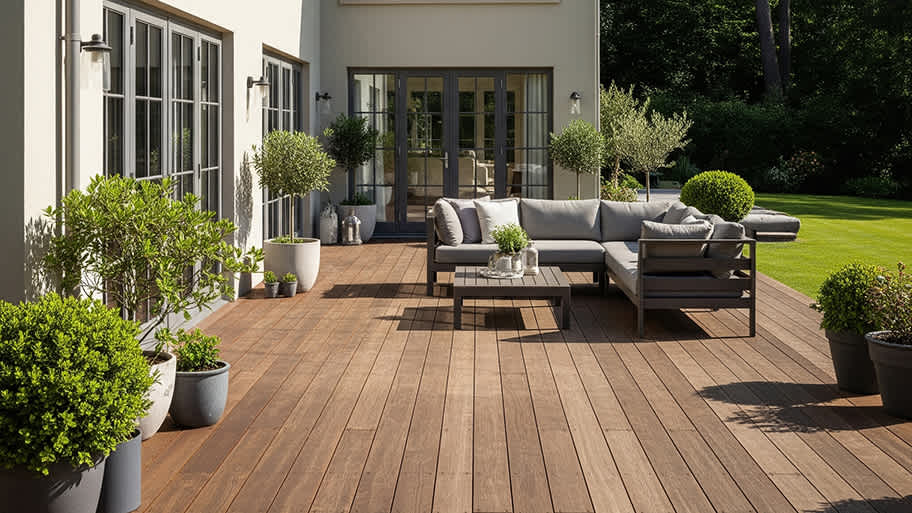
The problems with composite decking include a high rate of expansion and contraction from temperature swings. This characteristic can cause boards to split, delaminate, or peel. In addition, significant movement can cause shrinking, warping, twisting, and bending. For this reason, you should minimize moisture and ensure proper airflow below your deck.

The Hayward, WI homeowners’ guide to deck maintenance services

From average costs to expert advice, get all the answers you need to get your job done.