





Top-rated deck maintenance specialists.

Get matched with top deck maintenance specialists in Sarona, WI

Enter your zip and get matched with up to 5 pros

Need a pro for your deck maintenance project in Sarona, WI?

Select your specific project to find the pro for you.

Find Deck maintenance specialists in Sarona

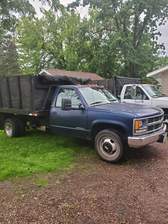
Hover Logging and Tree Services
4.3(
15
)
Deck, Fence, Patio or Porch - Clean and SealDeck, Fence, Patio or Porch - Clean and Seal - For Business

Serving Sarona, WI and surrounding areas

Approved

In business since 2016

Free estimates

Small jobs welcome

"I needed to have many trees trimmed (huge white pines with huge branches) to get a well drilling truck along the house as well as drop several standing dead trees. He did a great job. Did a great clean up afterwards and I am waiting for him to come back for some more tree work. I highly recommend Chris Hove Logging & Tree Services!"
Roofing job
Roofing job
Roofing job
Response time2 days
2 neighbors recently requested a quote
Recommended by78%of homeowners
Showing 1-10 of 25
Deck Maintenance questions, answered by experts

Ideally, a gate should be able to swing both in and out. However, if it can only open in one direction, it is generally best for it to swing inward. This is often the safest option, especially for deck gates near steps, as you'll want the gate to swing away from the stairs. An inward swing also prevents the gate from opening into a public space, like a sidewalk, and can be more convenient when carrying heavy items like a wheelbarrow into a garden.

There are exceptions, however. The layout of your property may require a different approach. For example, if your property is on a slope, the gate may not be able to swing inward. You should also ensure the gate can open fully without colliding with any objects or blocking access to other areas. For a backyard garden gate where public access isn't a concern, the direction it swings is largely a matter of personal preference. Finally, always check your local building codes, as they may have specific requirements for which way a gate must swing.

Before installing a deck, you must build a base for the deck to rest upon, often made of compacted soil or gravel. While gravel is an optional material, it helps with drainage. Some contractors also recommend installing a weed control membrane, which helps provide a solid foundation for the frame. In the case of an elevated deck, a pro will often lay down a concrete slab as a foundation. 

While you can use various materials like sand or even just soil, gravel is widely considered the best option to put under a deck. It provides excellent drainage and is resistant to water, fire, and pests. Gravel also helps anchor the soil to prevent erosion during heavy rain and acts as a built-in weed blocker, reducing regular upkeep. Furthermore, it is simple to spread, available in various textures and tones, and adds a polished look that complements any deck design.

The best base materials for a ground-level or floating deck are typically gravel and crushed stone (also known as landscaping rocks). These options are inexpensive, provide excellent drainage, prevent weeds, and help minimize moisture buildup, which reduces shifting and rotting. For added stability and to evenly distribute the weight, you can use concrete deck blocks or pavers. While more expensive, concrete blocks and pavers offer a sturdier base than gravel or crushed stone alone.

Both composite and PVC decking are excellent alternatives to wood. However, while composite is moderately priced and lasts around 30 years, PVC costs more and lasts longer. PVC is also more durable, though both materials are more durable than wood decking. Ultimately, the choice between composite and PVC decking will come down to your budget and preferences.

The Sarona, WI homeowners’ guide to deck maintenance services

From average costs to expert advice, get all the answers you need to get your job done.