




Top-rated deck maintenance specialists.

Get matched with top deck maintenance specialists in Shell Lake, WI

Enter your zip and get matched with up to 5 pros

Need a pro for your deck maintenance project in Shell Lake, WI?

Select your specific project to find the pro for you.

Find Deck maintenance specialists in Shell Lake

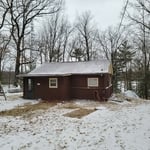
Avatar for Pinnacle Property Management Services
Pinnacle Property Management Services
5.0(
10
)

Serving Shell Lake, WI and surrounding areas

Approved

In business since 2023

Free estimates

Warranties offered

"Great communication, work ethic and very personable. Will turn your vision into a reality. Truly an amazing experience working with him and can't wait to do more repairs to my home in the spring. Thank You, Jarett"
Response time7 hrs
Recommended by88%of homeowners
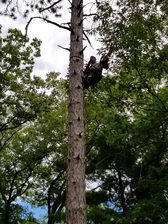
Hover Logging and Tree Services
4.3(
15
)

Serving Shell Lake, WI and surrounding areas

Approved

In business since 2016

Free estimates

Small jobs welcome

"I needed to have many trees trimmed (huge white pines with huge branches) to get a well drilling truck along the house as well as drop several standing dead trees. He did a great job. Did a great clean up afterwards and I am waiting for him to come back for some more tree work. I highly recommend Chris Hove Logging & Tree Services!"
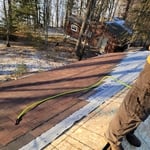
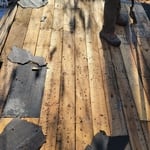
Roofing job
Roofing job
Roofing job
Response time2 days
1 neighbors recently requested a quote
Recommended by78%of homeowners
Showing 1-10 of 27
Deck Maintenance questions, answered by experts

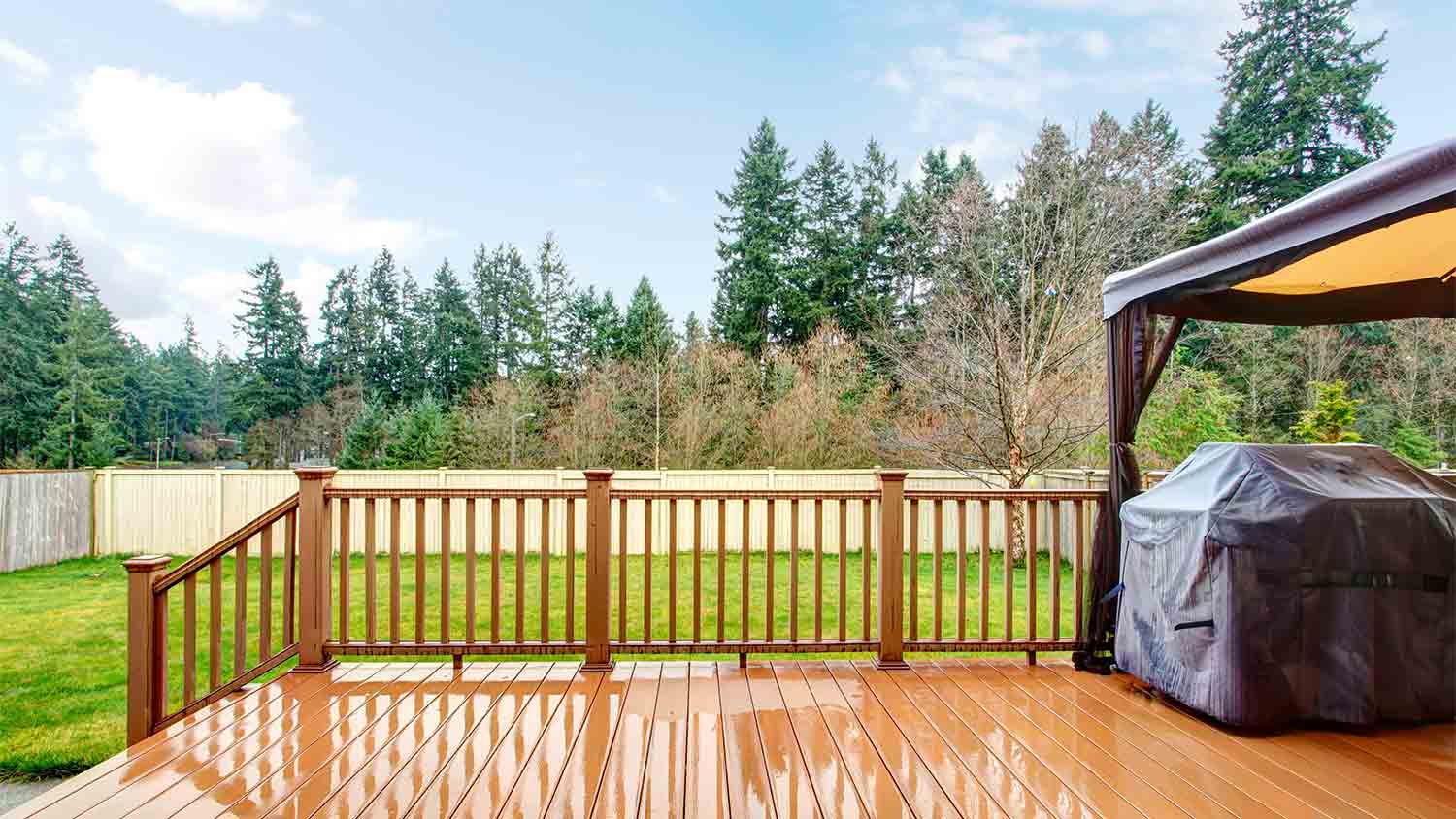
Building codes for deck railings can vary by location, so it's important to consult your local regulations before construction. Generally, a guardrail is required for any deck that is more than 30 inches above the ground.

For residential properties, the standard minimum height for a deck railing is 36 inches. However, some states and municipalities have stricter requirements; for example, California and Washington mandate railings that are at least 42 inches high. Therefore, a 42-inch railing is not considered too high and may be required in your area or chosen voluntarily for additional safety.

In addition to height requirements, codes also specify other safety features, such as the maximum spacing between balusters to ensure they are close enough to prevent a child from squeezing through.

Although composite decking is extremely durable, it’s also susceptible to extreme heat. Prolonged exposure to sunlight can cause fading, warping, and cracking. Composite also retains heat more than wood, which makes it dangerous to walk on in the summer. You can help prevent heat damage by only building with composite in shaded areas or using rugs to cover the hottest spots.

Yes, deck pier blocks can be used as an alternative to traditional deck footings, particularly for small or low-to-the-ground decks. Unlike poured concrete and buried post footings, deck blocks don’t require digging or pouring. However, their use is regulated by local building codes, and they may not be permitted in areas prone to high winds, earthquakes, or hurricanes. Always consult your local building codes before choosing them for your deck project.

A deck that isn’t attached to a house is called a floating or freestanding deck. These standalone decks are built near ground level, so they usually don’t need deck stairs. Some don’t even require permits. Generally speaking, building a floating deck is faster and more DIY-friendly than constructing one that’s connected to your home.

Pressure-treated decking may be worth it if you want a natural, insect- and rot-resistant decking material that will last for decades with proper maintenance. As such, it’s a much better option than untreated pine. Alternative wood decking materials like cedar and redwood tend to be less durable and more expensive. Some homeowners prefer composite decking, which is a low-maintenance alternative to wood but is also more costly.
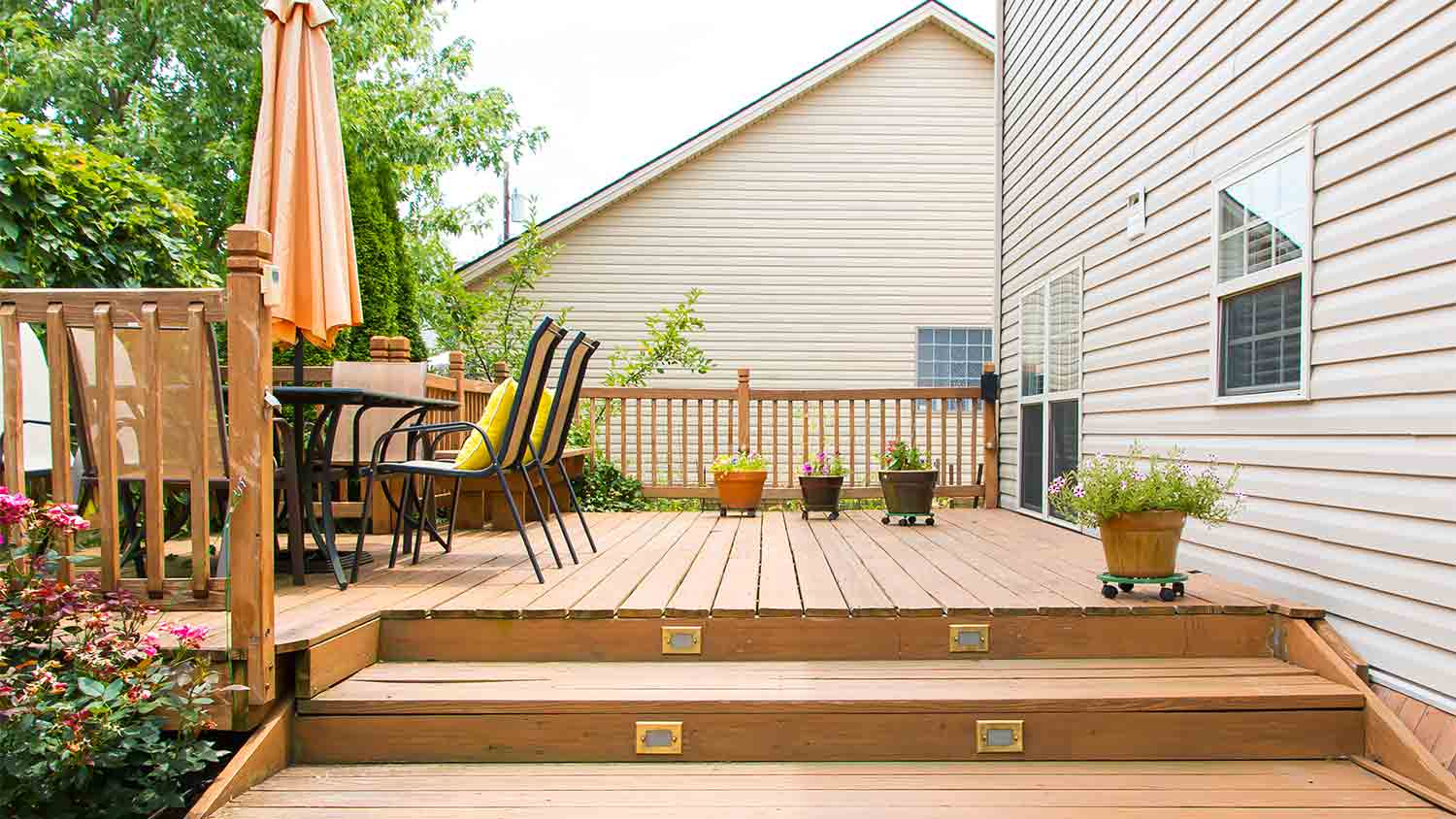
The Shell Lake, WI homeowners’ guide to deck maintenance services

From average costs to expert advice, get all the answers you need to get your job done.