




Top-rated water softener pros.

Get matched with top water softener pros in Genoa, WI

Enter your zip and get matched with up to 5 pros

Need a pro for your water softener service project in Genoa, WI?

Select your specific project to find the pro for you.

Find Water softener pros in Genoa

LIPINSKI Plumbing HVAC Company
4.8(
26
)
Water Treatment & Purification System - Install or ReplaceWater Treatment & Purification System - Repair or ServiceWell Pump - Repair or Service

Serving Genoa, WI and surrounding areas

Approved

In business since 1993

Free estimates

Emergency services offered

"Lipinski Plumbing did an excellent job. Not only timely service, but they came earlier than scheduled as they had a cancellation. Will definitely hire them again and recommend them"
Response time9 hrs
Response rate100%
Recommended by79%of homeowners

Water Softeners questions, answered by experts

Yes, a water softener can remove scale deposits. According to the U.S. Department of Energy, after you add a water softener to your home, “gradually the softer water will dissolve limescale scale deposits and remove the problem entirely.” Installing a water softener—or water descaler—will also help prevent new scale deposits from forming.

Whether you need a permit or license for a water softener installation depends on your location, as requirements vary significantly. Some municipalities require the installer to hold a plumbing license, some mandate a permit and an inspection, and others require both. In some areas, no special permit or license is needed at all.

To determine the rules in your area, you can contact your local building department or consult a local water softener installer or plumber. Often, only certified professionals are authorized to pull the necessary permits, and they will typically handle the entire permitting process for you. Regardless of local laws, it is always recommended to hire a licensed professional to ensure the system is sized and installed correctly. You can use Angi’s state licensing tool to check an installer’s license status.

The main difference between a water softener and a water filter is what they remove from the water. A water softener is specifically designed to remove hard minerals, while a filter removes a wider range of contaminants above a certain size, such as bacteria and other impurities. If your primary goal is to remove minerals, a softener is the best choice. If you want to remove various contaminants for safety or taste, a filter is more suitable. Filters are also typically less expensive to install. Depending on your water supply's specific issues, you may need to install both systems for comprehensive treatment.

No. You should never directly drain a water softener into a sewer cleanout. This practice is illegal in many areas because it could allow raw sewage to get into your drinking water and make you seriously ill. Many places have codes requiring a specific seal, pipe, and a large air gap between a water softener and a sewage cleanout. Check out Florida's Plumbing Building Code as an example of what these restrictions might look like.

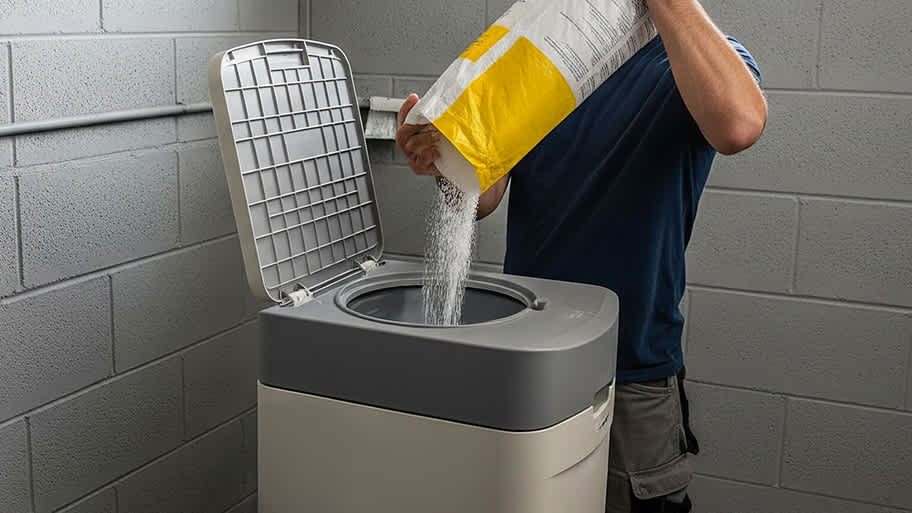
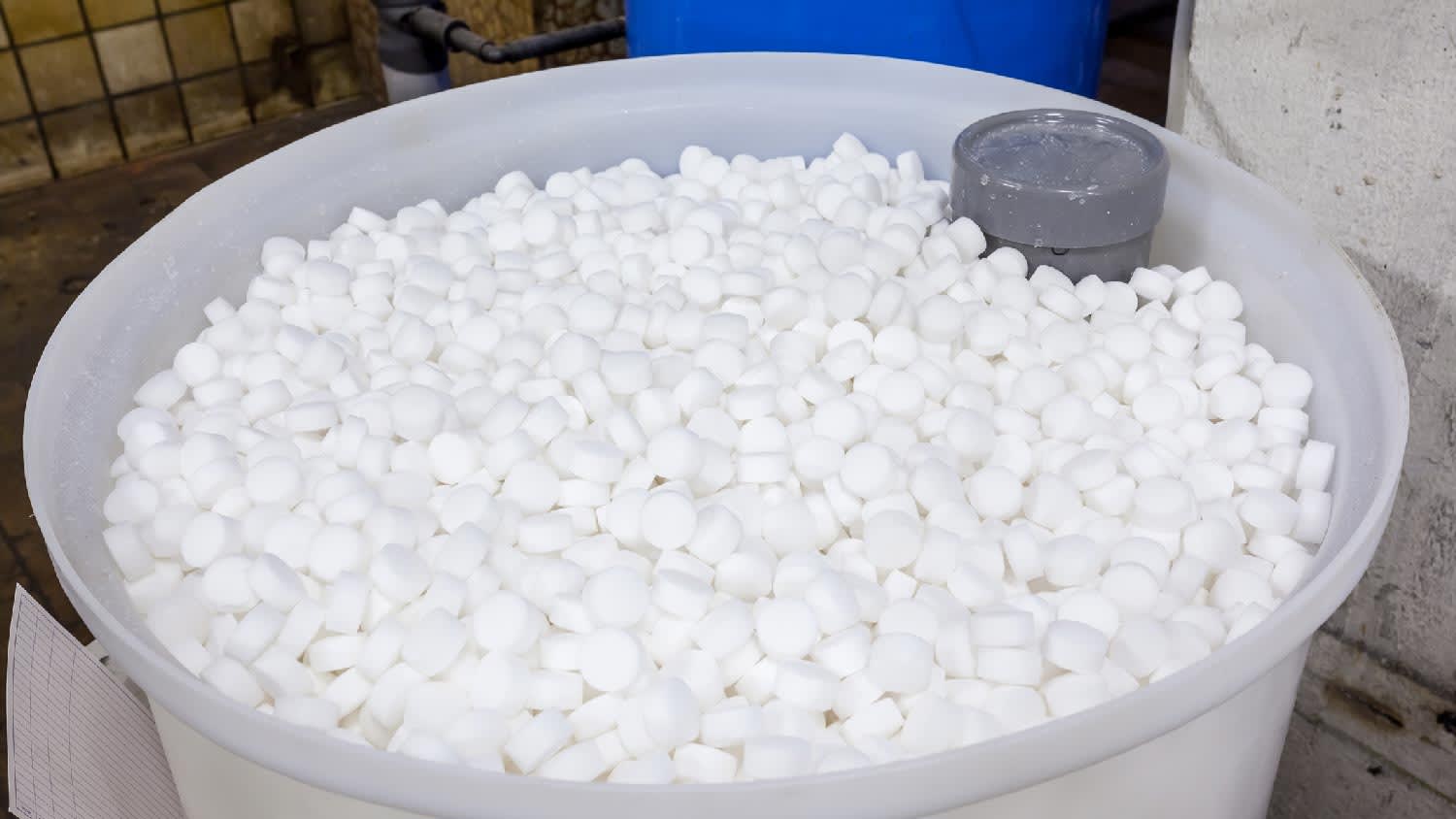
Experts recommend that you put two to four bags of potassium chloride in your water softener every month. This amount depends on how much is in the bag (40 pounds is most common) and what your water softener manufacturer recommends. For more specific advice, talk to a water softener pro in your area and read the manual that came with your system.

The Genoa, WI homeowners’ guide to water softener services

From average costs to expert advice, get all the answers you need to get your job done.