"I just pay $75 you never know who's going to come out. They do everything electrical. Just about everything is covered except the septic tank. I had an air conditioner replaced. It went great, all I had to do was pay for the freon. He didn't charge e more than what was needed."
The smallest septic system available for purchase typically includes a 750-gallon tank. However, the smallest size you can legally install is determined by local regulations, and many areas require a minimum capacity of 1,000 gallons. The cost to install a small septic system generally ranges from $2,910 to $13,900. Before proceeding, it is essential to check with your local health department or consult a local septic professional to confirm the minimum legal requirements in your area.
Most septic tanks can handle two to three loads of laundry per day, or a weekly total of between seven and 10 loads. Although septic systems do require homeowners to be somewhat careful with their plumbing systems—for instance, it’s not a good idea to flush a bunch of toilet paper all at once—they can still handle fairly heavy use.
While you can drain water softener backwash into a septic tank, doing so may cause several problems. One problem is that increased sodium chloride levels from water softener backwash can kill septic tank bacteria, decreasing the effectiveness of this wastewater treatment system. Another issue is that large calcium deposits can eventually stop up the drain field and lead to poor drainage.
Concrete septic tank risers are heavier and more durable than plastic or fiberglass ones, making them suitable for long-term use. Installing a concrete riser differs from installing plastic or fiberglass risers primarily in the materials and methods used. The process involves cutting the concrete risers to the required length and then stacking them, using concrete sealant or adhesive between sections for secure attachment. Due to their weight, extra care is necessary during leveling and the attachment of sections. Concrete sealant or adhesive may also require a curing before the riser is ready for use.
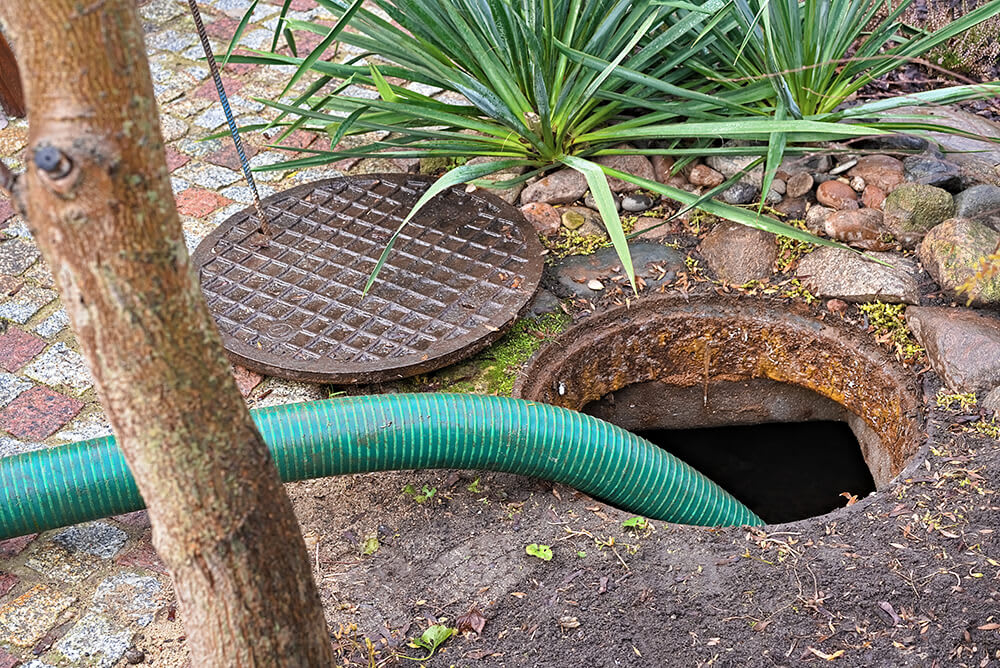
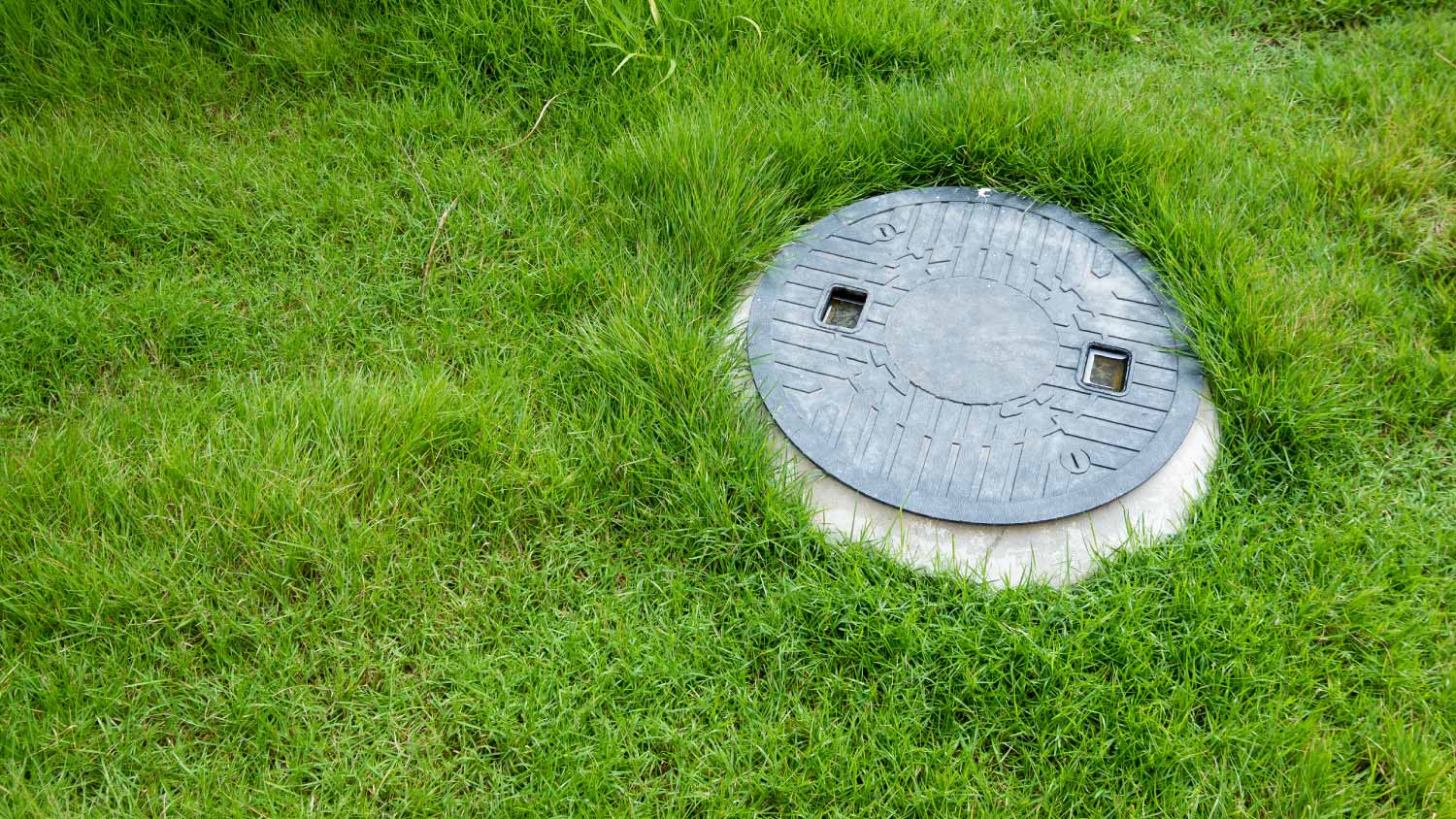
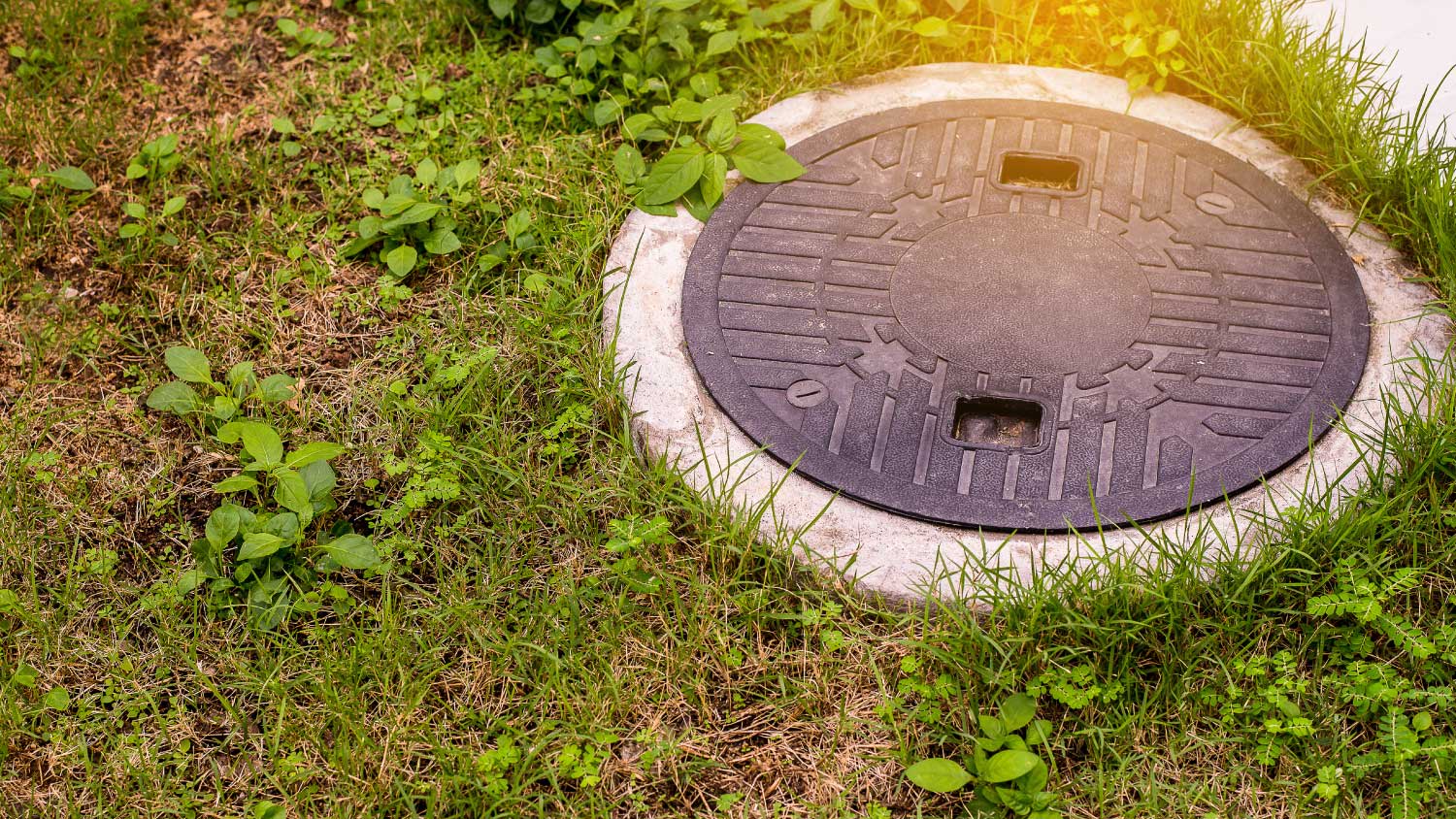
You can check your own septic tank, but take precautions. Locate the access lid, usually buried a few inches underground, and remove it carefully. Look for the sludge and scum levels, and if they’re high, that means pumping may be necessary. Check for odors, slow drains, or pooling water around the drain field, which could indicate issues. Never enter the tank, as toxic gases can be fatal. All of that being said, a professional inspection is safer and more thorough.
The Brussels, WI homeowners’ guide to septic tank services
From average costs to expert advice, get all the answers you need to get your job done.
Caring for your septic system is crucial to ensuring its long life. But how much does it cost to pump a septic tank? We explore the different cost factors.
A damaged septic system can leak odors and sewage, so repairs are urgent. Find out how much septic tank repair costs based on repair type, tank size, and more.
Septic tank risers make it easy to access your septic tank when it’s time for routine inspection, maintenance, and pumping, saving you precious time and labor costs.
Septic tank sizes vary depending on the size of your home, how many people live there, how much water you use, and more. Read on to learn how to determine the right size for you.