







Top-rated energy efficiency auditors.

Best energy efficiency auditors near Brookfield, WI

Enter your zip and get matched with up to 5 pros

Need a pro for your energy efficiency auditing project in Brookfield, WI?

Select your specific project to find the pro for you.

TRUSTED BY BROOKFIELD, WI HOMEOWNERS

  • Average homeowner rating star icon4.7
    Average homeowner rating
  • Verified reviews icon36
    Verified energy efficiency auditing services reviews

Top-Rated Energy efficiency auditors in Brookfield - Updated Nov 2026

Goodman Home Inspections, LLC
New to Angi
Energy Audit - For BusinessHome Energy Audit

Serving Brookfield, WI and surrounding areas

Approved

My name is Darryl Goodman and I am retired from the military after 26 years of successful service. As a home inspector, I bring with me a strong foundation of professionalism, hard work, and a meticulous attention to detail. Leveraging extensive experience in both civilian and military construction, I possess a unique skill set that enhances my ability to assess and ensure the safety and integrity of residential properties.

Avatar for A-1 Milwaukee Heating And Cooling
A-1 Milwaukee Heating And Cooling
4.9(
34
)
Energy Audit - For BusinessHome Energy Audit

Serving Brookfield, WI and surrounding areas

In business since 1997

Free estimates

Emergency services offered

"Our furnace stopped working, bad news. Mike was here quickly, and fixed the unit we have so we again would have heat! He explained what problems we were having and what we can do in the future to limit additional problems. Very knowledgeable, professional and personable! Our hero for the week!"
Mlk
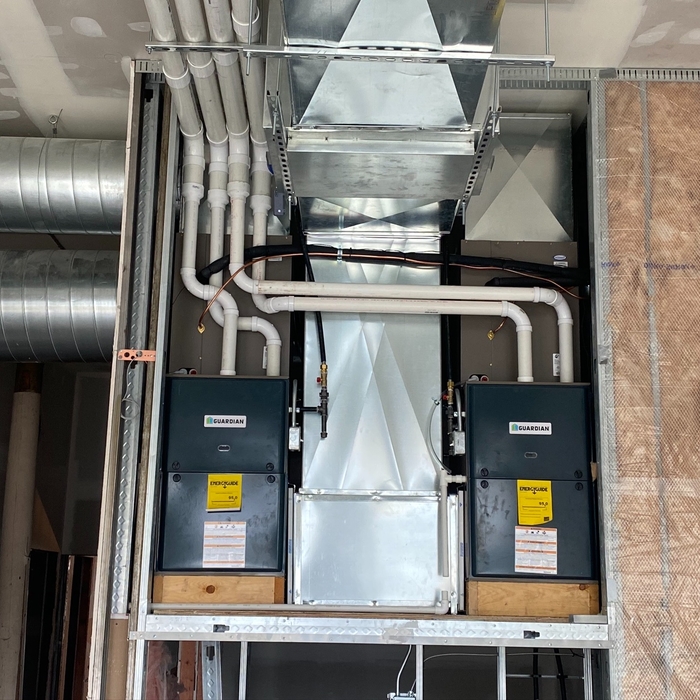
New Installation
Twin Installation
New Installation
Twin System

+40

Recommended by100%of homeowners
Avatar for Green Homeowners United, LLC
Green Homeowners United, LLC
5.0(
3
)
Home Energy Audit

Serving Brookfield, WI and surrounding areas

In business since 2020

Free estimates

Credit card accepted

"Tyler, the representative who inspected my home, was extremely professional and friendly. His communication was excellent, and he made very clear and sensible recommendations to improve my home's energy efficiency."
1
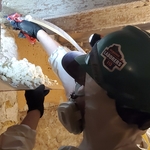
Spray foam
2
3
3

+1

Response time9 hrs
Recommended by100%of homeowners
Energy Efficiency Auditing FAQs, answered by experts

Installing weather stripping or upgrading to insulated panels can improve efficiency.

While many states require all new construction to undergo blower door tests, it’s not a requirement for existing homes. But in both cases, a blower test helps confirm that the contractor has sealed the exterior, that the type of ductwork installed is functioning properly, and that your home is as efficient as possible.

Thankfully, LED lights use less electricity than incandescent lights, meaning you won’t spend as much on utility bills by using these light strips. Each 5-meter LED light strip will cost about $3 per year on your energy bill.

To find a reputable home energy auditor, start by researching local companies that offer the service and check their reviews, methods, and certifications. The most reputable professionals are often Home Energy Professional (HEP)-certified by the Building Performance Institute (BPI). You can also consult the Department of Energy’s certified list of energy auditors or use a state licensing tool to review local guidelines and ensure you are hiring a certified professional for your area.

To determine the right size generator for your house, you should calculate the total wattage of the appliances and devices you want to power during an outage. List all essential items, note their start-up wattages, and add them together.

Here are some typical wattage requirements for common appliances:

  • Refrigerator: 600 watts

  • Large dehumidifier: 700 watts

  • Large window air conditioner: 1,400 watts

  • Water heater: 3,000 to 4,500 watts

  • Electric furnace: 5,000 to 25,000 watts

A 7,500-watt generator might be sufficient for essentials like a refrigerator, freezer, well pump, and lighting circuits. However, for high-demand items like a water heater or furnace, a whole-home generator is a better choice. A portable generator may be enough if you only need to power a few critical items.

While home square footage can offer a rough estimate, it is not always a reliable indicator. For reference, here are some typical generator sizes based on square footage:

  • 1,000 sq ft: 6–9 kW

  • 1,500 sq ft: 7–10 kW

  • 2,000 sq ft: 10–14 kW

  • 2,500 sq ft: 12–16 kW

  • 3,000 sq ft: 16–20 kW+

For the most accurate sizing, consult a professional who can calculate your home's peak and average power consumption and recommend the optimal generator.

The Brookfield, WI homeowners’ guide to energy efficiency auditing services

From average costs to expert advice, get all the answers you need to get your job done.