





Top-rated energy efficiency auditors.

Best energy efficiency auditors near Fox Point, WI

Enter your zip and get matched with up to 5 pros

Need a pro for your energy efficiency auditing project in Fox Point, WI?

Select your specific project to find the pro for you.

TRUSTED BY FOX POINT, WI HOMEOWNERS

  • Average homeowner rating star icon4.5
    Average homeowner rating
  • Verified reviews icon52
    Verified energy efficiency auditing services reviews

Top-Rated Energy efficiency auditors in Fox Point - Updated Nov 2026

Goodman Home Inspections, LLC
New to Angi
Energy Audit - For BusinessHome Energy Audit

Serving Fox Point, WI and surrounding areas

Approved

My name is Darryl Goodman and I am retired from the military after 26 years of successful service. As a home inspector, I bring with me a strong foundation of professionalism, hard work, and a meticulous attention to detail. Leveraging extensive experience in both civilian and military construction, I possess a unique skill set that enhances my ability to assess and ensure the safety and integrity of residential properties.

Avatar for A-1 Milwaukee Heating And Cooling
A-1 Milwaukee Heating And Cooling
4.9(
34
)
Energy Audit - For BusinessHome Energy Audit

Serving Fox Point, WI and surrounding areas

In business since 1997

Free estimates

Emergency services offered

"Our furnace stopped working, bad news. Mike was here quickly, and fixed the unit we have so we again would have heat! He explained what problems we were having and what we can do in the future to limit additional problems. Very knowledgeable, professional and personable! Our hero for the week!"
Mlk
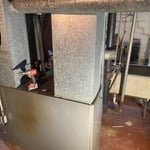
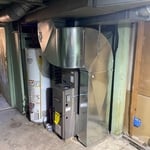
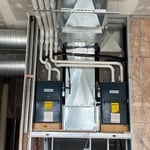
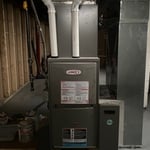
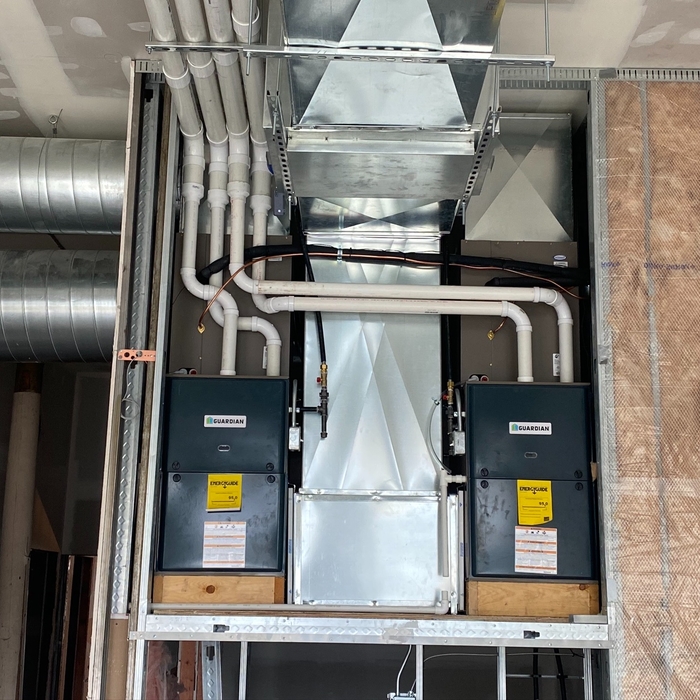
New Installation
Twin Installation
New Installation
Twin System

+40

Recommended by100%of homeowners
Avatar for Green Homeowners United, LLC
Green Homeowners United, LLC
5.0(
3
)
Home Energy Audit

Serving Fox Point, WI and surrounding areas

In business since 2020

Free estimates

Credit card accepted

"Tyler, the representative who inspected my home, was extremely professional and friendly. His communication was excellent, and he made very clear and sensible recommendations to improve my home's energy efficiency."
1
Spray foam
2
3
3

+1

Response time9 hrs
Recommended by100%of homeowners
Energy Efficiency Auditing FAQs, answered by experts

Window AC units use a fair amount of electricity, but significantly less than central AC systems. Because they are more energy-efficient for cooling individual rooms or small spaces, their usage is comparatively low. On average, a window AC unit consumes between 500 and 1,400 watts, while a central AC system uses over 3,500 watts—meaning a window unit uses about one-third of the energy. This typically translates to a monthly running cost of $15 to $40, although this can vary depending on external factors.

Energy output depends on turbine size, average wind speed at your site, and system efficiency. A 5 kW turbine in a good wind location can generate 8,000 to 12,000 kilowatt-hours per year, which may cover a large portion of an average home’s needs. Accurate output estimates require a professional wind assessment and a review of your household’s energy usage patterns.

Homeowners can often access federal tax credits, such as the Investment Tax Credit (ITC), which covers a percentage of installation costs. Many states and utilities offer additional rebates, grants, or performance-based incentives. These programs can significantly lower your upfront investment. Check the Database of State Incentives for Renewables and Efficiency (DSIRE) or contact your local energy office for current offers.

Energy-efficient windows cost more than other window types, but they can help you save on your monthly energy bills, get you some breaks on your taxes, and even increase the value of your home. According to Michael S. Regan, Administrator of the U.S. Environmental Protection Agency, when people invest in green upgrades like energy-efficient windows, they save energy, money, and more.

R-value is calculated by dividing the thickness of an insulation material by its thermal conductivity. The material's composition and density influence thermal conductivity. Materials with lower conductivity values provide better insulation. The higher the R-value, the better the material is at insulating, helping homeowners select insulation that meets the energy needs of their climate and home layout.

The Fox Point, WI homeowners’ guide to energy efficiency auditing services

From average costs to expert advice, get all the answers you need to get your job done.