




Top-rated retaining wall installation pros.

Get matched with top retaining wall installation pros in Aniwa, WI

Enter your zip and get matched with up to 5 pros

Need a pro for your retaining wall installation project in Aniwa, WI?

Select your specific project to find the pro for you.

Find Retaining wall installation pros in Aniwa

Avatar for Jorge's Lawn Care
Jorge's Lawn Care
5.0(
4
)
Retaining Wall - Install

Serving Aniwa, WI and surrounding areas

In business since 2019

Free estimates

Emergency services offered

"Excellent! The Team (3-4 Men) was diligent, efficient, polite and hard-working. They left the site immaculate. Their work has already received compliments from neighbors and others. The Supervisor visited the site to evaluate the work done; he, too, was very professional. I hope to work with Jorge's Landscaping again."
Appleton WI project
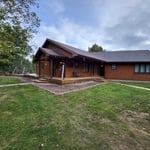
Lake Front Cabin
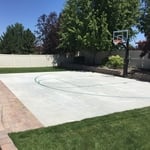
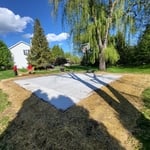
Basketball court concrete pad
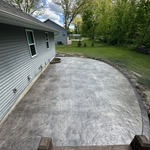
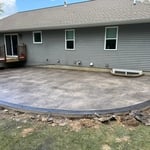
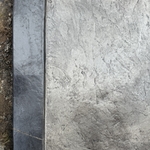
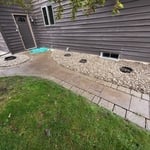
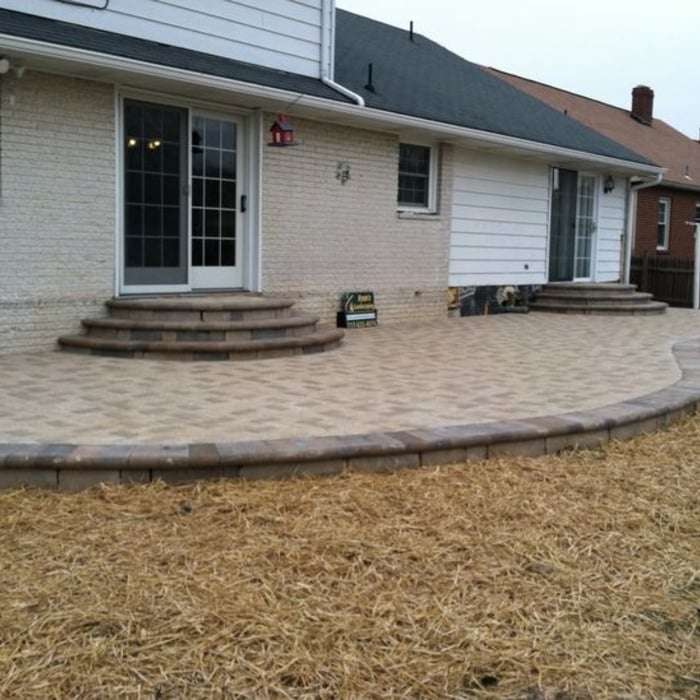
This is a light gray custom pattern patio with a dark gray boarder.
Stevens Point Patio

+160

Response time1 day
Response rate94%
Recommended by100%of homeowners
Retaining Wall Installers questions, answered by experts

Yes, to build a retaining wall, a permit is required. Similarly, any repairs or modifications to an existing retaining wall require permits. If the planned wall measures higher than 4 feet, most municipalities require designs and permits come through a licensed engineer. In some locations, if the wall is shorter than 4 feet, a permit may not be required. For the requirements in your area, contact your local government.

Through proper drainage solutions and compacting the foundation soil.

Railroad ties can be good for retaining walls, but it depends on the area. They have a desirable rustic look and are durable. The problem is they’re treated with creosote, a preservative the EPA says poses a risk to humans and wildlife. Over time, the preservative seeps out of the wood and into the ground. Many areas have banned the use of creosote-treated wood on residential properties. If your area does allow it, never use railroad ties near an edible garden or drinking water source. Instead, use wood that’s treated with an EPA-approved preservative or a wood-alternative composite material.

The lifespan of a retaining wall varies based on its material, installation quality, maintenance, and local climate, with an average range of 20 to 100 years. Retaining walls made from durable materials like concrete, stone, and brick generally last a minimum of 50 years. Concrete walls typically last between 50 and 100 years, while brick can last for over a century in ideal conditions. Timber retaining walls can last from 20 to 40 years, depending on the wood quality, and pressure-treated wood walls average around 30 years. It is important to note that a retaining wall can fail prematurely if it was poorly constructed, for example, with inefficient footings or without necessary rebar reinforcements.

Small retaining walls still require a foundation of some kind, typically a concrete footing. This helps to ensure the wall is structurally sound and prevents the ground from shifting over time, especially during those winter freeze/thaw cycles. The footing helps spread the weight of the wall and the load it carries over a larger area of the ground, thus assisting with stability. This is true of small retaining walls, larger rock garden walls, and the like. 

The Aniwa, WI homeowners’ guide to retaining wall installation services

From average costs to expert advice, get all the answers you need to get your job done.