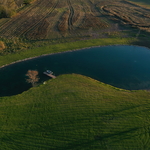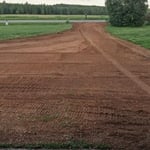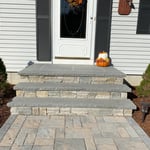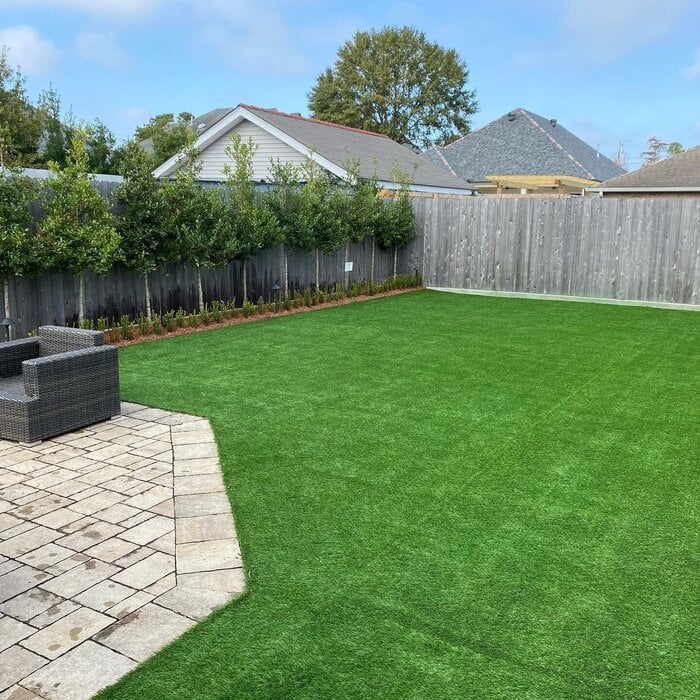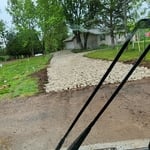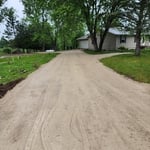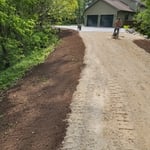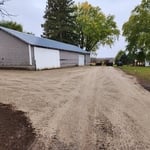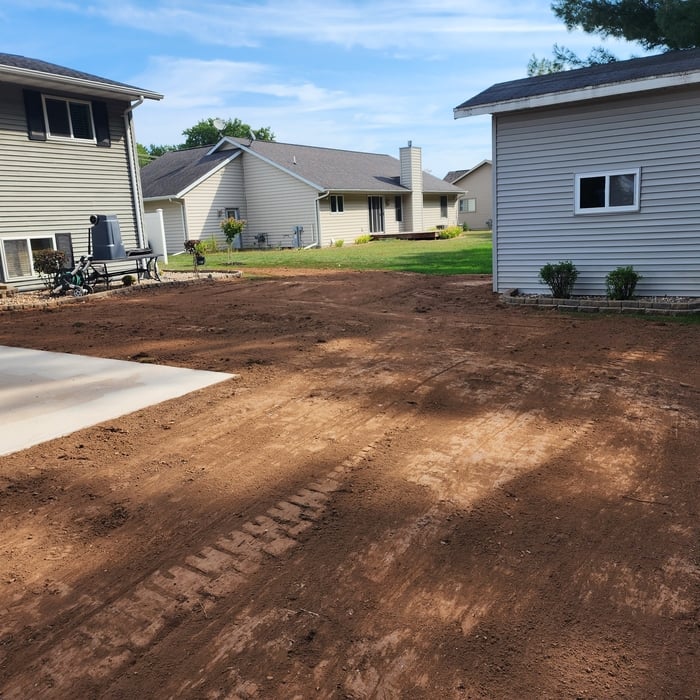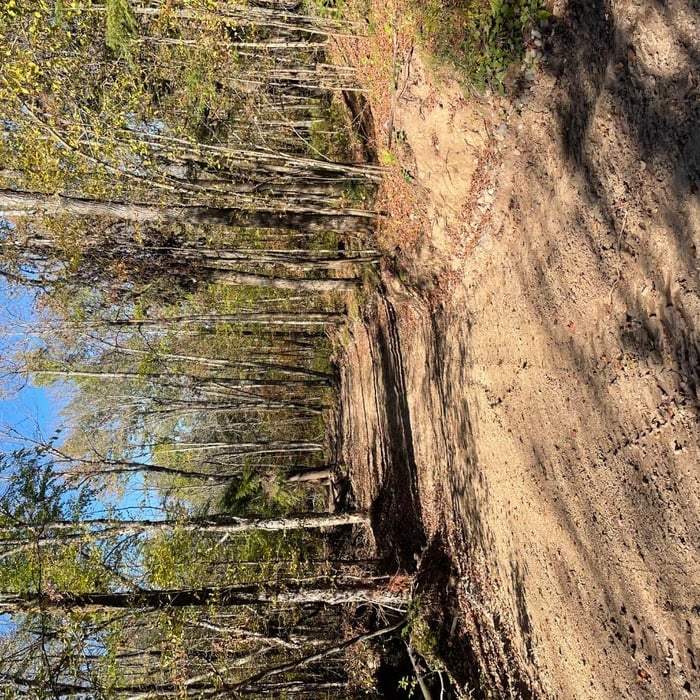




"Central Wisconsin Excavating (CWE) did a fantastic job on our project. They built a solid, well-prepared foundation for our 80,000-bushel grain bin and graded our driveways perfectly to ensure water drains away from our buildings. Their attention to detail, quality of work, and professionalism really stood out. The site was left clean and properly finished, and everything was done right the first time. We’re extremely happy with the results and would highly recommend CWE to anyone needing excavation or site work done right."
"The workers did a good job and knew what they doing. Fence installation was done very professionally. There were some delays, but the end product was great. Fair pricing, lots of options. Willing to work with different ideas."
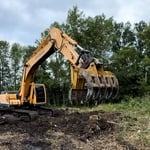
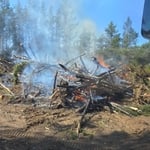
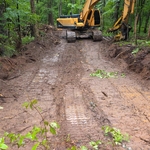
Push Excavating is dedicated to providing prompt and reliable services to our customers. Your satisfaction is a high priority to us and we are competitively priced. We specialize in food plots, road building, land clearing, stump removal and farm field improvement.
I'm a firefighter and I decided to add more income and work to my background, so i bought an excavator and took off from there. At company , our company is based on the belief that our customers' needs are of the utmost importance. Our team is committed to meeting those needs. We welcome the opportunity to earn your trust and deliver you the best service. No job is too big or too small for our experienced team. Call today for a quote.\n
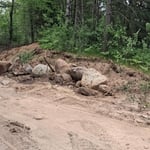
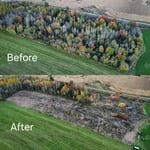
"Customer service was top notch- we started with a 4 acre wooded lot and we had started clearing it ourselves and had many stumps and some more trees to take down. They gave an estimate via photos and email since job site was over an hour away which worked great. Worked til job was finished and did so in a timely manner. We also added clearing a new driveway after the fact and did amazing job. Great communication - would definitely hire again and give referral. Photos are Before and afters."
Yes, you can excavate in the winter, but it might make the job harder. Frozen ground is harder to dig, and snow or ice can make the work site more hazardous. A contractor may need special equipment and techniques, such as ground-thawing methods, to break through frozen soil. Although winter excavation is possible, it may take longer and be more costly than excavating during warmer months.
Sewer lines can be buried anywhere from 18 inches to 8 feet deep, with a common average depth between 18 and 30 inches. The exact depth depends on local factors like climate and soil type. In colder regions, pipes must be buried deeper (below the frost line) to prevent freezing, sometimes as deep as 8 feet. The digging depth can also impact the cost of sewer line replacement. To find the specific depth for your property, you can check the building plans for your system, which should be on file with your city or local sanitation department since permits are required for installation.
Hard soil could be a sign of overly dry dirt, either from poor drainage or drought. It's important to test the nutrient levels, density, and drainage capacity of your soil to see if it's absorbing water properly. Begin by adding a light layer of water and observing how long the soil retains moisture. If you experience a good deal of runoff, you may need to aerate your lawn, apply a wetting agent, or hire a professional for a closer look.
There is no standard depth for burying a septic tank; they are typically buried anywhere from 4 inches to 4 feet underground. The final depth depends on several factors, including the depth of your main sewer line, the height of the bedrock, soil type, local regulations, and the property's landscape. If you plan to grow grass or plants over the tank, a depth of at least 4 to 6 inches is recommended. Deeper tanks can be more difficult to locate, but a septic professional can help find it for you.
The physical constraints of hand-drilling a well limit the depth you can achieve. Manually digging with picks and shovels may only lead to shallow wells of up to 60 feet in depth. To reach greater depths, you need more specialized equipment. The diameter of your well and the tools you’re using will determine how far down you can dig.
The Aniwa, WI homeowners’ guide to excavation services
From average costs to expert advice, get all the answers you need to get your job done.
Excavation costs $1,500 to $6,300 for most residential projects—but it depends on factors like the size of the area. This guide will help you plan a budget.
You can't have an in-ground pool without digging into the ground. How much does pool excavation cost, and can you take it on yourself? Our guide explains.