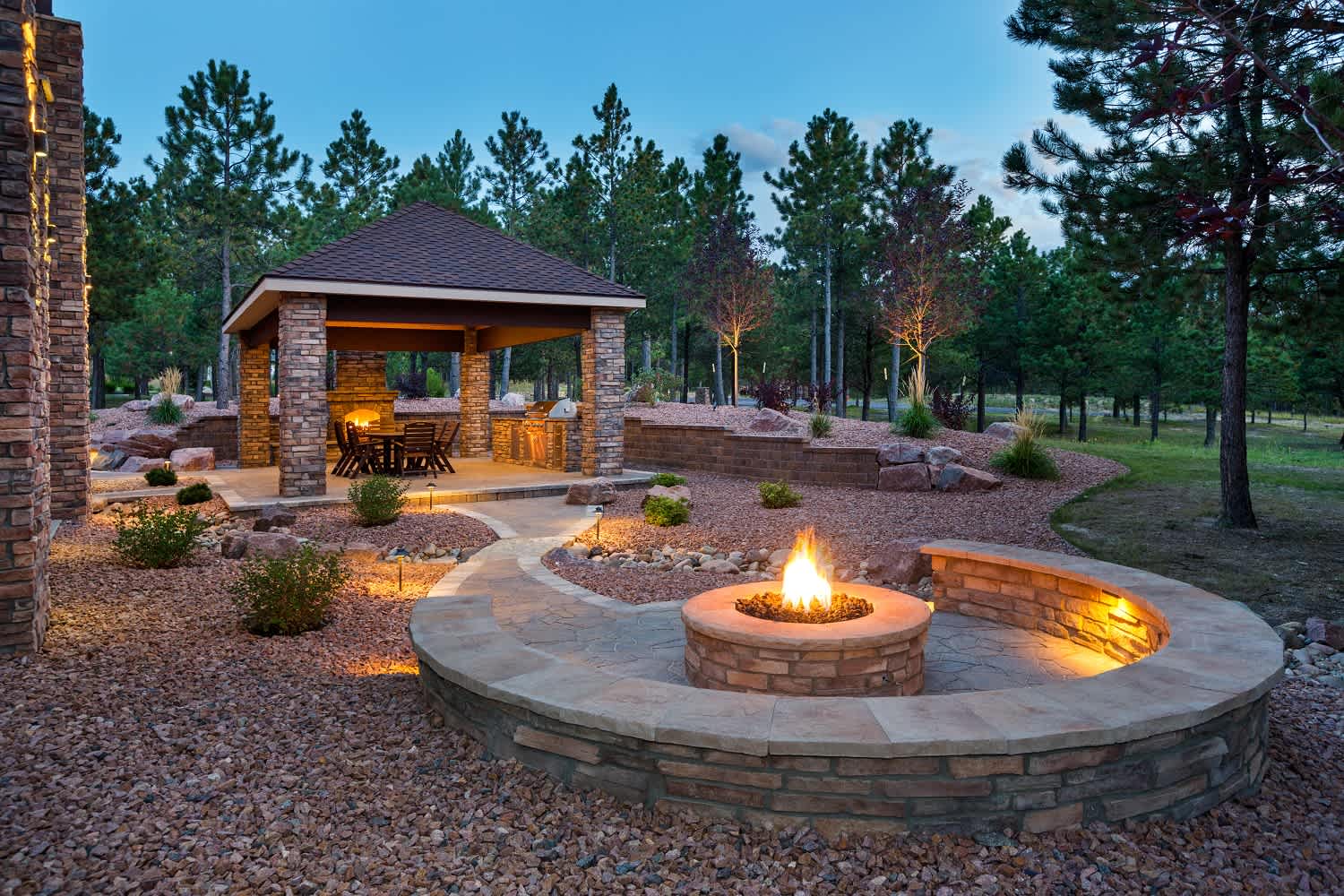





Top-rated fire pit installation pros.

Get matched with top fire pit installation pros in Valley, WA

Enter your zip and get matched with up to 5 pros

Need a pro for your fire pit installation project in Valley, WA?

Select your specific project to find the pro for you.

Find Fire pit installation pros in Valley

No results for Fire pit installation pro in

Try adjusting your search criteria.
Fire Pit Installation questions, answered by experts

Recessed lights, as with any kind of light, can be a fire hazard if not installed correctly. Because of this, it’s best to have a professional complete the installation for you. Properly installed lights should not pose a threat and often have heat sensors installed in them that turn the light off if the temperature gets too high.

Attics often contain a mix of insulation, electrical wiring, and other materials that can pose fire risks. That’s why furnaces should be installed in the attic with proper insulation and clearance from combustible materials. Additionally, the furnace should be equipped with proper ventilation and heat shields to prevent the buildup of excessive heat in the attic space. Regular inspections and maintenance are also crucial to identify and address any potential fire hazards.

As with any smoking appliance, a smoking oven is a concerning fire risk. It also negatively impacts your indoor air quality, which can put vulnerable people at risk of breathing problems. A dirty oven can catch fire if you don’t stay on top of regular maintenance, so remember to check your oven for signs that it’s time for a cleaning and remove buildup every three months to stay on the safe side.

Glass block windows aren’t fire hazards; fire-rated glass block windows can increase your home’s fire safety. Modern glass blocks are made with materials that can resist high temperatures and prevent fire spread. Most offer a 45-minute fire rating, while some increase it to two hours. Compared to the typical 20 to 90 minute rating for a double-pane window, glass block can increase your home’s safety in the event of a fire.

No, but they both serve distinct life-saving purposes. Smoke detectors primarily sense the presence of smoke, typically caused by a fire, and emit loud alarms to alert occupants to evacuate. In contrast, carbon monoxide detectors monitor the levels of carbon monoxide gas, an odorless and colorless but deadly substance produced by incomplete combustion of fuels. When CO levels become dangerous, CO detectors sound alarms to warn inhabitants of potential poisoning risks. 

The Valley, WA homeowners’ guide to fire pit installation services

From average costs to expert advice, get all the answers you need to get your job done.