


Top-rated radon detection and reduction specialists.

Get matched with top radon detection and reduction specialists in Olga, WA

Enter your zip and get matched with up to 5 pros

Need a pro for your radon detection and reduction project in Olga, WA?

Select your specific project to find the pro for you.

Find Radon detection and reduction specialists in Olga

Avatar for Element Environmental
Element Environmental
New to Angi
Radon Gas - AbatementRadon Gas - Testing

Serving Olga, WA and surrounding areas

Approved

Free estimates

Emergency services offered

Offers commercial services

Element provides a wide range of professional services in the areas of Environmental Consulting, Water Resource Evaluation, UXO Support, and Engineering Design. Element provides the personal attention and flexible decision making capabilities of a small business while providing the breadth of expertise and experience of a large firm.

Radon Detection and Reduction questions, answered by experts

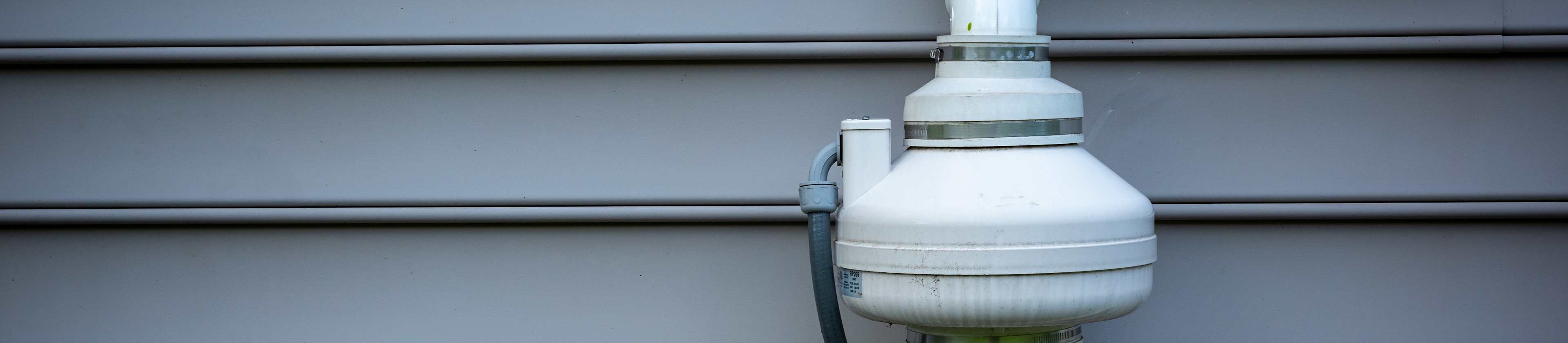
The cost to replace a radon fan ranges from $300 to $600 for the fan itself, with installation adding an additional $200 to $500. Overall, the total cost for replacement can range from $500 to $1,100, depending on factors such as the fan model, home size, and local labor rates. If the fan is part of a larger radon mitigation system, the price may be higher.

You can vent radon out of your house sometimes by simply opening a window, but it won’t remove the source, and will likely rise above recommended levels quickly. A professional will be needed to assess your home, and determine the best strategy for radon removal. Active radon sump pumps and soil depressurization systems are often used to forcefully vent the radon from your home.

Abatement includes sealing entry points and venting with systems that reduce radon levels below recommended EPA limits. It is handled by certified professionals.

Radon enters your home when warm air begins to rise and exits through the roof, creating a vacuum that pulls cooler air from under the foundation. Part of that air is radon, which is an invisible, odorless gas that develops naturally when radioactive particles are deep within the ground. Those particles usually come from decaying matter in soil and rocks.

No level of radon is technically safe, but since it is present everywhere, complete avoidance is impossible. The average radon level in homes across the United States is 1.3 picocuries per liter (pCi/L). The Environmental Protection Agency (EPA) recommends taking preventative measures if your home's radon levels are between 2 and 4 pCi/L or higher.

The Olga, WA homeowners’ guide to radon detection and reduction services

From average costs to expert advice, get all the answers you need to get your job done.