



Top-rated radon detection and reduction specialists.

Get matched with top radon detection and reduction specialists in Blaine, WA

Enter your zip and get matched with up to 5 pros

Need a pro for your radon detection and reduction project in Blaine, WA?

Select your specific project to find the pro for you.

Find Radon detection and reduction specialists in Blaine

Avatar for Element Environmental
Element Environmental
New to Angi

Serving Blaine, WA and surrounding areas

Approved

Free estimates

Emergency services offered

Offers commercial services

Element provides a wide range of professional services in the areas of Environmental Consulting, Water Resource Evaluation, UXO Support, and Engineering Design. Element provides the personal attention and flexible decision making capabilities of a small business while providing the breadth of expertise and experience of a large firm.

Avatar for Absolute Asbestos Services
Absolute Asbestos Services
4.8(
6
)

Serving Blaine, WA and surrounding areas

In business since 2020

Free estimates

Emergency services offered

"They were wonderful to work with and so very professional in cleaning our mess of disturbed vermiculite. We highly recommend Absolute Asbestos Services for any known or likely to be toxic material. From testing to removal and thorough cleaning, they do it all. We are so pleased we worked with Corey Packwood and his team."
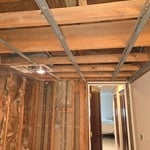
<1% Chrysotile Asbestos Texture Wallboard, doorway to be raised
post abatement
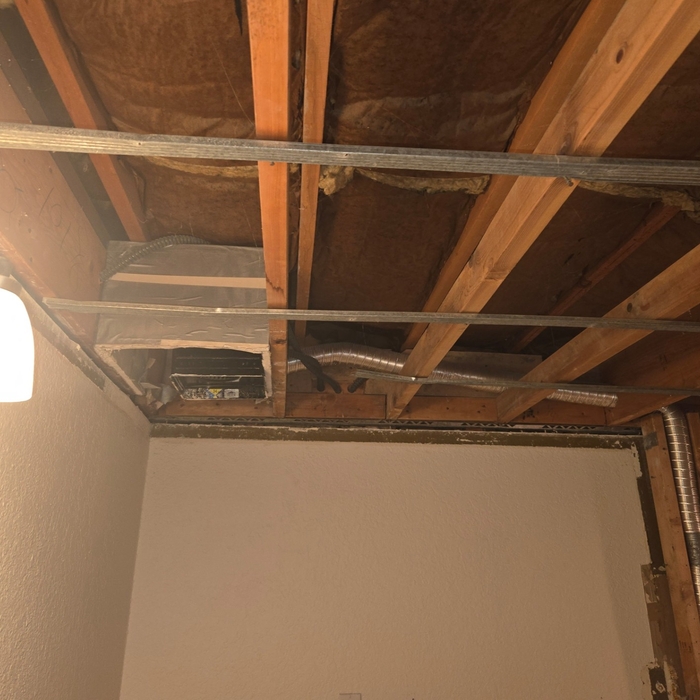
<1% Chrysotile asbestos texture ceiling
post abatement job complete

+12

Recommended by50%of homeowners
Radon Detection and Reduction questions, answered by experts

The average radon mitigation system uses about 876 kWh of electricity per year, although the exact amount of electricity used will vary depending on the size of the radon fan. Once the system is installed, the annual increase to your energy bill could range from $30 to $300 per year, again depending on the size of the fan.

Testing every 2-5 years or upon adjusting occupancy or structural changes maintains safe environments.

Ideally, no one will live in a house with elevated radon levels, as prolonged exposure increases the risk of serious health issues like lung cancer. However, homes with radon can be made safe through mitigation systems, such as active soil depressurization. Testing for radon regularly and addressing high levels helps ensure a safe living environment.

The soil beneath your house is most likely what’s causing an increased level of radon. This is because soil holds radioactivity for a long time and it’s also what most buildings are built on. Another common source of radon is water from a source that hasn’t been through periodic radon tests, such as well water. Over time, the radon from the soil can inhabit other parts of your house like the foundation or plumbing.

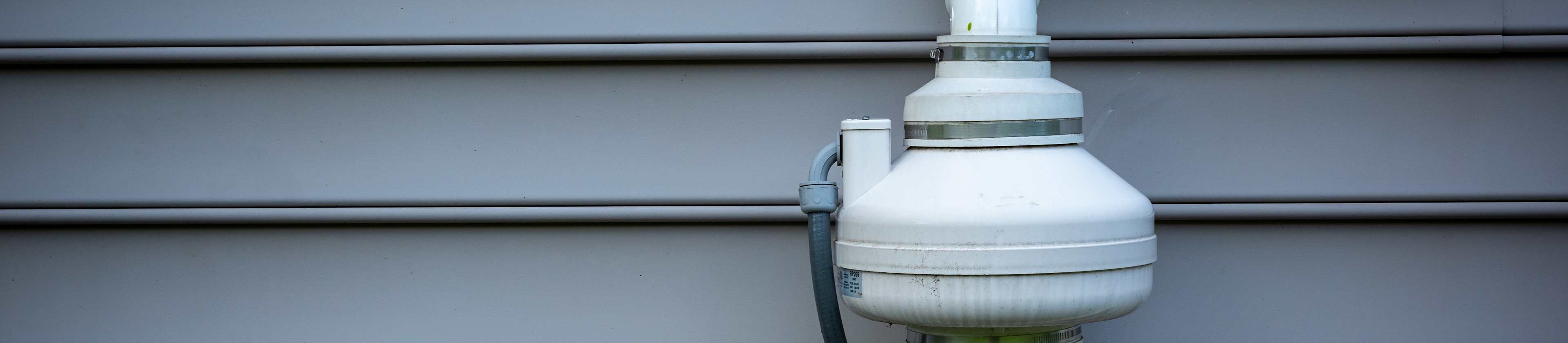
You can vent radon out of your house sometimes by simply opening a window, but it won’t remove the source, and will likely rise above recommended levels quickly. A professional will be needed to assess your home, and determine the best strategy for radon removal. Active radon sump pumps and soil depressurization systems are often used to forcefully vent the radon from your home.

The Blaine, WA homeowners’ guide to radon detection and reduction services

From average costs to expert advice, get all the answers you need to get your job done.