



Top-rated pest control specialists.

Get matched with top pest control specialists in Lind, WA

Enter your zip and get matched with up to 5 pros

Need a pro for your pest control project in Lind, WA?

Select your specific project to find the pro for you.

Find Pest control specialists in Lind

Avatar for All Safe Pest Control
All Safe Pest Control
5.0(
9
)
Mosquito ControlPest Control - Bed BugsPest Control - Bugs and Insects+5 more

Serving Lind, WA and surrounding areas

Approved

In business since 2015

Free estimates

Emergency services offered

"They picked up my washer and drier from where I purchased it and took it to my rental property. Did a great job on making everything was secure and placed it where I needed it in the property."
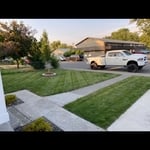
Lawn Fertilization
Exterior Spray
Cob Web Removal
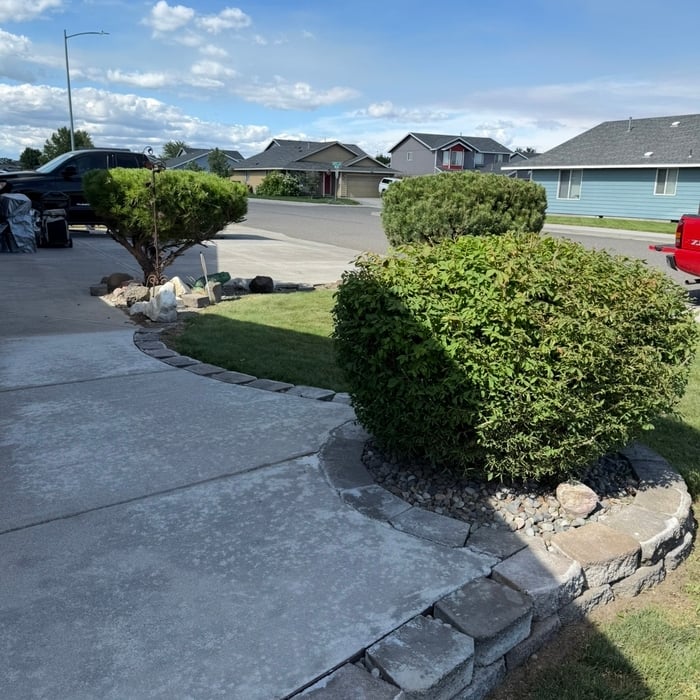
Pine Shrub After Trimming
All 3 Shrubs Trimmed

+13

Response time4 hrs
Response rate100%
1 neighbors recently requested a quote
Pest Control questions, answered by experts

Moles live underground and feed on insects. They dig and move through tunnels, usually in meadows or forests but sometimes in lawns and gardens. They are about 6 inches long with large claws, tiny eyes, and hidden ears. 

Shrews do not dig their own tunnels but will use other animals’ tunnels, and are about 3 to 4 inches long. They look similar to mice and feed on insects.

Voles are similar in size to moles but have large eyes and small but visible ears. Rather than eating insects, voles are herbivores that prefer seeds, grasses, and plant roots.

Not necessarily. If you see a swarm of flying insects, it could be flying ants or termites, but not always both. However, since these winged pests are attracted to moist and rotting wood, there’s a chance that both species are present at the same time.

You might be tempted to call your local municipality to remove animals from your property, such as a groundhog burrowing in your yard or raccoons getting into your trash cans. However, they typically only remove domestic animals like dogs and cats from properties, or sick and injured wildlife that pose a public safety risk or health threat, such as a rabid animal. They typically do not capture or remove healthy wildlife.

Animal removal professionals have the tools, knowledge, and skills to trap and remove wild animals adequately and humanely. They also can relocate them correctly.

As beautiful as vines on your home's exterior can be, they do like to attract many kinds of creepy crawlies. Bugs—including beetles, aphids, weevils, and others—like to make themselves at home in ivy. You can also bet if a wide selection of bugs is available, it will attract spiders, too.

Poison will kill small rodents and can seem like the quick and easy way to get rid of them. But—in addition to its inhumane nature—poison has some drawbacks. First of all, if you have small children or pets in the home, setting out poison isn't the best idea, as your pets or children could ingest it. 

Poisoned mice and rodents don't die instantly. Instead, it can take several days for the poison to work its way through their system. In the meantime, there's a chance that a predator, such as a cat, fox, or other mammal, will eat the poisoned rodent and become poisoned themselves.

The Lind, WA homeowners’ guide to pest control services

From average costs to expert advice, get all the answers you need to get your job done.