




Top-rated excavation pros.

Best excavation pros near Prosser, WA

Enter your zip and get matched with up to 5 pros

Need a pro for your excavation project in Prosser, WA?

Select your specific project to find the pro for you.

TRUSTED BY PROSSER, WA HOMEOWNERS

  • Average homeowner rating star icon5
    Average homeowner rating
  • Verified reviews icon14
    Verified excavation services reviews

Top-Rated Excavation pros in Prosser - Updated Nov 2026

Avatar for Sarver Construction, LLC
Sarver Construction, LLC
5.0(
6
)
Building Site - Preparation and ClearingBuilding Site - Preparation and Clearing - For Business

Serving Prosser, WA and surrounding areas

Approved

In business since 2022

Free estimates

Emergency services offered

"Sarver Construction did an excellent job installing a new irrigation system for our new home. They were always punctual and very professional in their work. If you need an irrigation system installed Sarver Construction is highly recommended. Manuel Pardini"
Project Photos
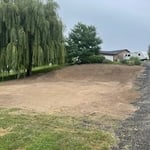
Retaining wall
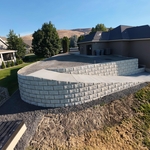
Retaining wall
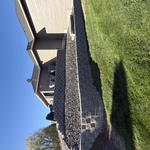
Retaining wall
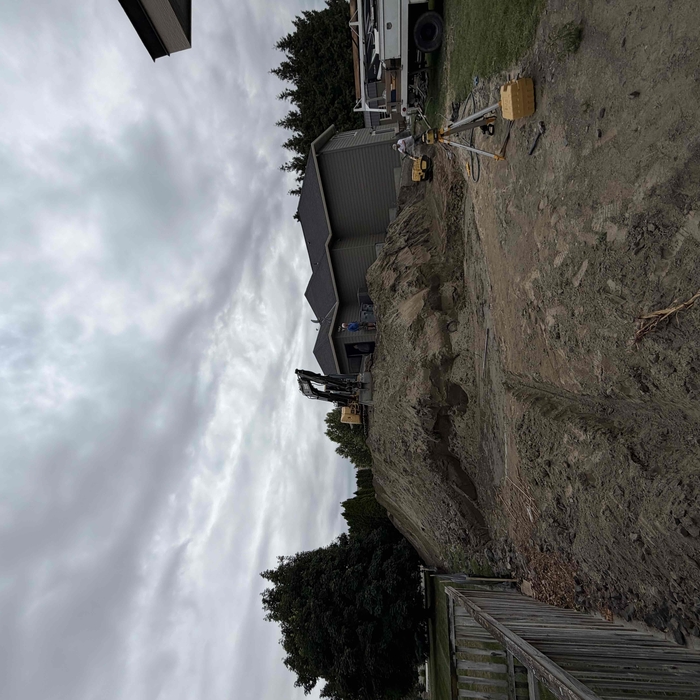
Retaining wall

+3

Response time8 hrs
Response rate95%
Recommended by66%of homeowners
3H Excavation
5.0(
2
)
Building Site - Preparation and ClearingBuilding Site - Preparation and Clearing - For BusinessExcavation - Major Grading or Resloping+1 more

Serving Prosser, WA and surrounding areas

In business since 2012

Offers commercial services

"Darren did an excellent job . Arrived in a timely manner, explained options and then got to work. He came back the next day to clear the snow that had continued to fall . I would recommend him."
Response time1 day
Recommended by100%of homeowners
Cobian Excavation LLC
5.0(
4
)
Excavation - Major Grading or ReslopingExcavation - Major Grading or Resloping - For BusinessLandscape - Minor Grading or Resloping

Serving Prosser, WA and surrounding areas

In business since 2002

Free estimates

Credit card accepted

"I recently hired Cobian Excavation for a significant excavation project, and I couldn't be more satisfied with their service. From the initial consultation to the final clean-up, their professionalism, efficiency, and expertise were evident every step of the way. The team was punctual, well-equipped, and highly skilled, completing the project on time and within budget. They navigated unexpected challenges with ease, demonstrating their extensive experience in the field. Communication was clear and consistent, ensuring I was informed and confident throughout the process. The quality of their work exceeded my expectations, and their attention to detail ensured a flawless result. I highly recommend Cobian Excavation for any excavation needsâ they truly deliver outstanding service and results."
Response time1 day
Recommended by100%of homeowners
...
Showing 1-10 of 51
Excavating FAQs, answered by experts

The rules and regulations regarding groundwater use vary between states. To find out if you can dig a well on your property, you’ll have to consult these regulations, address any compliance requirements, and get the appropriate permits. It’s also important to check that your intended location has the right geology and water table to support a well.

If you don’t wish to dig it out and convert it into a finished basement, you can still encapsulate your crawl space to protect it from damage for an average cost of $5,500. Finishing a crawl space beyond this isn’t really worthwhile, as the low ceilings mean you won’t be able to use the area as living space.

Prior to excavation, you should prepare the dig site and call 311 before you sign anything.

To get your site ready for excavation, you should move anything in the area that isn’t affixed to the land. You can save money on the excavation by removing hardscaping, including walkways, decks, concrete patios, and paver patios.

Before you carry out any digging, you should call 311 to confirm that there are no utility lines running through your excavation site. Skipping this step could lead to severe injury and property damage if your excavator hits a water, sewage, or gas line.

No, a ditch isn’t a trench. A ditch is an open, relatively shallow channel that’s carved out of the ground and used for drainage purposes. In contrast, a trench is a deeper excavation that’s entirely underground. Trenches have many uses, including gas lines, sewage systems, and electrical wiring. Unlike trenches, ditches don’t get filled back in with dirt after they’re dug.

In the United States, a depth of 36 inches (three feet) for underground water lines is the accepted industry standard. This depth varies from location to location based on local conditions. In areas with colder winters, they may be buried deeper to prevent frozen well water pipes : This is usually at least six inches below the frost level. The International Plumbing Code calls for a minimum of 12 inches below grade.

The Prosser, WA homeowners’ guide to excavation services

From average costs to expert advice, get all the answers you need to get your job done.