




Top-rated retaining wall installation pros.

Get matched with top retaining wall installation pros in Eastsound, WA

Enter your zip and get matched with up to 5 pros

Need a pro for your retaining wall installation project in Eastsound, WA?

Select your specific project to find the pro for you.

Find Retaining wall installation pros in Eastsound

RT Total Lawn Care
4.5(
28
)
Retaining Wall - Install

Serving Eastsound, WA and surrounding areas

Approved

Super Service Award Winner

In business since 1997

Free estimates

Emergency services offered

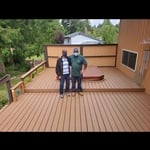
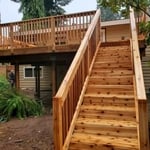
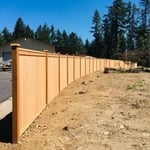
"Very quick response! He gave me an estimate on the spot, some negotiation, and I agreed. That was Friday, fence posts installed on Saturday and fence completed on Monday. I am thrilled! Amazing to work with and I will definitely work with him in the future and refer them to friends and family! Very satisfied!"
Additional Photos
Additional Photos
Additional Photos
Additional Photos
Additional Photos

+5

Response time9 hrs
6 neighbors recently requested a quote
Recommended by80%of homeowners

Avatar for Elias Construction Services LLC
Elias Construction Services LLC
4.4(
9
)
Retaining Wall - Install

Serving Eastsound, WA and surrounding areas

Approved

In business since 2008

Free estimates

Emergency services offered

We take great pride our experience, expertise, quality, and customer service that we provide to meet the consumer's . It is our mission to provide excellent workmanship and complete customer satisfaction, from the start to the completion of a project. order to understand the and expectations of our customers, we take great care to work and communicate with every customer a professional manner. Our reputation is based on service, safety, and quality, regardless of how large or small the job.

After
IKO Cambridge Earthtone C
IKO Dual Grey Dynasty
3 Tab
3 Tab

+24

Response time1 day
Recommended by14%of homeowners
Showing 1-10 of 16
Retaining Wall Installers questions, answered by experts

Railroad ties can be good for retaining walls, but it depends on the area. They have a desirable rustic look and are durable. The problem is they’re treated with creosote, a preservative the EPA says poses a risk to humans and wildlife. Over time, the preservative seeps out of the wood and into the ground. Many areas have banned the use of creosote-treated wood on residential properties. If your area does allow it, never use railroad ties near an edible garden or drinking water source. Instead, use wood that’s treated with an EPA-approved preservative or a wood-alternative composite material.

Poured concrete is often the cheapest material for a retaining wall, costing around $6 to $8 per square foot. Other budget-friendly options include vinyl and landscaping timbers, which range from $10 to $15 per square foot; landscaping timbers are particularly well-suited for DIY projects. Untreated timber and railroad ties are a step up in price, starting at $15 to $25 per square foot. Natural stones can also be a cost-effective choice if you can source them from your own property, but they can be expensive to purchase. High-end materials like steel are typically the most expensive but offer superior durability and aesthetics.

A retaining wall can only function as a fence if it’s high enough on all sides to prevent someone from accidentally falling into the pool. However, most retaining walls retain dirt, which means their purpose is not related to safety. There would need to be nothing on the other side of the wall for it to be considered a fence, but in that case, it wouldn’t retain anything and would cease to be a retaining wall.  

Generally speaking, a retaining wall should be between 3 and 4 feet high, depending on variables such as the wall-building material, the purpose of the retaining wall, and more. If you want your retaining wall to be taller than 4 feet, check with your local building ordinance office for the maximum allotment. You may also need a special permit for retaining walls over 4 feet tall.

Small retaining walls still require a foundation of some kind, typically a concrete footing. This helps to ensure the wall is structurally sound and prevents the ground from shifting over time, especially during those winter freeze/thaw cycles. The footing helps spread the weight of the wall and the load it carries over a larger area of the ground, thus assisting with stability. This is true of small retaining walls, larger rock garden walls, and the like. 

The Eastsound, WA homeowners’ guide to retaining wall installation services

From average costs to expert advice, get all the answers you need to get your job done.